

According to the most recent study, global cargo theft losses hit $1 billion annually. As supply chains grow more complex, keeping your product’s packaging intact is a security priority. Businesses now face rising risks from theft, tampering, and lost stock, especially during transit and at retail checkout points.
Tamper tags are one of the most effective tools to protect high-value items and maintain chain-of-custody. These small additions can stop shrinkage, flag unauthorized access, and give customers peace of mind. In this guide, you’ll learn what tamper tags are, how they work, and how to choose the right type for your store, warehouse, or shipping operation.
What Are Tamper Tags and How Do They Function?
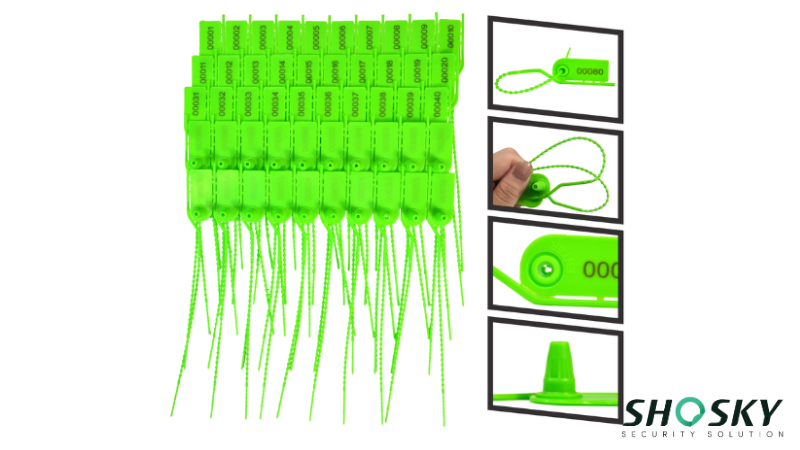
A tamper tag is a specialized security barrier engineered to provide irreversible visual or digital evidence of unauthorized package entry. They are strategically attached to vulnerable entry points on physical assets highly susceptible to theft, substitution, or covert loss.
Unlike standard packaging tapes that criminals can peel and replace invisibly, professional tamper tags trigger a controlled destruction sequence. Security directors rely on the following engineered defense mechanisms to protect their inventory:
- Mechanical Tensile Failure: Pull tight tags utilize High Density Polyethylene (HDPE) that physically snaps when subjected to a force exceeding the standard 40 lbs load limit.
- Chemical VOID Activation: Adhesive tags utilize specialized reactive inks that permanently display “OPENED” or “VOID” messages the instant an individual lifts the label edge.
- Digital RFID Disconnection: Electronic article surveillance tags feature embedded microchips that immediately sever their internal antenna circuits and trigger an automated system alert upon physical breakage.
Deploying these integrated physical and digital defenses guarantees that any tampering attempt becomes immediately obvious to receiving personnel. This immediate visual alert system ensures compromised goods are isolated before they reach the consumer or enter the sales floor.
Ready to Get the Right Tamper Tags for Your Business?
Start With A Low Minimum Order Quantity
The 4 Core Types of Tamper Tags
There are several engineered categories of tamper tags available on the commercial market. Procurement teams must precisely match the tag material and form factor to their specific logistical environment. Utilizing improper tags for heavy industrial applications leads to accidental breakage and false security alarms.
The following four categories represent the absolute industry standards for modern packaging and logistics security:
1. Plastic Pull-Tight Tags

Plastic pull-tight tags represent the baseline mechanical defense for retail and internal logistics. For example, Amazon Fulfillment Centers deploy barcode pull tight tags on select electronics to boost item-level tracking and flag tampering during packing or transit.
These specific physical attributes dictate their commercial application:
- Tensile Strength: Engineered to snap precisely at 30 to 40 lbs of applied force.
- Locking Chamber: Features a one-way stainless steel insert to prevent reverse threading.
- Customization: Accommodates laser-etched sequential numbering for manual audits.
Deploying these mechanical barriers completely eliminates opportunistic theft. Facility managers secure tote boxes and medical cabinets instantly without requiring specialized application tools.
2. RFID-Enabled Tamper Tags
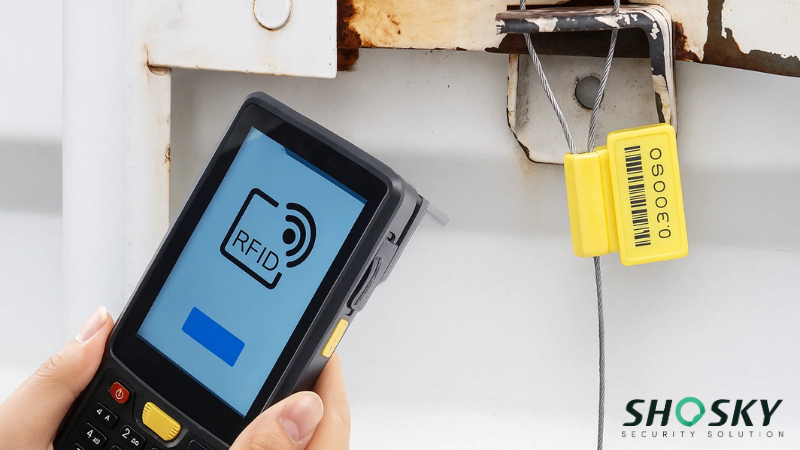
These electronic tags offer simultaneous physical tamper detection and advanced digital inventory tracking. McKesson, one of the largest medical distributors, uses RFID-enabled tamper tags to confirm package integrity during cold chain transport and speed up regulatory customs inspections.
RFID tag integration relies on these core technical parameters:
- Frequency Bands: Operates optimally on UHF 860 to 960 MHz ranges.
- Protocol Standards: Complies entirely with global EPC Gen2 scanning architectures.
- Alert Mechanism: Severing the physical loop instantly transmits a localized alert to overhead warehouse scanners.
Integrating electronic surveillance shifts security from passive inspection to proactive loss prevention. Security teams can trace exactly when and where a high-value item was compromised.
3. Adhesive Tamper-Indicator Tags
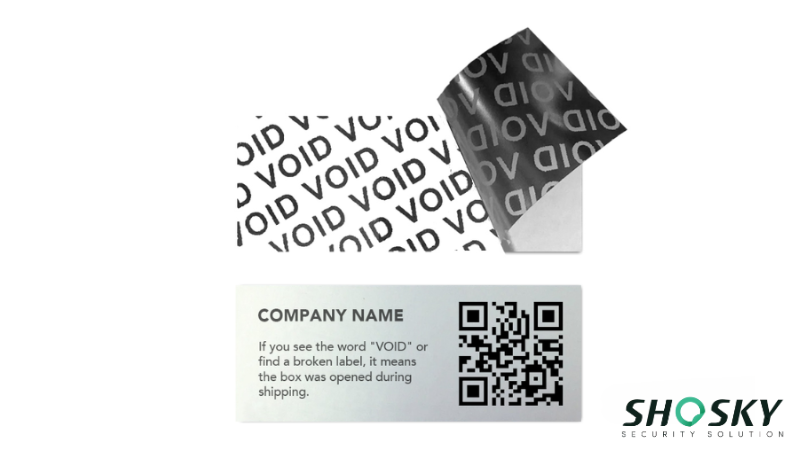
Adhesive tags function similarly to security labels but utilize aggressive acrylic glues tailored for specific packaging substrates. They stick directly onto glossy retail boxes or metallic closure points to secure small consumer goods.
Procurement officers must evaluate these chemical properties:
- Adhesive Coat Weight: Utilizes modified formulas designed explicitly for Low Surface Energy (LSE) plastics.
- Residue Pattern: Leaves an undeniable chemical “VOID” residue pattern on the packaging upon separation.
- Form Factor: Extremely lightweight and ideal for e-commerce courier shipping.
These chemical barriers provide the most cost-effective protection for high-volume outbound fulfillment. Consumers receive immediate visual assurance that their purchased goods remain entirely uncontaminated.
4. Metal Locking Tags
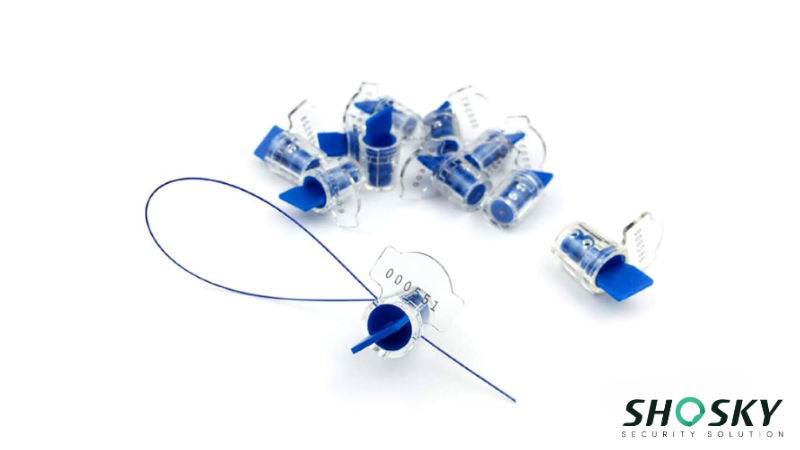
Built for extreme industrial strength, metal tags secure environments where plastic or adhesive variants would fail instantly. Maersk Logistics added serialized metal tamper tags to container doors in high-risk ports, successfully cutting claim disputes by 40 percent across multiple shipping lanes.
Heavy industrial applications require the following engineered specs:
- Certification: Manufactured to meet the strict ISO 17712 Indicative classification standards.
- Removal Protocol: Requires heavy industrial cutting tools or bolt cutters to breach.
- Durability: Withstands severe saltwater corrosion and extreme physical impact.
These rugged devices establish an impenetrable perimeter for global trade. They are heavily deployed on international air freight containers, chemical drums, and outdoor warehouse utility doors.
Tamper Tags vs. Other Tamper-Evident Tools
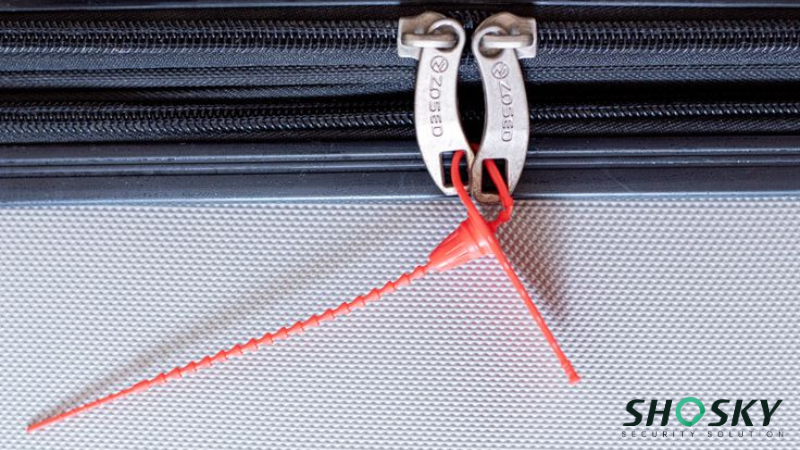
Not all tamper-evident tools work the same way. Some offer better visibility, others support tracking, and a few are designed for very specific use cases like export containers. The following table gives a side-by-side look at how tamper tags compare with other common options in key areas like reusability and tamper visibility.
| Security Method | Reusability | Tracking | Tamper Visibility | Best For |
|---|---|---|---|---|
| Tamper Tags | ❌ No | ✅ Optional | ✅ High | Transit, access points |
| Tamper-Evident Tape | ❌ No | ❌ | ✅ Medium | Packaging flaps |
| Void Labels | ❌ No | ✅ Serial | ✅ High | Product packaging |
| Bolt/Cable Seals | ❌ No | ✅ Yes | ✅ High | Cargo and export containers |
Aligning your physical hardware choices directly with these established threat profiles prevents accidental tag failures. It entirely eliminates the friction of rejected shipments at commercial receiving docks.
Industries That Rely on Tamper Tags for Product Security

Specific commercial sectors demand absolute physical security to comply with federal laws and maintain brand integrity. Deploying unverified packaging in these high-risk industries guarantees catastrophic financial and legal consequences.
The following industries actively mandate the deployment of serialized tamper tags across their supply chain operations:
- Apparel and Footwear Logistics: Luxury brands utilize serialized plastic tags to verify absolute product authenticity and halt return fraud. By looping a non-removable tag through a sneaker eyelet, retailers guarantee the product remains unworn before processing a full refund.
- High Value Electronics: Manufacturers deploy customized VOID adhesive tags across laptop and smartphone chassis seams. Breaking this seal instantly voids the manufacturer’s warranty and proves unauthorized third-party component manipulation.
- Pharmaceutical Distribution: The FDA strictly enforces 21 CFR Part 11 compliance for drug transport. Pharmaceutical companies utilize serialized tamper tags on medical totes to prevent lethal medication substitution and ensure absolute patient safety.
- Third Party Logistics (3PL): Warehouse operators depend on pull tags to protect consolidated pallets from internal pilferage. A broken tag immediately shifts liability away from the logistics provider and triggers an internal theft investigation.
Standardizing your security protocols across these vulnerable touchpoints creates a legally binding audit trail. This protects your corporate reputation and ensures regulatory compliance during federal inspections.
Ready to Get Tamper Tags for Your Operation?
Start With A Low Minimum Order Quantity
How to Choose the Right Tamper Tag for Your Operation
Selecting the ultimate tamper tag requires a calculated assessment of your packaging substrates, environmental extremes, and software infrastructure. Ignoring these variables leads to rapid hardware failure and complete security compromise.
Procurement directors must execute the following 3-step evaluation framework before authorizing bulk orders:
Step 1: Analyze the Application Substrate
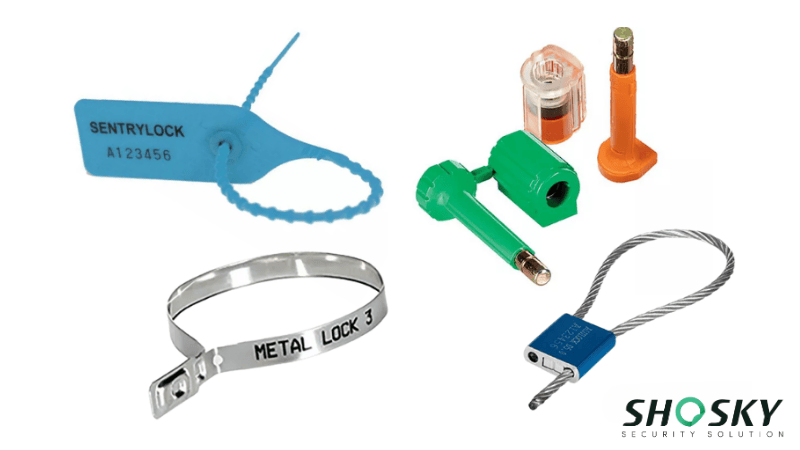
The physical texture and geometry of your packaging strictly dictate the tag format. Adhesive security labels bond perfectly to flat corrugated boxes or glossy retail cartons, but fail completely on textured fabrics.
Evaluate your closure points using these criteria:
- Smooth Surfaces: Utilize high-tack acrylic adhesive VOID tags for cardboard and glass.
- Porous Materials: Canvas bags and woven sacks mandate mechanical pull tight tags.
- Heavy Latches: Steel container doors require metallic cables to bridge the latch gap.
Matching the tag physics to your container geometry guarantees the security mechanism will deploy exactly as intended.
Step 2: Evaluate Environmental Temperature Thresholds
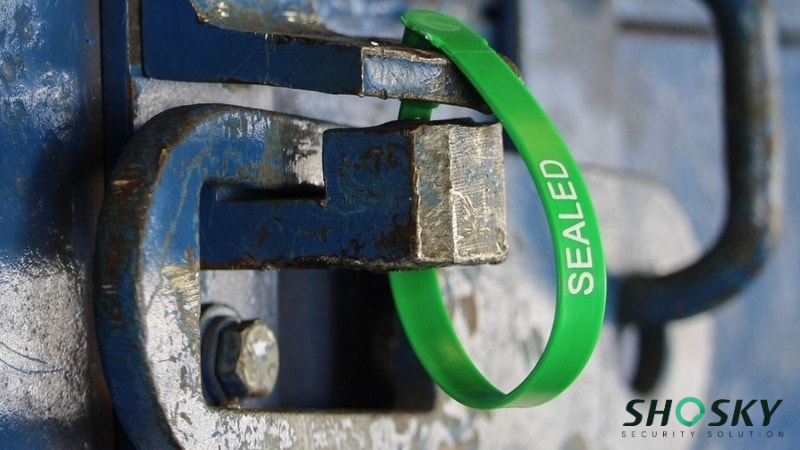
Ambient weather conditions routinely destroy basic security hardware during cross-country transit. Standard plastic polymers become extremely brittle and shatter spontaneously in freezing temperatures.
Secure your cold chain logistics by verifying these tolerances:
- Deep Freeze Adhesives: Specify cryogenic acrylic formulas if surface temperatures drop below 14°F to prevent crystallization.
- Nylon Upgrades: Substitute standard polypropylene with impact-resistant nylon for outdoor winter exposure.
- Moisture Defenses: Ensure adhesive tags feature waterproof synthetic topcoats to survive condensation.
Anticipating environmental stress prevents false alarms and guarantees your tags survive the entire logistical journey.
Step 3: Integrate Digital Tracking Protocols
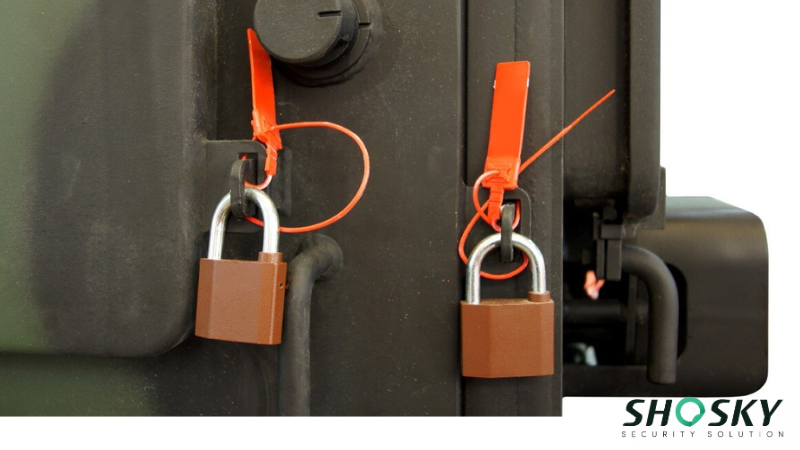
Modern security relies heavily on automated digital verification to eliminate human error. Basic visual tags require slow manual logging, which creates severe bottlenecks at receiving docks.
Upgrade your audit trail with the following data integrations:
- 2D Data Matrix: Laser-etched barcodes provide instant scanning capability for handheld warehouse devices.
- ERP Synchronization: Linking unique tag serials directly to shipping manifests prevents substitution fraud.
- RFID Checkpoints: Automated portal scanners log tag status without requiring direct line of sight.
Transitioning from manual logs to automated digital scanning establishes an immutable timestamp for every facility handoff.
FAQs
What is the exact tensile strength of plastic tamper tags?
Our standard high-density polyethylene pull-tight tags withstand a calibrated tensile pull force of 30 to 50 lbs. This precise specification guarantees the tag survives normal transit vibration but breaks immediately under malicious manual force.
Can RFID tamper tags survive international ocean freight?
Yes. Our specialized RFID-enabled tamper tags feature durable, weather-resistant housings that protect the internal UHF antennas. They operate flawlessly in high humidity and extreme saline environments common during extended intermodal ocean transit.
Do adhesive tamper tags work securely on cold chain packaging?
Yes, provided you specify the correct formulation. We utilize highly modified cold-weather acrylic adhesives engineered specifically to maintain an aggressive chemical bond and trigger visual VOID messages without crystallizing in deep freeze conditions.
What protocol must security follow if a tamper tag is missing?
Security personnel must immediately quarantine the specific asset and halt further processing. You must document the exact discrepancy photographically and trigger an internal compliance audit to investigate the broken chain of custody before releasing the goods.
Secure It Right with Shosky Security’s Tamper Tag Solutions
Tamper tags offer a simple, effective way to protect your products, packaging, and reputation. If your business handles valuable items, sensitive shipments, or bulk inventory, using tamper-evident solutions and tamper tags isn’t optional—it’s smart risk management. Choose the right type, apply it correctly, and make product security a consistent part of your process.
No matter your industry, Shosky Security offers tamper tags built for real-world use. Need fast shipping? Need something custom? We’ve got you covered with tags that stand up to tough handling. Talk to us and order the tamper tag system you can rely on!