
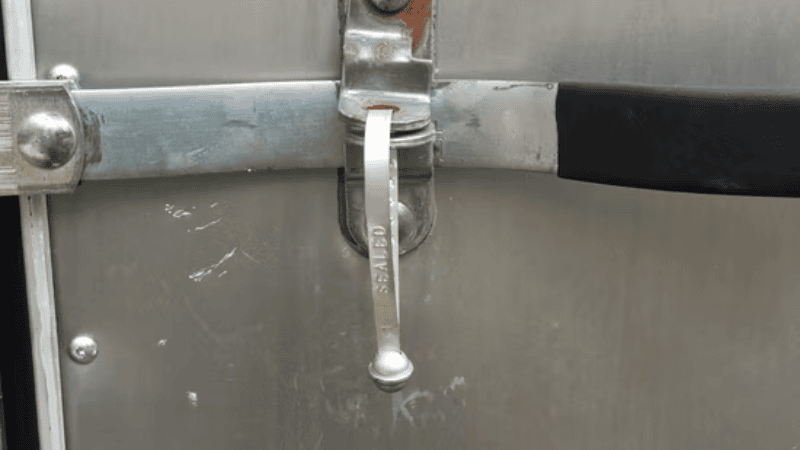
Cargo theft costs global supply chains an estimated $223 billion in 2023, according to BSI Supply Chain Services and Solutions. In most of those cases, the breach started at the seal. A serial number that could not be read, a plastic indicator that snapped in the cold, a lock that was quietly cut and replaced with a matching stock seal from a bulk supplier.
The security seals you specify are not a minor procurement decision. They are the foundation of the entire chain of custody. This article breaks down the full engineering anatomy of metal strap seals and the exact inspection protocols that procurement teams and warehouse operators need to run in real freight operations.
Common Tampering Tactics: Why Standard Plastic Seals Fail
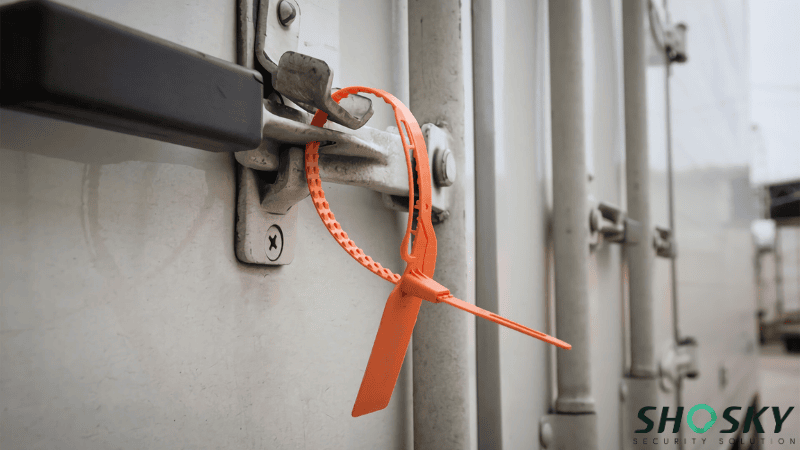
Before understanding the engineering behind metal strap seals, it is crucial to understand how modern cargo theft actually occurs. Today’s organized thieves rarely rely on brute force; instead, they use covert manipulation to bypass standard or low-quality seals without leaving immediate visual evidence.
- Thermal Manipulation: Exposing cheap plastic seals to extreme heat to soften the locking mechanism or freezing temperatures to make the plastic brittle and snap clean without stretching.
- Chemical Erasure: Using industrial solvents like acetone to wipe away standard ink printed serial numbers, allowing them to replace the breached seal with an identical generic one.
- The Stock Seal Swap: Purchasing un-customized, un-serialized seals from public bulk suppliers to mask a break in.
To counter these specific vulnerabilities, high-risk domestic logistics require a barrier that cannot be melted, erased, or easily swapped. This is where the structural anatomy of the metal strap seal comes in.
How Do Flat Metal Strap Seals Defeat Tampering Attempts
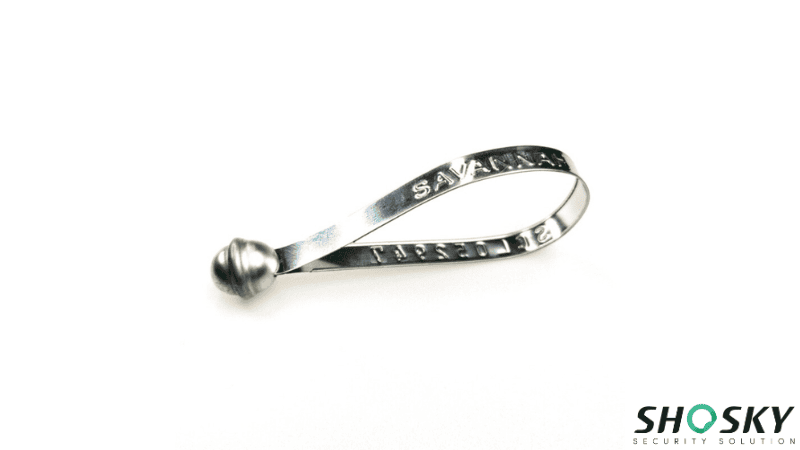
Metal strap seals are heavy-duty, tamper-evident security solutions engineered to lock and secure transport equipment across the full range of freight environments. Unlike plastics that degrade under UV or thermal stress, they are made from high-strength metal fasteners that clamp and interlock the overlapping ends of tensioned strapping.
The following three key components make a high-security flat metal seal effective in demanding logistics environments. Understanding these specific structural elements is crucial for proper procurement validation.
1. Folded Tinplate Steel Construction
The strap body is cut from high-grade tinplate steel and then heavily hemmed along both parallel edges during manufacturing. That specific folding step is what separates a professional-grade seal from a workplace hazard.
Raw steel edges will slice through a standard warehouse glove and cut bare hands instantly, especially when a driver is applying truck seals under severe time pressure at a busy loading dock. The hemmed edge removes that laceration risk entirely while reinforcing the overall tensile strength of the strap.
2. The Spherical Locking Head Chamber
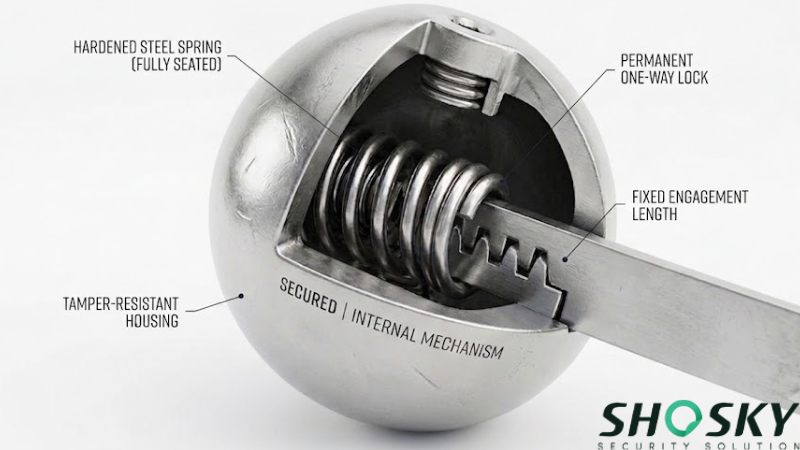
The globe-shaped head is where the physical security actually happens. Inside this spherical housing sits a hardened, rust-proof spring mechanism that permanently engages the moment the strap is fully inserted.
The audible click you hear is the internal spring seating against the stamped strap teeth at a fixed length, creating a permanent, one-way lock. Once sealed, the strap cannot be loosened, backed out, or repositioned by hand without leaving catastrophic visual damage.
3. Deep Embossed Serial Numbering
Every sealed load in your commercial network lives or dies by the permanent serial number on the seal. Printed ink is a massive liability in heavy industry. It smears in chemical spills, wears off against abrasive freight, and fades within weeks of direct UV exposure.
Physical stamping solves all three problems at once by pressing the consecutive numbering deeply into the metal surface during production. The digits become an unalterable part of the seal itself.
By combining these three critical engineering elements, flat metal seals guarantee that any tampering attempt results in immediate, undeniable physical evidence at the receiving dock.
Ready to Get Metal Strap Seals for Your Logistics?
Start With A Low Minimum Order Quantity
Compliance Limits: Where Metal Strap Seals Fit (and Where They Don’t)
Under the ISO 17712 standard framework, mechanical seals are strictly categorized into three regulatory tiers: Indicative (C Class), Security (S Class), and High-Security (H Class). Metal strap seals are structurally engineered to fulfill the compliance requirements of either Indicative (C) or Security (S) classifications.
Where to Use Metal Strap Seals
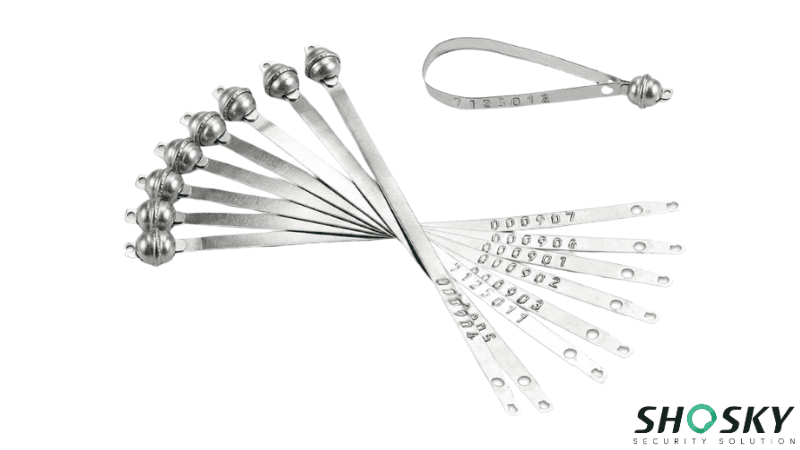
Metal strap seals provide immediate visual tamper evidence and moderate physical resistance. Because they are highly cost-effective while still requiring heavy cutting tools for removal, they are the absolute optimal choice for high-volume domestic routing.
Logistics managers should actively specify metal straps for the following operational workflows:
- High-Frequency Multi-Drop Routes (LTL): Ideal for regional distribution networks or retail “milk runs” where drivers must repeatedly cut and replace seals throughout a single shift, requiring rapid, fatigue-free application.
- Extended-Dwell Staging: Protecting bulk cargo that is parked for days or weeks in unsecured regional staging yards or outdoor depots, where weather resistance is required but high-level maritime barrier protection is not legally mandated.
- Secondary Access Control Points: Securing utility hatches, internal warehouse transfer totes, and liquid flow valves that require strict visual tamper evidence but possess restrictive or irregular locking holes that cannot accommodate heavy bolt pins.
By deploying metal straps across these specific operational workflows, your logistics network maximizes its security budget without over-engineering the physical protection level.
Where NOT to Use Metal Strap Seals
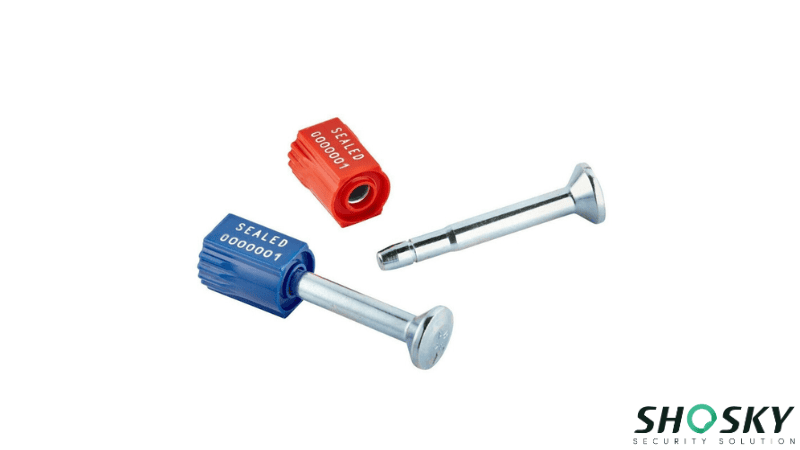
You must never use a flat metal strap seal to secure an intermodal container bound for international border crossings. Metal strap seals are structurally incapable of achieving the High Security (H Class) barrier rating required by global maritime laws and strict 2026 border policies.
Here are the specific reasons they fail international compliance checks:
- Insufficient Tensile Strength: International laws dictate that a compliant barrier seal must withstand a minimum of 10.0 kN (2248 lbs) of tensile pull force. A standard flat metal strap is designed to yield well below this threshold to allow for rapid warehouse removal.
- C-TPAT Quarantine Violations: United States Customs and Border Protection strictly mandates H Class bolt seals for all incoming ocean freight. Arriving at a port with a metal seal will instantly result in your container being flagged, quarantined, and subjected to expensive mandatory X-ray scanning at your expense.
To prevent disastrous border delays during international export operations, you must upgrade your hardware to heavy-duty bolt seals.
Metal Strap Seals vs Plastic Seals: Which Protocol Is Better?
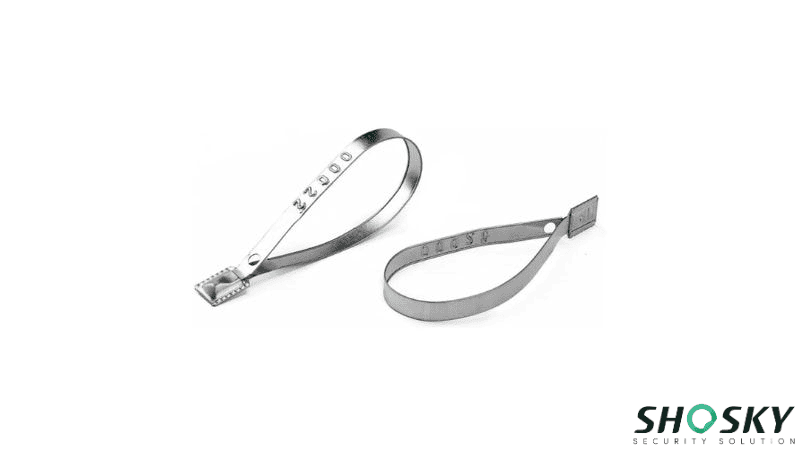
Both metal strap seals and plastic security seals play important roles in cargo protection, but engineers design them for entirely different risk levels and physical operating environments.
Plastic seals are extremely lightweight, highly economical, and easy to apply rapidly. They are widely and successfully used for the following low-risk operational sectors:
- Tote boxes and internal inventory transfers
- Retail distribution
- Low-risk, short-distance movements where rapid deployment speed matters above absolute physical security
One severe limitation worth noting is that standard plastic materials become highly brittle in freezing temperatures or soften dangerously under prolonged heat exposure. This chemical reality makes them less reliable in demanding outdoor environmental conditions.
Metal strap seals, constructed from thick galvanized steel, tinplate, or stainless steel, provide a vastly higher level of physical durability and tamper resistance to companies. They maintain their locking performance across the following high-stress scenarios:
- Harsh weather conditions and extreme temperature fluctuations.
- Rough physical handling environments and high-vibration transits.
- Long-distance cross-country transportation routes.
- High-value cargo, bulk tanker security valves, and heavy rail freight transport.
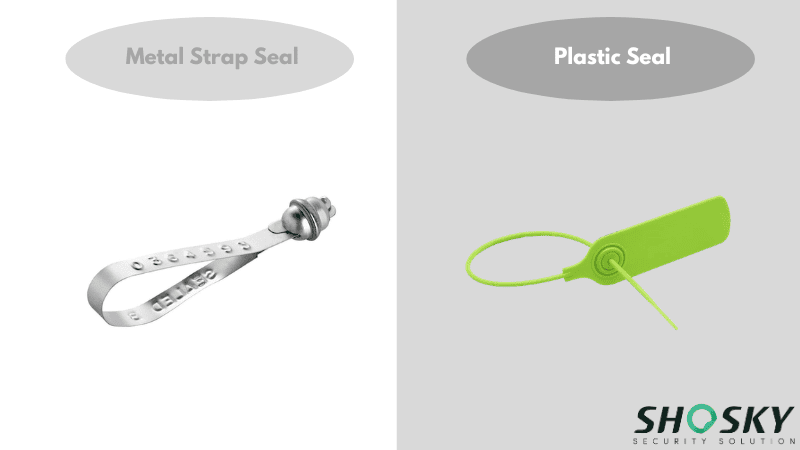
The following comparison matrix highlights the core operational differences between the two materials:
| Feature | Metal Strap Seals | Plastic Security Seals |
|---|---|---|
| Material Strength | High | Moderate |
| Temperature Resistance | Excellent | Moderate |
| Corrosion Resistance | High (depending on material) | High |
| Tamper Visibility | Excellent | Good |
| Suitable for Heavy Freight | Yes | Limited |
| Cost | Moderate | Low |
For high-value cargo, tanker security, rail transport, and outdoor logistics operations, metal strap seals typically provide far better long-term reliability. Plastic seals remain an excellent secondary choice strictly when cost efficiency and rapid inventory changes are the primary daily concerns.
How to Choose the Right Metal Strap Seal for Your Operation
Selecting the exact right seal directly depends on the physical asset being protected, regional environmental conditions, and the strictly required tamper resistance level.
1. Truck Trailers and Freight Operations
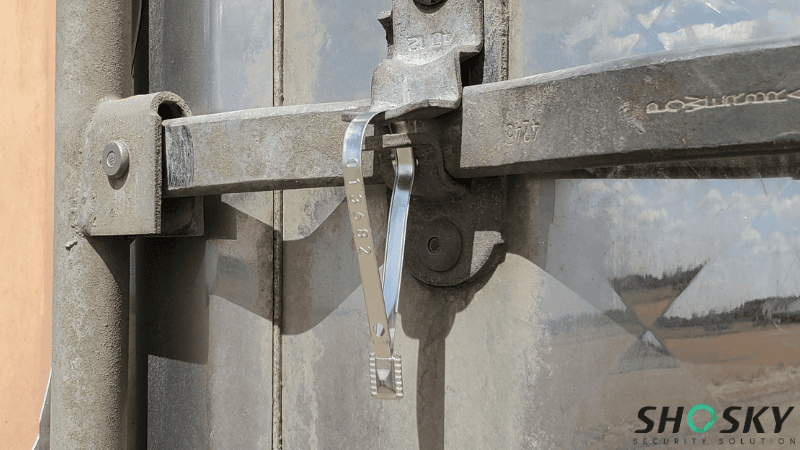
Trailer doors and freight compartments benefit from embossed metal strap seals, where large quantity loads move between nearby hubs on tight schedules, because operators can quickly verify serial numbers during inspections.
These specific seals are commonly deployed across the following networks:
- Regional freight
- Food transportation
- Distribution centers
- Warehouse transfers
Securing these rolling rear doors ensures that latch mechanisms remain immobilized throughout highway transit.
2. Railcars and Bulk Commodity Transport
Rail transport exposes equipment to vibration, weather, and long transit cycles. In many supply chains, procurement teams also track seals through the company name linked to each shipment record. Metal strap seals provide durability and remain visible after extended exposure.
Typical rail applications include the following sectors:
- Grain logistics
- Mining shipments
- Chemical freight
- Bulk commodity transport
The tensile strength of steel straps prevents rail doors from vibrating open during high-speed transit.
3. Shipping Containers and International Trade
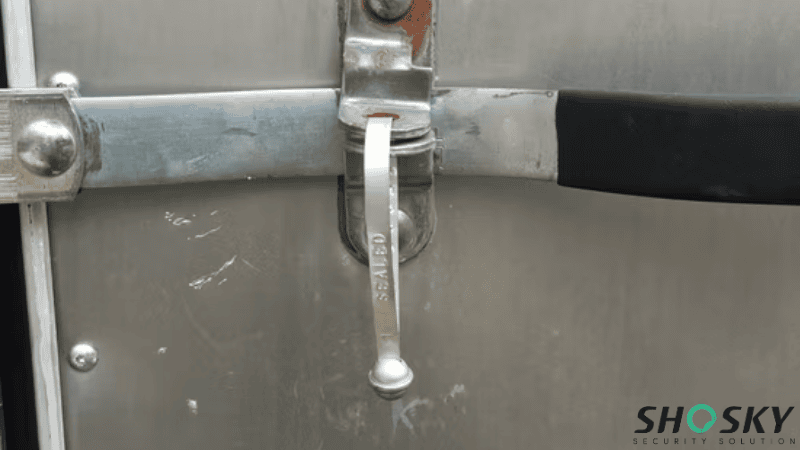
Metal strap seals can protect secondary access points and container-related assets. However, international container movements often require ISO 17712 high-security bolt seals. Procurement teams should confirm destination requirements before specifying seal types.
These heavy-duty seals are commonly used in the following global applications:
- Export container shipments
- Cross-border freight operations
- Customs-controlled cargo
- High-value industrial products
Always verify maritime and regional compliance regulations before sealing international ocean freight.
4. Tankers, Valves, and Utility Equipment
Tanker hatches and utility access points often require compact seals capable of fitting narrow locking holes. Metal strap seals provide visible tamper indication without adding operational complexity.
Common industrial use cases include the following:
- Fuel systems
- Valve protection
- Chemical transport
- Utility infrastructure
Resisting aggressive solvents and cleaning agents is a primary benefit in these petrochemical environments.
How to Apply and Inspect Metal Strap Seals: Industry Standard Explained
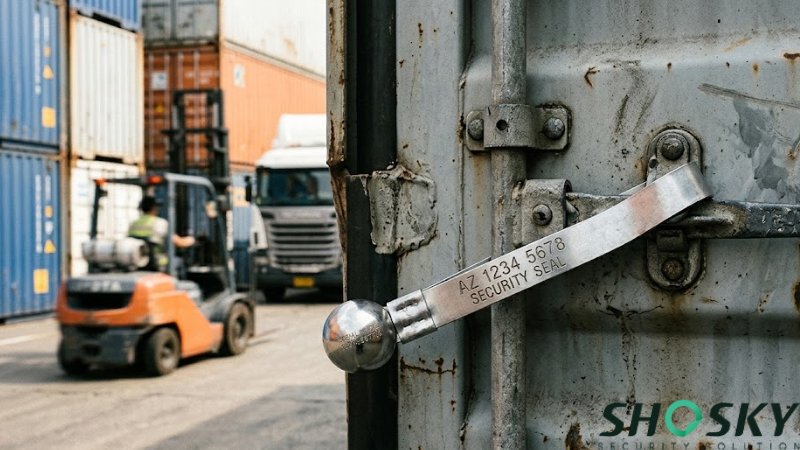
Correct installation is just as important as selecting the right seal. A poorly applied seal creates a false sense of security and leaves your cargo vulnerable. Here are the basic steps used across logistics and warehouse operations to apply and inspect metal strap seals in a consistent and reliable way.
Application Protocol
Warehouse dispatchers and drivers must execute the following sequence to apply the seal correctly:
- Thread the strap through the designated locking point, ensuring the path is clear of debris.
- Fully insert the strap into the locking head until it audibly clicks.
- Perform a firm tug test to confirm positive internal spring engagement.
- Record the embossed seal serial number on the Bill of Lading and Shipping Manifest before vehicle dispatch.
Many truck seals feature a fixed length design, meaning the seal locks at a predetermined size without adjustment. The serial number recorded on the shipping documents becomes the ultimate reference used by receiving personnel to verify the chain of custody and detect unauthorized access during transit.
Arrival Inspection Protocol
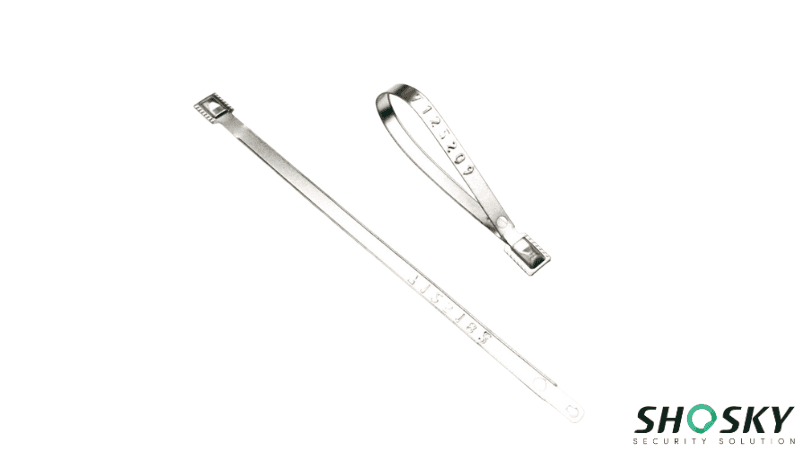
When a shipment arrives at the destination dock, receiving inspectors should follow this strict verification process:
- Check the physical embossed numbering for accuracy.
- Verify that the digits perfectly match the consecutive numbering records on the Bill of Lading.
- Look for unnatural scratches, deep cuts, or bending along the strap body.
- Inspect the spherical locking head for signs of prying or tampering.
- Confirm the load remains properly sealed before authorizing the unloading process.
Metal seals show clear physical evidence if someone attempts unauthorized access. Any scratches or deformations must be treated as a compromised load and quarantined immediately for auditing.
Safe and Compliant Seal Removal
The seal is designed to stay permanently locked after application, so it cannot be opened or reset. To prevent workplace injuries and preserve forensic evidence, operators must follow this safe removal sequence:
- Verify the serial number matches the receiving log one final time before making any cuts.
- Position heavy-duty tin snips firmly on the metal strap as close to the spherical locking head as possible.
- Apply steady manual pressure and execute a clean, controlled cut to separate the strap without creating jagged shrapnel.
- Collect both destroyed halves of the seal and log them into the compliance archive to prevent physical duplication by bad actors.
Following these strict disposal protocols helps maintain full traceability and supports internal compliance checks during logistics security audits.
FAQs
Can metal strap seals survive sub-zero freight logistics?
Yes. Our heavy-duty galvanized steel strap seals are physically engineered to remain structurally sound in sub-zero temperatures. This completely eliminates the catastrophic snapping failures commonly associated with standard plastic alternatives during severe winter transits.
What is the exact tensile strength of your security strap seals?
Our security-grade flat metal strap seals withstand a minimum of 2,248 lbs (10.0 kN) of tensile pull force. This precise specification exceeds standard domestic compliance requirements for regional trucking, rail freight, and heavy bulk tanker transport operations.
Do metal strap seals comply with ISO 17712 and C-TPAT?
Metal flat seals primarily meet the Indicative or Security classifications under the ISO 17712 standard. However, C-TPAT strictly mandates High-Security (H-Class) bolt seals for primary international container doors. Strap seals should be utilized strictly as secondary visual indicators for cross-border ocean freight.
What should receiving docks do if the metal seal number does not match?
Stop unloading operations immediately. Document the exact numerical discrepancy with high-resolution photographs and preserve the cut seal carcass. Report the incident directly to your logistics carrier and insurance provider within 24 hours to secure absolute cargo liability.
Protect Your Logistics Network with Shosky’s Solutions
Implementing metal strap seals is a critical mechanical requirement for mitigating severe financial loss and protecting brand reputation in high-risk overland logistics. From high-yield tinplate construction to deep embossed permanent numbering, deploying the precise physical defense ensures total product accountability from your loading dock to final delivery.
Whether you need metal strap seals for truck fleets, rail freight, tankers, or warehouse operations, Shosky Security offers customizable tamper-evident sealing solutions with embossed numbering, barcode options, and bulk ordering support. Contact our team today to discuss the right cargo security solution for your operation.