
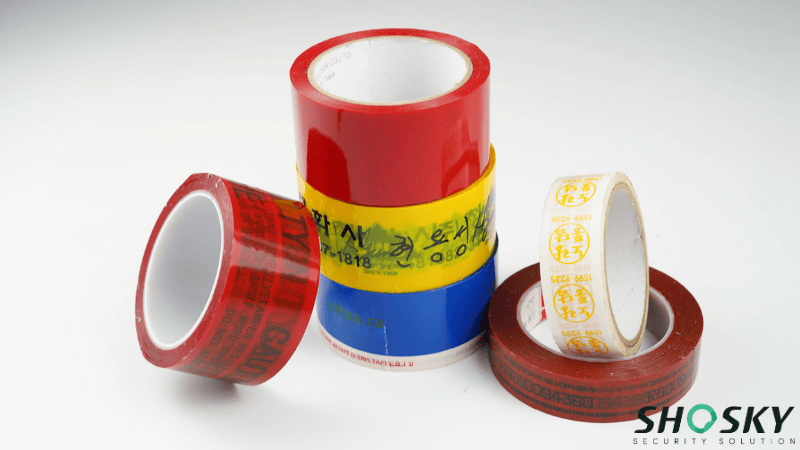
Industry testing data shows that many standard acrylic tapes begin to lose tack below glass transition thresholds, often around 0°C to 10°C for common formulations, while rubber adhesives can weaken under heat due to softening and adhesive flow. Temperature extremes create one of the most overlooked risks in packaging security.
Supply chains rarely stay in one climate. A single shipment may pass cold storage, outdoor loading zones, and high-temperature transport in the same cycle. Each shift puts sealing performance under pressure. In this article, we will break down the materials science behind extreme-environment security tapes and explain how to choose the right product for high-risk logistics environments.
The Baseline Material Science: Acrylic vs Rubber Adhesive Tapes Performance
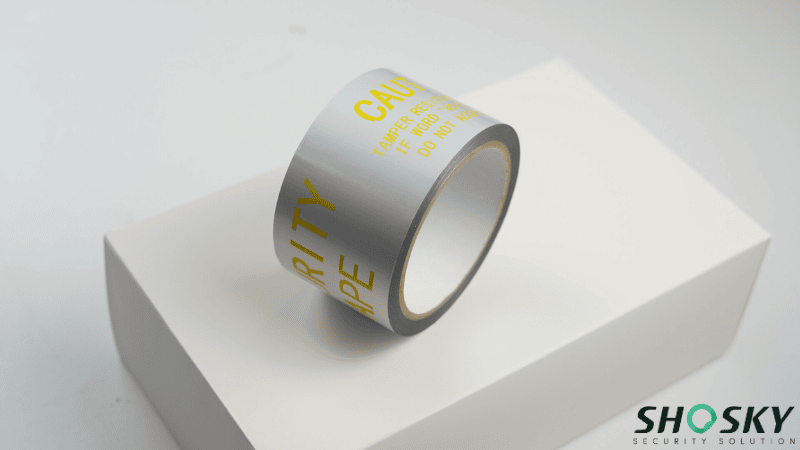
Most adhesive tapes used for sealing rely on either synthetic rubber or solvent-based acrylic adhesive. Their performance in extreme environments differs significantly when exposed to thermal stress.
Synthetic rubber-based adhesive tapes deliver quick initial grip. However, that speed comes with severe limits under temperature and pressure. When exposed to harsh conditions, rubber adhesives exhibit several critical failure points.
- Adhesive Softening: The adhesive layer can soften and begin to bleed in high heat, ruining the packaging surface and causing delays.
- Thermal Brittleness: It loses absolute flexibility and may crack during removal in low temperatures, causing false tampering alarms at receiving docks.
- Void Pattern Degradation: Void patterns become unclear after severe stress, which severely weakens visual security checks.
These inherent chemical weaknesses force procurement teams to seek more resilient alternatives that can survive unpredictable transit environments without compromising the legal chain of custody.
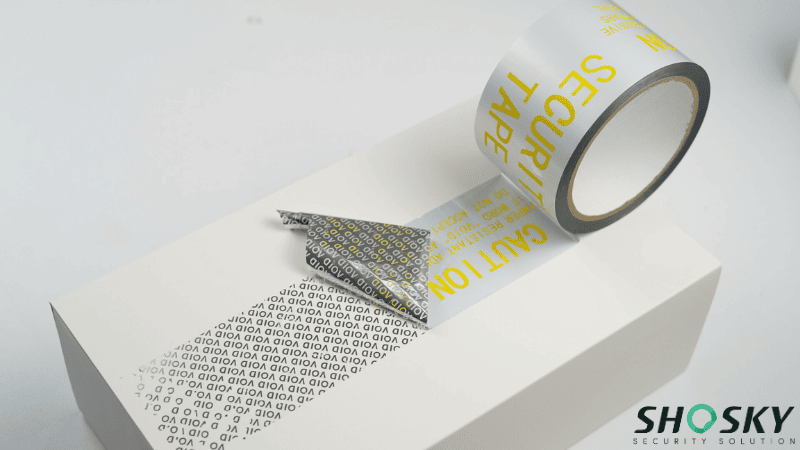
To overcome these physical limitations, professional operations utilize solvent-based acrylic adhesive. It works through a slower bonding process and builds strength over time instead of sticking instantly. This precise chemical engineering provides significant commercial advantages.
- Progressive Bond Strength: The bond strength increases dynamically as the adhesive fully sets, establishing a permanent lock on the carton.
- Thermal Stability: It holds completely steady across both high and low temperatures, eliminating edge lifting during transit.
- Industry Compliance: It stays exceptionally reliable in aerospace, pharmaceutical, and industrial settings where absolute consistency matters.
Surface energy also affects performance. High surface energy metals allow stronger contact, while frosted glass, coated plastics, and high-density polyethylene are more difficult surfaces. A properly designed acrylic base ensures a stronger molecular bond across this wider variety of surfaces.
This is why adhesive choice should never be treated like a simple fastener decision.
Engineering for Extreme Cold Temperatures: Low Temperature Security Tape Mechanics
Cold chain logistics require security tape that works precisely when standard adhesives fail. The main issue starts at the Glass Transition Temperature (Tg). Once an adhesive drops below this point, the polymer loses flexibility and becomes brittle like glass. Standard synthetic rubber adhesives often reach this limit between 10°C and 20°C, failing long before freezer storage temperatures of -18°C to -40°C.
When standard adhesives break down under extreme cold, several catastrophic logistics problems occur immediately.
- Adhesive Shattering: The rubber adhesive freezes and loses elasticity, causing the tape to snap or pop off the carton during normal warehouse handling.
- Condensation Failure: Standard adhesives cannot penetrate the moisture barriers formed by freezing condensation, preventing any real bond to the carton surface.
- Void Pattern Destruction: As the brittle adhesive cracks, the tamper-evident void pattern becomes unreadable after repeated freeze-thaw cycles.
Quality low-temperature tapes rely on engineered acrylic formulations that resist this thermal brittleness. The chemistry maintains absolute flexibility down to -20°C or even -30°C, ensuring the tape handles thermal contraction and resists condensation. Every component has been optimized for sub-zero sealing.
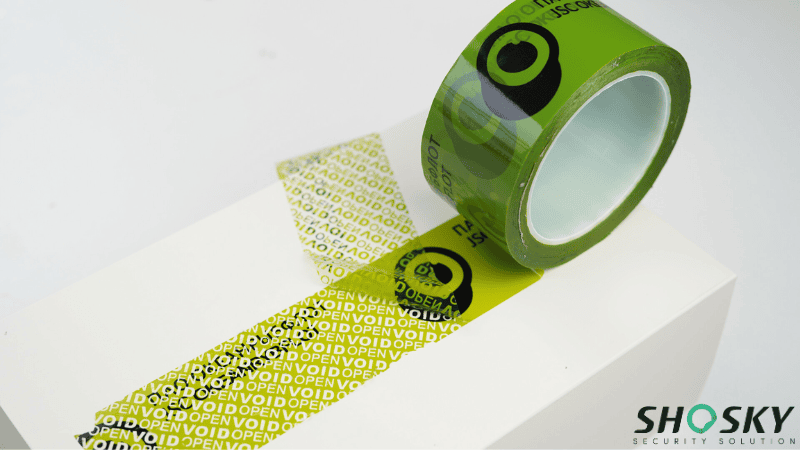
The table below demonstrates how engineered cold chain acrylic adhesives maintain performance across the temperature extremes that destroy standard tape formulations.
| Property | Standard Rubber | Basic Acrylic | Cold-Chain Acrylic |
|---|---|---|---|
| Glass Transition Temperature (Tg) | 10–20°C | 5–10°C | −20 to −30°C |
| Flexibility at −20°C | Failed (brittle) | Compromised | Full performance |
| Condensation Penetration Time | >60 seconds | 30–45 seconds | <15 seconds |
| Moisture Absorption | High (swells) | Moderate | Minimal |
| Room Temperature Cure Time | <5 minutes | 10–20 minutes | 30–60 minutes |
| Bond Strength at −40°C | <0.5 N/cm | 1.5 N/cm | >3.5 N/cm |
| Void Pattern After 10 Freeze-Thaw Cycles | Illegible | Fading | Fully intact |
Translating these laboratory metrics into operational success reveals exactly how the tape engineered for extreme cold temperatures works through 3 key mechanisms.
- Cryogenic polymer: Cryogenic polymer flexibility maintains molecular elasticity that accommodates thermal contraction differences, keeping the tape bonded when temperatures plummet and preserving the void pattern through weeks in deep freeze
- Condensation-dispersing: Condensation-dispersing tack penetrates moisture barriers within seconds, displacing water molecules to bond directly to the carton surface before condensation freezes solid
- Delayed crystallization: Delayed crystallization allows warehouse application in standard staging areas, with slow 30–60 minute curing at normal temperature, achieving sufficient polymerization before the temperature drops
By leveraging these chemical properties, procurement managers ensure that their cold chain inventory remains perfectly sealed and legally auditable from the warehouse to the final medical facility.
Engineering for Extreme Heat: High Temperature Tamper Evident Labels
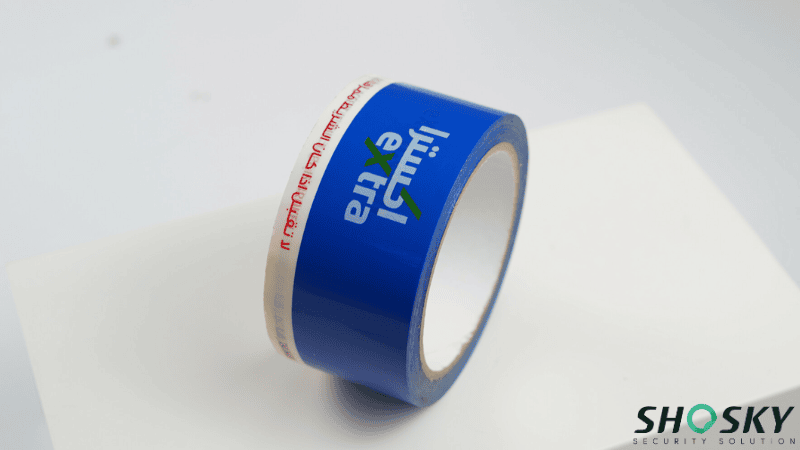
Heat presents the opposite problem from cold. While cold makes adhesives brittle, extreme heat makes them flow. Tropical shipping containers and desert staging grounds expose tapes to sustained temperatures that cause inferior adhesives to melt and lose structural integrity entirely.
When standard adhesives break down under extreme heat, several catastrophic logistics problems occur immediately.
- Adhesive Liquefaction: The glue liquifies and seeps from beneath the tape edges, contaminating the shipment and attracting dirt.
- Void Pattern Destruction: The hidden voiding pattern that proves tampering becomes completely destroyed and unreadable.
- False Tampering Alarms: The tape appears compromised even when no actual tampering has taken place, leading to rejected deliveries.
Quality high-temperature tapes rely on engineered acrylic formulations that resist this thermal degradation. The chemistry prevents the polymer from melting while maintaining sufficient flexibility to remain bonded to the packaging. Every component has been optimized for heat exposure.
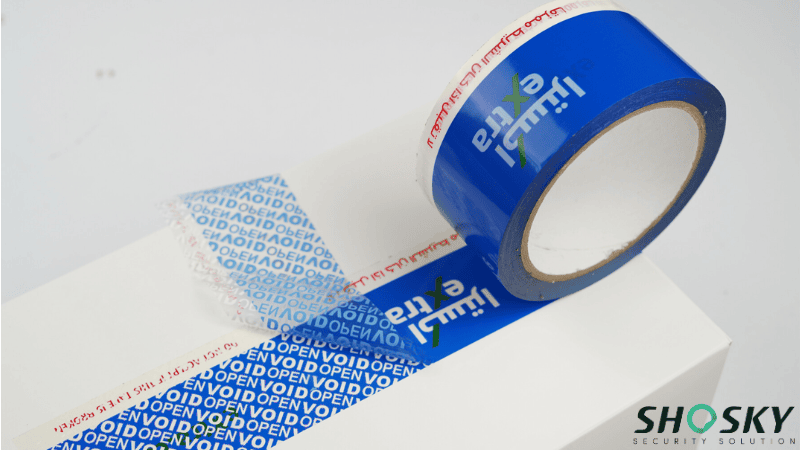
The following table shows how engineered high-temperature acrylic formulation methods outperform standard adhesives across critical performance metrics when exposed to extreme heat environments.
| Property | Standard Rubber | Basic Acrylic | High-Heat Acrylic |
|---|---|---|---|
| Softening Point | 40–60°C | 50–70°C | 80–120°C |
| Adhesive Flow at 70°C | Severe (oozing) | Moderate (edge separation) | Minimal |
| Void Pattern Clarity After Heat | Smeared (illegible) | Fading visible | Fully intact |
| Thermal Cross-Link Stability | Poor (chains separate) | Fair (some integrity loss) | Excellent (structure maintained) |
| Shear Strength at 80°C | <1 N/cm | 2 N/cm | >4 N/cm |
| UV Resistance (500-hour exposure) | Significant fading | Moderate fading | <5% color loss |
| Long-term Adhesion at 60°C | Failure (weeks) | Moderate (months) | Reliable (years) |
The engineering behind these metrics guarantees that your packaging remains highly secure even inside baking intermodal shipping containers. The tape engineered for extreme heat temperatures works through the following advanced chemical defenses.
- Thermal cross-linking: Thermal cross-linking forms strong bonds between polymer chains that hold under heat instead of breaking down. The structure stays stable near 100°C and keeps the void pattern visible during hot transit.
- High shear adhesion: It prevents softening and edge seepage. It keeps the tape fixed on carton surfaces, reduces dust buildup, and limits residue issues in busy warehouse environments with wires and heavy handling.
- UV-resistant substrates: UV-resistant substrates protect printed numbers and barcodes from fading. Additives absorb UV exposure before it damages markings, supporting ISO traceability needs and lowering tracking errors for customers operating in high-heat supply chains.
Deploying high-temperature tape prevents the operational delays that occur when entire pallets are flagged by quality control simply because the cheap adhesive melted during a hot transit route.
The Sourcing Audit Checklist for Thermal Security Tapes
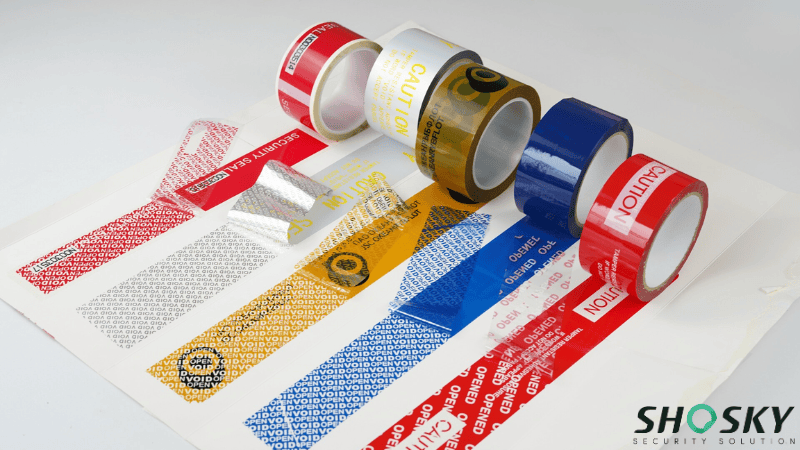
Choosing security tape for extreme environments should never depend only on a product brochure. Many suppliers claim high heat resistance or low-temperature sealing, but the real performance of these tamper-evident solutions must be verified through testing, storage controls, and application data.
Procurement teams and businesses need to look beyond basic specifications and check how the tape performs across the full supply chain. A tape that works in normal warehouse conditions may still fail during freezer storage, desert transit, or long outdoor delivery cycles.
Before selecting a thermal security tape, buyers should review these crucial parameters.
- Environmental Chamber Verification: Demand certified lab reports showing adhesive performance across simulated thermal cycles and freeze-thaw data proving void patterns remain visible, and bond strength stays intact.
- Application Temperature Auditing: Differentiate between the temperature needed during application versus the maximum temperature the tape can withstand after curing. A tape applied at 20°C might function at minus 40°C once cured, but freezer application produces different results.
- Shelf Life Stability Validation: Require climate-controlled storage documentation from your supplier to prevent adhesive degradation before the tape reaches your warehouse. Suppliers storing inventory in uncontrolled conditions sell partially degraded product from day one.
Request these documents during the qualification phase, and include them in any supply agreements so you have contractual backing if performance fails to match specifications.
Suppliers who cannot provide this documentation are either unwilling to stand behind their products or lack the engineering rigor to generate reliable data. Either way, they are not the right partner for extreme environment sealing.
FAQs
What is the best adhesive for low-temperature security tape?
Solvent-based acrylic adhesives are the industry standard for low-temperature security tapes. Unlike synthetic rubber that becomes brittle and shatters in cold environments, engineered acrylic formulations maintain their molecular elasticity and preserve tamper-evident void patterns even in sub-zero deep freeze conditions.
Why do standard security tapes fail in high-heat logistics?
Standard security tapes often rely on basic rubber adhesives that have a low softening point. When exposed to high heat in tropical shipping containers, the adhesive liquifies and seeps out from the edges, completely destroying the hidden void pattern and triggering false tampering alarms upon delivery.
What is dwell time in a security tape application?
Dwell time refers to the required period a high-performance acrylic tape must remain at room temperature after application to build its maximum chemical bond. Skipping this step and moving cartons immediately into extreme cold or high heat environments will prevent the adhesive from setting properly.
Connect with Shosky When Temperature Extremes Demand Reliable Sealing
Temperature extremes and changes create constant stress on packaging systems. Adhesives expand, contract, soften, or become brittle depending on exposure. Without proper engineering, sealing performance drops, and tamper evidence becomes unreliable in transit or storage.
At Shosky Security, we specialize in tamper-evident solutions designed for both low-temperature and high-temperature applications. Our engineered tapes support industrial packaging needs where stability is critical. Reach out to us to discuss your requirements and secure packaging performance across demanding supply chains.