
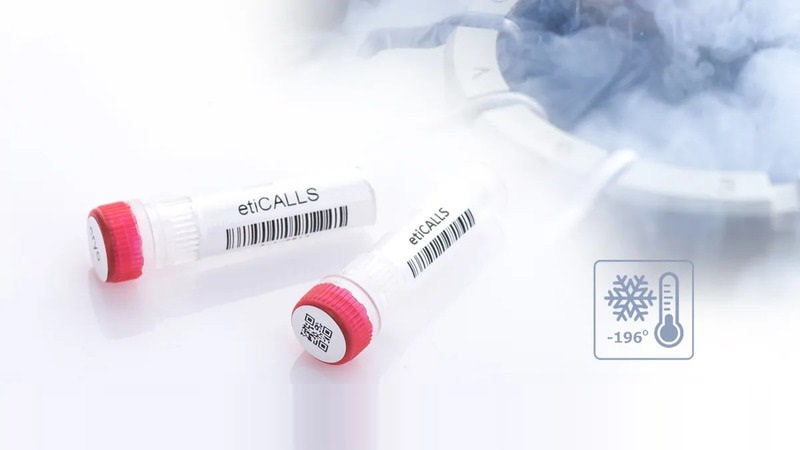
The global cold chain logistics market, valued at billions of dollars, is constantly in battle with tampering, theft, and counterfeiting. With temperature-sensitive products requiring specialized handling and storage conditions, traditional security measures often fall short of providing the comprehensive protection needed in these complex supply chains.
In this regard, modern tamper-evident label solutions have emerged as major advancements in this space, offering innovative ways to secure cold chain shipments. In this article, we’ll discuss their role in protecting temperature-sensitive goods, ensuring compliance, and strengthening overall supply chain integrity. Let’s get to it.
Why Standard Security Labels Fail in the Cold Chain?

To choose the right solution, you must first understand the physics behind why standard labels fail. Failure of a security label in a refrigerated environment is usually due to thermodynamic adhesion.
The “Glass Transition” of Adhesives
Standard pressure-sensitive adhesives (used in office supplies or standard shipping labels) are viscoelastic liquids. They work by “wetting out” or flowing into the microscopic texture of the package surface to create a bond.
However, every adhesive has a Glass Transition Temperature (Tg). When the ambient temperature drops below this Tg point, the adhesive stops acting like a sticky liquid and turns into a hard, non-tacky solid.
In this state, it loses its ability to bond. If a standard label is applied in a cold room, it simply won’t stick. If it is applied at room temperature and then frozen, the adhesive may crystallize and pop off as the packaging material shrinks in the cold.
The Barrier of Condensation and Frost
Moving goods between temperature zones (e.g., from a loading dock to a refrigerated truck) creates condensation. Even a microscopic layer of water or ice crystals on a package surface acts as a barrier.
Standard water-based acrylic adhesives cannot penetrate this moisture barrier. They sit on top of the water droplets rather than the package surface. When the water eventually freezes or evaporates, the label falls off.
Furthermore, moisture can “deaden” the release coating used in tamper-evident labels. Even if the label sticks, the moisture may prevent the “VOID” pattern from separating correctly when peeled, rendering the security feature useless.
Ready to Get Tamper-Evident Labels for Your Cold Chain?
Start With A Low Minimum Order Quantity
3 Key Tamper-Evident Label Types for Refrigerated & Frozen Goods
To combat these issues, you need labels engineered with specialized face stocks and aggressive adhesives.
1. Cryogenic / Freezer-Grade Void Labels

These are the absolute gold standard for high-value pharmaceutical and biotech shipments. They utilize aggressive, solvent-based acrylic adhesives designed to maintain extreme tackiness even at devastatingly low temperatures.
-
Operational Mechanism: Unlike standard water-based adhesives, solvent-based options flow aggressively into the substrate surface and resist freezing down to -40°C, -80°C, or even -196°C in liquid nitrogen environments.
-
Flexible Substrates: Utilizing synthetic films like polypropylene prevents the face stock from shattering or becoming dangerously brittle in deep freeze conditions.
-
Best Applications: Securing mRNA vaccines, blood plasma, clinical trial samples, and high-value frozen food exports.
Investing in certified cryogenic labels guarantees that your tamper-evident VOID message will reliably trigger upon removal, regardless of how extreme the transit environment becomes.
2. Moisture-Resistant Destructible Labels
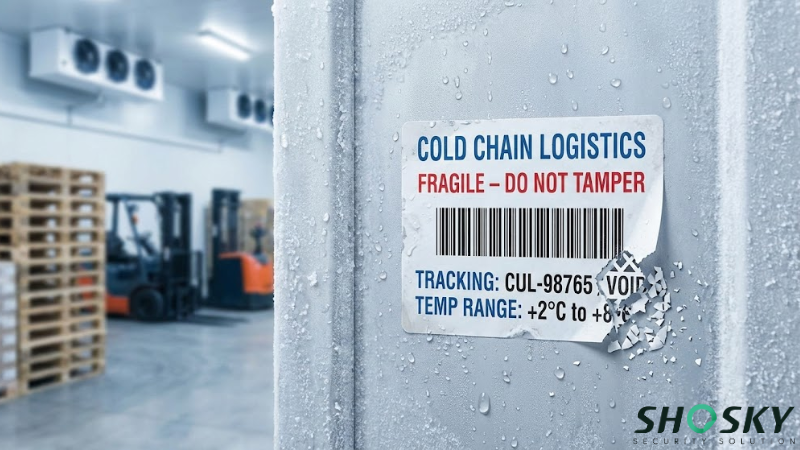
Standard destructible vinyl works by being incredibly fragile, shattering like an eggshell when removed. However, standard paper-based versions turn to mush when exposed to heavy condensation. Advanced cold chain destructible labels solve this by utilizing highly fragmentable synthetic films.
-
Waterproof Architecture: These materials are completely dimensionally stable and will never warp or dissolve when exposed to high humidity or direct condensation.
-
High-Friability Security: The structural integrity is intentionally engineered to be weak enough that any attempt to lift the label causes it to chip away in tiny, irreparable fragments.
-
Best Applications: Chilled beverages, dairy product crates, and meal kit logistics where heavy condensation is mathematically guaranteed.
This provides an incredibly cost-effective security solution for medium-risk refrigerated goods that undergo constant temperature fluctuations during last-mile delivery.
3. Temperature Indicator Security Labels
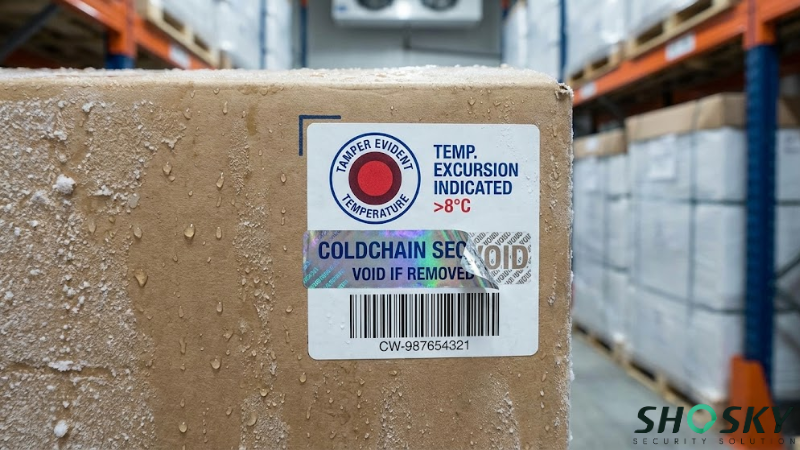
For the ultimate in compliance, some advanced labels combine tamper evidence with temperature monitoring. These labels feature a chemical indicator that changes color irreversibly if the temperature deviates from a set range (e.g., rising above 8°C), while the label itself provides proof against physical tampering.
- The Mechanism: These labels contain a chemical window that changes color irreversibly (e.g., from white to red) if the temperature exceeds a safe threshold (Time-Temperature Integrators or TTIs). This is combined with a tamper-evident base.
- Best Application: Biologics and sensitive chemical reagents, where “safety” means both authenticity and efficacy.
Deploying these dual-action indicators instantly alerts receiving facilities to compromised shipments, fundamentally preventing catastrophic patient outcomes and massive regulatory fines.
How to Choose the Right Label for Your Cold Chain Logistics?
Selecting a cold chain label is more complex than buying standard office supplies. You must analyze your specific logistical workflow. Use this framework to determine your requirements.
Factor 1: Application Temperature vs. Service Temperature
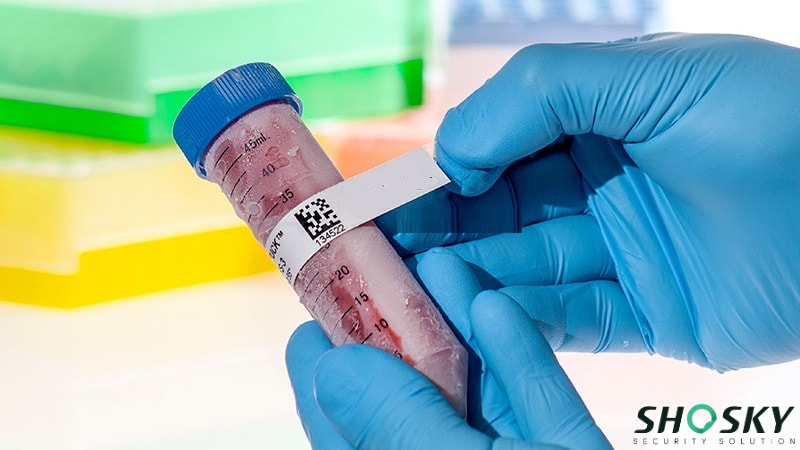
This is the most commonly misunderstood technical specification by procurement teams. You must clearly distinguish between the ambient temperature at the exact moment of application and the extreme storage conditions the label will ultimately endure.
-
Standard Application: Labeling boxes at room temperature at +20°C before moving them into deep freeze storage allows for standard aggressive adhesives.
-
Active Freeze Application: Labeling packages that are already frozen solid at -20°C inside a freezer requires highly specialized All Temp adhesives engineered to grip active frost instantly.
-
Extreme Service Endurance: If the final storage environment involves liquid nitrogen, standard freezer labels will instantly shatter, requiring designated cryogenic polymers.
Failing to specify these exact thermal timelines guarantees massive physical detachment rates before the cargo even leaves your primary loading dock.
Factor 2: The Substrate (Surface Energy)

The physical material of your packaging directly dictates the required chemical composition of your adhesive. Adhesives react drastically differently to porous cardboard compared to smooth glass.
-
Porous Corrugated Cardboard: These materials absorb moisture rapidly and become icy in freezers, requiring a high coat weight adhesive that aggressively flows deep into the paper fibers.
-
Low Surface Energy Plastics: Materials like shrink wrap and plastic pallets are incredibly slippery. They absolutely require high tack rubber or modified acrylic adhesives to prevent the seal from sliding off in the cold.
-
Curved Glass Vials: Rigid face stocks will immediately lift at the edges on small curved surfaces, demanding highly flexible synthetic film face stocks to maintain the physical bond.
Matching the adhesive chemistry directly to your packaging substrate completely eliminates the risk of security seals flagging or tunneling during long haul transport.
Factor 3: Security Level Requirements
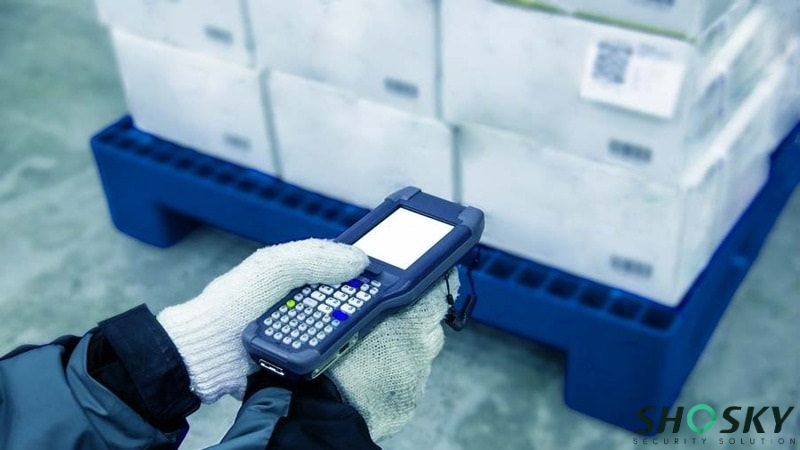
Different cold chain products demand heavily varying levels of forensic security based entirely on their financial value and clinical sensitivity.
-
High Risk Pharmaceuticals: Extreme value shipments require Total Transfer void labels that leave a permanent messy residue on the box, combined with mandatory serialized barcodes.
-
Medium Risk Food Logistics: Reusable crates and totes often utilize Non-Residue void labels that provide visual tamper evidence without forcing warehouse staff to scrape off frozen glue during the cleaning process.
-
Custom Holographic Integration: For absolute brand protection, integrating proprietary holograms directly into the thermal label physically prevents counterfeiting syndicates from cloning your packaging.
Calibrating your security level to the actual cargo risk profile ensures maximum supply chain protection without unnecessarily inflating your daily operational packaging budget.
Regulatory Compliance for Cold Chain Logistics
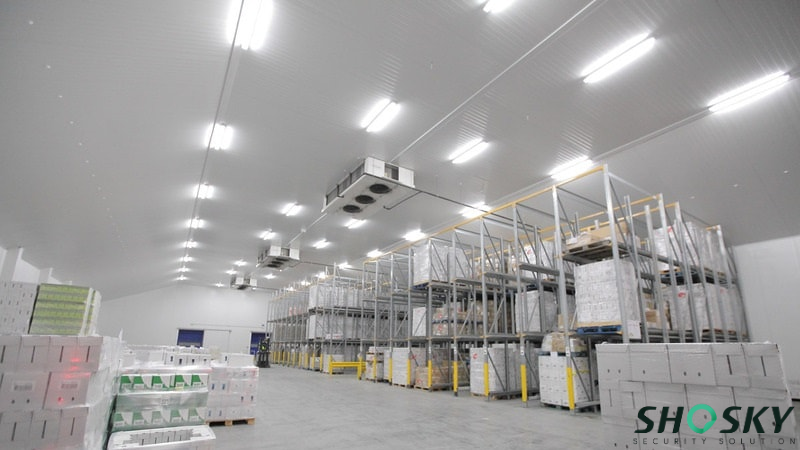
In global cold chain logistics, security is not just about financial loss prevention; it is a strict federal regulatory requirement. Deploying the correct tamper-evident labeling is a mandatory prerequisite for operating in heavily regulated sectors.
-
Good Distribution Practice (GDP): Enforced by the EMA and WHO, GDP mandates interoperable electronic tracing. Cold chain security labels act as the physical carrier for this data via serialized 2D barcodes, linking physical security directly to digital truth.
-
FDA DSCSA Compliance: The US Drug Supply Chain Security Act drives the pharmaceutical industry toward full unit-level traceability. If a physical seal is broken, the unit’s digital identity in the FDA database is immediately flagged as compromised.
-
Food Safety Modernization Act (FSMA): Utilizing tamper-evident tape on pallet wrap is a federally recognized mitigation strategy to prevent “intentional adulteration” during transit.
By integrating these advanced security markers directly into your compliance strategy, your logistics network easily survives rigorous federal audits. This proactive engineering approach completely shields your pharmaceutical and food distribution channels from devastating legal liabilities and mandatory global product recalls.
How to Implement Tamper-Evident Labeling in Cold Chain Logistics
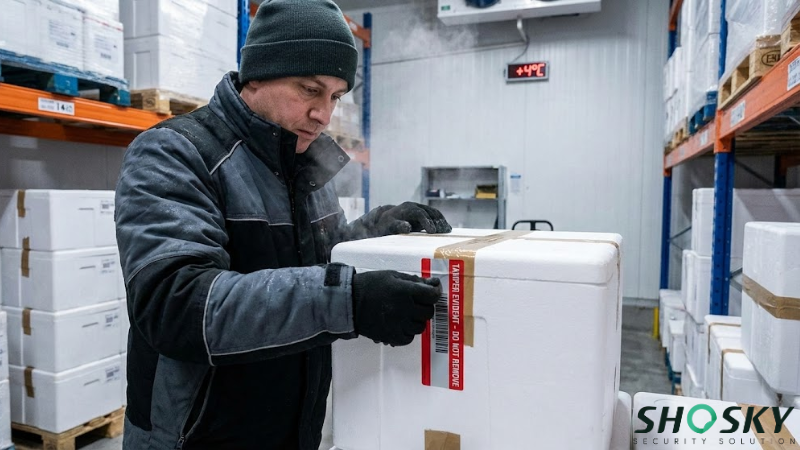
Even the most expensive cryogenic label will fail if applied incorrectly. Warehouse managers should incorporate the following Standard Operating Procedures (SOPs) for their packing teams:
1. The “Wipe-Down” Protocol
Moisture is the enemy. Even if a box looks dry, it may have a thin film of frost. Before applying the label, staff must wipe the application area with a dry, lint-free cloth or a squeegee. This removes surface frost and dust, allowing the adhesive to contact the substrate directly.
2. Pressure Application Technique
Most cold chain adhesives are pressure-sensitive (PSA). They utilize microscopic capsules of adhesive that must be crushed to activate the bond. Do not just lightly pat the label. Apply firm pressure across the entire surface of the label, especially the edges. Use a roller tool if possible. This “wets out” the adhesive, forcing it into the surface texture before it freezes.
3. Managing “Dwell Time”
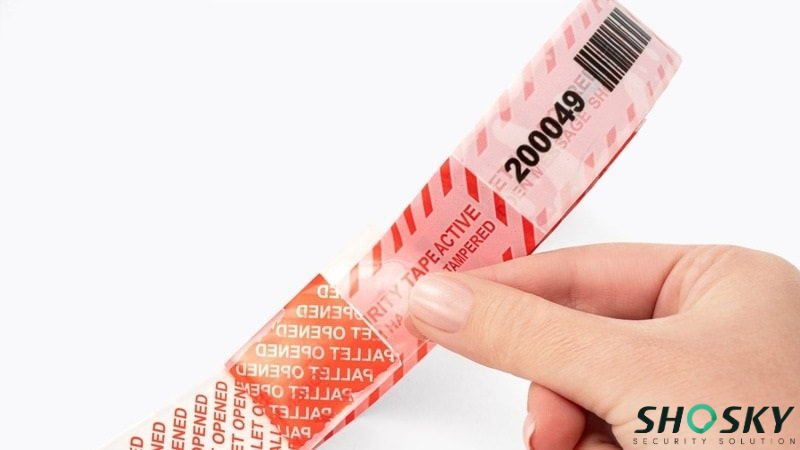
Adhesives need time to flow and set (cure). If your workflow allows, apply the security labels at room temperature and allow them to cure for 24 hours before moving the product into the deep freeze. This allows the bond to reach 100% strength. If labeling inside a freezer, ensure the label stock is kept warm (e.g., inside a jacket or heated dispenser) until the moment of application.
4. Overlap for Shrink Wrap
When securing pallets wrapped in stretch film, the film itself is unstable and shifts. Do not rely on the label sticking only to the plastic. Use extreme environment tamper-evident tape wrapped entirely around the pallet, overlapping onto itself. Adhesive bonds to its own backing better than it bonds to cold plastic.
FAQs
Q1: What is the difference between “Cryogenic” and standard “Freezer” labels?
“Freezer” labels are typically rated for -20°C to -40°C for standard food and pharma storage. “Cryogenic” labels are heavily engineered for -80°C to -196°C (dry ice, liquid nitrogen) and utilize entirely different synthetic face stocks, like nylon cloth, to prevent shattering at extreme temperatures.
Q2: Can I use standard “VOID” tape for refrigerated pallets?
No. Standard packing tape adhesive instantly hardens and loses all tack below 0°C. It can be easily peeled off by bad actors without ever triggering the hidden “VOID” security message, rendering it completely useless for cold chain defense.
Q3: Are tamper-evident labels required by law for pharmaceutical shipments?
Yes. Global regulatory frameworks, including the FDA’s DSCSA and European GDP guidelines, strictly mandate the use of physical tamper-evident barriers paired with serialized tracking to prevent unauthorized access and drug adulteration.
Eliminate Cold Chain Breaches With Shosky Factory Direct Security Labels
Tamper-evident label solutions are a vital component of cold chain logistics security, ensuring that temperature-sensitive products remain safe and intact from origin to destination. As cold chain logistics continue to evolve, investing in advanced tamper-evident labeling solutions can enhance security, streamline operations, and build trust with consumers and regulatory bodies!
At Shosky Security, we provide advanced tamper-evident labels, tapes, and seals designed to meet the unique challenges of cold chain logistics. Contact us today to explore our customizable security labels and enhance your cold chain protection!