
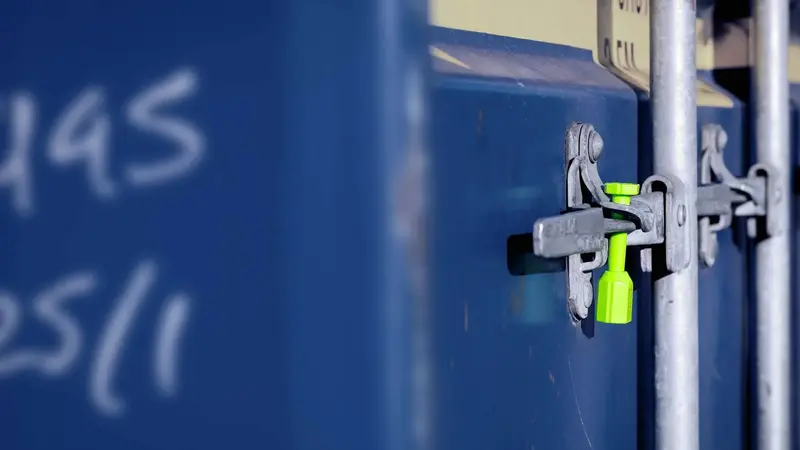
According to recent intelligence from the Transported Asset Protection Association (TAPA), incidents of strategic cargo theft in transit have surged violently, with high-value shipments being targeted directly at ports and intermodal transfer facilities. Relying on basic locks during transoceanic voyages leaves corporate assets critically exposed.
This guide details how logistics directors utilize heavy-duty container security seals to protect international shipments, maintain stringent border compliance, and secure extended applications beyond the maritime sector.
Defeating Organized Cargo Theft and Tampering on the High Seas
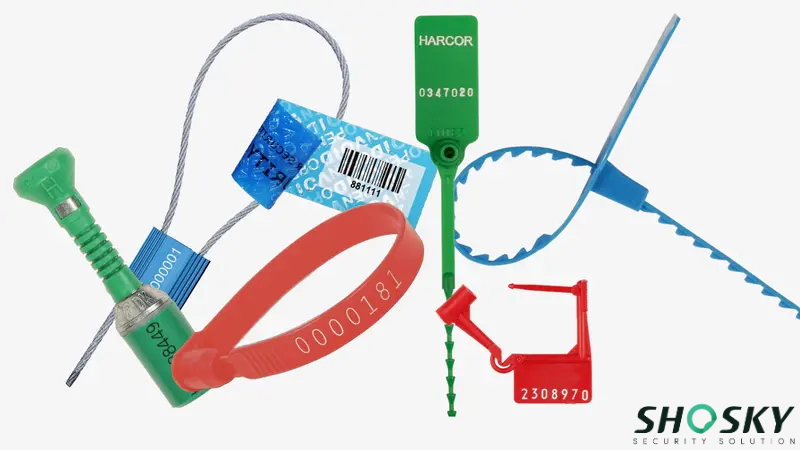
Modern cargo theft has evolved far beyond opportunistic smash-and-grab tactics. Transnational criminal syndicates now employ highly sophisticated methods to infiltrate shipping containers without raising immediate alarms at the port.
Data from the BSI Supply Chain Services and Solutions Report highlights that in-transit tampering remains the most prevalent method for extracting high-value electronics, pharmaceuticals, and luxury goods from ocean freight. To combat these advanced threats, procurement teams must understand the specific attack vectors used by criminals and how high-security seals are explicitly engineered to defeat them.
- Friction Drilling Attacks: Thieves attempt to spin standard locks at extremely high speeds to melt the internal locking rings. Premium container seals incorporate anti-spin mechanisms that completely neutralize rotational friction.
- Glue and Reassembly Tactics: Criminals carefully cut inferior seals, remove the cargo, and superglue the seal back together to fool visual inspections. Certified seals feature shatter-prone internal chambers that make undetectable reassembly physically impossible.
- Hinge and Hardware Removal: Advanced thieves bypass the seal entirely by unbolting the container door hinges. Modern security protocols dictate that seals must be applied in the lower Securacam position, forcing criminals to operate in highly visible, awkward angles.
- Counterfeit Serial Replacement: Corrupt insiders cut the seal and replace it with a visually identical spare. Genuine factory seals utilize deep laser etching and unique alphanumeric sequences to ensure that duplicate replacements are instantly flagged during manifest audits.
Addressing these specific tactical threats requires investing in heavy-duty, certified locking devices rather than relying on generic plastic ties. By forcing criminals to use heavy industrial cutting tools, you dramatically increase the likelihood that port security will detect the intrusion.
The 5 Essential Shipping Container Seals for Global Logistics
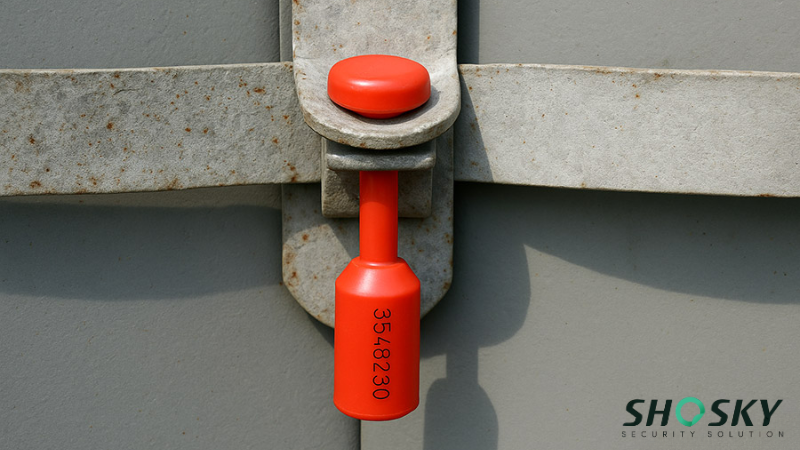
When executing a supply chain defense strategy, procurement teams must select the exact sealing mechanism tailored to their specific cargo value and transit route. Sourcing the wrong hardware leads to immediate customs rejections or severe inventory shrinkage.
To streamline your procurement process, we have categorized the top five commercial container seals based on their material structure and operational use cases.
1. Bolt Seals
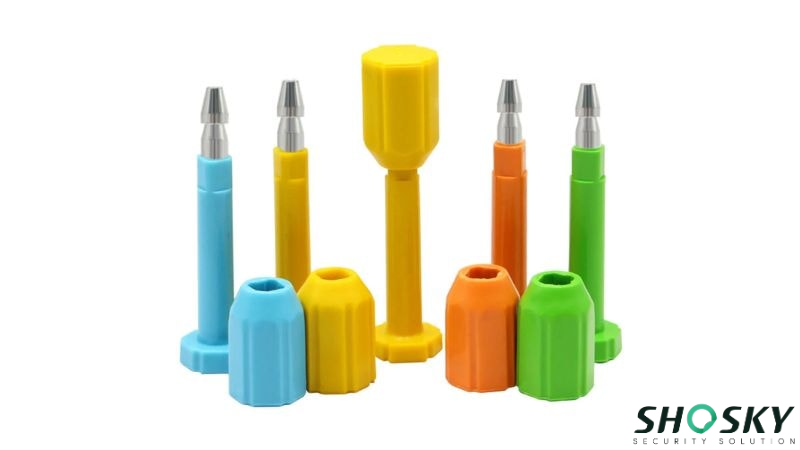
Bolt seals feature a hardened metal bolt structure that provides maximum anti-pry, anti-cut, and anti-tamper defenses. It meets the mandatory high security level required by global customs.
Primary Uses: Essential for ocean freight, high-value cargo, and customs-regulated shipping containers.
2. Cable Seals
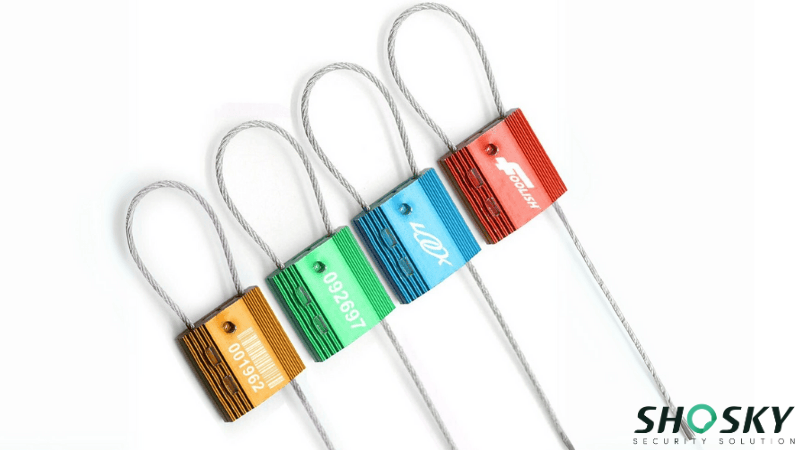
Cable seals utilize an adjustable galvanized steel wire tethered to a robust metal locking body, offering exceptional physical theft deterrence and flexibility.
Primary Uses: Highly versatile for securing standard shipping containers, overland trucks, intermodal trailers, bulk oil tankers, and returnable logistics crates.
3. Plastic Pull-Tight Seals
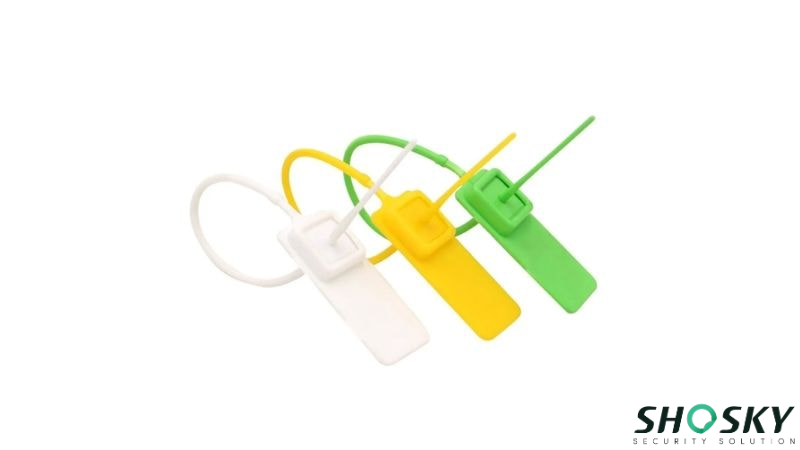
Plastic pull-tight seals are manufactured from industrial polymer plastics. It features a one-time pull tight locking mechanism that is highly cost-effective and simple to apply manually.
Primary Uses: Ideal for general low-risk cargo, domestic overland transport, and high-volume sealing scenarios where basic visual tamper evidence is required.
4. Metal Strap Seals
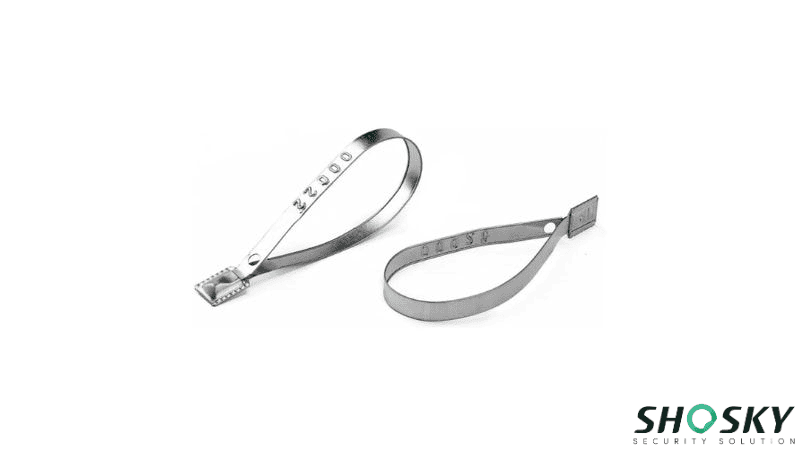
Metal strap seals consist of a thin, folded metal sheet that snaps permanently into a secure locking chamber, providing a basic but effective visual theft deterrent.
Primary Uses: Deployed frequently for short-haul domestic routes, securing standard containers, and locking returnable transit packaging.
5. Padlock Seals
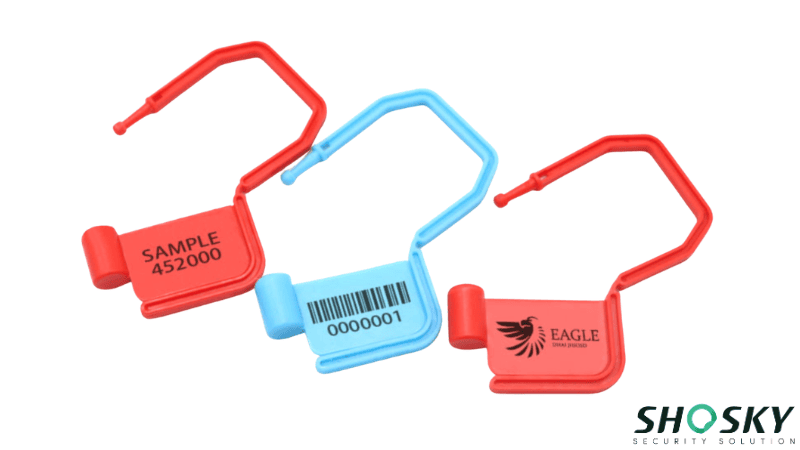
Padlock seals mimic the traditional padlock form factor. Certain variations are designed for temporary lockdown and reusable isolation, unlike standard single-use logistics seals.
Primary Uses: Perfect for internal warehouse isolation zones, temporary container staging, and short-haul transit applications.
Standardizing your procurement strategy around these five specific locking mechanisms ensures that every shipment is matched with the appropriate level of physical security. This careful categorization prevents overspending on low-risk domestic routes while guaranteeing strict legal compliance for vulnerable international transits.
International Customs Compliance: C-TPAT, AEO, and WCO SAFE
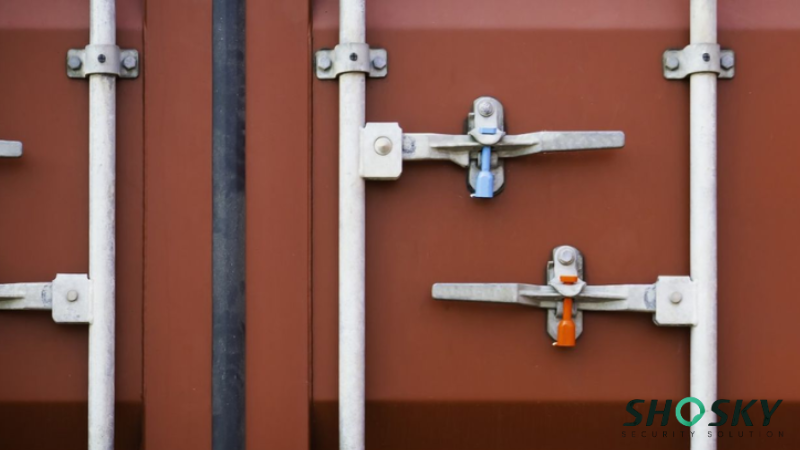
In the realm of global ocean freight, container security seals are not just physical barriers; they are mandatory legal instruments. Following heightened global security concerns, international customs organizations established rigid frameworks to prevent maritime containers from being utilized for smuggling contraband or dangerous materials.
For logistics teams managing international export operations, adhering to these regulatory programs is non-negotiable. Failing to utilize the correct class of security seal will trigger immediate and severe administrative penalties.
- C-TPAT Requirements (United States): The Customs Trade Partnership Against Terrorism mandates that all inbound maritime containers must be secured with an ISO 17712-certified High Security seal. Non-compliance results in immediate quarantine and costly manual devanning inspections.
- AEO Framework (European Union): The Authorized Economic Operator program demands similar strict physical security protocols. Utilizing verified high-security seals helps importing companies maintain their trusted trader status, ensuring faster clearance through EU ports.
- WCO SAFE Framework: The World Customs Organization establishes baseline international standards, universally requiring that high-risk transoceanic freight be locked with certified metal seals rather than indicative plastic tags.
Procurement directors must view the purchase of compliant high-security seals as a critical insurance policy against border delays. Spending a fractional amount on a certified seal prevents thousands of dollars in port holding fees. It ensures that critical consumer goods reach retail shelves on schedule.
Selecting the Right Seal for Ocean Freight Challenges
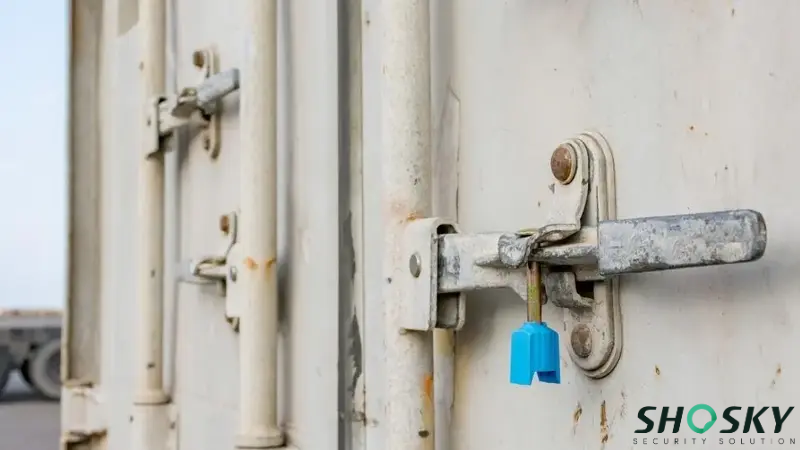
The maritime environment is brutally unforgiving. A security seal must survive weeks of exposure to corrosive salt spray, extreme temperature fluctuations, and violent physical impacts.
Sourcing directors must evaluate the chemical and structural properties of their seals carefully. This due diligence prevents environmental degradation from causing false tampering alarms at the destination port.
| Environmental Threat | Required Material Specification | Operational Benefit |
|---|---|---|
| Corrosive Salt Spray | Zinc Galvanized Steel Cores | Prevents rust-induced structural snapping |
| Intense UV Radiation | High-Impact ABS Plastic | Stops outer shell from cracking and peeling |
| Sub-Zero Temperatures | Tempered Internal Spring Steel | Maintains locking tension in freezing climates |
| Crane Spreader Impacts | Heavy-Duty Carbon Steel Pins | Resists crushing during high-speed port stacking |
By demanding these specific material tolerances from manufacturing partners, logistics managers guarantee their hardware survives the journey. Your seals will remain functionally and legally intact from the original factory to the final destination warehouse.
Beyond Maritime: Other Commercial Applications for Container Seals
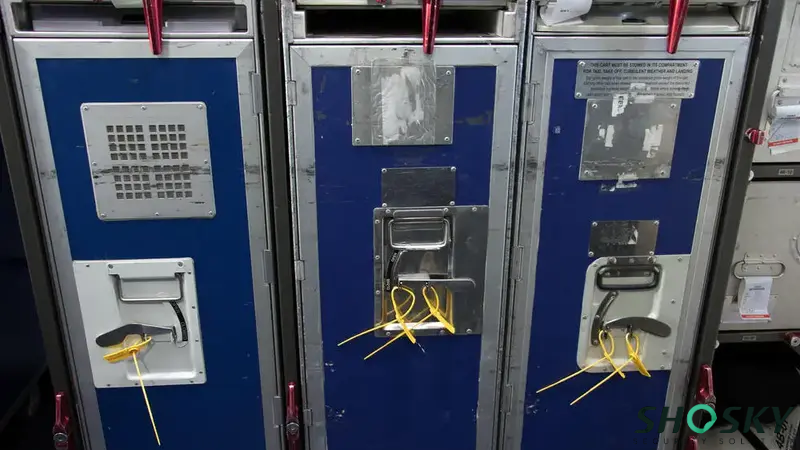
While international ocean freight is the most prominent use case, the heavy-duty construction of container seals makes them indispensable across the entire supply chain.
Procurement teams frequently leverage these same locking mechanisms to secure a wide variety of non-maritime commercial applications. Expanding the use of high security seals allows facility managers to standardize their protocols and negotiate better wholesale pricing through bulk enterprise orders.
- Cross-Border Railroad Freight: International block trains face immense security risks during slow transit through remote regions. High security cable seals and bolt seals are heavily deployed to lock boxcars during mandatory rail switching stops.
- Intermodal Liquid Tankers: Transporting bulk chemicals and food-grade oils requires absolute purity control. Flexible steel cable seals securely lock irregular tanker discharge valves and top hatches, preventing product theft and malicious contamination.
- Warehouse High Value Cages: Regional distribution centers often designate specific isolation zones for luxury goods. Heavy-duty padlock seals secure these internal gates, effectively stopping inventory shrinkage caused by internal employee collusion.
- Domestic Trucking Fleet Logistics: Organized thieves frequently target domestic trucks resting at overnight truck stops. Applying a serialized bolt seal to the rear doors of a standard dry van acts as a massive visual deterrent against opportunistic break-ins.
Recognizing the versatility of these specialized locks enables procurement directors to build a comprehensive security architecture. Whether securing a shipping container on the Pacific Ocean or locking a chemical valve on a domestic railway, the fundamental requirement for irreversible tamper evidence remains exactly the same.
FAQs
Why are high security seals mandatory for maritime shipping?
Maritime shipping involves extended transit times and multiple third-party handling stages that leave cargo highly vulnerable. High security seals are mandatory because they provide the ultimate physical barrier against organized theft while serving as the legal proof of compliance required by international customs agencies like C-TPAT.
Can container seals be used on standard domestic truck trailers?
Absolutely. While they are designed for international shipping containers, high security bolt seals and cable seals are frequently used to secure domestic 53-foot dry vans and refrigerated trailers. They provide a massive upgrade in theft deterrence compared to standard commercial padlocks during overnight truck stops.
How do cable seals secure liquid intermodal tankers?
Liquid tankers feature irregular discharge valves and top hatches that cannot accommodate rigid bolt seals. Flexible high-security cable seals can be threaded through multiple locking points and pulled tightly to eliminate slack, ensuring that no raw materials can be extracted or contaminated during transit.
Upgrade Your Container Seals with Shosky Today!
The importance of container security seals in the logistics and shipping industries can’t be overstated. These seals help prevent tampering, theft, and contamination. And as security concerns continue to rise globally, container seals remain a key element in protecting cargo, reducing losses, and meeting international compliance standards. They are not just tools but a vital investment in supply chain integrity.
So, don’t JUST compromise on shipment security. Invest in tamper-evident seals with Shosky Security today and protect your goods, enhance customer trust, and meet regulatory standards! Reach out for high-quality, customizable options that meet your needs.