
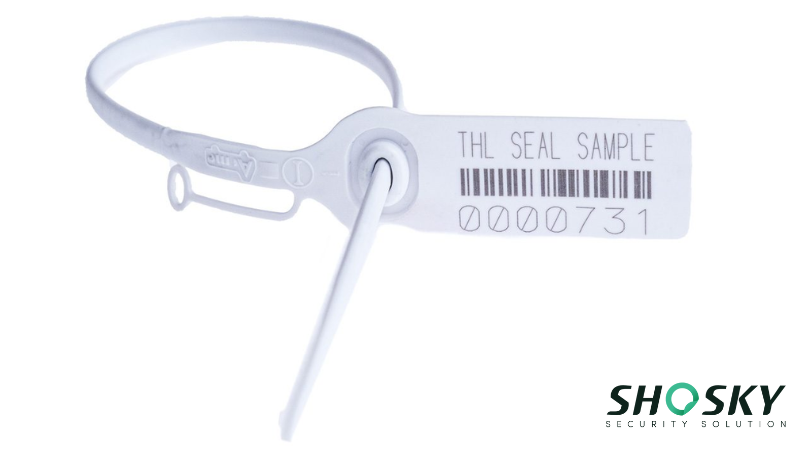
A recent study by the National Institute of Standards and Technology (NIST) found that traceability in the supply chain can reduce fraud and product tampering by up to 30%. And one of the most effective ways to enhance traceability is through custom security seal numbering.
Assigning different serials to each security seal gives companies tighter oversight of their goods and reduces the risk of loss or interference. In this article, we’ll explore how serial numbering improves traceability and why it matters for today’s supply chains.
Understanding Custom Serial Numbering Architecture
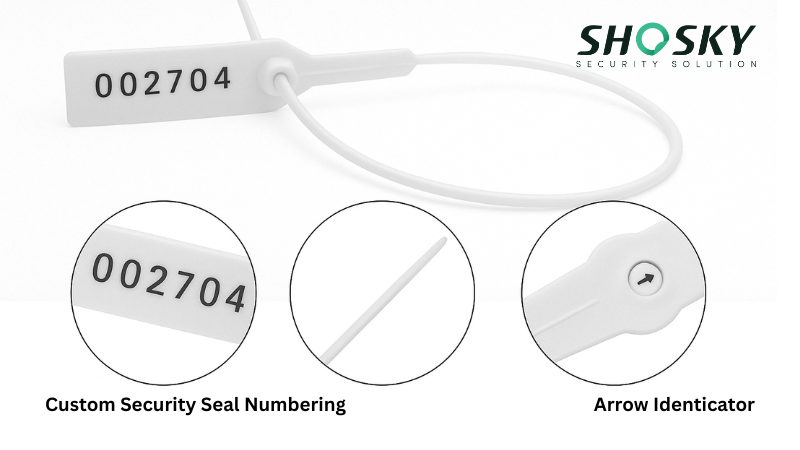
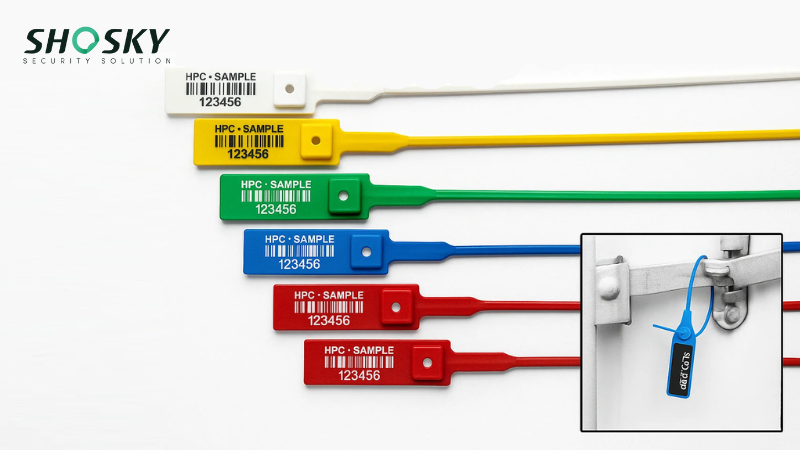
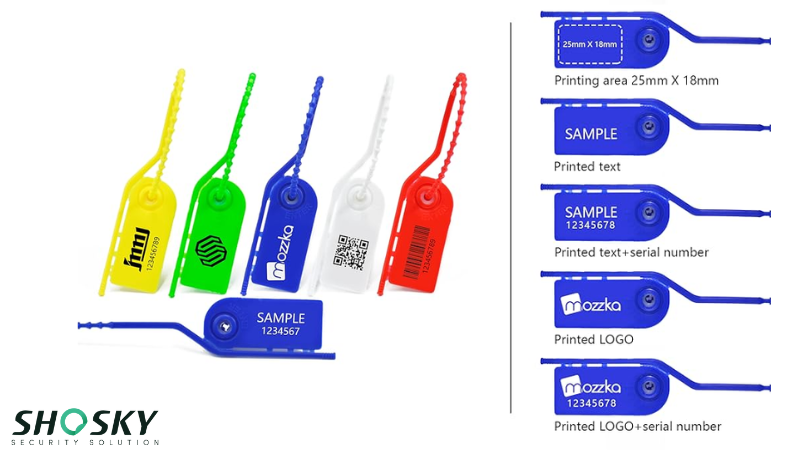
Custom serial numbering on a security seal is a highly engineered asset protection feature that permanently binds an unpredictable alphanumeric sequence directly onto the locking body. Unlike generic markings that utilize highly predictable basic numeric sequences, custom serialization transforms a basic plastic or metal closure into an immutable forensic data point.
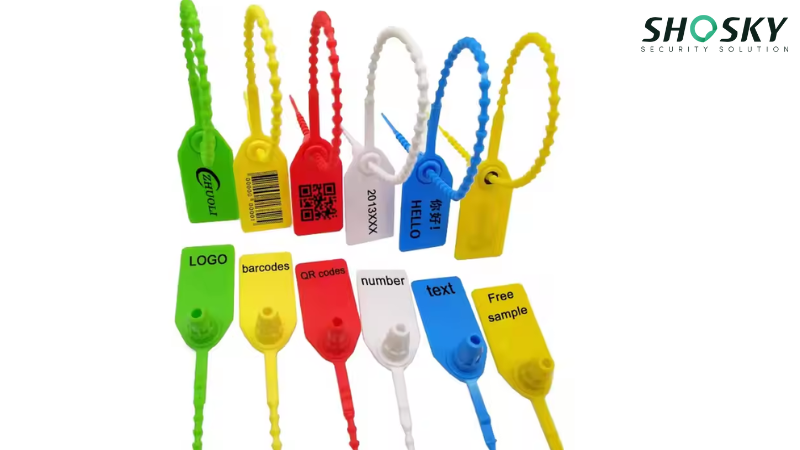
Quality assurance directors actively construct a comprehensive tracking shield by incorporating proprietary prefix sequences and variable dynamic barcodes. These unique corporate identifier letters and exact manufacturing facility codes completely prevent organized syndicates from sourcing matching blanks on the open market.
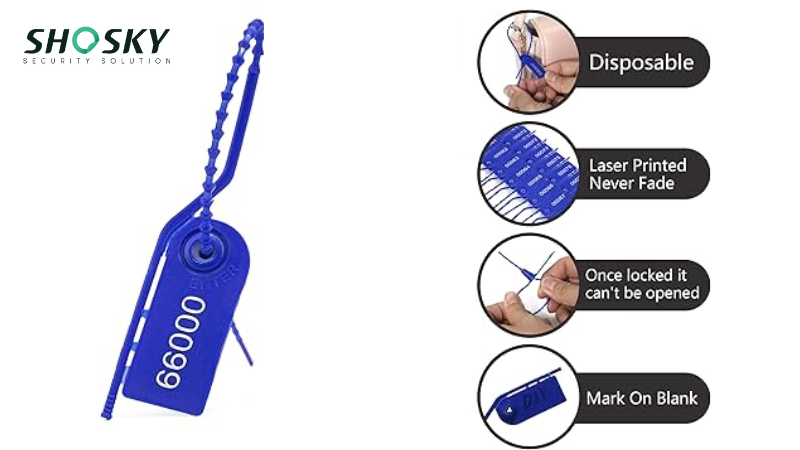
To further harden this physical defense, procurement teams embed encrypted algorithmic check digits at the end of the sequence. This instantly exposes duplicate counterfeit seals during inventory reconciliation. By permanently laser engraving these randomized security hashes directly onto the seal, manufacturers create a mathematically unique data structure that is physically impossible to replicate.
Ready to Customize Serial Numbering for Your Security Seals?
Start With A Low Minimum Order Quantity
How Custom Serial Numbering Enhances Security and Compliance
Implementing custom security markings delivers critical protective advantages across every department of your manufacturing and distribution enterprise. By analyzing these distinct business functions, procurement directors can deploy highly targeted tracing solutions.
1. Manufacturing Anti-Counterfeiting
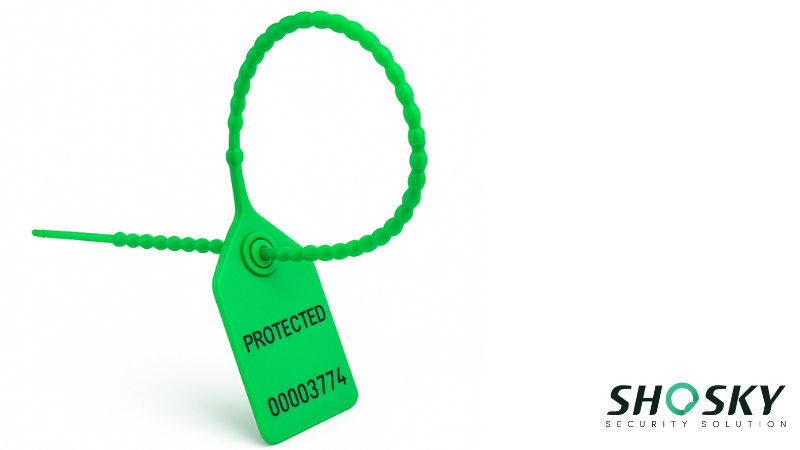
The consumer manufacturing sector faces continuous threats from underground counterfeiting syndicates attempting to introduce illicit lookalike goods into legitimate commercial channels. To protect brand equity, facility managers must secure raw materials and finished product batches immediately after production.
To lock down factory outbound logistics, production managers deploy these exact custom marking rules:
-
Alphanumeric Randomized Codes: Ensure no two manufacturing facilities ever utilize identical serialization sequences.
-
Dual Side Laser Marking: Engrave the proprietary code on both the locking chamber and the insert strap to permanently prevent component swapping.
-
Proprietary Font Printing: Utilize customized corporate typefaces that standard commercial printers cannot easily duplicate.
This level of structural customization establishes an ironclad product traceability path directly from the raw material warehouse to the final point of sale. If a bad actor attempts to swap a broken security seal, the digital mismatch will be flagged immediately during automated receipt audits.
2. Real-Time Logistics Tracking
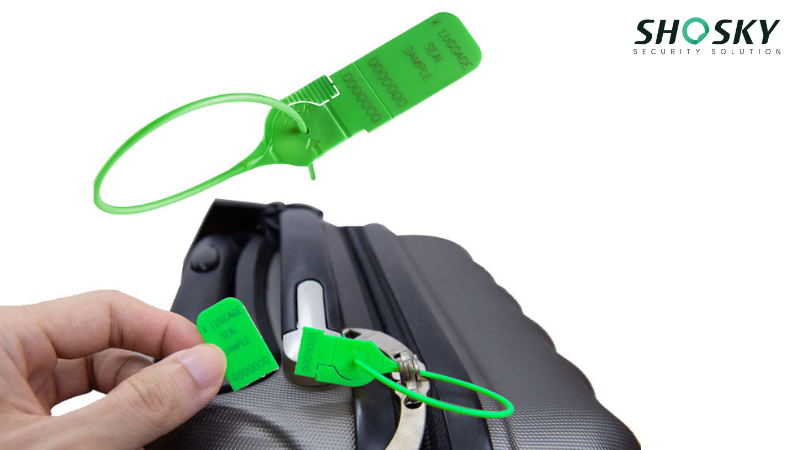
Modern international logistics demands maximum visibility and high-speed processing at terminal gates. Utilizing manual paperwork to verify ocean containers slows down transit times and introduces catastrophic human data logging errors.
Integrating scannable barcode or radio frequency features on security seals yields these immediate operational benefits:
-
Automated Transit Verification: Allows cargo handlers to scan and log seal integrity in under two seconds without manual typing.
-
Instant Digital Authentication: Restricts container verification authority strictly to designated security personnel equipped with decrypted mobile devices.
-
Continuous Custody Tracking: Creates an immutable digital audit trail that highlights exactly who broke the seal at the final delivery terminal.
This immediate logistical visibility allows businesses to actively manage their distribution networks. Providing shipping teams with real-time custody data ensures any transit anomaly is detected and resolved rapidly before the cargo leaves the port area.
3. Quality Assurance and Recall Management
Quality assurance directors operating in high liability sectors like food processing and medical manufacturing manage zero tolerance environments for product contamination. Isolating defective lots quickly during a safety emergency is the only way to protect consumer health and avoid massive corporate litigation.
To enforce rigorous quality control, quality assurance teams utilize customized numbering to execute these tasks:
-
Isolate Specific Batches: Trace exact contamination incidents back to the specific manufacturing shift and raw material lot.
-
Accelerate Recall Workflows: Pinpoint the exact location of affected shipments globally, avoiding incredibly costly nationwide product recalls.
-
Promote Handler Accountability: Enforce strict digital logs where logistics personnel must co-sign and scan every physical seal number.
This level of detailed traceability ensures that retail consumers only receive verified, medically safe goods. It actively minimizes corporate liability while building massive brand authority and public trust.
4. Retail and Ecommerce Fraud Prevention
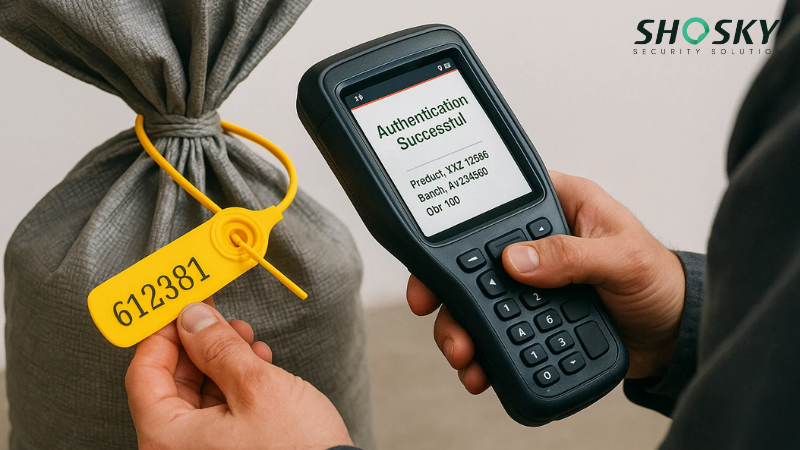
Online luxury marketplaces and high-value consumer technology retail operations face extensive financial drain from consumer return fraud and package pilferage during final delivery. Standard non-secure packaging allows dishonest buyers to intercept premium items without leaving visual proof.
Online merchants protect high-value retail goods by utilizing customized serialized seals to achieve these goals:
-
Verify Customer Returns: Match the unique serial number on the returned luxury clothing tag directly with the outbound invoice database.
-
Stop Package Pilferage: Alert courier drivers visually that the internal package contents have been digitally recorded before shipment dispatch.
-
Build Consumer Trust: Signal to the final retail customer that their expensive package has arrived in completely untouched factory condition.
Deploying these customized security seals drastically reduces retail shrinkage rates. It ensures a highly professional unboxing experience while permanently shutting down fraudulent credit card chargeback claims.
5. Regulatory Compliance and Adherence
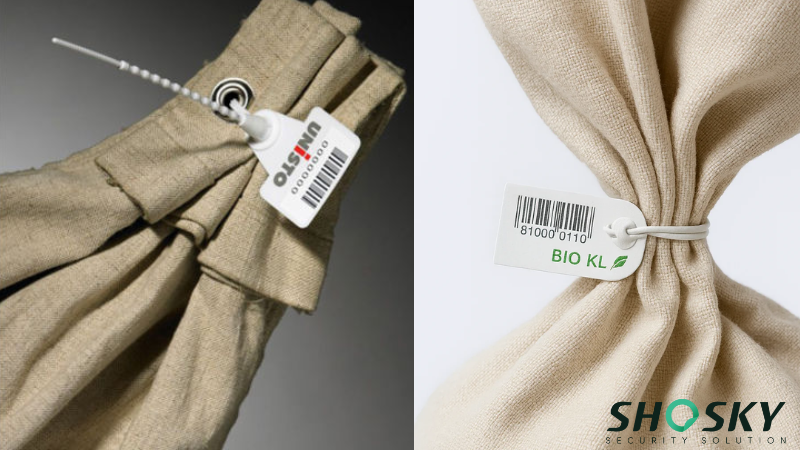
International trade agencies and customs enforcement bodies enforce incredibly strict structural and data requirements to secure cross-border shipments. Sourcing generic, non-compliant packaging consumables leads to severe border delays and negative corporate profiling.
To satisfy global regulatory bodies, compliance officers mandate custom numbered seals to meet these requirements:
-
Satisfy Customs Rules: Meet the strict supply chain security criteria required by United States Customs and Border Protection trade partnerships.
-
Comply with ISO Standards: Ensure all high security bolt seals feature certified unique numbers as legally required for ocean freight containers.
-
Simplify Official Audits: Provide customs inspectors with clean, exportable digital logs, completely eliminating long delays at international borders.
Maintaining meticulously detailed serial number databases makes government regulatory checks exceptionally smooth. It completely insulates your parent company from expensive regulatory fines and massive shipping disruptions.
Marking Technologies For Custom Security Seal Numbering
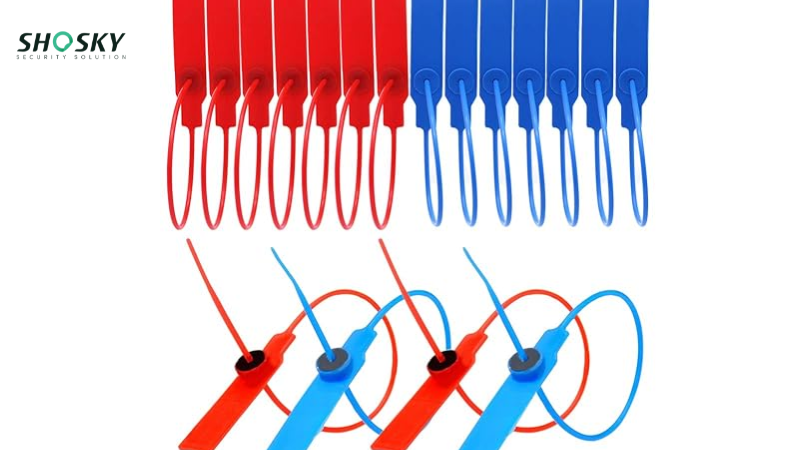
Selecting the correct marking method is just as critical as choosing the physical seal substrate. If a custom number can be easily scratched off, dissolved with solvents, or altered with a standard marker, the security of your entire logistical pipeline fails. Procurement teams must choose the optimal marking technology that is natively compatible with their chosen security seal material.
To guide your material selection, review the following engineering compatibility matrix:
| Marking Technology | Primary Chemical Mechanism | Durability Under UV & Solvents | Ideal Security Substrate |
|---|---|---|---|
| Laser Engraving | 1064 nm wavelength fiber laser vaporizes material to create high contrast tracking codes | Absolute (Permanently embedded, cannot be erased) | High Density Polypropylene & Nylon Plastic Seals |
| Hot Stamping | Thermal foil transfer presses metallic pigment deep into the plastic surface | Moderate (Excellent water resistance, vulnerable to heavy industrial solvents) | Lightweight Pull Tight Indicative Seals |
| CNC Metal Engraving | Computerized carbide bit physically carves alphanumeric sequences into steel | High (Virtually indestructible under extreme transit abrasion) | High Security Galvanized Steel Bolt & Cable Seals |
Matching your marking technology with these physical material parameters ensures the serial number remains perfectly legible throughout long ocean transits. It prevents manual data logging errors and guarantees your automated scanners can read the barcodes under harsh warehouse lighting.
Ready to Implement Custom Serial Numbering for Your Business?
Start With A Low Minimum Order Quantity
Best Practices For Implementing Custom Serial Numbering
Successfully launching a custom serial numbering deployment requires a strategic approach that spans physical material selection, digital database integration, and human resource execution. Sourcing advanced security seals provides no financial protection if your terminal operators fail to scan or verify tracking codes promptly.
To completely eliminate supply chain vulnerabilities, procurement directors must enforce rigorous standards across these three operational tiers.
1. Digital ERP System Integration
The absolute foundation of any traceability program is the digital architecture. Manual paper logs are entirely obsolete in global logistics because they introduce catastrophic typing errors and severely slow down gate processing. Logistics teams must deploy advanced programming interfaces connecting scanning hardware directly to warehouse management software.
Facility managers must configure systems to instantly trigger automated mismatch alerts upon terminal entry. Synchronizing these customized sequences to an encrypted cloud server before dispatch ensures all downstream scanners automatically cross-reference seal numbers. Bridging custom seal data directly with automated inventory systems guarantees absolute data integrity and eliminates human oversight.
2. Physical Marking and Substrate Selection
A tracking system is only as strong as the physical mark on the seal. If your corporate prefix fades under intense sunlight or washes away during ocean crossings, your digital database becomes useless. Procurement officers must strictly mandate physical engineering specifications, explicitly demanding fiber lasers over basic surface printing.
Quality control teams must conduct rigorous contrast testing to ensure engraved numbers maintain high visual contrast for rapid optical scanning. Verifying the marking technique survives industrial solvents and mechanical abrasion is critical. Matching these physical parameters guarantees your alphanumeric sequence remains perfectly legible from the factory to the retail destination.
3. Operational Quarantine Protocols
Advanced laser-engraved numbers will fail if receiving staff cannot handle a security breach. Frontline operators must follow strict rules when detecting a broken seal or cloned serial number at the loading dock. Compliance managers must train personnel to immediately isolate suspect cargo and move compromised containers to a secure quarantine zone.
Before opening cargo doors, staff must capture photographic evidence documenting the altered serialization and broken locking mechanism. This visual evidence instantly triggers secondary audits, halting unpacking until quality control completes a formal risk assessment. Executing these standard operating procedures transforms shipping consumables into a proactive fraud prevention network.
FAQs
Q1: Can I customize the numbering format on security seals for my business?
Yes. Procurement directors can fully customize the numbering format to include sequential alphanumeric codes, unique corporate prefixes, specific production dates, or randomized encrypted data sequences that perfectly integrate with your existing ERP tracking software.
Q2: What are the primary benefits of laser engraving over surface printing?
Yes, laser marking is far superior. Unlike surface printing inks that can be chemically dissolved or worn off during outdoor transit, laser engraving vaporizes the plastic surface to create a permanent, high-contrast marking that cannot be chemically altered.
Q3: Are custom numbered seals required for international shipping?
Yes. International shipping regulations, including CTPAT and ISO 17712 standards, legally require high security seals with unique, non-repeatable serial numbers to prevent smuggling and cargo tampering on all ocean freight containers.
Maximize Your Supply Chain Traceability with Shosky Solutions
Security seal numbering is a critical element in maintaining product integrity. Unique numbers improve security. They act as tamper-evident solutions. They also build customer trust, leading to a stronger brand reputation. Overall, investing in custom-numbered security seals creates a secure and efficient supply chain that ensures smooth operations.
Shosky Security provides high-quality, custom-numbered security seals for maximum protection and traceability. With advanced security features and reliable performance, our tamper-proof seals safeguard your supply chain. So, ready to protect your products? Contact us today!