
Security breaches, counterfeit goods, and tampering threats cost industries billions annually. According to the International Chamber of Commerce, counterfeiting and piracy siphon over $2 trillion from the global economy every year. The most effective physical solution to this growing threat is to invest in tamper-proof solutions. By implementing these solutions, businesses can significantly reduce financial losses, protect their brand reputation, and enhance consumer trust.
So, what exactly are tamper-proof solutions? Well, in this article, we will talk in detail about the concept of tamper-proof solutions, their applications in various fields, and the key benefits they offer. Let’s get to it.
What Does Tamper-Proof Mean?
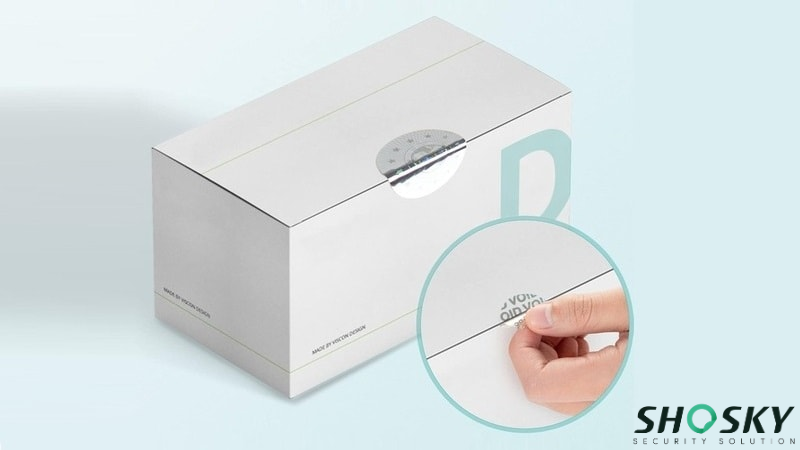
Tamper-proof refers to a highly secure design or mechanism that prevents unauthorized access, interference, or manipulation of an object, product, or system. The primary goal of tamper-proof solutions is to ensure that the item remains physically impenetrable, providing clear evidence if any forced tampering occurs.
These solutions are widely used in industries where security and integrity are critical. Here are a few of the industries where tamper-proof solutions are used:
- Packaging: Protect food, medicine, and cosmetics from tampering.
- Electronics: Prevent unauthorized repairs and device counterfeiting.
- Banking: Secure cash and valuables with Level 4 tamper-evident solutions.
- Logistics: Ensure product integrity during storage and transit.
By incorporating tamper-proof measures, businesses can enhance trust, comply with regulations, and reduce risks associated with tampering. Whether protecting assets or ensuring product safety, tamper-proof solutions are essential in today’s security-conscious environment.
Tamper Proof vs. Tamper Resistant vs. Tamper Evident Packaging
When it comes to securing products, understanding the differences between tamper-proof, tamper-resistant, and tamper-evident packaging is essential. Each offers distinct levels of protection based on the nature of the product and the security requirements.
Tamper-Evident Packaging
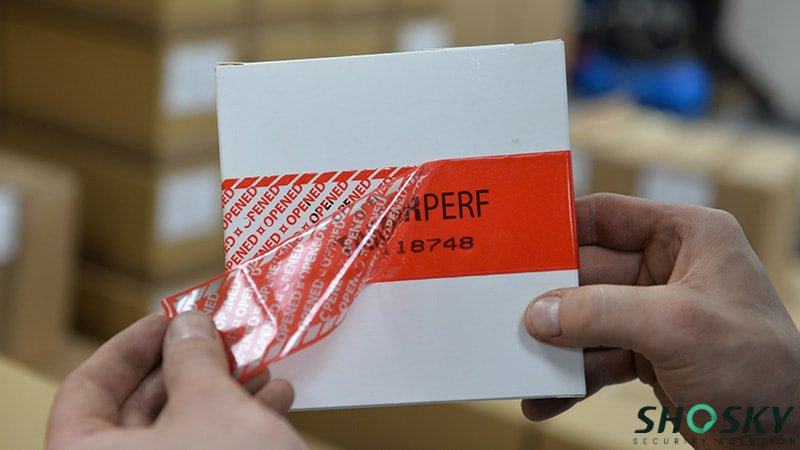
Tamper-evident solutions focus on revealing unauthorized access. While they do not physically prevent tampering, they leave visible signs of interference.
- Core Function: Ensures the integrity of the goods can be verified instantly by warehouse staff or consumers.
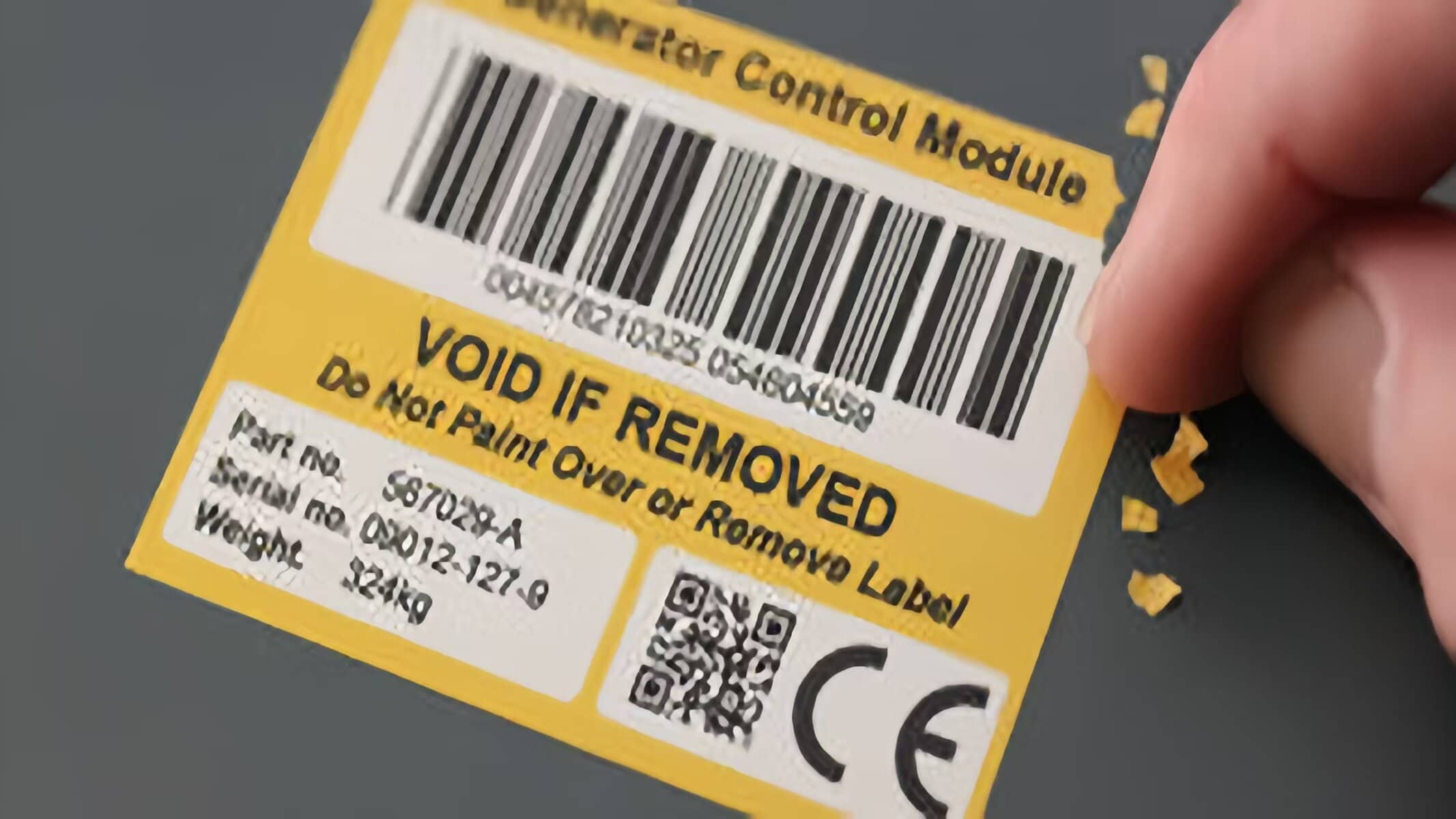
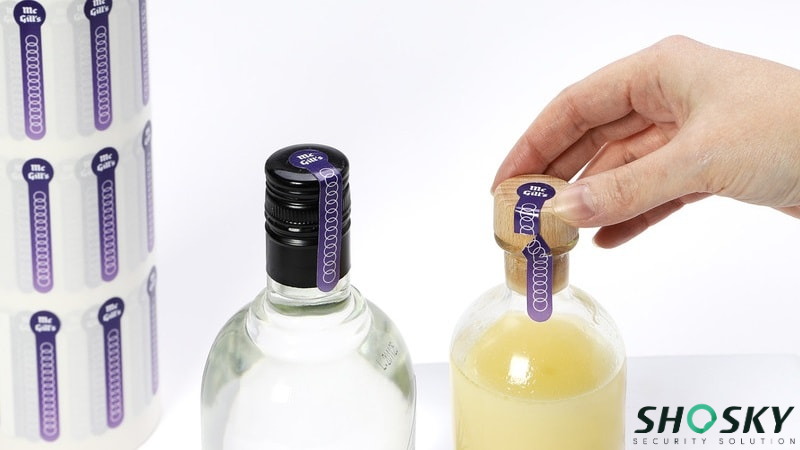
- Common Examples: Breakaway caps on beverage bottles, blister packs for medications, shrink bands, and customized security tapes that leave a visible “VOID” message upon removal.
- Ideal Use Case: Cost-effective security for maintaining trust in lower-risk consumer products.
Tamper-Resistant Packaging
Tamper-resistant packaging is designed to deter tampering by making it more difficult to access the contents.
- Core Function: Significantly increases the effort and time required to manipulate the packaging, discouraging unauthorized access by casual thieves.
- Common Examples: Soda cans with pull tabs, vacuum-sealed packaging for food products, and child-resistant caps on medicine bottles.
- Ideal Use Case: Offering a balance between security and practicality for low to medium-value goods.
Tamper-Proof Packaging
Tamper-proof packaging provides the highest level of protection and is designed to prevent unauthorized access entirely.
- Core Function: Engineered to be virtually impossible to breach without destroying the package or leaving it permanently unusable.
- Common Examples: Tamper-proof mechanical bolt seals used to secure cargo containers or hard security tags on clothing.
- Ideal Use Case: Essential physical barriers for high-value or highly sensitive products, such as pharmaceuticals, electronics, and luxury goods.
| Feature | Tamper-Proof | Tamper-Resistant | Tamper-Evident |
|---|---|---|---|
| Definition | Designed to prevent tampering completely | Difficult to tamper with but not impossible | Shows clear signs if tampered with |
| Purpose | Ensures products cannot be accessed or altered without rendering them unusable. | Deters tampering by adding barriers to access. | Alerts users to possible tampering attempts. |
| Security Level | Highest | Moderate | Low to Moderate |
| Cost | Expensive | Moderately Expensive | Inexpensive |
| Durability | Extremely robust, often single-use | Strong but accessible with effort or tools | Generally less durable, focuses on detection |
How Do Tamper-Proof Solutions Work?
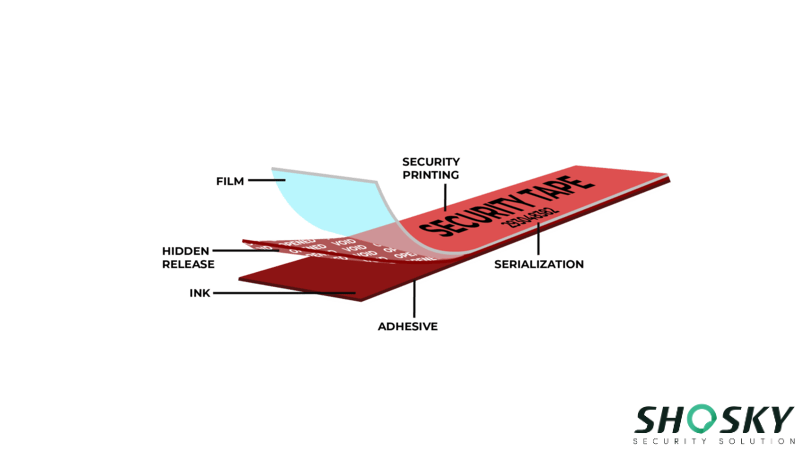
Tamper-proof solutions work by combining materials, design, and technology to prevent unauthorized access or interference with products, documents, or systems. These solutions are engineered to either resist tampering attempts or make any unauthorized action easily detectable, ensuring security and integrity.
Materials
The effectiveness of tamper-proof solutions begins with highly specialized materials. Instead of standard packaging supplies, security manufacturers deploy industrial-grade components:
- Ultra-destructible Vinyl: These specialized label materials break apart like eggshells when removal is attempted, making it impossible to peel and reuse the seal in one piece.
- Solvent-Based Acrylic Adhesives: These aggressive adhesives are chosen to bond securely to challenging low surface energy plastics, ensuring any tampering leaves irreversible evidence like sticky residue or damaged seals.
- Advanced Substrates: Holographic films or embedded RFID components are often integrated into the base material to provide additional layers of physical protection.
Design
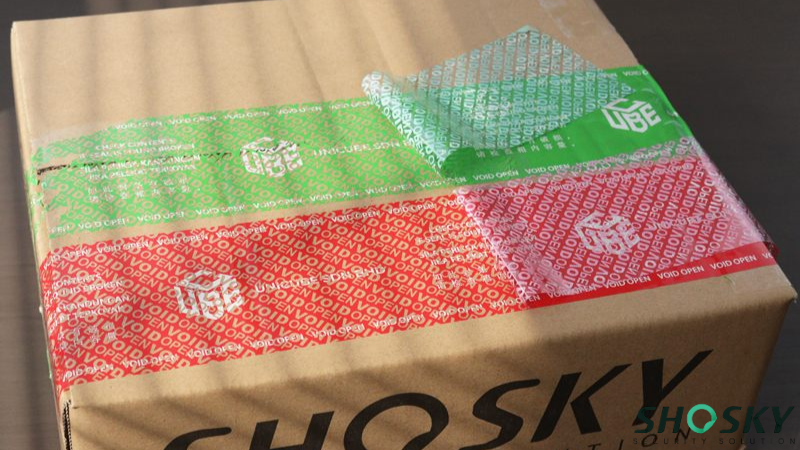
Design features are critical for tamper-proofing, as they dictate how the packaging reacts to physical stress. Effective security designs typically fall into these key categories:
- Visual Indicators: Hidden VOID messages or custom patterns that instantly appear on the packaging surface the moment a seal or label is peeled back.
- Mechanical Designs: Heavy-duty locking mechanisms, such as breakable cable seals or bolt seals, that irreversibly lock into place and must be destroyed by heavy tools to open.
- Customizable Architecture: Tailored features designed for specific operational needs, such as residue-free security designs for aircraft doors or temperature-sensitive indicators for healthcare logistics.
Technology
To combat highly sophisticated counterfeiters, modern tamper-proof solutions often incorporate advanced digital and chemical technologies:
- RFID Tags: These smart chips enable real-time tracking, ensuring high-value products remain accounted for at every node throughout the global supply chain.
- Thermochromic Inks: These highly restricted, temperature-sensitive inks make tampering attempts (using heat guns or freezing sprays) instantly detectable through permanent visual color changes.
- Barcodes and QR Codes: Serialized digital printing offers unique track-and-trace authentication, further strengthening the physical tamper-proof capabilities with a digital audit trail.
Common Applications of Tamper-Proof Solutions
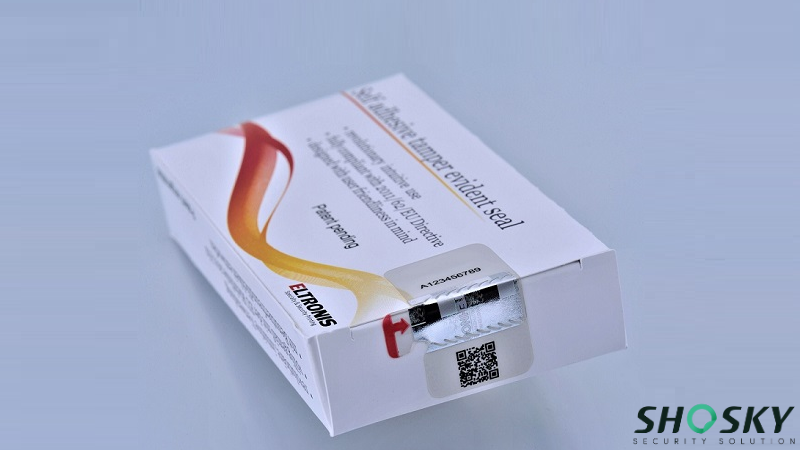
Tamper-proof solutions are a diverse set of tools with near-limitless applications across global industries. To help you visualize their impact, here are the most critical deployments in modern supply chains:
- Logistics and Supply Chain: With global shipping expanding, container security seals ensure the integrity of cargo. High-security bolt seals and tamper-proof locking bars are mandatory for cross-border freight to prevent theft and smuggling.
- Pharmaceutical Sterility: The medical industry relies heavily on tamper-proof caps, blister packs, and induction seals. The slightest damage compromises product integrity, making robust sealing non-negotiable for public health safety.
- Food and Beverage Packaging: While canned goods utilize true tamper-proof packaging, most consumable manufacturers opt for tamper-resistant breakaway bottle caps. This provides a cost-effective way to detect contamination in fast-moving consumer goods.
- Technology and Data Security: Hardware Security Modules (HSMs) and tamper-evident void tapes on server chassis act as a physical and digital barrier, ensuring only authorized personnel can access sensitive network data.
- Financial and Document Security: Tamper-proof Level 4 deposit bags and security seals are strictly required for cash-in-transit operations and the safe transportation of highly confidential legal documents.
Understanding these industry-specific applications highlights how versatile security packaging has become. However, deploying the right physical barrier does more than just meet basic compliance; it brings measurable returns to your bottom line, which brings us directly to the core business benefits.
Benefits of Using Tamper-Proof Solutions
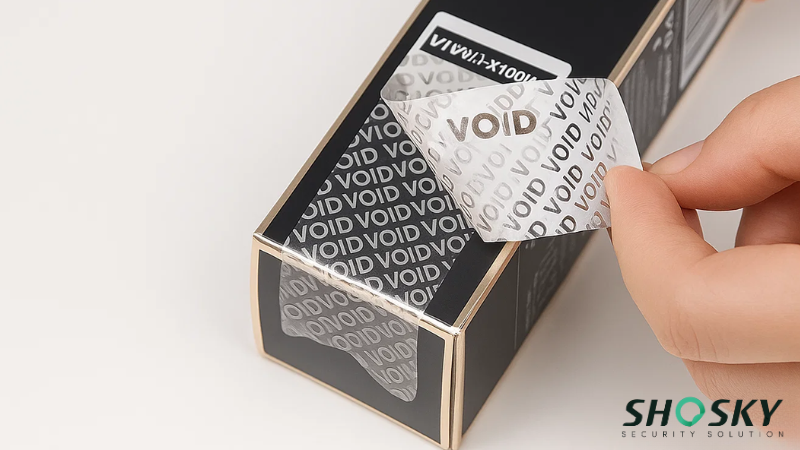
This article has covered many of the applications, but let us take a moment to discuss the core business benefits that tamper-evident, tamper-resistant, and tamper-proof solutions provide to your operations.
- Product Safety and Contamination Prevention: Tamper-evident features are critical for consumable and perishable goods. Without them, businesses risk malicious tampering (like the viral 2019 supermarket ice cream incident), which directly harms buyers and destroys product reliability.
- Customer Trust and Brand Loyalty: In today’s competitive market, shoppers feel more confident when they see intact security seals. This visible proof of authenticity reassures customers, strengthens their emotional connection with the brand, and drives repeat purchases.
- Quality Control Across the Supply Chain: Products pass through multiple transit checkpoints before reaching the customer. High-quality sealing techniques (famously utilized by brands like Apple) ensure consistent product integrity from the manufacturing warehouse directly to the retail store.
- Financial Incentives and Fraud Reduction: While initial implementation costs exist, security seals act as a strong theft deterrent. They reduce stolen goods, prevent counterfeit imitations from entering the market, and drastically lower the costs associated with handling returns for tampered items.
- Strict Legal & Regulatory Compliance: Adhering to safety protocols is mandatory. Choosing certified security packaging prevents severe financial penalties in the healthcare, food, and finance industries, while helping international sellers gain immediate trust in local markets.
Ultimately, unlocking these financial and reputational benefits requires more than just purchasing a basic security seal. To guarantee true compliance and maintain an unbroken chain of custody, businesses must ensure their chosen physical barriers meet strict international regulations. This leads us directly to the critical global standards your packaging must adhere to.
Global Standards & Certifications for Tamper-Proof Solutions
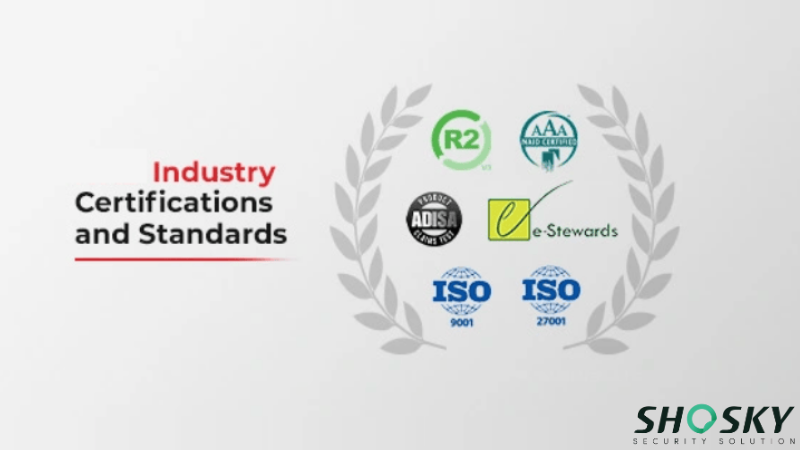
Tamper-proof solutions must live up to the standards outlined by various regulatory bodies. Some of these regulations are more relaxed than others.
For businesses that rely on tamper-proof packaging, meeting international standards is essential. These regulations not only ensure product security but also help companies maintain compliance, protect consumers, and build trust in global markets. Some of the most important standards and certifications include:
- ISO 17712– The International Organization for Standardization has a standard 17712 that outlines security seal requirements for freight/shipping containers.
- CTPAT– The Customs-Trade Partnership Against Terrorism outlines security compliance for all cross-border trade from and to the United States.
- TIR– The Transports Internationaux Routiers oversees security compliance for cross-border trades throughout the European Union.
- FDA– The US Food and Drug Administration requires tamper-resistant packaging for over-the-counter drugs and medications.
By following these global standards, companies can ensure their tamper-proof solutions meet industry expectations, reduce the risk of supply chain threats, and maintain compliance in different regions.
How to Choose the Right Tamper-Proof Solution?
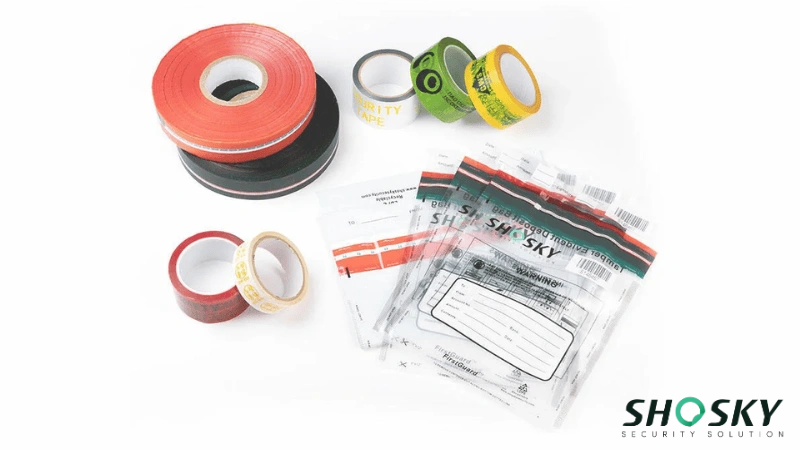
Choosing the right tamper-proof solution requires a thorough understanding of your product’s value and security needs. Here are four key factors that will help you choose the right solution for your business needs:
- Level of Security Required: Low-value, non-consumable products do not need expensive tamper-proof packaging. However, we strictly recommend high-security sealing for cash transit and pharmaceuticals.
- Application Context: Identify the condition in which your tamper-proof solution will operate. Select a tamper-proof seal that best suits your product surfaces without compromising on durability in freezing or humid climates.
- Industry Requirements: Ensure your anti-tamper solution complies with strict industry and state regulations, such as FDA packaging laws.
- Ease of Use: An intuitive design is easy to teach and consistently implement for your warehouse workers, making verifying the integrity of the security seal much faster.
| Industry | Common Applications | Features |
|---|---|---|
| Pharmaceuticals | Shrink seals, blister packs, and induction seals. | Tamper-evident, single-use designs |
| Food & Beverage | Shrink bands, pull tabs, and vacuum sealed packaging. | Visible tamper signs, freshness indicators. |
| Logistics | Container seals, security seals, and GPS locks. | Durable, traceable, anti-theft |
| Technology | Hardware enclosures, secure chips, and software encryption. | Anti-tamper coatings, encrypted modules |
| Financial Services | Tamper-proof envelopes, cash bags, and sealed enclosures. | Secure handling, visible tamper alerts |
Expert Tip from Shosky: In our decades of securing global supply chains, the most costly mistake we see procurement teams make is “over-specifying.” Do not buy expensive mechanical bolt seals when a highly engineered solvent-based VOID tape is perfectly sufficient to meet compliance and secure your shipping cartons. Always align the barrier’s physical strength with your specific operational risks.
FAQs
Q1: How can I tell if a product is tamper-proof?
A product is truly tamper-proof if it requires significant physical force, heavy cutting tools, or the complete destruction of the outer packaging to access the contents inside.
Q2: Are tamper-proof seals reusable?
Most physical tamper-proof seals, such as metal bolt seals and plastic security bags, are strictly single-use to ensure an unbroken chain of custody. However, some advanced electronic RFID locks used on shipping containers can be reused.
Q3: Can tamper-proof packaging be recycled?
Recyclability depends on the material of the packaging. While many standard plastics can be recycled, advanced tamper-proof bags made with heavy-duty multi-layer co-extruded films often require specialized recycling facilities.
Q4: Does tamper-proof mean the same thing as tamper-evident?
No. Tamper-evident means the packaging will visually show you if someone opened it (like a VOID sticker), but it will not physically stop them. Tamper-proof means the packaging physically prevents the person from opening it without destroying the container.
Conclusion
Tamper-proof systems are an essential part of modern business strategies. They reduce risks, ensure compliance, and create a safer environment for consumers. As the demand for secure solutions grows, businesses must prioritize these measures to stay ahead in their industries. Do not wait, just secure your products and reputation today with tamper-proof solutions.
Get the Best Tamper-Proof Seals from Shosky!
Partner with Shosky Security to take the next step in protecting your products and reputation. With our innovative tamper-evident solutions customized to meet your unique needs, you can safeguard your business with confidence. Contact us today to explore tailored solutions that deliver both quality and peace of mind!