
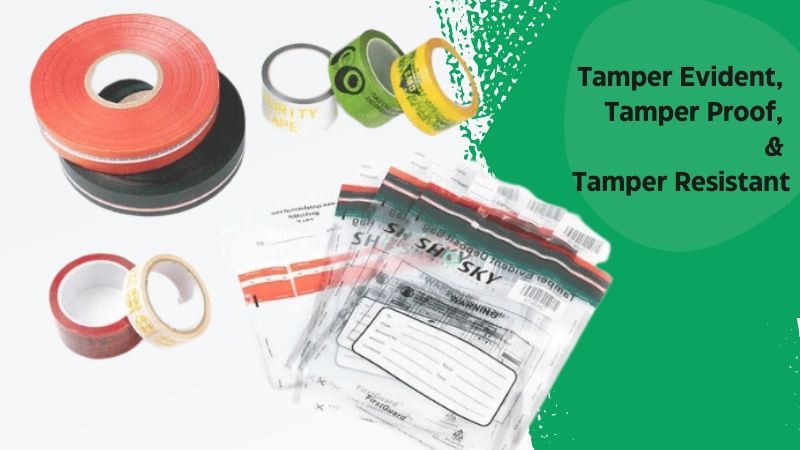
Tamper-evident, tamper-proof, and tamper-resistant technologies provide effective solutions for safeguarding valuable assets across global supply chains. With cargo theft and supply chain adulteration costing the global industry billions of dollars annually, choosing the right physical barrier is critical. But how do they differ, and which one is best for your specific industry requirements?
Well, the goal of this article is to explain the fundamental differences between these three types of security measures and highlight their industrial applications. So, you can better assess which type of security is most appropriate for your specific needs, whether you are looking for deterrence, visual detection, or complete physical prevention of tampering to meet compliance standards like FDA or EMA.
The Key Differences at a Glance: Detect vs. Prevent vs. Deter
Understanding the distinctions between tamper-evident, tamper-proof, and tamper-resistant solutions is essential for choosing the right level of protection for your products or documents. These technologies serve different purposes and are suitable for various applications based on the level of security your logistics network requires.
- Tamper-Evident: Designed to detect tampering once it happens, these products provide irreversible visible signs of unauthorized access. They do not prevent tampering physically but make it universally easy to identify when a package has been altered.
- Tamper-Proof: Prevents tampering entirely, creating a secure physical barrier that is almost impossible to breach without noticeable, catastrophic damage. These products are typically used for high-value items or highly sensitive materials.
- Tamper-Resistant: Makes tampering significantly more difficult, deterring unauthorized access, but does not guarantee complete protection. These solutions are ideal when you need to slow down or complicate tampering attempts for opportunistic thieves.
Each type of tamper technology serves a distinct purpose based on how it responds to interference. Tamper-evident solutions show clear signs of tampering, tamper-proof solutions prevent it altogether, and tamper-resistant solutions make it more difficult.
| Feature | Tamper-Evident | Tamper-Proof | Tamper-Resistant |
|---|---|---|---|
| Function | Detects tampering | Prevents tampering | Makes tampering more difficult |
| Key Benefit | Provides clear evidence of tampering | Offers maximum protection against tampering | Discourages tampering by increasing difficulty |
| Common Applications | Food packaging, pharmaceuticals, documents | High-security products, electronics, cash transport | Electronics, high-value items |
| Indicators | Void marks, broken seals, damaged labels | Locking mechanisms, sealed containers | Reinforced materials, hard-to-open containers |
| Level of Security | Moderate security, detects issues after they occur | High security, prevents tampering altogether | Moderate to high security, slows tampering |
These distinctions guide how security is applied across various B2B sectors. For example, food and pharmaceuticals often rely on tamper-evident seals to reveal tampering quickly, while electronics or cash transport may require tamper-proof systems for full prevention. Tamper-resistant options strike a balance, offering deterrence where flexibility or regular access is still needed.
What is Tamper-Evident Technology? (Focus: Detection)
Tamper-evident refers to products or solutions that are designed to clearly show if they have been opened, accessed, or altered in any way. The key characteristic of tamper-evident technology is that it enables the instant, undeniable detection of tampering without the need for specialized tools.
When a tamper-evident seal, package, or label is compromised, it relies on mechanisms like differential adhesion to display obvious visual indicators such as hidden void marks, broken seals, or shattered materials. This allows warehouse receivers and consumers to immediately identify if the integrity of the product or environment has been breached.
Examples of tamper-evident solutions include:
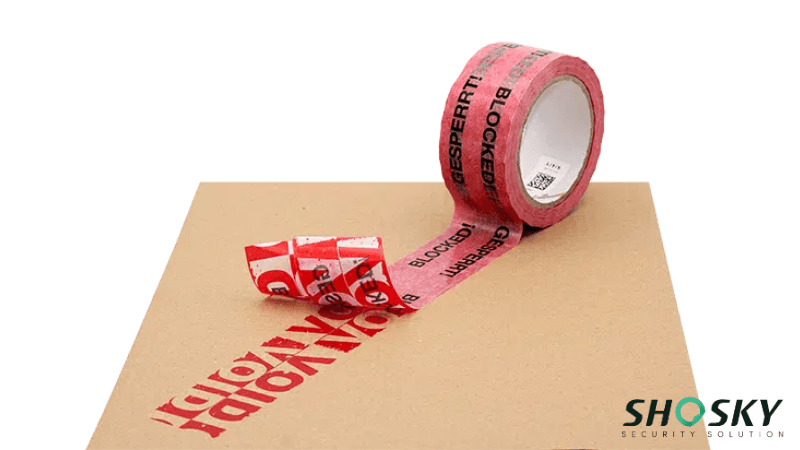
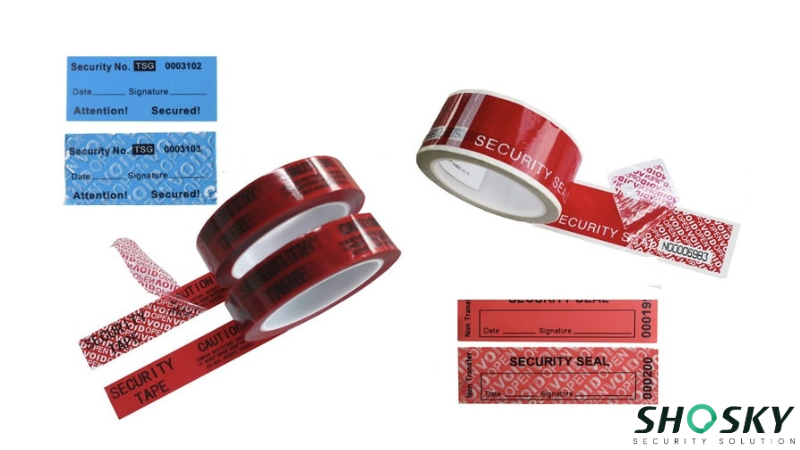
- Tamper-evident seals: Adhesive seals or labels that leave a clear visual indication (e.g., a permanent “VOID OPENED” message) on corrugated cartons when peeled back.
- Tamper-evident packaging: Packaging designed with features like perforated edges or breakaway components that can’t be reassembled without visible damage.
- Tamper-evident labels: Ultra-destructible vinyl labels that fracture into tiny fragments when someone attempts to remove them from a surface.
The fundamental purpose of tamper-evident technology is to provide a reliable means of detecting unauthorized access or tampering, enabling the protection of sensitive information, valuable assets, and maintaining a strict chain of custody for critical infrastructure.
What is Tamper-Proof Technology? (Focus: Prevention)
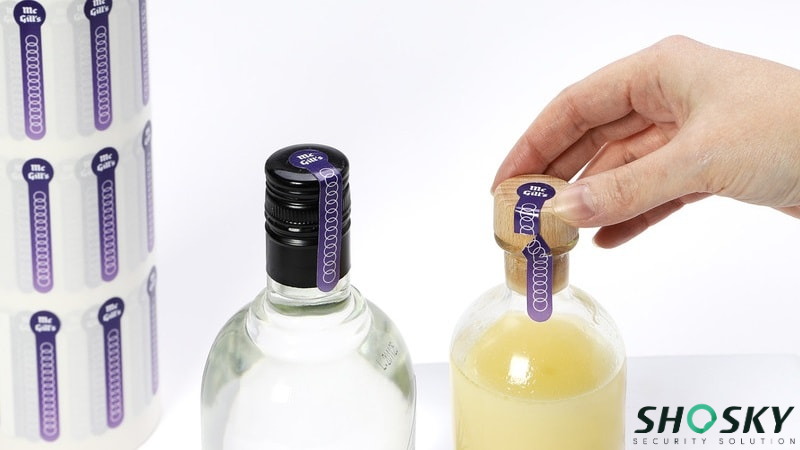
Tamper-proof refers to products or solutions that are designed to completely resist almost any form of physical tampering or unauthorized access. Tamper-proof technology is engineered to make it virtually impossible to access or alter the contents without causing significant, irreversible damage that is immediately apparent.
Examples of tamper-proof solutions include:
- Tamper-proof packaging: Heavy-duty, reinforced security bags (like bank deposit bags or duty-free bags) equipped with high-security closure systems that show irreversible deformation if subjected to heat, cold, or solvents.
- Tamper-proof security seals: Heavy-duty metal cable seals or bolt seals with locking mechanisms that cannot be removed or bypassed without visually obvious destruction using heavy cutting tools.
- Tamper-proof enclosures: Rugged, reinforced housings for electronic devices (like ECUs) or equipment that prevent unauthorized access to internal components.
Tamper-proof technologies rely on design features like reinforced materials, specialized locking mechanisms, and sealed containers to make it impossible to tamper with the protected item without causing catastrophic, irrefutable damage. This provides the highest level of assurance against tampering and unauthorized access.
What is Tamper-Resistant Technology? (Focus: Deterrence)

Tamper-resistant refers to products or solutions that are designed to make tampering more difficult and time-consuming, though not necessarily impossible. Tamper-resistant solutions increase the effort, expertise, and tools required to access or alter the protected item, creating a strong deterrent against casual or opportunistic tampering.
Examples of tamper-resistant solutions include:
- Tamper-resistant packaging: Packaging with reinforced materials, shrink bands, or difficult-to-open mechanisms that increase the challenge of gaining unauthorized access on retail shelves.
- Tamper-resistant enclosures: Reinforced housings or containers that incorporate specialized security screws (requiring custom screwdrivers), hidden access points, or other design elements to impede tampering.
- Tamper-resistant seals: Adhesive seals or labels that incorporate specialty strong top coats or construction to make removal or reapplication more frustrating and difficult.
While tamper-resistant technologies do not provide the same level of absolute protection as tamper-proof solutions, they can still effectively deter and detect many types of tampering attempts. By making unauthorized access more difficult, tamper-resistant features provide a valuable layer of physical security.
When to Use Each Type: Applications & Examples
Each tamper protection technology (evident, proof, or resistant) serves a unique role depending on the required security level. Tamper-evident solutions focus on detection, tamper-proof ones on full prevention, and tamper-resistant options on deterrence. Understanding where and how to use each type helps businesses secure assets, comply with industry regulations, and maintain trust.
Tamper-Evident (Detection is Key)
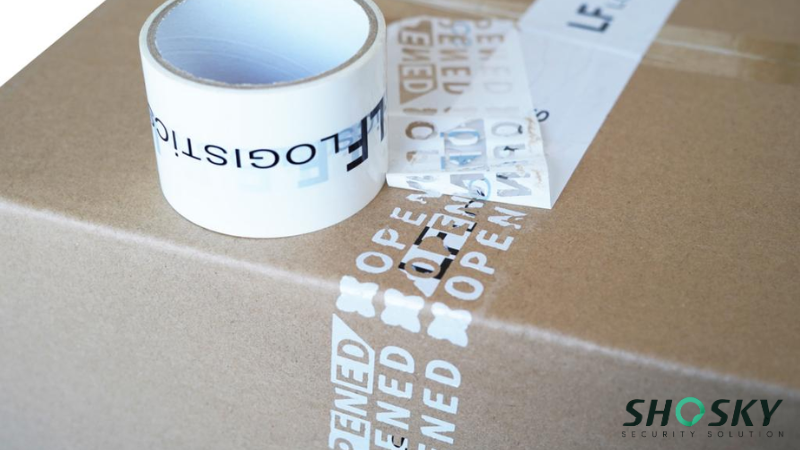
Tamper-evident products are essential where visual proof of interference is critical. These solutions are ideal for food packaging, ensuring customers can easily spot broken seals or disturbed closures. They are also used in pharmaceuticals to prevent contamination and meet FDA compliance.
Other applications include confidential documents and legal evidence, where tamper-evident seals maintain a verifiable chain of custody and protect against disputes.
Here are the best use cases of Tamper-Evident Solutions:
- Chain of Custody: For legal or medical evidence or duty-free transport that needs strict traceability.
- Logistics & E-commerce: Using security void tape to seal bulk shipping cartons against transit theft.
- Mass-Produced Goods: For cost-effective protection in fast-moving consumer products.
Tamper-Proof (Prevention is Mandatory)
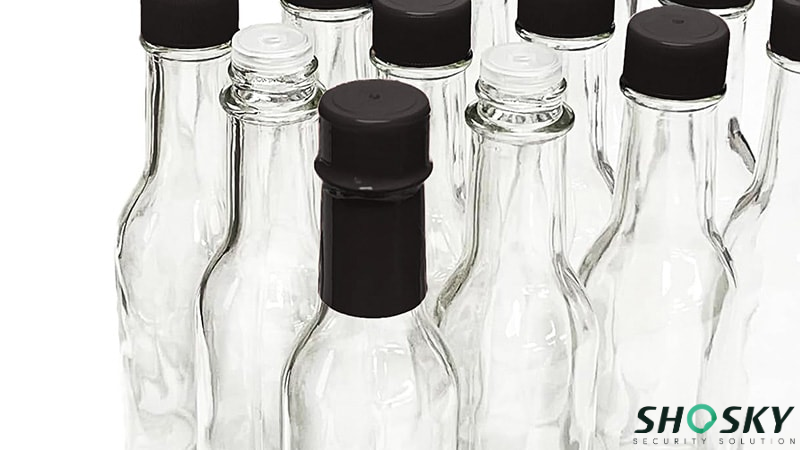
Tamper-proof technologies are built for absolute prevention. Once sealed, they can’t be accessed without leaving clear and irreversible signs of damage. They are commonly used for electronics, preventing internal access or warranty fraud, and for cash transit bags, protecting financial assets in motion.
Government agencies and pharmaceutical manufacturers also rely on tamper-proof systems to maintain the integrity of high-value or sensitive materials.
Here are the best use cases of Tamper-Proof Solutions:
- High-Value Assets: Cash in transit, jewelry, and collectible items using Level 4 security bags.
- Sensitive Data: Classified information and critical storage drives.
- Critical Infrastructure: Servers, lab equipment, or network points needing full protection.
- Pharmaceuticals: Where access control and raw material (API) purity are non-negotiable.
Tamper-Resistant (Deterrence is Sufficient)

Tamper-resistant options are a balanced choice. They make unauthorized access difficult but not impossible, discouraging casual tampering while allowing authorized use. These solutions are widely seen in electronics, machinery, and consumer goods that require security without losing practicality.
Smartphones, laptops, and industrial enclosures often feature tamper-resistant housings that slow down tampering attempts and add another layer of protection against theft or interference.
Here are the best use cases of Tamper-Resistant Solutions:
- Moderate-Value Products: Items that need added difficulty without full lockdown.
- Equipment Enclosures: Where accessibility and protection must coexist.
- Access Control Points: Doors, lockers, or systems requiring restricted entry.
- Reusable Devices: Tools or assets that need secure but repeatable access.
By aligning tamper-evident, tamper-proof, and tamper-resistant measures with operational needs, organizations can build layered protection, detecting, preventing, and deterring tampering in ways that suit their products, budgets, and industries.
How to Choose the Right Solution for Your Needs?

When selecting the appropriate tamper protection for your organization’s needs, it’s essential to carefully weigh several key factors. The type of product or asset you are securing, the level of security required, application surfaces (e.g., cardboard vs. LSE plastics), and operational environments (extreme temperatures or humidity) should all be taken into account.
To simplify your decision-making process, follow these operational guidelines:
Choose Tamper-Evident for Audit Trails and Detection
When maintaining a clear audit trail and detecting tampering is the priority, this is the most suitable choice.
These solutions are highly beneficial in healthcare, law enforcement, and logistics, where verifying the integrity of sensitive items is crucial. Tamper-evident seals, packaging, and labels provide a reliable way to immediately identify any unauthorized access or manipulation.
Choose Tamper-Proof for Absolute Prevention
In cases where preventing tampering altogether is of the utmost importance, such as for high-value assets or cash transit, tamper-proof technologies (like serialized security bags) may be the best fit.
These robust solutions, often found in industries like electronics, aerospace, and pharmaceuticals, are engineered to resist any attempt at unauthorized access, ensuring the maximum level of physical protection.
Choose Tamper-Resistant for Flexible Deterrence
For situations where reducing the risk of tampering is essential, but flexibility is also required, tamper-resistant options can strike a balanced approach.
These solutions, which may be employed in equipment enclosures, access control systems, or moderate value product packaging, make unauthorized access more difficult without completely restricting authorized use.
Common Mistakes to Avoid in Security Packaging

Selecting the right technology is only half the battle. Avoid these common pitfalls to ensure your security system does not fail in the real world:
- Over Specifying: Do not buy expensive tamper-proof mechanical seals when a simple tamper-evident label is enough to meet FDA compliance for basic transit.
- Ignoring the Substrate: A high security void label will fail to trigger if applied to a heavily textured, wet, or dirty carton. Always test the adhesive on your specific packaging material.
Expert Tip from Shosky: In our decades of manufacturing security packaging, we often see procurement teams mistakenly use standard water based tamper evident tape on frozen logistics. Always match your adhesive chemistry to your transit temperature and surface material, not just the security level.
FAQs
Q1: What products typically use tamper-resistant packaging?
Products requiring a balance between security and ease of access often use tamper-resistant packaging. Examples include consumer electronics, certain food items, and cosmetics.
Q2: Are tamper-proof seals necessary for all products?
No, tamper-proof seals are not needed for all products. They are crucial for high-risk, high-value items like cash deposit bags, forensic evidence, and industrial medical supplies.
Q3: What is a tamper-evident requirement?
A tamper-evident requirement is an industry or legal mandate (like FDA regulations) ensuring that products show clear, irreversible signs of tampering (such as VOID messages left by security tape or fractured labels) if accessed before reaching the end user.
Q4: What is the main difference between tamper-evident and tamper-proof?
Tamper-evident solutions visually show you if a package was opened or altered, while tamper-proof solutions physically stop someone from opening the package without completely destroying it.
Q5: Can tamper-evident tape be applied to plastic courier bags?
Yes, but it requires specialized solvent-based adhesives designed for low surface energy plastics. Standard tapes will peel off smoothly, whereas specialized tapes ensure the VOID message transfers correctly upon tampering.
Conclusion
Tamper-evident, tamper-proof, and tamper-resistant technologies each serve a unique purpose in protecting valuable assets. Whether you need to detect tampering, prevent it entirely, or deter it, these technologies offer tailored solutions for various industries. By choosing the appropriate technology, you can safeguard valuable assets, maintain product integrity, and enhance overall security.
Keep Your Assets Safe with Shosky’s Proven Anti-Tamper Solutions!
When it comes to securing valuable assets, Shosky Security offers the best in tamper-evident, tamper-proof, and tamper-resistant solutions. From tamper-evident labels and bags to tamper-proof seals and resistant packaging, we deliver the highest level of protection for industries like electronics, banking, and logistics. Contact us today to learn more about our innovative solutions!