
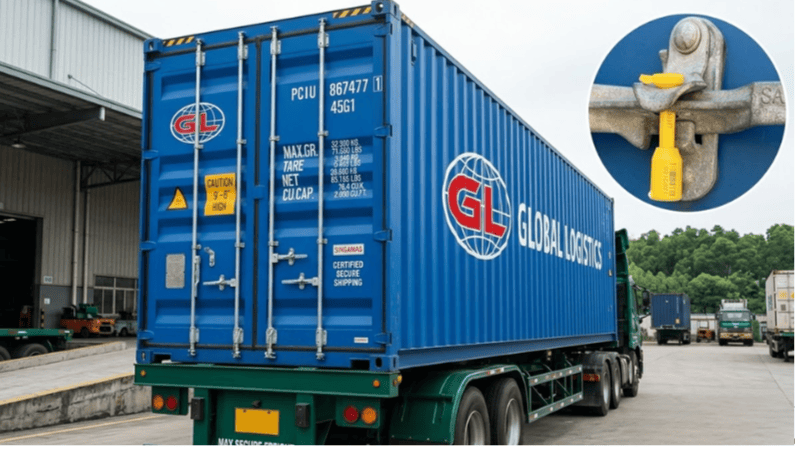
Cargo theft accounts for approximately $15 billion in global losses annually. So, for those managing cross-border logistics, securing goods against interference is a fundamental requirement.
Under the Customs-Trade Partnership Against Terrorism (C-TPAT) program, compliant seals are the absolute frontline of defense to protect freight and avoid catastrophic customs delays. In this article, we will explain what C-TPAT-compliant seals are and why they matter for global shipping. Understanding that helps shippers protect containers and support compliance with customs standards.
What Are C‑TPAT Compliant Seals?
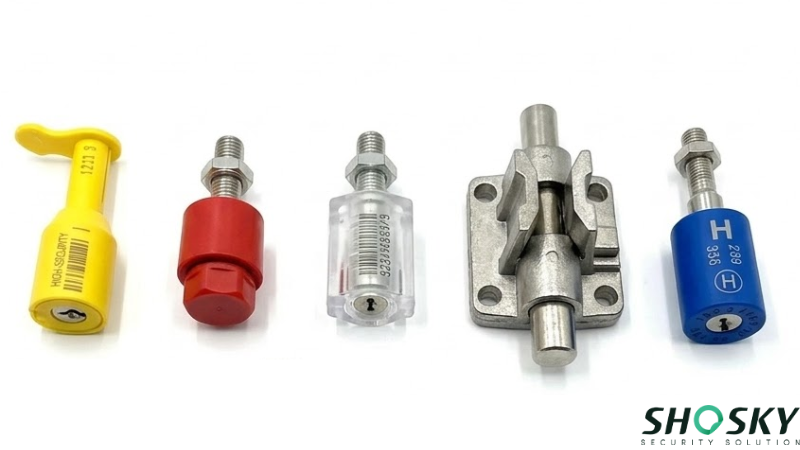
A C-TPAT-compliant seal is a security seal used to lock shipping containers and cargo in a way that provides visible evidence of any tampering. For a seal to be C-TPAT compliant, it must be classified as a High Security seal under ISO 17712.
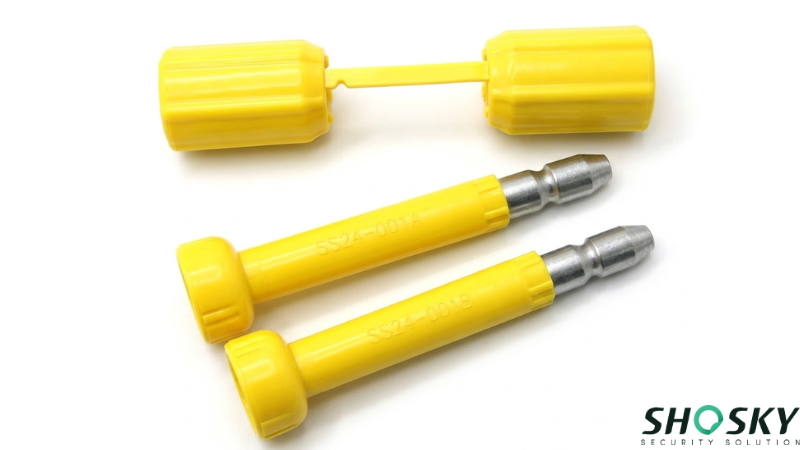
There are two main types of high security products used in international shipments: high security bolt seals and heavy-duty cable seals. Both must carry the following features to be considered a C-TPAT-compliant seal:
- Heavy metal construction, typically hardened steel or aluminum alloy
- Tamper-evident design that leaves permanent, visible signs of any interference attempt
- A unique alphanumeric serial number laser-marked onto the seal body
- The manufacturer’s logo is permanently marked on the seal
- An ‘H’ designation indicating ISO 17712 High Security certification
- Structural durability rated for maritime shipping and long-haul trucking conditions
Beyond the seal itself, C-TPAT requires strict handling procedures. Unused seals must be stored in a locked area with restricted access. Only trained, designated employees may apply or distribute seals.
Every seal application must be recorded in a Seal Inventory Log, noting the serial number, application date, container or trailer number, and the name of the authorized employee.
How the ISO 17712 Standard Relates to C‑TPAT Compliance
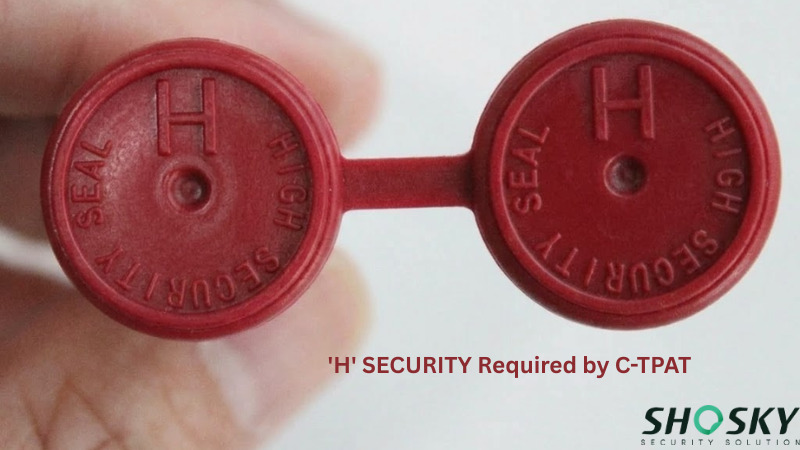
C-TPAT does not conduct its own seal testing. It relies entirely on ISO 17712, the internationally accepted standard for freight container seals published by the International Organization for Standardization. To qualify for C-TPAT use, a seal must achieve the ‘H’ (High Security) rating under this standard.
ISO 17712 certified seals must pass independent laboratory testing. Test reports must be current and renewed every 24 months. The three physical tests required for the H rating are:
| Test | What It Measures | Why It Matters |
|---|---|---|
| Tensile Strength | Resistance to being pulled apart under applied force | Prevents removal by stretching or pulling the seal body |
| Shear Test | Resistance to being cut with bolt cutters or heavy tools | Stops forced entry using the most common tamper tools |
| Impact Test | Resistance to blunt force, such as hammer blows | Protects against physical manipulation at rest stops or ports |
A seal that passes all three tests earns the ISO 17712 H classification. Seals rated ‘I’ (Indicative) or ‘B’ (Barrier) do not qualify for C-TPAT use under any circumstances. Additionally, achieving the ‘H’ rating isn’t just about physical strength. The seal manufacturer must also pass ISO 17712 Clause 6, which is a rigorous audit of the seal’s tamper-evident capabilities. This ensures that any attempt to bypass the seal using heat, freezing (Freon), or chemical solvents leaves undeniable forensic evidence.
Why Cross‑Border Shippers Need C‑TPAT Compliant Seals
Companies that ship goods across international borders must deal with complex customs procedures. Using C-TPAT-compliant high security seals provides many advantages that help keep cargo moving and avoid problems.
1. Lower Inspection Rates
One of the main benefits of participating in the C-TPAT program is reduced inspections by customs authorities. C-TPAT-certified shippers are seen as low risk. This allows CBP to focus inspections on higher-risk shipments.
According to U.S. Customs data, importer participants can be 3.5 times less likely to have security or compliance exams on their cargo compared with non‑participants. Faster border processing saves time and reduces costs. Some land border crossings also offer access to Free and Secure Trade (FAST) lanes for certified carriers, cutting wait times and improving efficiency.
2. Avoiding Fines and Cargo Rejection
Using seals that do not meet the C-TPAT standard is grounds for cargo rejection at the border. Non-compliance can trigger container holds, demurrage charges, rerouting fees, and potential penalties under a shipper’s C-TPAT certification agreement.
Written procedures must already be in place outlining immediate notification to CBP when a seal is compromised. The cost of sourcing ISO 17712 certified seals is a fraction of what a single detained or rejected shipment costs in fees, lost time, and damaged client relationships.
3. Protecting Supply Chain Integrity
Supply chain infiltration costs global logistics networks billions annually. However, high security seals act as a direct defense, providing tamper-evident protection and helping maintain the integrity of shipments across the entire journey.
Many shipments use barrier seals to secure containers and trailers. If a seal shows signs of interference, the chain of custody is immediately questioned. This visibility gives shippers the information they need to handle claims, prevent losses, and uphold compliance with international standards.
4. Reduced Liability in Cargo Disputes
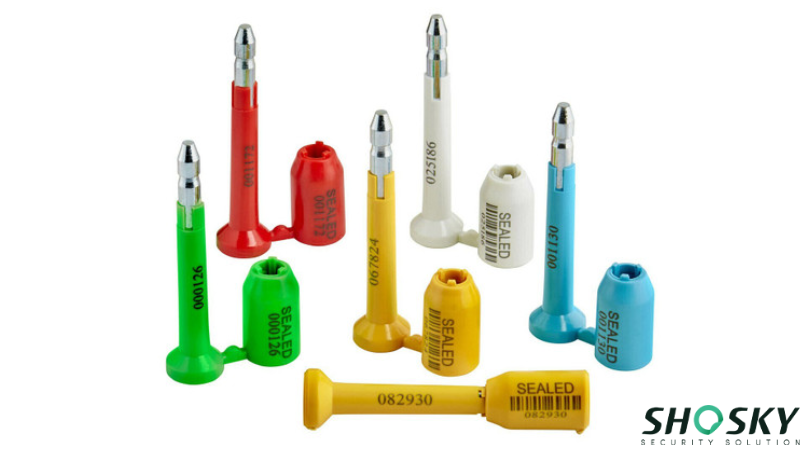
When cargo arrives damaged or short, the first question is whether the seal was intact. An ISO 17712 certified seal with a logged serial number gives shippers verifiable evidence that the container was secure when it left the origin point.
Furthermore, C-TPAT mandates the VVTT (View, Verify, Tug, Twist) inspection process upon arrival. Receiving personnel must visually inspect the seal, verify the serial number against the manifest, tug it to ensure it is locked, and twist it to check for tampering. That documentation carries weight with insurers, clients, and customs authorities. Shippers without compliant seals often have no reliable way to prove where in the journey an incident occurred.
5. Stronger Business Reputation and Compliance Standing
Joining the C-TPAT program and using compliant seals signals to partners and customers that your company values security. Many global importers and logistics partners prefer to work with shippers who have experience in meeting recognized security standards.
Certification can make your business more attractive in competitive supply chain relationships. It also improves standing with customs authorities, which supports the long-term integrity of a shipper’s C-TPAT certification.
How to Choose the Right C‑TPAT Compliant Seal for Your Business
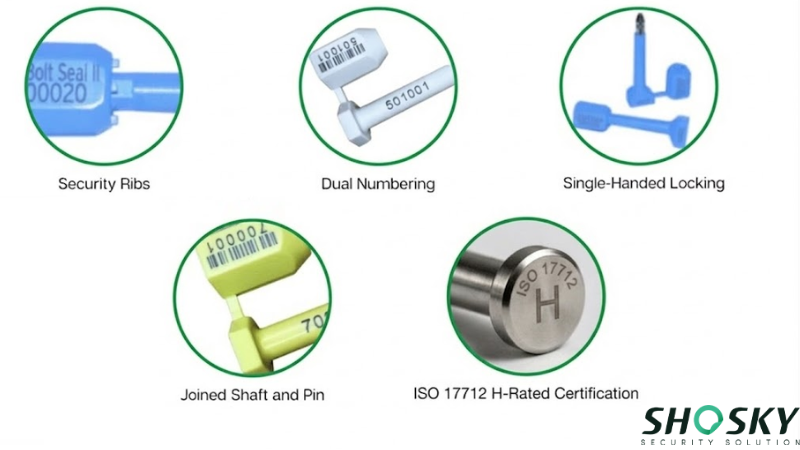
The right seal depends on your specific application and the type of cargo you move. Both bolt seals and cable seals can meet the ISO 17712 High Security standard, but each suits different situations. Here is how the main options break down:
- Shipping containers and ocean freight: High security bolt seals are the standard choice. They provide the strongest physical barrier, resist cutting or forced entry, and are accepted by customs authorities worldwide. For maximum security, buyers should specify bolt seals with an “anti-spin” interlocking feature, which prevents thieves from defeating the seal by spinning it at high speeds with power tools.
- Truck trailers and intermodal cargo: Both high-security bolt seals and heavy-duty cable seals work well. Since trailers often feature different locking hardware (like swing or roll-up doors), you need seals with extremely high shear strength. Cable seals are especially useful for securing complex latches, preventing thieves from simply removing the door hinges to bypass the seal entirely.
- Rail cars: Heavy-duty cable seals are often preferred because of their flexibility and compatibility with non-standard rail locking hardware. Because rail transport involves constant, violent vibrations over long distances, the braided steel construction ensures the seal won’t randomly snap under tension, maintaining an unbroken chain of custody until the final yard.
The security seal types with a minimum 3.5mm cable thickness can physically pass the ISO 17712 H-rated tests. Standard plastic seals and thin wire seals fail the shear and tensile requirements. They must not be used in any C-TPAT-compliant shipment.
Customization and Traceability Options for C-TPAT Compliant Seals
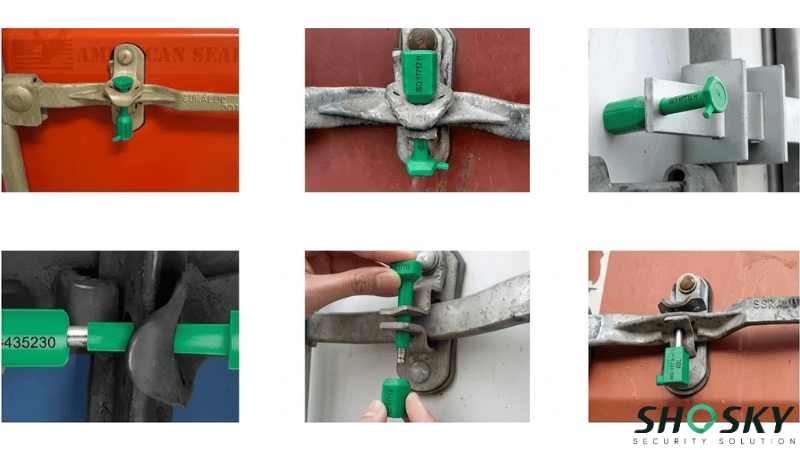
For modern enterprise supply chains, a security seal is not just a physical lock; it is a critical data tracking point. ISO 17712 certified seals can be fully customized without affecting their compliance status, provided the right manufacturer handles it.
Factory-direct manufacturers offer laser-printed branding, sequential serial numbering, QR codes, high-contrast QR codes, and color options for visual identification by route or shipment type.
For high-volume shippers, sequential numbering is indispensable. When seal numbers are scannable and aligned with internal ERP logistics systems, every application and removal gets instantly tied to a specific shipment record, accelerating audits and maintaining a pristine chain-of-custody document.
One important rule applies across all customization options: any modification must be completed during the manufacturing process. Changes made after production void the seal’s ISO 17712 certified status. A seal that has been altered outside the factory cannot be used in a C-TPAT-compliant program.
FAQs
Q1: Do all international shipments require ISO 17712 seals?
Not all shipments require them. However, companies that are C-TPAT certified must use high security seals that meet ISO 17712 standards for all inbound containers crossing U.S. borders.
Q2: Can bolt seals be customized?
Yes. Many high-security bolt seals can be customized with laser‑printed serial numbers, company logos, or barcode systems, provided it is done by the manufacturer before shipping.
Q3: What happens if a seal is broken during transit?
If a seal breaks before delivery, it must be reported immediately to the appropriate parties. Customs authorities (such as CBP) may require notification depending on the situation, and the container must be held in a secure area until an inspector arrives.
Conclusion
High security seals are more than a tool; they are a key part of maintaining trust in global trade. C-TPAT compliant seals provide tamper-evident protection, help prevent cargo theft, and give shippers clear information for monitoring shipments. Choosing the right seals ensures shipments remain safe from origin to destination.
Upgrade Your Cargo Protection with Shosky Security C‑TPAT Compliant Seals
Shosky Security offers high-security C-TPAT-compliant seals for ocean, rail, and truck shipments. Protect your goods, maintain supply chain integrity, and meet international compliance standards. Contact us for bulk orders and custom options.