
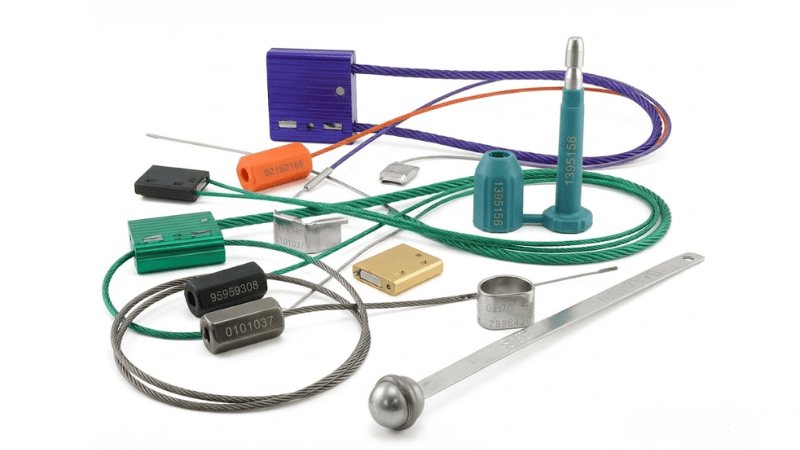
Transporting hazardous chemicals, acids, or volatile liquids leaves no room for mistakes. A small valve breach can cause leaks, environmental damage, or stolen cargo. In many cases, the first line of defense comes from properly selected chemical transport security seals.
In this article, we will outline the key features of tamper-evident security seals that can survive harsh environments. To help you pick seals that provide maximum protection for tanker valves, drum lids, and container doors.
The Unique Challenges of Securing Chemical Cargo
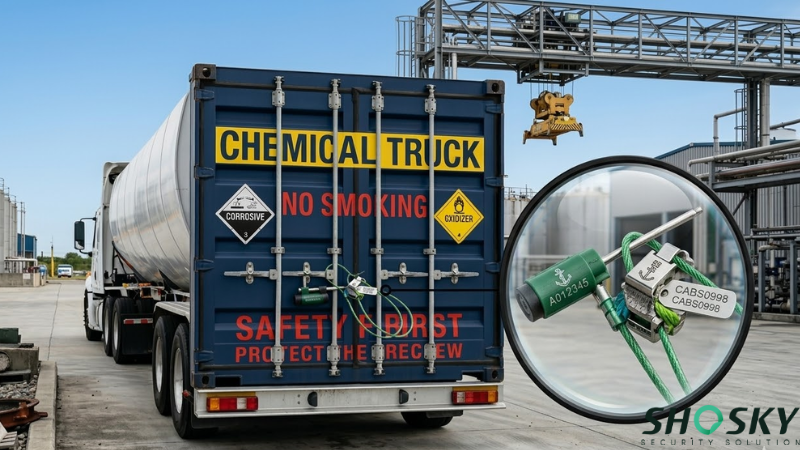
The chemical industry deals with substances that can destroy ordinary sealing devices. Many low-cost, generic seals that work fine on a dry-goods trailer can deteriorate within hours when exposed to aggressive chemical environments.
So, the seals that protect your cargo during transit need to be engineered specifically for what they will face. Key environmental threats in chemical transport include:
- Corrosive Fumes and Splashes: Strong acids and alkalis eat through standard plastics quickly. A seal that looks intact can be structurally compromised after even brief contact.
- Extreme Temperatures: Winter road transport can drop cargo temperatures well below freezing, while internal chemical reactions in some tankers generate significant heat. Materials that are not rated for this range will crack or warp.
- UV Exposure and Vibration: Long-haul outdoor transit exposes seals to constant UV radiation, while road vibration creates metal fatigue over time. Both forces accelerate seal degradation.
According to a federalregister.gov report, improper packaging and inadequate sealing account for a significant portion of hazardous materials incidents during transport each year. Choosing the wrong seal is not just a compliance risk; it is a safety risk.
Top Features of Chemical-Resistant Security Seals
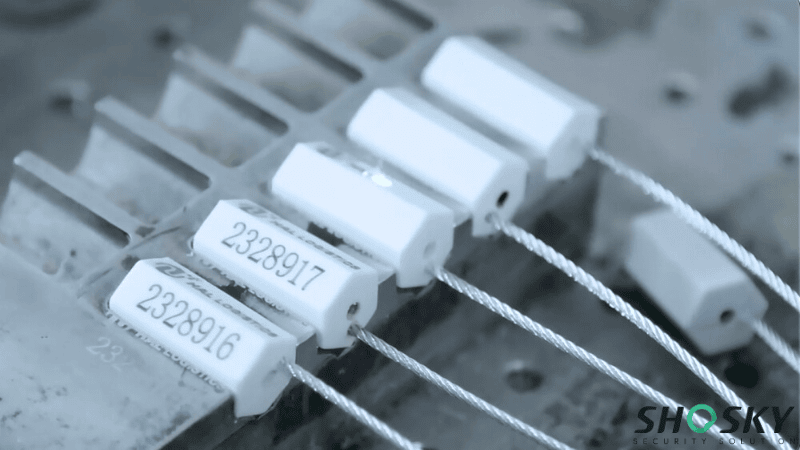
Selecting tamper-evident security seals for hazmat applications means understanding the materials involved. Here are the key material properties that separate reliable seals from those that will let you down in the field.
| Feature | Why It Matters | What Fails Without It |
|---|---|---|
| Stainless Steel Cable Construction | Stays flexible enough to fit tanker valves and latch systems of any size | Basic metal wire corrodes quickly, weakening the physical barrier and making tampering easier |
| Maintains Structural Strength | Maintains structural strength in both freezing temperatures and high heat | Standard housings crack in cold, soften in heat, and can be compromised without leaving visible tamper evidence |
| Laser Marked Serialization | Markings stay readable after chemical exposure and long transit | Ink-printed text wipes off with solvents in seconds, leaving seals unidentifiable and audits without a paper trail |
| Chemical Resistance Rating | Confirms the seal performs in the actual chemical environment it will face, not just standard lab conditions | Seals without verified ratings can appear intact while structurally degraded, giving false security |
| C-TPAT and ISO 17712 Compliance | Accepted by customs inspectors and regulatory auditors worldwide | Non-compliant seals can delay shipments at border crossings and expose carriers to fines |
When these features combine, security seals deliver strong protection against tampering. Reliable tamper-evident seals help chemical companies protect valuable chemicals, maintain security, and meet regulatory transport requirements.
The Best High Security Seals for the Chemical Industry
Different chemical transport points require different types of seals. Tanker valves, drum lids, and trailer doors all need reliable sealing solutions.
Heavy Duty Cable Seals for Tanker Valves
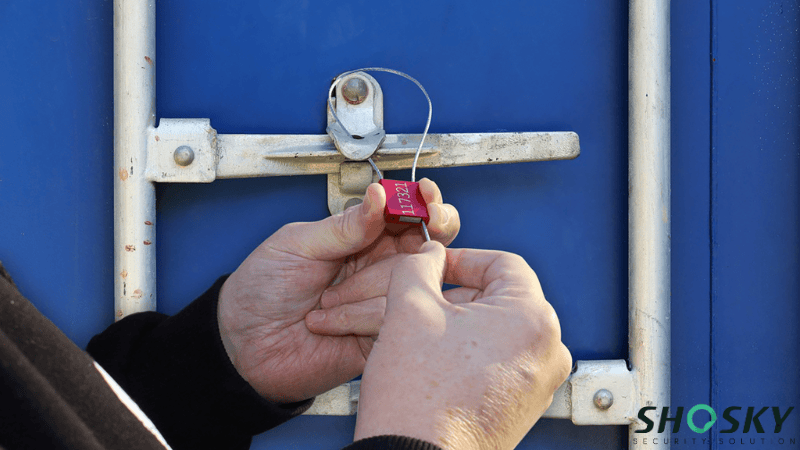
Heavy-duty cable seals remain the top choice for tanker valves and outlet connections. The flexible tamper-proof steel wire construction allows the seal to adjust to almost any valve latch shape or size, which matters when you are working with older tank equipment or non-standard fittings.
These high security seals serve two purposes at once. The braided steel cable provides a genuine physical barrier that requires real effort and visible tools to defeat, and the sealed body provides clear tamper evidence if anyone attempts to access the valve between checkpoints. For bottom discharge valves on tankers carrying chemicals, this combination of flexibility and strength is exactly what is needed.
Safety Insight for Volatile Liquids: When transporting highly flammable chemicals (like ethanol or industrial solvents), bare steel cables striking metal valves during transit can create catastrophic friction sparks. For these highly volatile loads, fleet managers must specify plastic-coated or zinc-extruded cable seals to ensure a non-sparking (ATEX-compliant) physical barrier.
Common uses for cable seals include:
- Tanker top valves and outlet connections
- Bottom discharge valves on chemical tankers
- IBC valve fittings and steel barrel latches
- Railcar hatch closures on bulk chemical routes
Cable seals with laser-engraved serial numbers also support chain of custody documentation at every checkpoint. When a driver hands off a load, the seal number gets logged, and any sign of tampering is immediately visible without needing special equipment to detect it.
High Security Bolt Seals for Drum Trailers
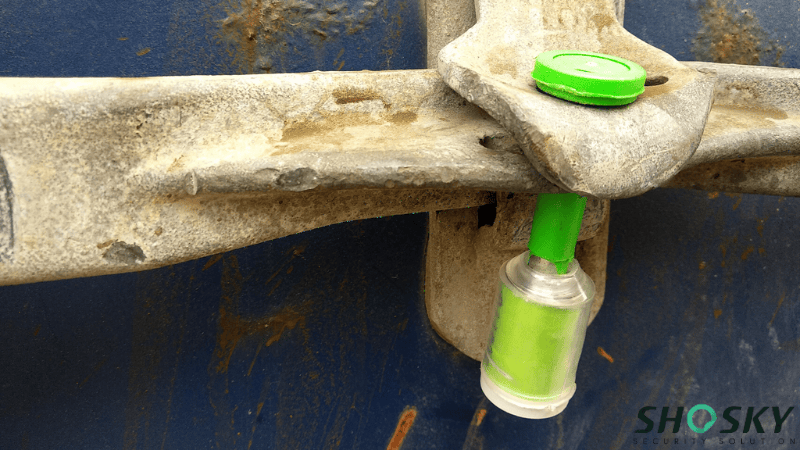
Bolt seals are the standard choice for container doors and dry-van trailers carrying drummed chemicals. The hardened steel bolt locks into a rigid body that cannot be defeated without bolt cutters or heavy cutting tools, making any tampering attempt both loud and obvious.
Most high-security bolt seals carry ISO 17712 “H” certification and are fully C-TPAT compliant, which makes them the default requirement for cross-border hazmat shipments. These seals often carry laser-marked serial numbers and identification text so inspection teams can verify cargo security during transit.
Security Insight for High-Value Drums: Standard bolt seals have a fatal flaw—they can often be defeated by high-speed spinning. Thieves attach a power drill to the bolt head, spinning it until friction melts the plastic locking mechanism inside. To prevent this, chemical transport managers must strictly specify “Anti-Spin” bolt seals. These advanced seals feature interlocking geometric grooves that permanently lock the pin and barrel together, making rotation impossible.
Common uses for bolt seals include:
- Rear doors of dry-van trailers carrying chemical drums
- Intermodal shipping containers with hazardous materials
- Railcar door latches on long-haul chemical routes
U.S. Customs and Border Protection’s C-TPAT suggests that containers sealed with ISO compliant high security seals experienced far fewer tampering attempts than unsealed shipments.
How to Choose the Right Tamper-Evident Seal for Your Chemical Transport Needs
Fleet managers must evaluate sealing devices carefully before purchasing. The correct choice depends on latch design, regulatory requirements, and tracking needs.
Step 1: Match the Seal Flexibility to the Latch
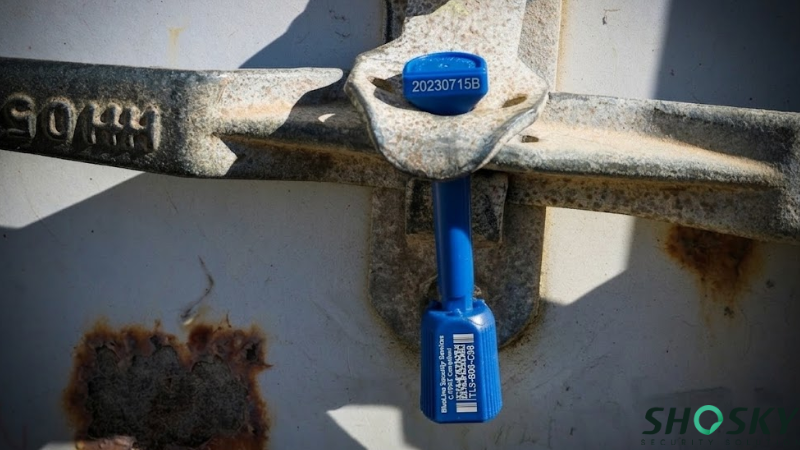
Tanker valves come in all shapes. Tight or irregularly shaped valve fittings need a flexible cable seal that can thread through and lock securely. Standard container doors with conventional locking bars are a natural fit for rigid bolt seals.
Using the wrong type means the seal cannot be installed properly. For example, when securing a tanker discharge valve, the driver must pull the cable seal absolutely flush and tight against the latch. If slack is left in the cable loop, thieves can use a technique called ‘shimming’, rotating the valve handle just enough to siphon out valuable chemicals without ever breaking the seal.
Step 2: Verify Regulatory Compliance
Any carrier moving hazardous chemicals across borders needs seals that are ISO 17712 “H” classified. The H rating means the seal has been tested and certified as a high security barrier, not just a passive indicator.
To meet U.S. Customs and Border Protection’s C-TPAT requirements for cross-border shipments, the seal must be officially classified as an ISO 17712 ‘H’ (High Security) device. There is no separate ‘C-TPAT certificate’ for seals; the ISO ‘H’ rating is the mandated standard.
If your chemical tanker crosses international borders, C-TPAT requires an ISO 17712 ‘H’ rated seal. For cable seals, this legally requires a minimum cable diameter of 3.5mm (1/8 inch). Thinner cables (like 1.5mm) will only achieve an ‘S’ or ‘I’ rating and will fail customs inspections.
Step 3: Define Customization Needs for Auditing
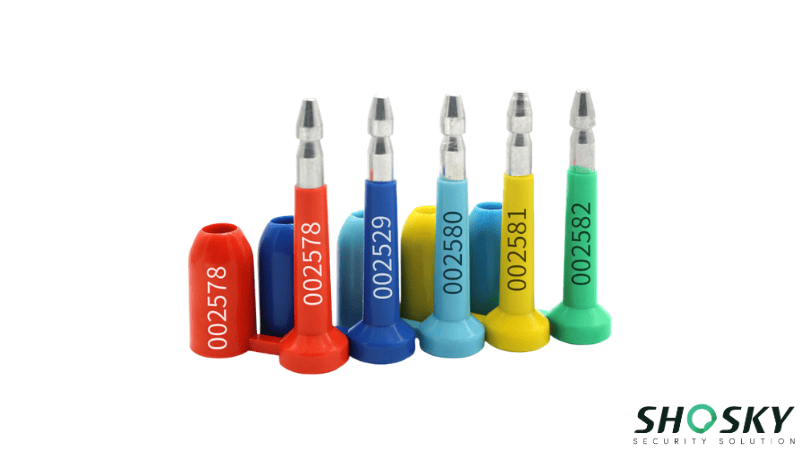
Sequential serial numbering is the minimum for chain of custody documentation. If your operation uses digital tracking systems, QR codes or barcodes printed or engraved on each seal allow scannable records at every checkpoint.
Custom text and logo printing on seals can also streamline auditing and reduce the risk of counterfeit seals being introduced into your supply chain.
Some companies also choose colored seals to separate product categories. For example:
- Red: High-priority or hazardous loads requiring immediate attention at checkpoints.
- Blue or green: Standard chemical shipments cleared for regular processing.
- Yellow or orange: Temperature-sensitive or time-critical cargo.
- Silver: Often reserved for high-value or regulated chemical materials.
Color-coded security seal types let drivers, dock workers, and inspectors quickly identify seal status without having to read serial numbers. When combined with laser-engraved text and barcode tracking, color becomes part of a layered verification system.
FAQs
Q1: Can chemical solvents erase the serial numbers on standard security seals?
Yes. Some solvents can remove printed ink from low-quality seals. Laser-engraved numbers on high-security seals remain readable even after chemical exposure.
Q2: What is the best type of seal for a tanker bottom discharge valve?
Cable seals usually work best. Their flexible wire fits through narrow valve holes while still showing clear evidence of tampering.
Q3: How do freezing temperatures affect plastic security seals?
Cheap plastic seals may become brittle in extreme cold. High-quality polycarbonate materials remain strong in both freezing and hot environments.
Q4: Do chemical transport seals need to be ISO 17712 compliant?
ISO 17712 compliance is required for many international shipments. Many companies also prefer CTPAT-compliant seals to meet customs security programs.
Conclusion
Security seals are one of the lowest-cost components in a chemical shipment and one of the highest-impact ones. Both stainless steel cable seals and high security bolt seals provide visible tamper evidence and strong physical barriers against unauthorized access. Investing in proper seals reduces risk and keeps operations compliant.
Secure Your Hazardous Fleet with Shosky Security
Fleet operators trust Shosky Security for ISO 17712 and C-TPAT-compliant seals. Explore our selection of stainless steel cable seals and high security bolt seals, and contact us for a free sample to see them in action.