
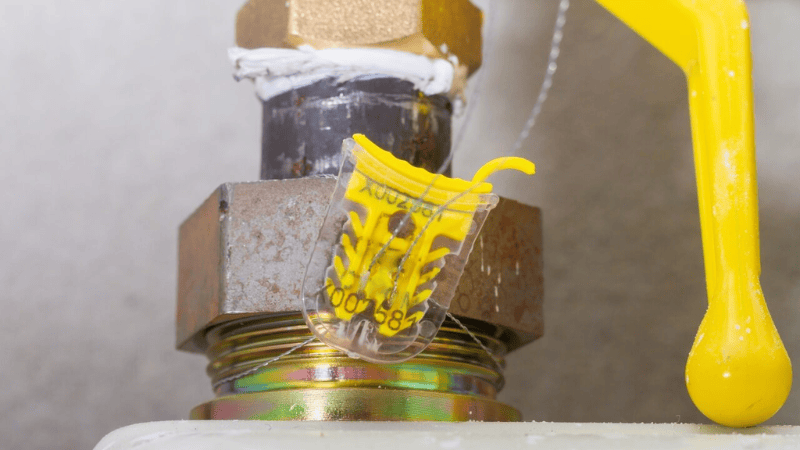
Wire seals have been the gold standard for securing weights, measures, and metering devices since the 19th century. While broader logistics sectors use bulky plastic or bolt seals, metering equipment requires solutions that fit through incredibly small micro-apertures. This mechanical constraint makes braided wire seals irreplaceable.
However, sophisticated tampering techniques and stringent environmental regulations have driven a massive technological evolution in wire sealing. This expert guide explores that evolution, compares core sealing mechanisms, and provides actionable engineering advice for selecting the right materials for your specific calibration needs.
The Evolution Away From Toxic Lead Seals
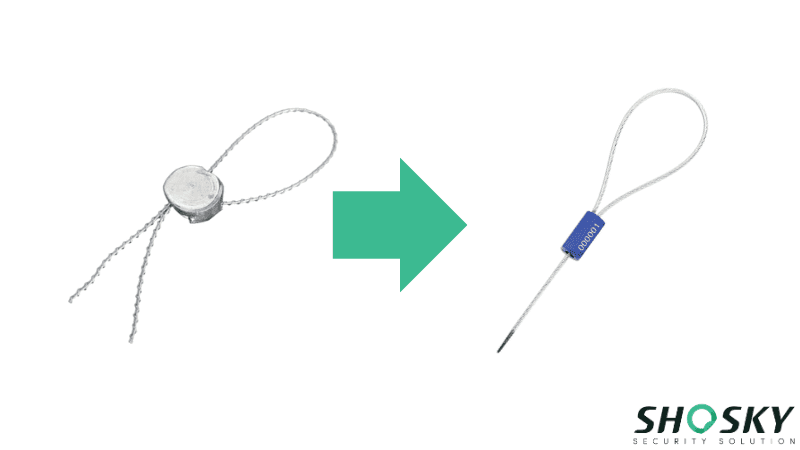
Historically, the traditional lead-and-wire seal was the undisputed champion of the metering industry. Field technicians would thread a cut wire through the meter’s locking mechanism, pass it through a pre-cast lead disc, and crush it using a heavy mechanical hand press. Lead was favored because it is incredibly malleable; it crushes easily and holds a permanent, highly detailed impression of the technician’s crimping die.
While this crushing method remains highly effective for creating a permanent, tamper-evident bond, the base material itself is undergoing a global phase-out.
Due to increasing awareness of heavy metal toxicity and strict global environmental directives, most notably the European Union’s RoHS (Restriction of Hazardous Substances) and REACH regulations, modern manufacturers, utility conglomerates, and government agencies are rapidly transitioning away from lead. The daily handling of lead seals poses cumulative health risks to field technicians, and discarded lead seals pose severe groundwater contamination risks.
Today, advanced wire seals utilize eco-friendly, non-toxic alternatives such as aluminum alloys, tin, and high-impact polycarbonates. These modern materials are engineered to provide the exact same level of physical security and crushability as lead, but with zero health risks. By adopting these modern alternatives, your company not only protects its workforce but also demonstrates a commitment to global environmental compliance, which is a crucial factor in securing large-scale government or utility contracts.
Ready to Get Wire Seals for Your Business?
Start With A Low Minimum Order Quantity
Core Categories Of Commercial Wire Seals
Depending on your field technicians’ operational requirements, budget, and the level of security required, wire seals generally fall into two main categories: Tool-Required (Crimp Seals) and Toolless (Self-Locking Seals).
Crimp Wire Seals (Tool Required)
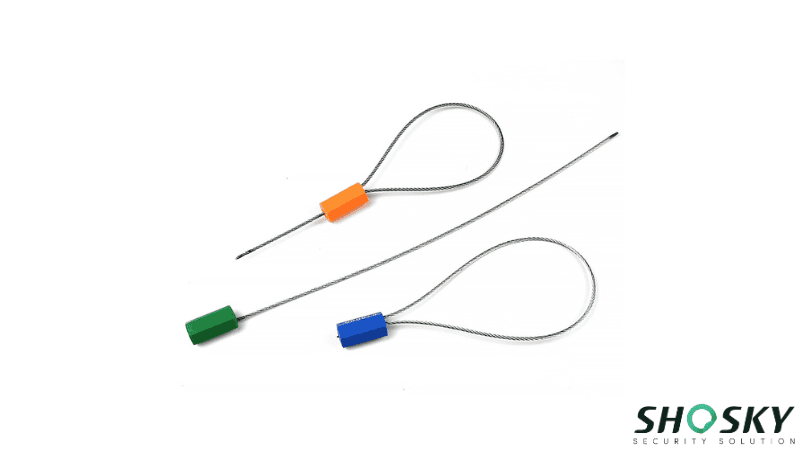
These are the modern, highly engineered successors to the traditional crush seals. They consist of a soft metal or crushable polymer body with parallel internal chambers for the braided wire. Once the wire is threaded through the equipment and into the seal body, the seal is permanently compressed using a specialized sealing press or heavy-duty industrial pliers.
Logistics directors heavily favor these adjustable seals for securing complex agricultural hoppers and electronic scales utilizing these distinct features:
-
Custom Embossing Security: The hardened steel die within the sealing press permanently embosses a unique corporate logo or specific technician identification code directly into the metal body.
-
Compact Aluminum Flags: Modern options include compact aluminum crimp seals designed specifically for incredibly tight spaces and microscopic diagnostic ports.
-
Zero Substitution Risk: Because the custom logo is mechanically crushed directly into the material, seamless substitution by unauthorized personnel becomes mathematically impossible.
These highly formalized crimp seals represent the absolute best use case for public utility meters, postal scales, and laboratory test equipment where field technicians are already deployed with specialized heavy toolkits and require a rigid audit trail.
Self-Locking Wire Seals (Toolless)
For exceptionally faster application without the severe physical burden of carrying heavy mechanical hand presses, self-locking wire seals represent the absolute cutting edge of commercial metering security. These advanced seals rely entirely on internal one-way locking mechanisms.
To secure high-value metering assets efficiently, logistics directors aggressively deploy these advanced toolless architectures:
-
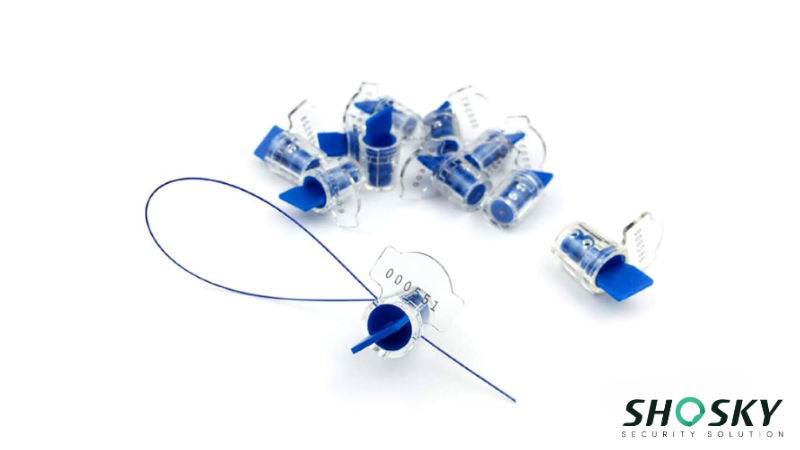
Rotary Polycarbonate Seals: Featuring a transparent polycarbonate body with an internal colored locking insert. The wire is twisted tightly, and the handle is snapped off, leaving the wire permanently entombed.
-
Stainless Steel Plunger Seals: These seals feature a hardened polymer body containing a one-way stainless steel plunger that instantly locks the braided wire firmly in place.
-
Multi-Point Bronze Cup Seals: Consisting of a two-piece disc housing a hard bronze multi-point lock ring resembling saw teeth. Once pressed together, they are totally impenetrable without a heavy industrial cutting tool.
These advanced self-locking mechanisms completely remove the variables associated with human crimping errors. By ensuring a perfect lock every single time, maintenance directors guarantee that high-volume logistics networks, taxi meters, and fuel delivery trucks remain absolutely secure.
Material Selection: Choosing the Right Braided Wire
A premium security seal operates as a complete mechanical system; the body of the seal is only half of the security equation. The wire itself is equally critical. Premium quality wire seals absolutely never use a single solid strand of wire, as a solid smooth wire can be covertly lubricated and pulled out of a crushed seal housing.
Instead, procurement teams must utilize multi-ply braided wire (typically 2 to 4 intertwined strands). When the seal is crimped, the body material permanently flows into the microscopic ridges of the braid, creating an unbreakable mechanical grip. Selecting the correct wire material depends entirely on your extreme operating environment:
| Wire Material | Engineering Characteristics & Tensile Strength | Ideal Environmental Applications |
|---|---|---|
| Galvanized Steel | Provides incredibly strong tensile strength and is exceptionally difficult to cut without professional grade wire snips. Highly cost effective. | Ideal for dry indoor industrial use such as factory scales and indoor electric meters. |
| 304 Stainless Steel | The absolute premium heavy duty choice. Offers maximum tensile strength exceeding 10 lbs and completely resists severe coastal saltwater and chemical vapor corrosion. | Mandatory for extreme outdoor environments, offshore drilling rigs, and long term volatile chemical plant valves. |
| Braided Copper | Significantly softer and highly conductive. Will absolutely not produce mechanical sparks if struck forcefully or cut. | Strictly required for volatile gas metering, fuel depots, liquid delivery trucks, and non sparking intrinsic safety zones. |
| PVC Coated Steel | Braided steel wire completely encased in a thin protective layer of food grade nylon or smooth PVC plastic. | Perfect for hygiene sensitive food processing scales or preventing deep scratches on delicate medical laboratory machinery. |
Relying on this precise material matrix ensures that your security wire flawlessly survives its mandatory calibration lifecycle. Misunderstanding the critical difference between indoor galvanized steel and outdoor stainless steel is the primary cause of premature environmental seal failures.
Critical Applications in Measuring & Metering
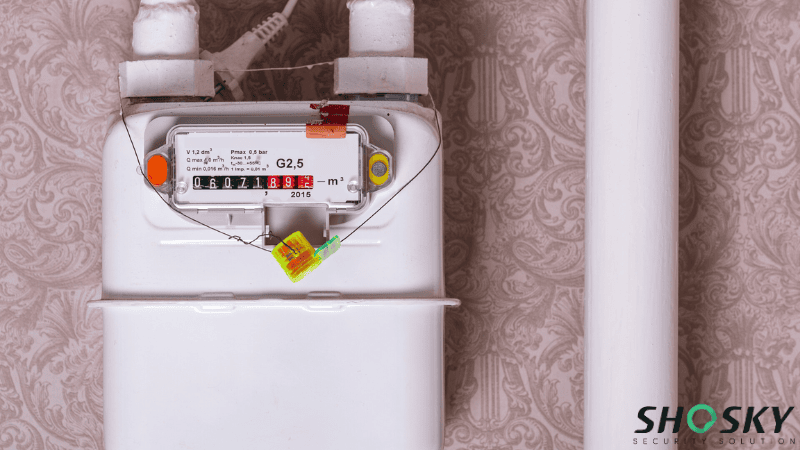
The primary operational goal of a wire seal is to ensure absolute calibration integrity, providing undeniable physical proof that a commercial device has not been tampered with or adjusted to explicitly display false readings. The National Institute of Standards and Technology actively regulates commercial weighing devices, mandating strict physical security protocols to prevent consumer fraud.
Procurement officers must mandate these physical engineering specifications across these four critical sectors:
-
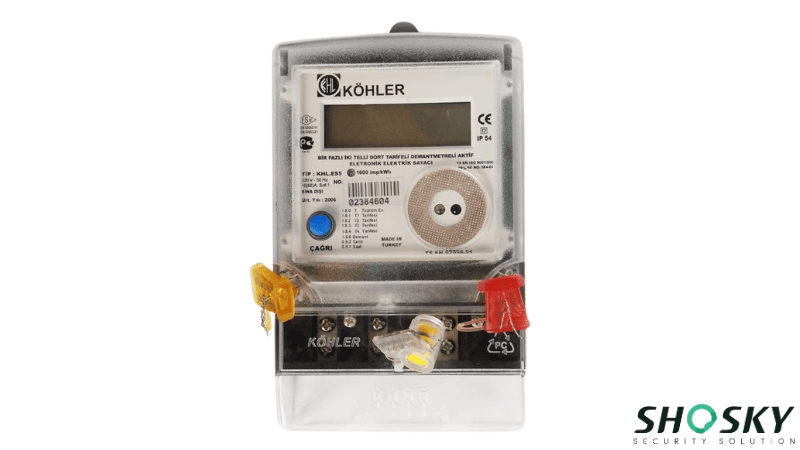
Utility Metering (Water, Gas, Electric): Utility theft costs global energy providers billions of dollars annually. Wire seals are deployed directly on the physical housing of meters to prevent consumers from bypassing the meter or tampering with the internal dials to reduce their recorded consumption.
-
Liquid Delivery & Fuel Trucks: When a fuel truck dispatches 1,000 gallons of diesel, the receiver must trust the truck’s meter. Wire seals secure the valves and flow meters immediately after state-certified calibration, ensuring the exact volume of fuel dispatched matches the volume delivered, preventing mid-route siphoning.
-
Transport & Logistics: Truck weigh stations, postal scales, and taxi meters rely on strict calibration. Wire sealing these devices ensures that rates and tariffs are applied fairly and legally, maintaining consumer trust and regulatory compliance.
-
Quality Control & Laboratories: In pharmaceutical manufacturing or high-tech engineering, laboratory test equipment and automated filling machines must dispense exact micro-measurements. Sealing these devices after calibration ensures absolute accuracy and forms a critical part of ISO compliance audits.
Even a microscopic unauthorized manipulation in commercial calibration can result in massive financial losses or severe community safety hazards. By aggressively sealing these vulnerable access points, enterprise companies actively protect their highly valuable corporate revenue.
Best Practices for Maximum Tamper Evidence
Purchasing high-quality wire seals is only the first step. To ensure your seals provide the highest level of security, your field technicians must follow strict installation and auditing protocols:
-
Eliminate Slack During Application: When threading the wire through the device aperture and into the seal, pull the wire as tightly as possible before crimping or locking. Leaving excess slack or large loops gives tamperers room to manipulate the device’s latch or attempt to pick the seal.
-
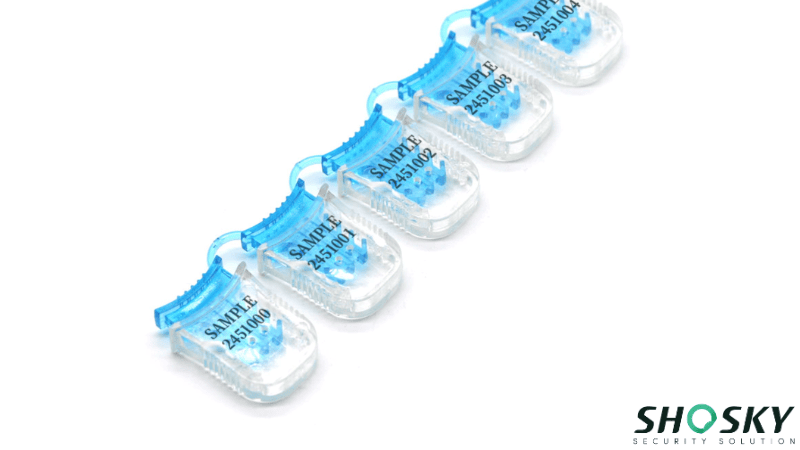
Maintain a Strict Audit Trail: Always utilize seals with sequential serial numbers, laser-engraved barcodes, or custom company logos. A cut wire is obvious, but if a thief cuts a blank seal and replaces it with an identical blank seal, the tampering goes unnoticed. Record the specific seal serial number in your database at the exact time of calibration.
-
Inspect for Micro-Tampering: Train your auditors to look beyond just cut wires. They should inspect polycarbonate bodies for cloudiness (a sign of heat tampering), check crimped metal for tool marks or deep scratches (a sign of prying), and ensure the braided wire hasn’t been unraveled and glued back together.
-
Always Cut to Remove: When it is time for authorized recalibration, technicians must cut the wire with snips rather than trying to pry the seal body open. Retain the broken seal temporarily as physical evidence if prior tampering is suspected.
Enforcing these rigorous daily routines ensures that your highly engineered hardware functions exactly as intended. This active diligence completely insulates your parent organization from expensive compliance lawsuits and massive public relations disasters.
FAQs
Q1: Are modern polycarbonate wire seals legally compliant for commercial fuel pumps?
Yes. Advanced polycarbonate wire seals featuring laser-etched serialization fully comply with stringent NIST Handbook 44 physical security regulations for commercial fuel dispensers. They provide vastly superior tamper evidence and environmental durability compared to outdated toxic lead materials.
Q2: Why is transparent polycarbonate critical for self-locking wire seals?
A completely transparent outer casing eliminates internal physical blind spots. It heavily allows government compliance officers to visually inspect the delicate internal locking plunger for microscopic stress marks or illegal mechanical manipulation without needing to physically cut the wire open.
Q3: Can stainless steel security wire survive severe sub-zero winter environments?
Absolutely. Premium 304 grade braided stainless steel wire is metallurgically engineered to maintain maximum tensile strength and completely resist spontaneous mechanical shattering in harsh climates plunging well below negative 40 degrees Fahrenheit.
Elevate Your Metering Security
Wire seals have stood the test of time because of their unparalleled adaptability in securing small-aperture devices. By transitioning away from outdated materials, embracing modern toolless locking mechanisms, and strictly controlling your serial number audit trails, you can eliminate calibration drift, prevent revenue loss, and safeguard the integrity of your measuring equipment.
Looking to upgrade your security protocols with highly customized, RoHS-compliant wire seals? Explore Shosky‘s full range of advanced crimp and self-locking wire seals, or contact our engineering team today to request tailored samples for your specific metering environment.