
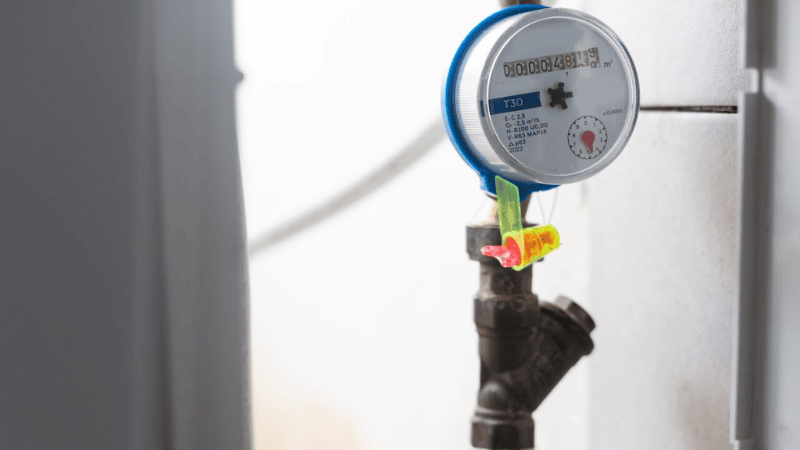
Utility fraud costs the global energy sector an estimated $96 billion every year, according to a peer-reviewed analysis published on ResearchGate. Gas, water, and electric meters are tampered with daily, and most of it goes undetected for months. The damage is not just financial.
Tampered utility meters erode consumer trust, expose companies to regulatory penalties, and create genuine safety hazards in gas and water supply lines. That’s why preventing meter tampering is necessary. This article breaks down how to prevent meter tampering in gas, water, and electric utilities.
Common Types of Utility Meter Tampering
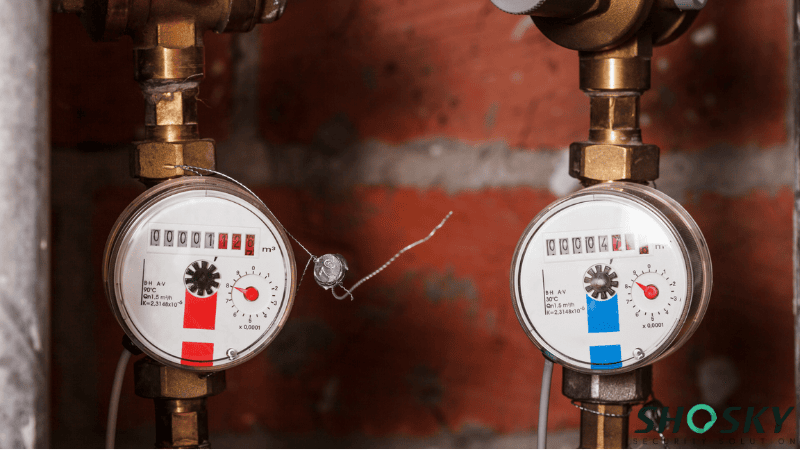
Utility meters face several tampering techniques. Some attempts target the meter body directly. Others manipulate wiring or surrounding systems.
1. Altering the Meter Register
Some individuals attempt to modify the internal register of electric meters or energy meters. They open the meter body and change mechanical components to reduce recorded energy consumption. A meter seal blocks that access point. If someone breaks the seal, inspectors notice the damage during routine checks.
2. Physical Damage to the Meter
Deliberate physical damage prevents a meter from recording accurate readings. A cracked or broken meter body can skew gas, water, or electric consumption data significantly. In many cases, the damage is staged to look accidental, making it harder to identify tampering without a proper meter seal inspection.
3. Bypassing the Meter
Energy theft sometimes occurs when users bypass the meter completely. Unauthorized wiring routes electricity around the electric meter so the system records lower usage. These bypasses are difficult to spot without regular field inspections and leave no trace on the meter itself. That is why sealing wire and wire seal solutions at connection points are so important.
4. Magnetic Interference
Thieves often use powerful neodymium magnets to saturate the current transformers (CTs) inside older electric meters, causing them to under-record. Magnetic interference can distort measurement outputs. Modern electronic meters now include sensors that detect such disturbances. When the sensor activates, the system logs the tampering record.
The Role of Security Seals in Preventing Meter Tampering
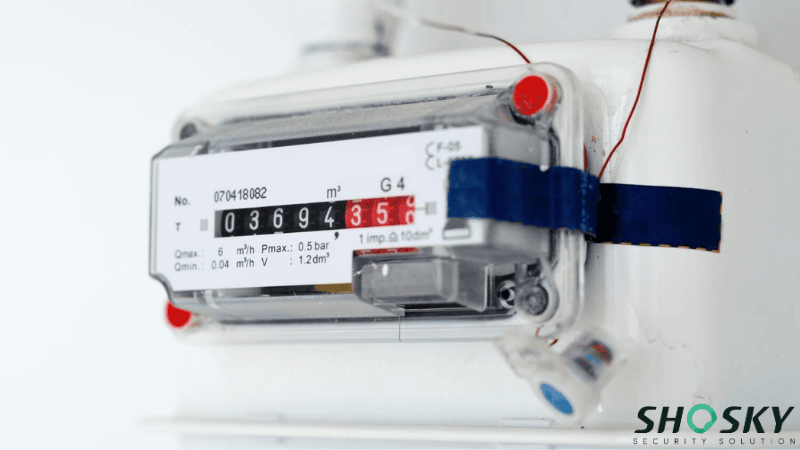
A study published in IEEE Power Engineering reports that smart energy meters with tamper detection reduced electricity theft incidents by more than 30 percent in monitored networks. Different types of security seals serve as physical indicators of access attempts. When installed properly, they lock the meter body and sealing wire together.
If someone attempts to open the meter, the seal breaks. That creates immediate evidence of tampering. Tamper-evident seals also provide several advantages for utility companies:
- Visible tampering indicators
- Serialized tracking numbers or QR codes
- Quick inspection during field visits
Many meter seal products include QR codes or printed serial numbers. Utility workers scan the code during installation and record it in inspection logs. If the number does not match the original record, inspectors know that tampering occurred.
High-quality seals also support supply chain tracking. A seal supplied from verified stock helps maintain consistent security standards across all meter installations.
Types of Security Seals for Gas, Water, and Electric Meters
Utility applications require different seal types. Each environment demands specific materials, wire length, and sealing design.
Electric Meter Seals
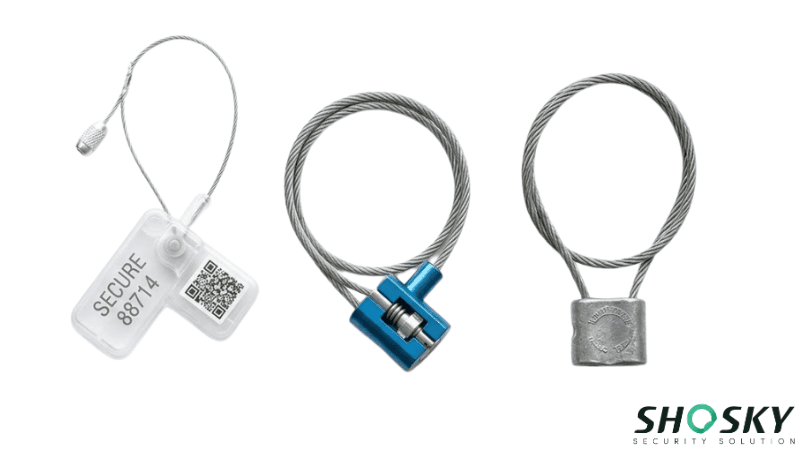
Electric meters require strong security because they control energy billing data.
Common seal types include:
- Plastic meter seal with sealing wire
- Cable seals used for larger electric systems
- Traditional lead seals with metal wire
While traditional lead seals were once the industry standard, they are rapidly being phased out due to environmental/health hazards and how easily they can be counterfeited using fake crimping pliers. Modern polycarbonate (PC) plastic seals are the superior upgrade.
Plastic meter seal products often use ABS resin or pc body materials. These materials resist environmental damage while maintaining visibility of tampering.
Electric meter installations often require a precise wire length. The sealing wire passes through the meter body and locks into the seal insert.
Utility companies record each meter seal during installation. That record helps track security during inspections.
Gas Meter Seals
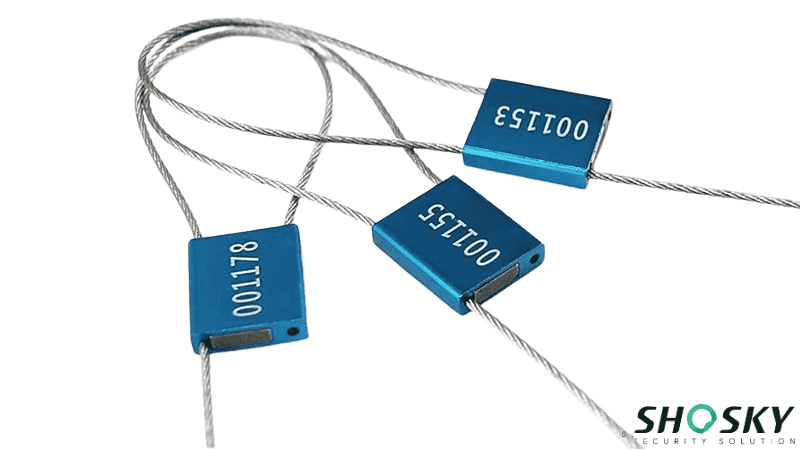
Gas meters operate outdoors in many residential and industrial locations. Weather exposure requires durable sealing materials.
Security seals for gas meter installations often include reinforced sealing wire and corrosion-resistant body materials.
Typical gas meter seal features include:
- weather-resistant coatings
- reinforced wire seal structure
- strong insert locking mechanism
Gas refineries and distribution systems rely on these security seals to prevent tampering with gas supply measurements.
Because gas theft can create safety risks, many government agencies require certified meter seal products for gas meter protection.
Water Meter Seals
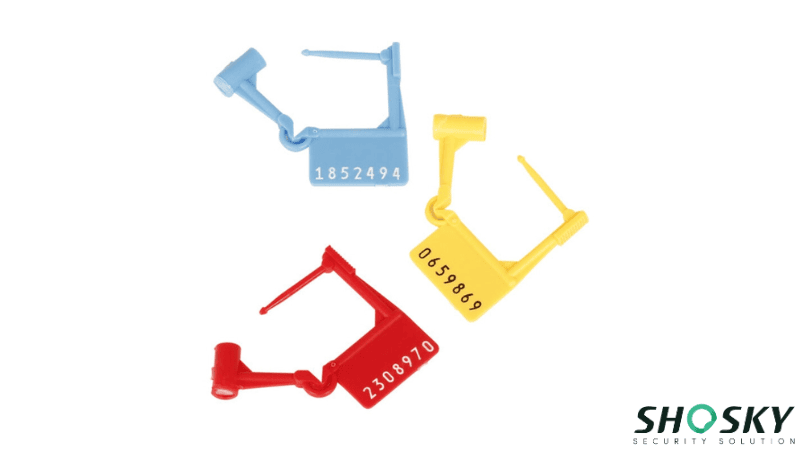
Water meters present a different challenge. They are often installed in underground pits, valve boxes, or wet environments where corrosion is a constant concern. These locations also make routine inspections harder, since meters may sit below ground level or inside confined spaces.
Because of this, utility workers rely on seals that remain visible and intact even in damp conditions. Clear visual indicators help inspectors confirm quickly that the meter has not been opened between service visits.
Plastic seals are a popular choice for water meter applications.
Typical water meter seal features include:
- corrosion-resistant plastic body
- bright color options for quick visual inspection
- lightweight design for easy installation
- non-metallic material that prevents rust in wet environments
Municipal water systems and private water suppliers across the world rely on these seals to protect meter integrity and support accurate billing.
Top Features of High-Quality Anti-Tamper Meter Seals
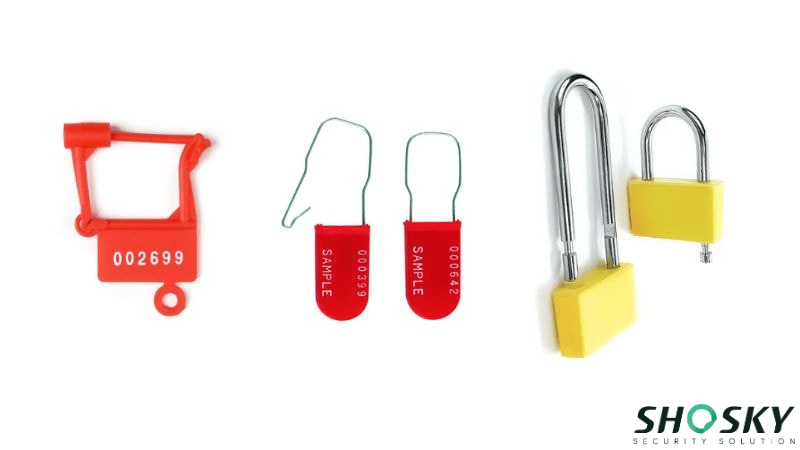
Not every seal on the market offers the same level of protection. The table below outlines the core features to evaluate when selecting meter seals for gas, water, or electric applications.
| Feature | Why It Matters | Applicable Meter Types |
|---|---|---|
| Tamper-evident indicator | Provides visible, irreversible proof of tampering | Gas, Water, Electric |
| Serialization / QR code | Enables tracking and audit trail for each seal | Gas, Water, Electric |
| Weather-resistant materials | Maintains seal integrity in outdoor and wet conditions | Gas, Water |
| High-tensile sealing wire | Resists cutting and pulling without leaving evidence | Electric, Gas |
| ABS resin body | Lightweight, corrosion-resistant, suitable for all climates | Water, Electric |
| Custom branding / logo | Makes counterfeit replacement seals easy to spot | Gas, Water, Electric |
| Cable seal option | Required for high-security or high-value meter enclosures | Electric |
Beyond these core features, ease of installation matters. A seal that is difficult to apply correctly creates inconsistency in the field. The seal body should accept the sealing wire or cable cleanly, with a secure locking mechanism that requires deliberate force to defeat.
ISO and NIST Compliance: The Legal Side of Meter Security
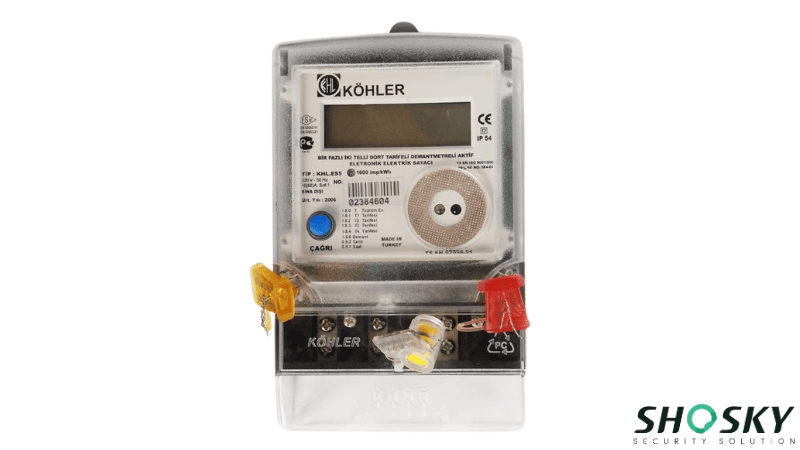
Meter security is not only a technical issue, but also a legal one. Regulatory bodies in most countries require utility companies to maintain tamper-resistant technologies and sealing systems on all metered connections.
Internationally, frameworks like ISO 17712 (for high-security seals) and NIST Handbook 44 (for weighing and measuring devices) set baseline standards for tamper protection in metered systems. Government agencies in many jurisdictions conduct periodic audits and can impose significant fines when compliance gaps are found.
Proper record-keeping is a legal requirement in most regulated markets. Utility companies must maintain detailed logs of seal usage. Failure to maintain these records can result in penalties even when no tampering has actually occurred. Compliance requires treating seal management as a documented process, not an ad-hoc field activity.
Best Practices for Meter Seal Installation & Tracking
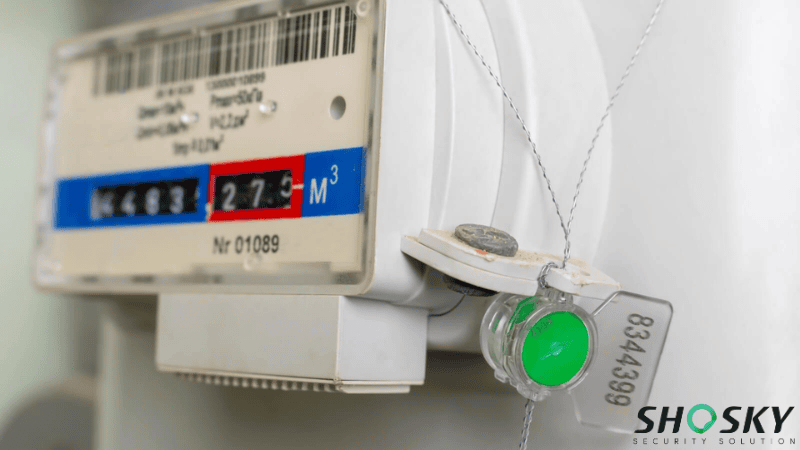
A quality seal only works if it is installed correctly. These practices help utility companies get the most out of their meter sealing programs:
- Conduct regular field inspections. Routine checks act as a deterrent and catch tampered seals early. Inspectors should be trained to identify subtle signs of seal manipulation.
- Use high-security options for meter enclosures, such as barrel locks combined with seals. Physical barriers and seals together make unauthorized access significantly harder.
- Replace seals immediately after any authorized access. Leaving a meter without a valid seal (even briefly) creates a window for tampering.
Consistent application of these installation practices makes tampering more difficult and easier to detect. Detailed records, frequent field checks, and robust enclosures ensure meter seals function as a reliable safeguard. This systematic approach strengthens overall utility security.
FAQs
Q1: What is the most effective seal for gas meters?
A strong wire seal or plastic meter seal made from abs resin usually works well. These seals resist outdoor weather and provide visible tamper evidence.
Q2: How often should utility meters be inspected?
Utility companies typically inspect meter seals during routine maintenance visits. Some systems perform inspections annually or during billing audits.
Q3: Can tamper-evident seals be reused?
No. Once a tamper-evident seal breaks, it cannot return to its original condition. A new meter seal must replace the broken one.
Q4: Which seals work best for outdoor installations?
Plastic security seals with reinforced sealing wire often perform best. They resist moisture, temperature changes, and environmental damage.
Conclusion
Preventing meter tampering does not require a complete infrastructure overhaul. In most cases, the right security seals, a consistent inspection schedule, and proper record-keeping are enough to stop the vast majority of unauthorized access attempts before they cause real damage. Utility companies that invest in proper meter seals not only protect their own bottom line, but also keep the system fair for the consumers who depend on it.
Keep Your Utility Meters Safe with Shosky Security Seals
Shosky Security specializes in tamper-evident seals for electric, gas, and water meters, helping utility companies reduce fraud and maintain accurate billing. Our solutions are customizable and easy to install. For more details on our products, contact us today.