
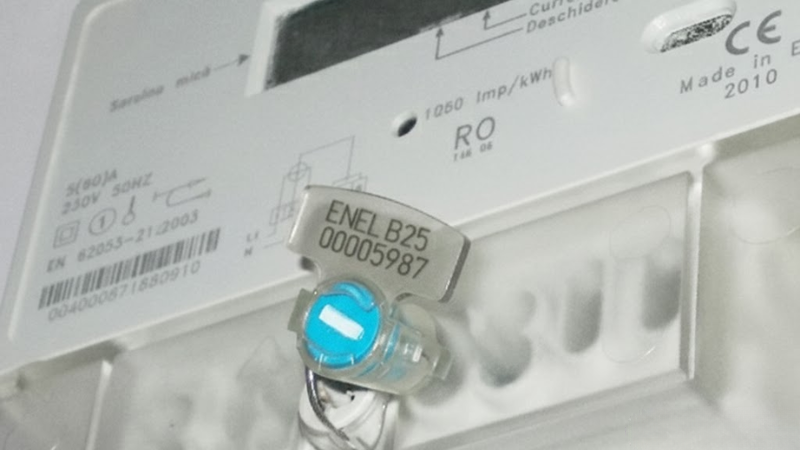
Meter seals might look small, but they protect some of the most valuable systems in the world. They stop tampering, keep calibration accurate, and help utilities maintain fair billing. A recent report on smart sealing technologies found that digital seals helped reduce unrecorded tampering cases by nearly 40% in pilot programs.
This shift shows how technology is reshaping an old but vital security practice. Without proper sealing, even a minor breach can lead to large-scale data errors and losses. These tamper-evident solutions help technicians confirm that equipment has stayed untouched since calibration. In this article, we will talk about how different meter seal designs work and how they improve accuracy, traceability, and trust.
What are Meter Seals and Why Do They Matter: Core Functions and Benefits
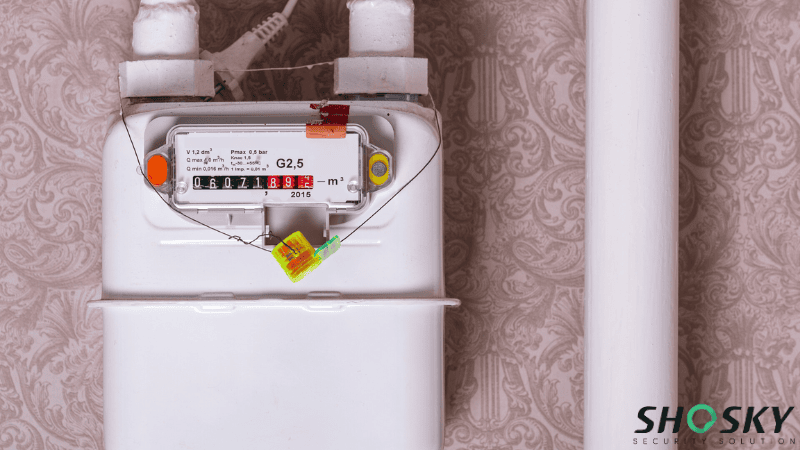
A meter seal is a small locking device fitted to meters, valves, or access points. Its main purpose is to show evidence of interference. If a seal is missing, broken, or replaced, it signals that unauthorized access may have occurred. Here are the core benefits of meter seals:
- Tamper Evidence: Tampering remains a real issue. Global utilities lose an estimated $96 billion each year from meter fraud and electricity theft. This simple system safeguards billions of readings taken every day in homes, factories, and gas stations.
- Calibration Integrity: After meters are tested and certified, the security seal keeps internal parts untouched, preserving accurate readings.
- Traceability: Unique serial numbers, barcodes, or QR codes create a clear record from production to removal, supporting audits and inspections.
- Compliance: Proper sealing helps utilities meet ISO and local regulations, maintaining fair trade measurement and consumer protection.
Combined, these features make meter seals a reliable safeguard for accuracy, accountability, and regulatory trust.
The 5 Main Types of Meter Seals
Meter seals come in different styles to match various field conditions. Each type offers a balance of cost, security, and ease of use. Here are the main options available — each designed to meet specific utility and industrial needs based on application, environment, and security level.
1. Plastic Meter Seals (Twist & Paddle Styles)
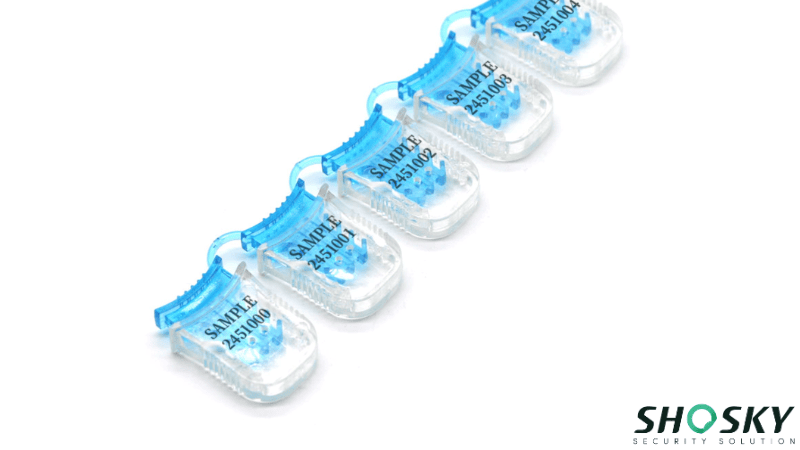
Plastic meter seals are lightweight, cost-efficient, and quick to apply by hand. They are commonly used for indoor or low-risk meters such as electric and water units inside homes, offices, or retail spaces.
Manufactured from polypropylene (PP) or high-density polyethylene (HDPE), these tamper-technology solutions resist regular wear and remain flexible in daily use.
Most of these seals are produced in a variety of colors, including white, red, and blue, allowing easy identification. Twist and paddle styles are among the most searched items in meter seal stock because they provide instant tamper evidence and simple installation without extra tools.
2. Wire Seals (Metal & Plastic Body)
Wire seals combine durability with flexibility. Each product features a plastic or metal body and a galvanized or stainless-steel wire loop that withstands corrosion and weather exposure. They’re ideal for outdoor use in gas meters, fuel pumps, and other exposed environments.
These seals are often kept in ready stock for quick shipment. Since they require pliers or a crimping tool to apply, they provide a stronger lock compared to plastic seals. Operators can request specific lengths or wire materials when placing an order for specialized applications.
3. Cable Seals (Heavy-Duty Security)
Cable seals offer enhanced protection with a thick braided steel cable. Built for strength, they can only be removed with cable cutters, making them suitable for substations, industrial meters, or remote facilities. Each cable seal is manufactured for heavy-duty use and designed to handle tough conditions such as vibration and harsh weather.
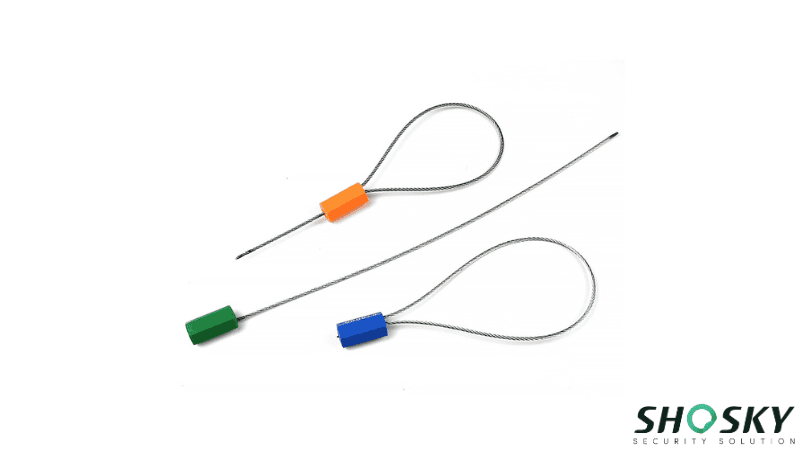
Customers searching for high-security options often add these to their cart when ordering industrial seal stock. They are available in multiple diameters and colors, including white and silver finishes, providing flexibility for different installations.
4. Electronic Seals (Advanced Option)
Electronic seals represent the most advanced product category. They integrate sensors or microchips that record seal status in real time and can send alerts if opened or removed. This feature makes them ideal for high-value or critical sites.
Operators searching for digital traceability can easily find these electronic models in the online catalog. Customers can request demo units or add them to the cart as part of a customized order. Manufactured with precision technology, these seals combine tamper evidence with smart data management for modern utility operations.
5. Bolt Seals (Maximum Barrier Security)
Bolt seals are heavy-duty products that provide maximum physical protection. Constructed from solid steel with a locking barrel, they act as a visible deterrent to tampering. These seals are commonly used for securing cabinets, large enclosures, or bulk fuel access points.
Because of their strength and compliance standards, many clients request them in bulk orders. They are often available in standard white or color-coded options to match company security systems. Each bolt seal is manufactured to meet global transport and utility sealing requirements.
How to Choose the Right Meter Seal: 5 Key Factors
Selecting the right meter seal depends on your application, environment, and security goals. Each setup, like electric, water, gas, or fuel, faces unique challenges, so the right choice balances strength, flexibility, and weather resistance. Here are the main factors to review before you add a seal to your order or cart.
1. Application & Environment
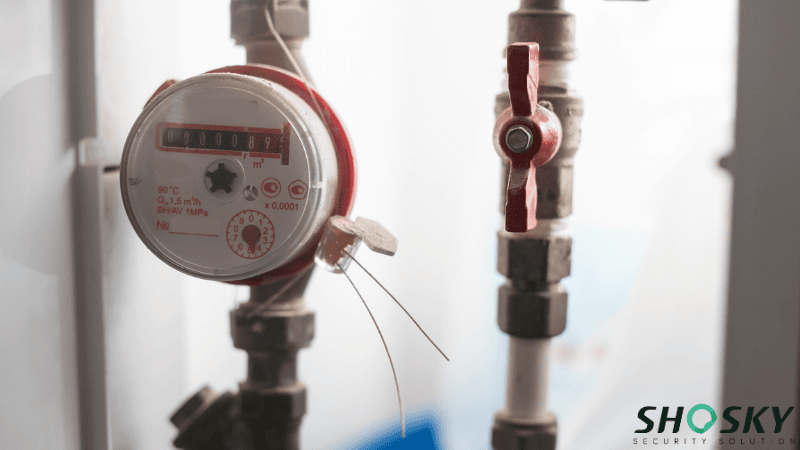
Different meter types demand different sealing approaches. Electric and water meters, usually placed indoors or in protected spaces, work well with plastic twist or paddle seals. They’re easy to apply and offer clear tamper evidence.
For gas and fuel systems, stronger wire or cable seals are preferred. These can handle outdoor exposure, temperature swings, and vibration from pumps or heavy equipment. In industrial or remote areas, where vandalism is a concern, heavy-duty or bolt seals are often the safer choice.
2. Required Security Level
The level of protection you need will guide your seal selection. For routine utility checks, a simple tamper-evident seal that breaks cleanly on removal is usually enough. It serves as a quick visual cue during inspections.
High-risk applications—such as fuel storage units or power substations—need physical barrier seals with strong steel cables or bolts. These options resist forced entry and require cutting tools to remove, offering better defense against tampering.
3. Material Durability
Meter seals are available in plastic, galvanized wire, stainless steel, and heavy cable options. Each material has its own strengths. Plastic seals are lightweight and affordable for low-risk sites, while metal-based seals resist corrosion and handle outdoor wear.
When selecting seals for outdoor or industrial use, always consider UV resistance and corrosion protection. Prolonged exposure to sunlight or chemicals can weaken standard plastics, which is why UV-stabilized materials and coated metal wires are popular for long-term reliability.
4. Traceability Needs
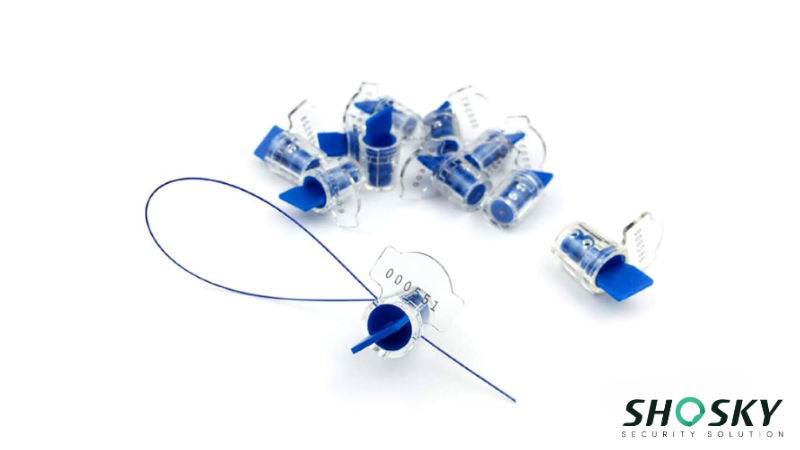
Traceability is essential for audits, maintenance, and compliance. Seals that include serial numbers, barcodes, QR codes, or logos allow teams to record and track every seal’s use—from installation to removal.
In utility networks, this helps verify that calibration seals remain intact between service checks. For example, after a gas or water meter is tested and locked, its serial number is logged into maintenance records. If that number doesn’t match during a later inspection, it immediately signals possible interference.
5. Color Coding Strategy
Color coding adds a practical layer of control during large-scale operations. Red or orange seals can mark restricted or untested meters, while blue or green seals often indicate verified installations.
In fuel stations and large utility sites, color-coded seals simplify daily checks. Inspectors can instantly tell which meters are cleared for use, which are awaiting calibration, and which may require further investigation. This system keeps operations organized and reduces inspection time.
Together, these five factors—application, security level, material, traceability, and color coding—help select the right meter seal for every setup.
Proper Meter Seal Installation and Handling
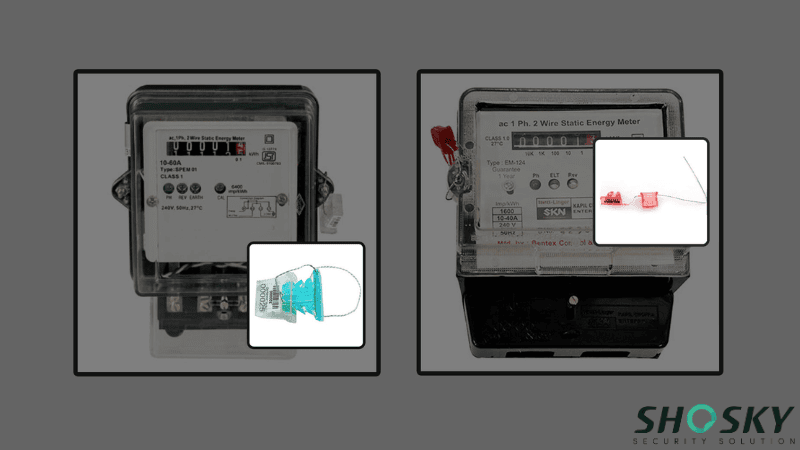
Correct installation helps each meter seal perform as intended. Before applying any seal, check that the meter or dispenser has finished calibration. Make sure all parts are clean and dry. A small mistake during setup can affect both security and readings, so take time to inspect the equipment first.
Steps to follow:
- Thread the seal through the proper holes or lugs.
- Lock it firmly without applying excessive force.
- Record the seal’s serial number, color, and installation date.
- Confirm the seal type matches the product in use.
- Store remaining stock in a dry area away from direct sunlight.
For wire and cable seals, tighten the wire just enough to prevent movement without overstressing it. Tools used for sealing must stay clean and rust-free to keep the housing safe from damage. Routine inspections help detect scratches, missing wires, or mismatched numbers early.
Replace any damaged seals right away and update the record log. Each replacement should come from verified stock to maintain accuracy and compliance. Never reuse a seal once opened—it can’t provide reliable tamper evidence again. Always order fresh products and keep your cart updated with the required variety for ongoing operations.
FAQs
Q1: How often should meter seals be replaced?
Most utilities replace seals during every scheduled calibration or service visit. For high-risk outdoor or fuel applications, replacement after every maintenance session is recommended.
Q2: Can seals be reused?
No. Each seal is designed for single use to maintain evidence integrity. Reusing a broken or removed seal weakens accountability.
Q3: What happens if a seal is broken?
A broken or missing seal must be reported immediately. Utilities usually treat broken seals as possible tampering cases until verified.
Q4: Are electronic seals replacing traditional designs?
Not entirely. Electronic seals are rising in use, but traditional types remain practical and affordable for most applications.
Conclusion
Meter security seals may seem minor, but they are central to maintaining trust in every reading and every transaction. From water and energy supply to fuel dispensing, they protect systems from tampering and data loss. Using the right seal type, color code, and quantity helps maintain compliance, traceability, and accuracy.
Upgrade Your Utility Protection with Shosky’s Meter Seals
Give your meters the security they deserve with meter security seals from Shosky Security. Built to resist harsh conditions and tampering tools, these seals offer strong locking force and clear identification in the field. Request samples or place bulk orders to secure your operations with trusted quality.