
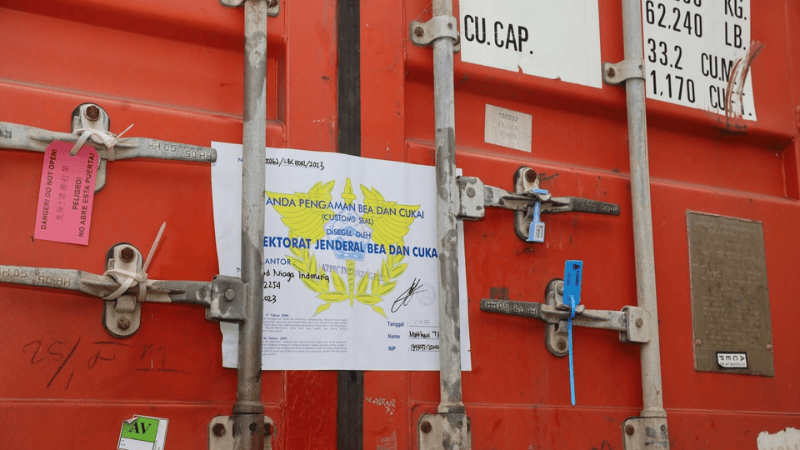
The Pipeline and Hazardous Materials Safety Administration records every hazmat transport incident, from tampering to containment failures. Their data shows a clear trend. Hazardous cargo moves through complex logistics systems. Minor weak points can trigger serious outcomes, and a seal below spec is one of them.
A weak seal can expose chemicals to tampering, theft, or unsafe handling. That is why high-security tamper-evident seals are now standard across trailers and shipping containers. This guide explains compliance requirements for hazmat transport security seals. It also covers practical procurement steps EHS teams should follow before any shipment moves.
Regulatory Compliance Requirements for Hazmat Transport Security Seal
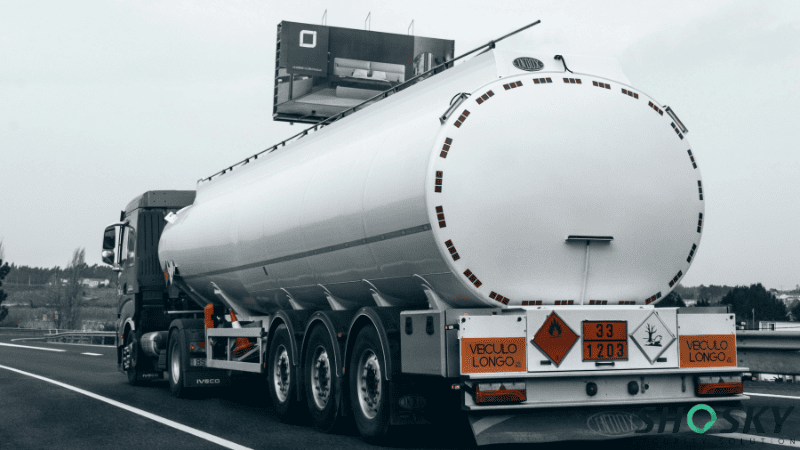
Before choosing any seal, EHS directors and logistics managers need to understand what the law actually demands. The regulatory landscape covers four major frameworks, and they apply simultaneously depending on where your cargo moves.
| Standard | Requirement | What It Means in Practice |
|---|---|---|
| ISO 17712:2013 | Classifies high security seals as “H” rated with cable diameter ≥3.5 mm and tensile strength above 10 kN | Only high-strength cable seals and bolt seals qualify for high security use on containers and trailers |
| C-TPAT (US) | Requires ISO 17712 “H” rated seals for cross-border shipping containers | Companies must use C-TPAT-compliant seals; no separate certificate exists |
| ADR 2025 (Europe) | Requires seal numbers recorded in transport documents | Every seal must have traceable serial numbers for verification during handling |
| IMDG Code | Requires tamper-evident closures on sea cargo containers | Seals must show clear signs of tampering during ocean transit |
These standards work together to protect the supply chain and reduce risk during shipping. High security chemical tanker security seals, including cable seals and bolt seals, help meet these rules by providing both physical strength and visible tamper evidence. When seals match ISO and C-TPAT requirements, businesses can move chemicals across borders with zero compliance disruptions.
Top 3 Tamper-Evident Seals for Hazmat Logistics
Security in hazardous transport starts with specifying the exact seal type for a specific access point. Some applications require extreme flexibility, while others demand rigid locking strength. To ensure maximum operational safety, procurement teams should evaluate the following hardware specifications for their specific transit needs.
1. Heav-Duty Cable Seals for Valves and Hatches
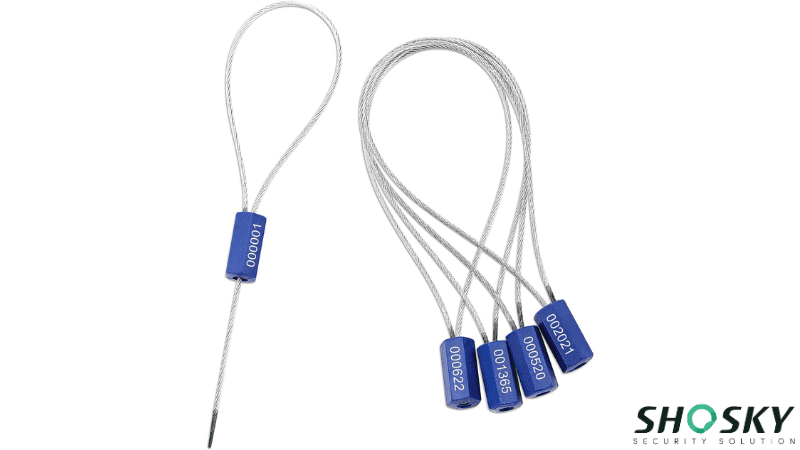
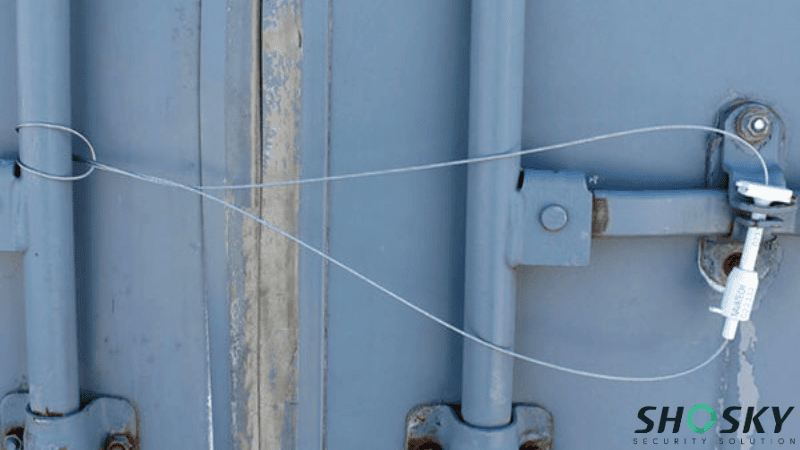
In liquid chemical transport, the discharge valve is the most exposed point on a tanker. Its shape is irregular and deeply recessed, which makes rigid bolt seals a poor fit.
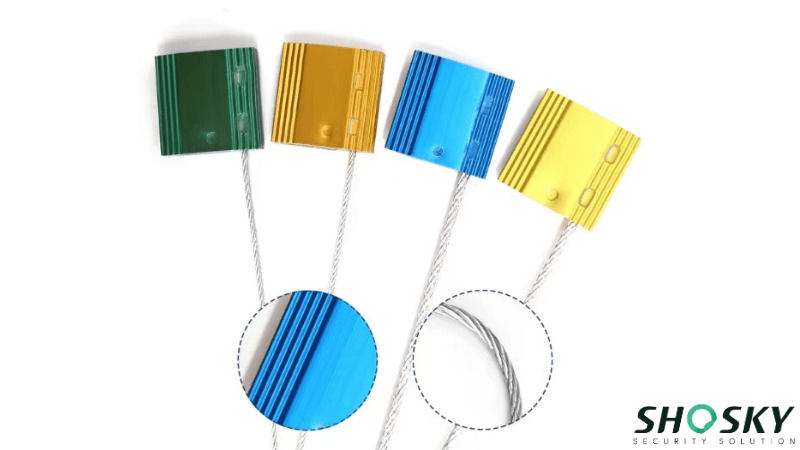
Heavy-duty cable seals are the absolute standard here because their braided steel cable passes smoothly through uneven latch points. Furthermore, in flammable chemical zones where a steel-on-steel cut can throw a deadly spark, premium seals utilize aluminum bodies to eliminate ignition risks.
When specifying these cable seals for hazmat fleets, EHS directors must mandate several critical engineering standards:
- ISO-Compliant Cable Diameter: Meets the strict ≥3.5 mm structural requirement for “H” high-security classification.
- Spark-Resistant Aluminum Body: Drastically reduces friction ignition risks in highly flammable chemical vapor zones.
- Non-Preformed Steel Strands: Forces the wire to violently fray upon cutting, making it physically impossible to rethread or disguise.
- Laser-Engraved Serial Numbers: Supports a reliable chain of custody and survives harsh chemical splashes.
- Color-Coded Status Tracking: Simplifies visual identification during rapid terminal handling.
This permanent physical damage makes cable seals the standard choice for discharge valves, tanker hatches, and railcar domes. By selecting the correct cable diameter and body material, logistics teams can ensure that their outer perimeters remain impenetrable throughout the entire transport cycle.
2. High-Security Bolt Seals for Intermodal Transport
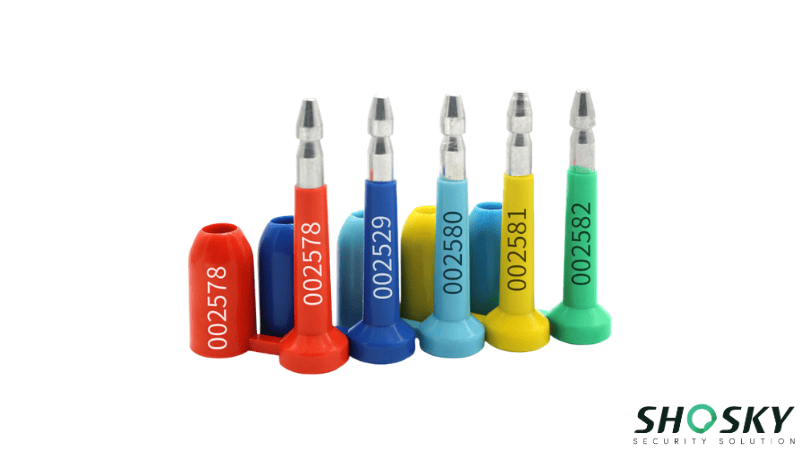
When a container door closes on a load of reactive or toxic chemicals, the seal on that latch must make unauthorized access impossible without heavy industrial tools. High-security bolt seals achieve this through a highly engineered, dual-layered defense system.
The first layer relies on raw material density. A solid carbon steel pin locks permanently into a hardened steel barrel, creating an impenetrable physical barrier against heavy industrial cutters. However, raw strength alone is insufficient against sophisticated supply chain attacks.
The second layer utilizes an advanced anti-spin mechanism. Found in premium models, this dynamic feature actively prevents thieves from using high-speed friction drills to bypass the locking chamber.
To qualify as a fully compliant hazmat barrier, a bolt seal must incorporate this dual-layered defense alongside several other critical design elements:
- Carbon steel pin construction: Withstands high tensile and shear forces
- Durable ABS casing: Resists heat, corrosion, and chemical exposure during transit
- Anti-spin locking mechanism: Blocks drill-based tampering attempts
- Laser-etched codes and serials: Enable full traceability from origin to delivery
- ISO 17712 “H” certification: Confirms compliance through independent testing
Bolt seals are the default choice for ISO tanks and international shipping containers crossing border crossings with drummed or packaged chemical loads. They meet C-TPAT-compliant seals requirements and hold up across the full range of harsh transit conditions. For example: salt spray, temperature swings, and rough handling.
3. Adjustable Pull-Tight Plastic Seals for Dry Bulk Cargo
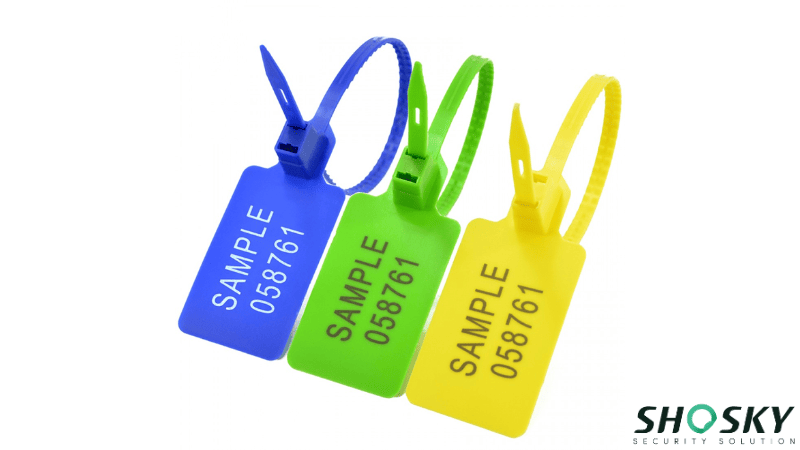
Securing Flexible Intermediate Bulk Containers (FIBCs) requires a specialized approach, as rigid metal seals simply slide off their soft, heavily gathered fabric closures. Adjustable pull-tight plastic seals solve this physical vulnerability by utilizing a flexible strap that cinches tightly around irregular openings and locks permanently into a stainless steel insert.
The security mechanism relies on a highly flexible plastic strap that feeds through the bag’s closure and cinches securely into a stainless steel locking insert. Once fully engaged, the seal permanently locks the fabric in place. Because the strap cannot be loosened or backed out without completely severing the plastic, any covert attempt at unauthorized access results in immediate and irreversible visual damage.
When deploying these flexible indicators for dry bulk operations, procurement teams should focus on the following functional requirements:
- Adjustable Strap Geometry: Grips tightly over soft or uneven fabric openings that cannot support heavy metal seals.
- High-Tensile Plastic Compounds: Resists tearing during transit while remaining easy for authorized personnel to remove with standard shears.
- Stainless Steel Locking Inserts: Provides a superior internal grip on the plastic strap to prevent unauthorized backing out or “shimming” of the seal.
- Vivid Visual Tamper Evidence: Displays immediate, irreversible signs of cutting or physical interference at the cinching point.
Pull-tight plastic seals sit at the “S” (Indicative) security classification under ISO 17712. While they are not permitted for C-TPAT cross-border shipments, they remain a reliable, cost-effective solution for domestic bulk bag operations and secondary sealing roles where high-security metal barriers are not required.
Hazmat Transport Security Seal Sourcing Checklist for EHS Directors
Price-first procurement introduces massive compliance exposure in chemical logistics. EHS Directors must move beyond basic cost analysis and implement a structured evaluation process for every supplier decision.
Step 1: Audit Material Compatibility and Chemical Resistance
The seal body, cable coating, and locking insert all come into contact with residue, vapor, and splash during loading and unloading. A mismatched material can lead to catastrophic failure. Procurement teams should prioritize the following material audits:
- Substrate Resilience: Confirming that plastic coatings and metal alloys will not melt or corrode upon contact with specific chemicals like sulfuric acid or gasoline.
- Adhesive and Ink Stability: Ensuring that secondary labels or printed markings can survive prolonged exposure to industrial solvents.
- Thermal Range Verification: Testing that materials remain stable and functional in extreme sub-zero or high-heat environments.
By cross-referencing these material data sheets against your transported chemicals, you eliminate the risk of a seal becoming a liability rather than a security measure.
Step 2: Mandate Indestructible Laser-Etched Tracking

All seals must carry permanent identification markings to maintain an auditable chain of custody. Painted or ink-stamped numbers are strictly forbidden for hazmat transport because they fail under real-world conditions. A reliable tracking system must meet these criteria:
- Surface Penetration: Laser engraving must physically etch the data into the seal body to prevent removal through chemical wiping.
- High-Density Scannability: Barcodes and QR codes must remain readable even after exposure to salt spray and condensation.
- Sequential Logic Security: Serial numbers must be strictly sequential and recorded in a digital database to prevent unauthorized duplication.
Once a tracking number is erased or becomes unreadable, your entire chain of custody record is destroyed. Permanent laser etching is the only format that holds up across the full transit cycle.
Step 3: Implement Quarantine Protocols
Train receiving teams to treat any seal discrepancy as a severe red flag. If the physical seal does not match the manifest, the load must enter quarantine immediately. To maintain total compliance, EHS teams should implement these final verification steps:
- Manifest Cross-Referencing: Comparing every seal number against digital shipping manifests prior to any terminal handling.
- Third-Party Lab Verification: Requiring suppliers to provide ISO/IEC 17025-accredited lab reports rather than self-declared compliance claims.
- Vendor Compliance Audits: Conducting regular reviews of supplier quality control systems to ensure consistent manufacturing standards.
Ultimately, these protocols ensure that any attempt at tampering, substitution, or documentation error is identified before the cargo moves further into the supply chain. This structured approach protects both the cargo and the company’s regulatory standing.
Expert Tip from Shosky Security: The Recessed Valve Trap
When securing liquid chemical valves, procurement teams must measure the exact diameter of the recessed latch. A standard 8mm steel bolt seal physically cannot bend to fit inside a recessed tanker valve housing. This is exactly why flexible 3.5mm aluminum cable seals are the mandatory, compliance-approved choice for securing liquid hazmat fleets safely and effectively.
FAQs
Q1: Can I use standard plastic seals on chemical tankers? Generally, no. Standard plastic seals only hold an “Indicative” (S) rating under ISO 17712. Hazmat tankers and cross-border chemical shipments legally require “High Security” (H) rated barriers, such as heavy-duty cable seals or carbon steel bolt seals, to comply with strict C-TPAT and IMDG regulations.
Q2: What exactly makes a seal ISO 17712 compliant? To achieve an “H” (High Security) rating under ISO 17712, a seal must pass rigorous physical strength tests (tensile, shear, bending, and impact) conducted by an independent accredited laboratory. It must also show clear, irreversible evidence of tampering and feature permanent, unique serialization.
Q3: How do terminal operators remove a heavy-duty cable seal safely? Cable seals require heavy-duty cable cutters to remove. In chemical environments where flammable vapors are present, operators must use specialized non-sparking cutting tools. Furthermore, premium cable seals are equipped with aluminum bodies to prevent friction sparks during removal.
Q4: What should receiving teams do if a hazmat seal number does not match the manifest? If a seal number is missing, altered, or does not perfectly match the digital shipping manifest, the cargo must be immediately quarantined. Do not open the container or offload the chemicals. EHS and security teams must be notified instantly to initiate a formal tampering investigation.
Upgrade Hazmat Protection with Shosky Security Seals
Hazmat transport depends on strong security, clear documentation, and reliable seals. Cable seals, bolt seals, and plastic seals each serve a purpose across tankers, trailers, and containers. Choosing the right type, materials, and features keeps operations safe and efficient.
If your operations involve chemicals, tankers, or high-risk cargo, now is the time to upgrade your security seals. At Shosky Security, we offer high security seals designed for demanding transport conditions. Reach out to learn more or request a quote for your specific requirements.