
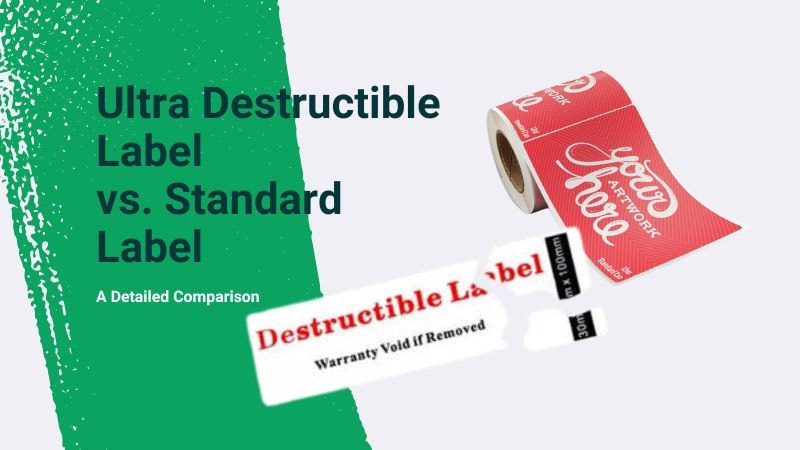
When it comes to labeling corporate assets and retail products, procurement teams generally face two main choices: standard labels and ultra-destructible labels. While standard labels offer basic identification, they completely lack tamper resistance. According to data from the United States Customs and Border Protection CBP Intellectual Property Rights division, counterfeit goods and product tampering cost global enterprises billions of dollars annually.
This widespread vulnerability is exactly why high-end manufacturers and logistics directors are turning to engineered tamper-evident label solutions. In this article, we will compare ultra-destructible labels with standard labels, examining their differences in terms of chemical durability, physical security, total cost of ownership, and ease of use.
What Are Ultra-Destructible Labels
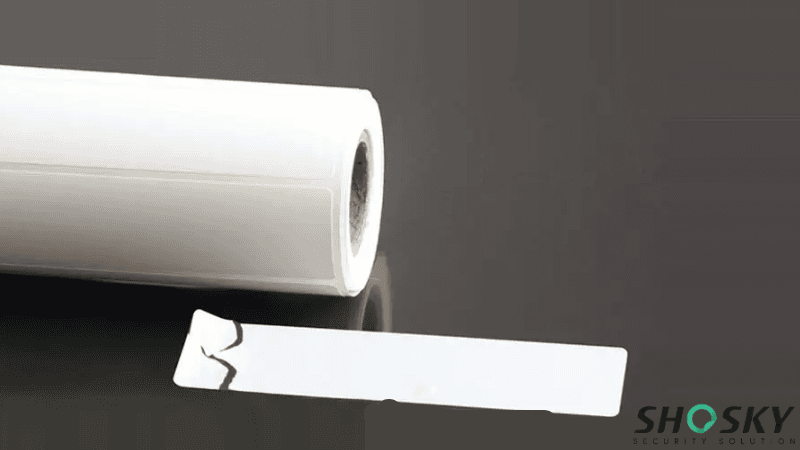
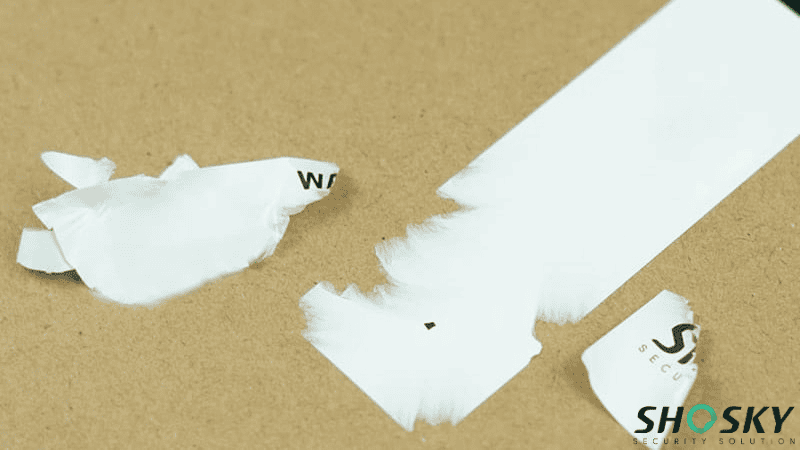
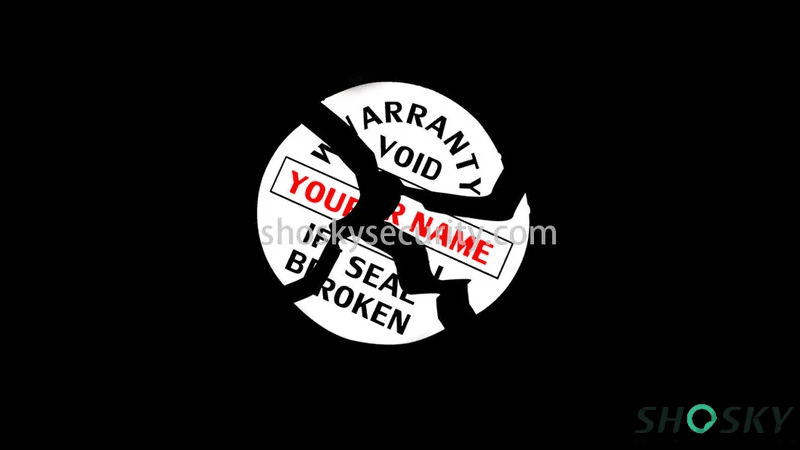
Ultra-destructible labels are specialized labels designed to leave clear, irreversible evidence of any attempt to remove or tamper with them. Their primary function is to provide tamper evidence, acting as a visual deterrent and a means of verifying product or asset integrity.
Unlike normal stickers, these labels are manufactured using extremely fragile face stock, usually cast vinyl, combined with an aggressive high-tack permanent acrylic adhesive. Key features of ultra-destructible labels include:
- Self-Destructive Design: Break into fragments or reveal a “VOID” message when removed.
- Irreversible Tamper Evidence: It is impossible to reapply without clear signs of tampering.
- High Durability: Made from materials resistant to removal attempts.
- Applications: Commonly used for electronics, asset protection, and sensitive packaging.
Beyond the physical fragmentation, these labels can be custom printed with unique serial numbers, barcodes, or invisible ultraviolet logos. This directly aligns with the ISO 12931 performance criteria for anti-counterfeiting authentication solutions, enabling efficient inventory management and flawless global traceability.
What Are Standard Labels
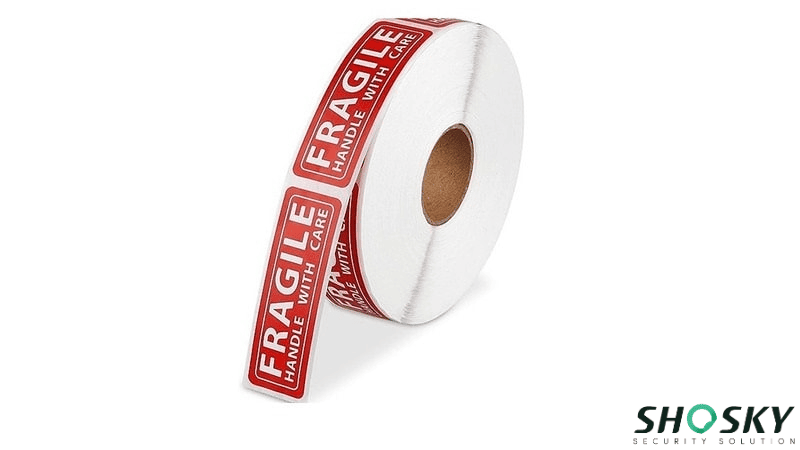
Standard labels are common adhesive labels used for identification and information purposes. They are typically made from paper, vinyl, or other readily available materials and are easily applied and removed. Their primary function is to provide information such as product names, barcodes, instructions, or warnings.
Key features of standard labels include:
- Cost-Effective Solution: Inexpensive and readily available for various labeling needs.
- Ease of Use: Simple to apply and remove without leaving residue.
- Non-Security Design: Not intended to provide tamper evidence or resist removal.
- Applications: Common in retail, packaging, and office use.
Some standard labels are also compatible with advanced printing technologies, enabling high-resolution images and logos to be included for improved branding and consumer engagement.
Ready to Get Ultra-Destructible Labels for Your Business?
Start With A Low Minimum Order Quantity
Key Differences Between Ultra-Destructible Labels and Standard Labels
When deciding between these two completely different adhesive technologies, procurement engineers must evaluate exact physical tolerances. Each label type offers distinctly different logistical advantages depending strictly on the mechanical requirements of the product.
Difference 1: Durability
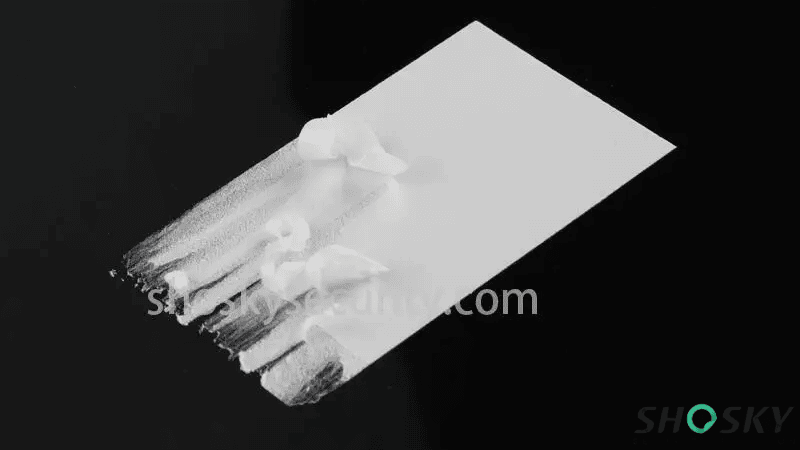
Ultra destructible labels are chemically engineered to lack tensile durability by design. The highly specialized cast vinyl is deliberately fragile, ensuring that the material cannot withstand even minimal stretching or pulling forces without instantly fragmenting.
Conversely, standard labels utilize heavily calendered polymers or thick coated paper designed entirely to survive rough physical handling, severe abrasion, and extensive logistical friction without tearing or fading over time.
Difference 2: Security
The chemical security profiles represent a massive divergence in engineering. Ultra destructible labels exclusively utilize highly aggressive solvent-based acrylic adhesives that create a permanent, destructive molecular bond with the application surface, immediately indicating alteration.
Standard labels typically rely on basic water-based glues or removable rubber adhesives. These generic glues provide absolutely minimal security, easily allowing organized criminals to cleanly peel the label intact using basic industrial heat guns.
Difference 3: Ease of Application
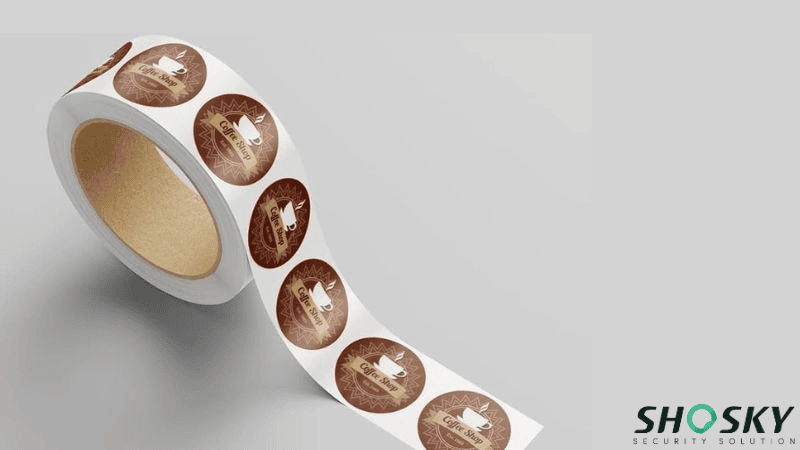
Ultra destructible labels demand incredibly careful handling during application. Their extreme physical fragility requires slower, precise placement procedures on the factory floor to prevent accidental shattering, particularly on curved product surfaces.
Standard labels offer high tensile strength, effortlessly allowing them to run through high-speed automated labeling machinery at thousands of units per minute without specialized technician training.
Difference 4: Cost
Manufacturing ultra-destructible substrates requires highly complex chemical casting processes, making their upfront unit cost significantly higher than generic paper. This specialized investment reflects the elite security mechanics provided.
Standard labels, conversely, offer a highly cost-effective solution perfectly suited for immense bulk purchasing, drastically reducing the overall price per page for mass consumer goods.
Difference 5: Information Conveyed
While both labels can display basic text, ultra destructible labels primarily focus on conveying undeniable forensic tamper evidence. Their main purpose is irrefutable proof of physical compromise.
Standard labels are designed strictly for clear consumer communication, broadly displaying marketing graphics, ingredients, and retail barcodes, prioritizing visual branding entirely over anti-theft security.
Advantages and Disadvantages of Each Label Type
Sourcing the correct security label requires evaluating complex environmental variables that generic procurement often ignores. Applying a standard paper label to a high-value pharmaceutical package immediately creates a significant compliance vulnerability.
Packaging engineers must utilize this highly condensed engineering selection matrix to prevent premature physical failure across varying operational departments:
| Feature | Ultra Destructible Labels | Standard Labels |
|---|---|---|
| Tamper Evidence | Excellent shatters upon removal | None can be removed intact |
| Material Durability | High resistance to chemicals and heat | Low to moderate resistance |
| Application Speed | Requires careful manual handling | Fast and suitable for automation |
| Cost Profile | Premium security investment | Highly cost effective bulk pricing |
| Best Use Case | Electronics and pharmaceuticals | Retail goods and shipping boxes |
Relying on this precise technical comparison ensures that your corporate security barrier matches the required substrate. Misunderstanding the difference between ultra-brittle vinyl and standard coated paper is the primary cause of severe transit security failures.
Strategic Deployment: When To Use Each Label Type
Selecting the precise labeling technology strictly depends on the total market value and specific regulatory risk profile of your enclosed cargo. Different logistics models dictate entirely different physical barrier requirements.
When To Use Ultra Destructible Labels
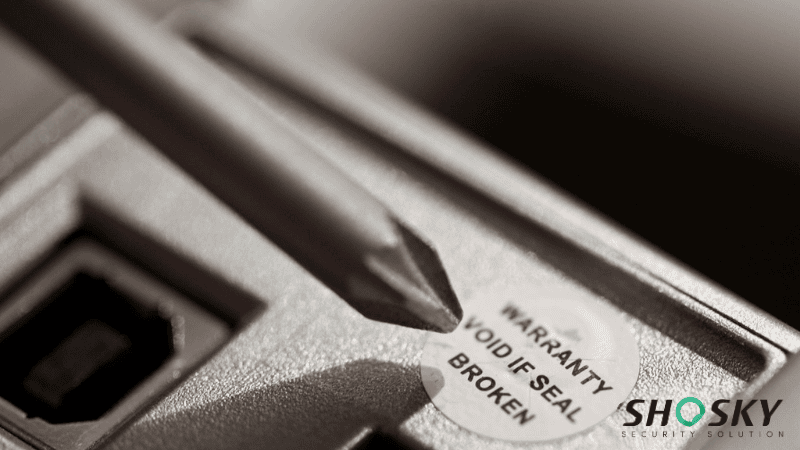
High security labels represent a mandatory investment for specialized global industries facing severe regulatory oversight and massive financial liabilities due to product counterfeiting.
Procurement directors operating within these highly restricted sectors must absolutely mandate ultra destructible architectures for these specific applications:
-
High-Value Electronics And Hardware: Applying these fragile labels directly over critical server chassis screw holes prevents unauthorized internal access, permanently voiding the corporate warranty upon physical breakage.
-
Pharmaceutical And Medical Products: Securing over-the-counter medicinal bottles and sensitive clinical test kits ensures that expensive batches maintain biochemical integrity and zero contamination from the factory floor to the final patient.
-
Luxury Goods And Fine Apparel: Attaching permanent authenticity seals to expensive designer bags or premium cosmetics protects corporate brand equity from counterfeit goods flooding the international gray market.
By aggressively deploying ultra-destructible materials on sensitive shipments, enterprise companies actively protect their highly valuable corporate revenue. This strict deployment mathematically guarantees compliance with rigorous international authentication standards like ISO 12931 and heavily mandated packaging regulations such as FDA 21 CFR 211.132.
When To Use Standard Labels
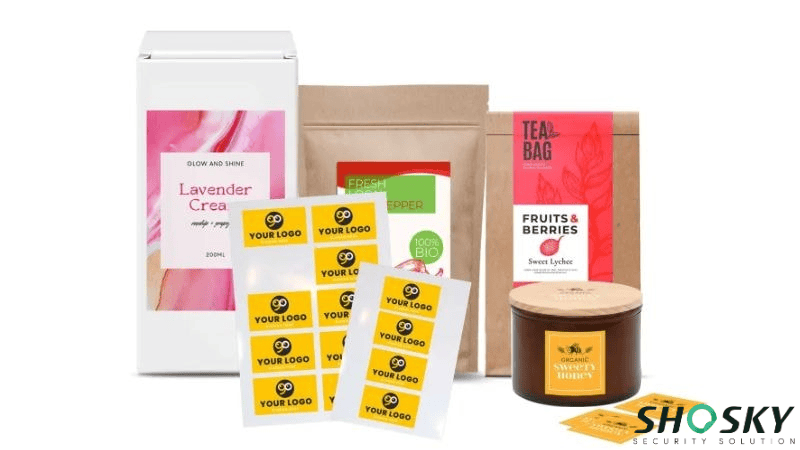
Standard labels remain highly suitable for non-sensitive, everyday retail packaging where forensic tamper evidence is not a primary commercial concern. Facility managers should optimize their procurement budgets by utilizing standard labels exclusively in these environments:
-
General Consumer Retail Packaging: Suitable for branding everyday clothing apparel, basic household goods, and standard food packaging requiring high resolution color printing.
-
Low Risk Corrugated Shipping Boxes: Provides a cost-effective and highly practical solution for bulk logistics cartons containing items of low commercial value.
-
High Speed Automated Mass Production: The high tensile strength of standard paper allows manufacturing facilities to seamlessly run thousands of units per minute through automated dispensers without the material snapping.
For products possessing minimal security risks, standard commercial labels deliver flawless logistical functionality. Their incredibly simple application heavily streamlines daily packaging operations, making them the absolute preferred choice for high-volume commercial manufacturing.
How to Choose the Right Label for Your Business
When deciding between ultra-destructible labels and standard commercial tags, procurement executives must balance their operational budget against logistical risks. Deploying the wrong material guarantees a security failure. Facility managers must execute the following evaluation steps before finalizing large-scale printing runs:
-
Step 1 Assess Product Vulnerability: Identify if your specific product is heavily targeted by organized theft syndicates. High-value electronics, luxury cosmetics, or proprietary hardware mandate ultra-destructible materials.
-
Step 2 Verify Regulatory Compliance: Check if your industry requires strict physical authentication. If FDA or ISO regulations apply to your packaging, standard paper labels will instantly fail compliance audits.
-
Step 3 Evaluate Automation Constraints: Analyze your factory assembly line. If your machinery applies thousands of labels per minute, fragile cast vinyl may snap. Standard labels support massive high-speed automation.
-
Step 4 Calculate Long-Term ROI: Balance the upfront unit cost against potential loss. The premium price of destructible labels is instantly offset by the massive reduction in fraudulent warranty repair claims and global inventory shrinkage.
Beyond immediate financial needs, long-term brand equity heavily dictates choosing the right label. By deliberately deploying highly engineered security seals, enterprise businesses actively signal to global consumers that they rigorously prioritize product integrity and uncompromising supply chain safety
FAQs
Q1: Are ultra destructible labels significantly more expensive than standard labels?
Yes. Because they strictly utilize complex ultra-brittle cast vinyl substrates and premium high-tack solvent acrylic adhesives, manufacturing costs are higher. However, this specialized investment mathematically eliminates massive financial losses associated with sophisticated warranty fraud and global product counterfeiting.
Q2: Can ultra destructible labels be customized with secure corporate barcodes?
Absolutely. Premium ultra destructible labels are perfectly compatible with high-resolution thermal transfer printing. Procurement teams can heavily customize these labels with unique serialized numbers, highly encrypted QR codes, and 1064 nm laser-etched corporate logos for ultimate digital traceability.
Q3: What is the correct application method for highly fragile destructible labels?
Because the face stock features exceptionally low tensile strength, staff must physically handle the labels delicately. The target surface must be completely dry and grease-free. Apply extreme continuous pressure using specialized rubber rollers, and strictly allow a minimum 72-hour dwell time for complete chemical bonding.
Secure Your High Value Assets With Shosky Security
The choice between ultra-destructible labels and standard labels depends on your specific business needs. If you need robust security, ultra-destructible labels are your best option. However, for everyday consumer products or low-risk packaging, standard labels provide a cost-effective and versatile solution. Understanding your product’s requirements and budget will help you make the right choice.
Shosky Security offers a range of custom tamper-evident labels, including ultra-destructible options. Whether for high-security packaging, compliance, or brand protection, our advanced solutions ensure maximum security. Contact us today to find the perfect labeling solution for your business!