
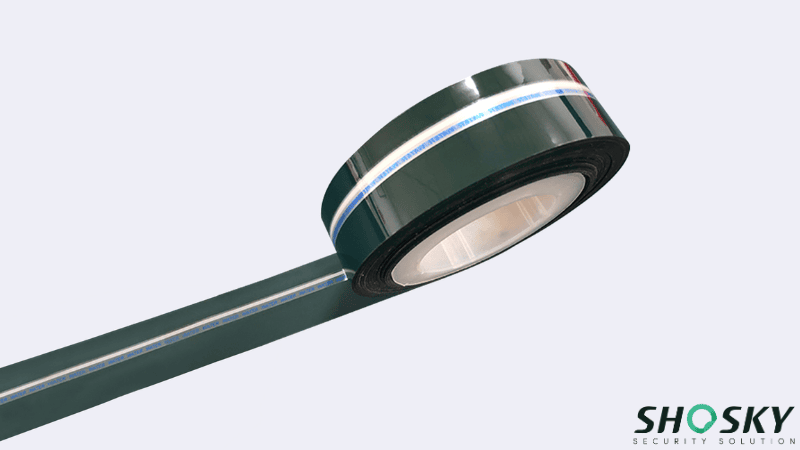
The seal is the real test of a security bag. In tamper-evident packaging like STEB and courier bags, a failed seal means lost evidence and a higher risk, and most of these failures come from adhesive mismatch, not poor bag design. Wrong adhesive choices create real problems.
Hot melt tape may release during transport, while acrylic tape may fail to transfer the VOID layer if used on the wrong surface. This article explains the difference between hot melt and acrylic adhesive tape and helps logistics teams and manufacturers choose the right solution for sealing bags, cartons, containers, and boxes.
Why Adhesive on Security Bag Sealing Tapes Matters?
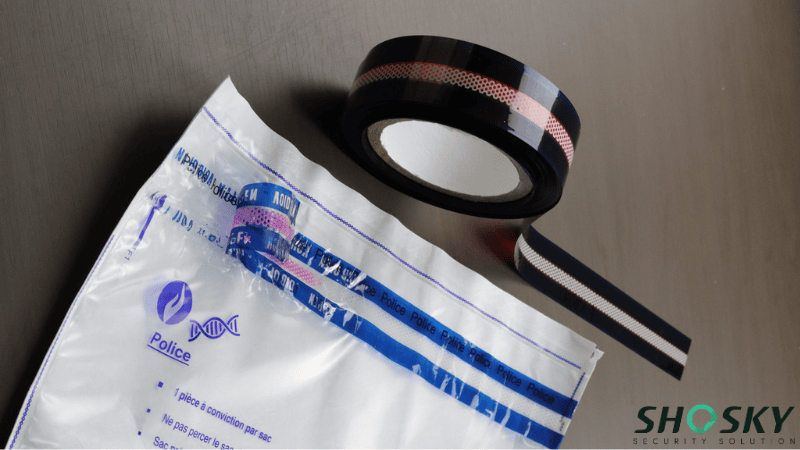
The adhesive on security bag sealing tapes matters because the adhesive forms the critical link between your VOID security message and the bag surface. When this bond fails, your entire security system collapses. The adhesive is what transfers the tamper evidence from the tape to the bag material.
If your adhesive doesn’t match the bag’s surface energy, the VOID message stays on the tape instead of transferring to the bag. A thief opens the bag, removes the contents, and walks away. The evidence never reached the surface. You have no proof of tampering.
Temperature attacks make this worse. Thieves use liquid nitrogen or canned Freon to freeze adhesive bonds. Others apply heat from hair dryers to soften the glue. Your adhesive must maintain its bond and transfer the VOID message under these extreme temperatures.
Understand Hot Melt Adhesive Security Bag Tape
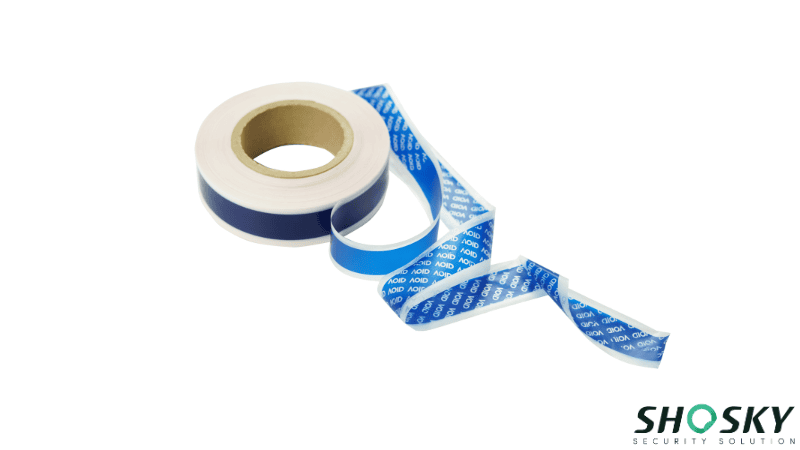
Hot melt adhesive uses synthetic rubber-based thermoplastic polymers that solidify when cooled. This creates an instant bond with the bag surface. This behavior makes hot melt security tape a common choice in fast-moving packaging operations.
Key performance characteristics of hot melt adhesive tape include:
- Great, quick initial tack that allows immediate handling after sealing
- Strong mechanical bond that often tears bags or cartons when removed
- Good adhesion on recycled PE, dusty films, and low-energy plastic surfaces
- Lower production cost compared to acrylic adhesive tapes, helping decrease quantity-related expenses
Despite these strengths, hot melt has clear limits. It reacts to heat and cold more than acrylic. In freezing temperatures, tensile strength drops, and the adhesive can release from the surface. Under heat exposure, the adhesive softens and turns messy, which prevents clean resealing but may still allow access.
For this reason, hot-melt tape suits short-life logistics rather than extended storage. It performs best on recycled PE mailers, rough films, and applications where bags move quickly through the supply chain. In fast production lines and single-trip shipping, it remains a reliable and easy-to-apply solution.
Understand Acrylic Adhesive Security Bag Tape
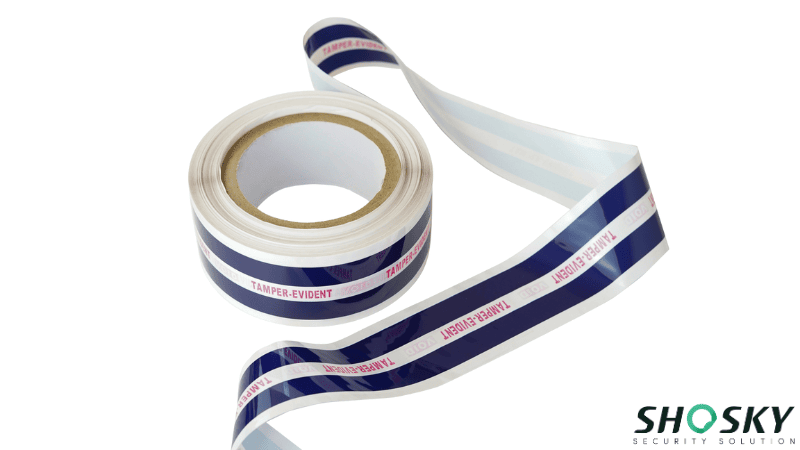
Acrylic adhesive uses a solvent-based chemical system that cures gradually after application. Instead of cooling to bond, it builds strength over time as the adhesive flows into the bag surface. This curing process gives acrylic tape long-term stability and reliable performance in demanding security applications.
Key performance characteristics of acrylic adhesive tape include:
- Superior holding power on smooth, high-energy films like virgin PP and UPVC
- Stable performance across freezing conditions and high heat
- Strong resistance to oxidation, humidity, and UV light sources for long-period storage
- Clean look with color stability in clear, white, red, black, and tan over age
Studies show that, unlike hot melt, acrylic adhesive does not rely on instant grab. Initial tack is moderate, and full bond strength develops over the first 24 hours. This slower build limits use on very fast sealing jobs but improves bond consistency once cured.
Because of this stability, acrylic tape is the preferred option for high-security and long-storage uses. It is widely applied in STEB bags, medical and specimen transport, bank deposit bags, and other applications where durability, temperature resistance, and tamper evidence must remain reliable throughout the bag’s lifecycle.
Hot Melt vs. Acrylic on Security Bag Sealing Tapes
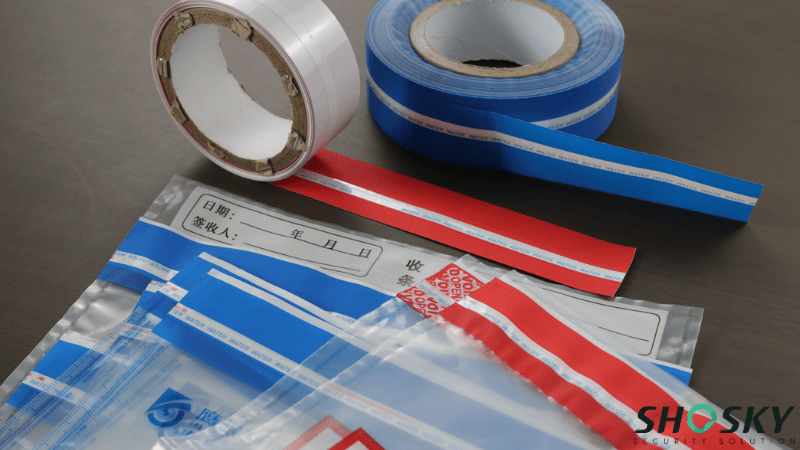
The main difference between hot melt and acrylic lies in how they bond, age, and react to threats. The table below compares the two across practical performance factors.
| Feature | Hot Melt Adhesive | Acrylic Adhesive |
|---|---|---|
| Initial Tack | Very high, instant grab | Moderate, builds over time |
| Temperature Range | –5°C to +60°C | –30°C to +110°C |
| Tamper Evidence | Mechanical destruction | Chemical and thermal resistance |
| Shelf Life | Around 1 year | Over 3 years |
| Best Surfaces | Recycled PE, rough films | Virgin PP, smooth films |
| Resistance | Lower to cold and UV | High to heat, cold, oxidation |
| Applications | Courier bags, cartons | STEB, banking, medical |
Hot melt relies mainly on mechanical grip at the surface, while acrylic forms a chemical bond that strengthens over time. Recent polymer research, including a 2024 study published in Polymers (MDPI), shows that rubber-based thermoplastic adhesives deliver strong initial tack but lose mechanical stability when exposed to thermal stress.
This bonding difference explains why acrylic resists advanced tampering methods more effectively, especially when security bags face intentional environmental attacks rather than routine handling.
Special Environmental Attacks on Security Bags
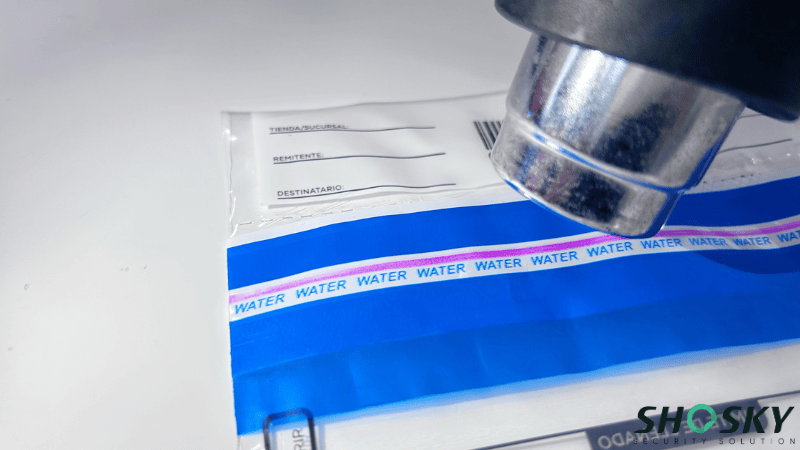
Security bag manufacturers have identified specific attack methods that target adhesive bonds. Understanding these threats helps you choose the right tape.
- Freon Attack
It uses cold spray canisters to rapidly freeze adhesive. When the adhesive reaches extremely low temperatures, it becomes brittle. Thieves can then pop the seal off without triggering the VOID message. Standard hot melt adhesive fails at temperatures around -5°C. Acrylic adhesive maintains its bond down to -30°C, making it resistant to most cold attacks.
- Heat Attack
It involves using hair dryers or heat guns to soften the adhesive. Hot melt adhesive, being thermoplastic in nature, begins to liquefy when exposed to heat above 60°C. While this prevents clean resealing (the melted adhesive creates obvious evidence), acrylic maintains its structure up to 110°C. The difference matters for high-value shipments where sophisticated thieves might attempt multiple methods.
Some security applications face both heat and cold exposure during transport. Medical specimen bags might freeze during air cargo transport, then warm up in delivery vehicles. Evidence collection bags used by law enforcement need to maintain their seal integrity across all environmental conditions.
How to Choose the Right Sealing Tape for Your Security Bags
The right tape depends on four technical standards. Understanding these factors will help you match adhesive type to bag material, production speed, storage conditions, and security requirements.
1. Substrate Compatibility Standard (Surface Energy)
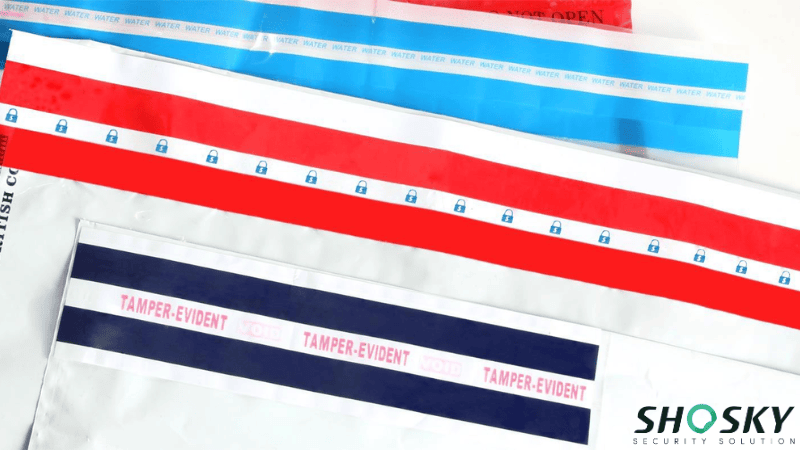
Which texture of security bag will the sealing tape adhesive be used on? Choosing the right adhesive starts with understanding the bag’s surface. Different kinds of plastics behave differently, and selecting the wrong tape can make adhesion difficult.
- Rough Surfaces
Rough surfaces like recycled films, PCR plastics often trap dust or additives, making it harder for the VOID message to transfer. Hot melt tape works well on these surfaces. Its rubber-based formula flows into uneven textures, gripping low-energy areas reliably. This is why many commercial operations use hot melt on recycled PE mailers and sealing boxes with rough surfaces.
- Smooth Surfaces
Smooth surfaces, like virgin PP or UPVC film-coated bags, require acrylic tape. Acrylic tape performs best on high-energy plastics, forming a clean, consistent bond that keeps the tamper evidence visible. Choosing the wrong adhesive can cause the tape to lift, leaving no proof of tampering.
Understanding surface compatibility helps you discover which tape offers the most benefits for your packaging. The right match prevents failures and ensures your security system works every time.
2. Application Mechanics (Dwell Time)
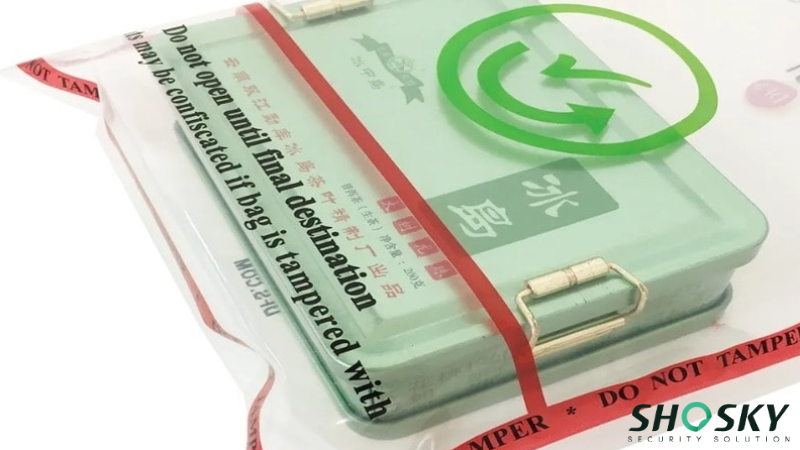
How fast does your production line move? Your production process also determines which adhesive will work best.
- High Speed
Hot melt tape gives instant tack, which is an advantage when you need to seal bags or boxes quickly. You can handle or ship products immediately, reducing delays on commercial lines. As an example, high-speed e-commerce packaging often relies on hot melt
- Low Speed
Acrylic tape performs differently. Its bond strength builds over 24 hours, making it ideal for slower, controlled operations. If you try to use it on a high-speed line, the tape may shift before reaching full adhesion, which can make tamper evidence difficult to achieve. Medical samples or bank deposit bags benefit from acrylic’s slower, stronger bond.
By considering application mechanics, you can write production standards that save time and money, while still maintaining security across all your bags.
3. Environmental Lifecycle (Temperature & Storage)
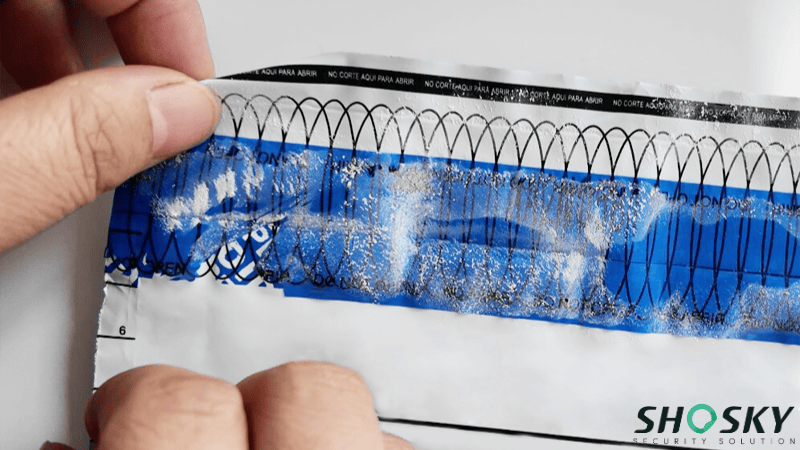
Where will the bag go after it leaves the factory? Where the bags go after sealing affects your tape choice.
- Normal Environment
Hot melt handles general shipping at room temperature but struggles under extreme cold or heat. Tensile strength drops in freezing conditions, and high heat can make the adhesive messy.
- Extreme Environment
Acrylic tape, on the other hand, resists temperature extremes, humidity, oxidation, and UV exposure. It keeps bags sealed over long periods and maintains a clean appearance, with little yellowing even after extended storage. This is especially important for UPVC film-coated bags or other commercial packaging stored for months.
Using acrylic tape gives the advantage of durability and long-term protection. You can discover that it performs reliably in cold chain logistics, medical transport, or long-term inventory, where hot melt may fail.
Selecting tape with the right environmental properties ensures consistent sealing performance and reduces the risk of lost evidence.
4. Security Threat Level
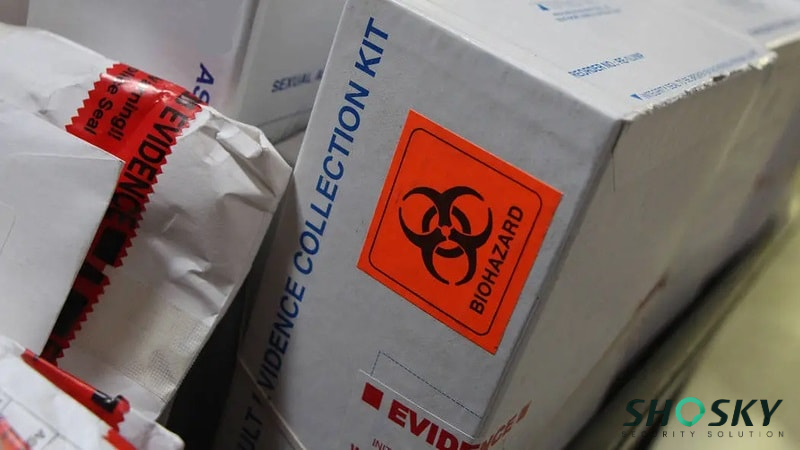
What is the value of the content? The contents of your bags determine the level of protection required.
- High-Value Items
High-value items like cash, confidential documents, or critical samples need acrylic tape because it resists heat, cold, and chemical tampering. Its slower cure time is outweighed by the benefits of long-term security.
- Medium-Value Items
For medium-value shipments, hot melt is usually sufficient. It tears clearly when opened, providing visible evidence for less critical commercial packaging. This makes it cost-effective while still offering protection.
When you consider the security threat, you can balance price, tape type, and production needs. Examples from banks, courier services, and e-commerce operations show that matching adhesive to risk level prevents difficult failures while maximizing the advantages of each tape type.
By reviewing these four standards—surface, application, environment, and security—you can discover the best tape for your bags, sealing boxes, and commercial operations, ensuring consistent adhesion, visible tamper evidence, and long-term protection.
FAQs
Q1: Can hot-melt tape be used for duty-free STEB bags?
No, hot-melt tape can not be used for duty-free STEB bags. Acrylic adhesive is required because STEB bags face temperature changes, long storage, and a higher security risk.
Q2: Why does tape lift without showing VOID?
A tape lift without showing VOID happens when the surface and adhesive are incompatible. The bond fails before the VOID layer transfers.
Q3: Why does VOID sometimes fail to transfer to the bag surface?
VOID may not transfer when the bag surface has low or uneven surface energy. Dust, oil, or recycled films weaken adhesion. The bond fails before the VOID layer releases.
Q4: Can acrylic tape be used on fast production lines?
Acrylic tape can run on fast lines but needs enough contact time. At very high speeds, initial adhesion may stay low. Proper pressure helps improve results.
Conclusion
Hot melt tape suits standard logistics with fast bonding and lower cost. Acrylic tape performs better in harsh or high-security settings. The right choice of security tape depends on the bag material, environment, and risk level. Test samples before placing large orders. The right adhesive makes the difference between secure packaging and security failures.
Contact Shosky for Security Bag Tape Solutions
Not sure if your current tape provides adequate security? Reach out to Shosky Security today for a free sample kit. We’ll help you test different adhesive tapes with your actual bag materials. This removes guesswork and reduces the risk of tape failure after rollout. Contact us and get started.