
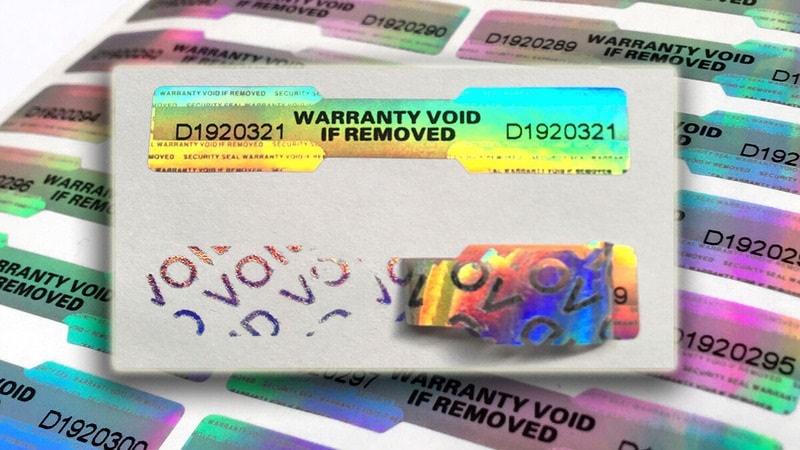
Global supply chains face an escalating threat from organized product counterfeiting and retail warranty fraud. According to the 2026 NRF Retail Security Report, unauthorized product tampering and component substitution cost consumer brands billions of dollars annually.
VOID security labels offer a highly engineered, straightforward solution to keep your products secure and your brand reliable. These specialized chemical barriers instantly flag unauthorized access, deter opportunistic theft, and guarantee total authenticity to the end consumer. This technical guide explores the engineered mechanics behind VOID labels, their distinct industrial classifications, and the surging global trends driving their adoption in 2026.
What Is a VOID Label and How Does It Work?
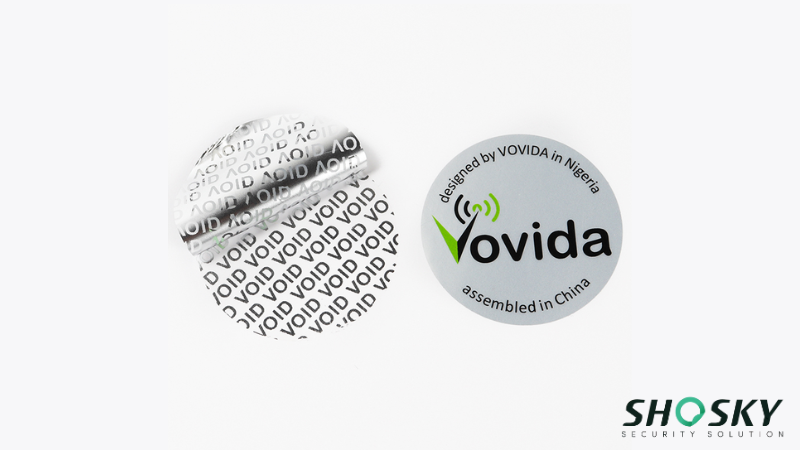
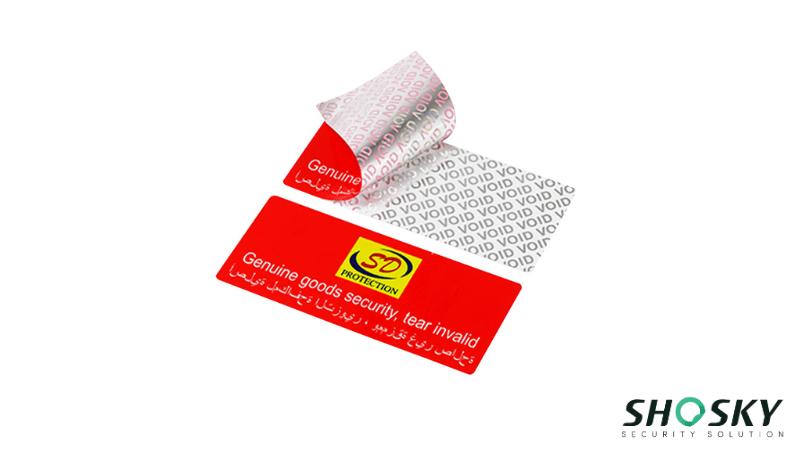
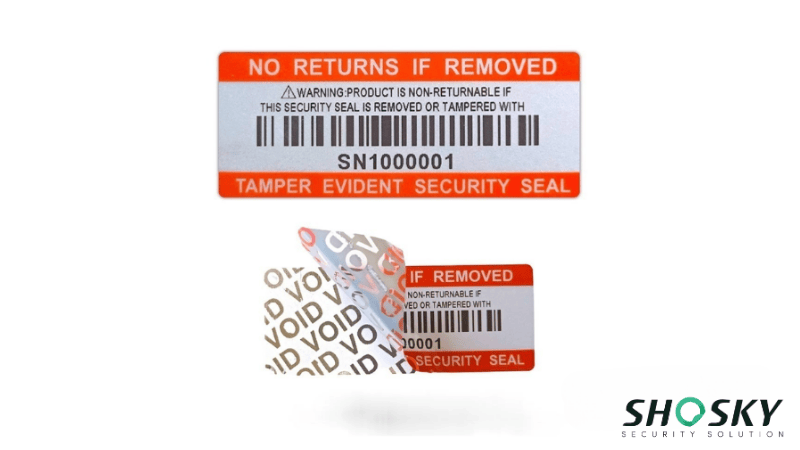
A VOID label is an advanced tamper-evident security sticker engineered to reveal a hidden warning message instantly upon attempted removal. Unlike standard paper stickers, these labels rely on a sophisticated chemical separation process called delamination.
When an unauthorized individual attempts to peel the label, the structure undergoes a controlled physical destruction sequence. Security directors rely on the following engineered defense mechanisms to protect their inventory:
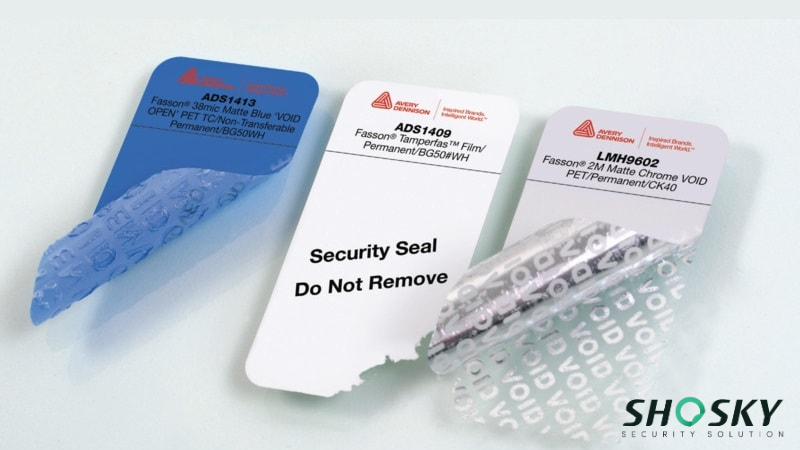
- Chemical Separation: The top plastic film separates from the adhesive layer, instantly revealing a high-contrast “VOID” or “OPENED” message.
- Irreversible Activation: Once the chemical trigger fires, no application of industrial heat or chemical solvent can re-bond the layers to hide the visual evidence.
- Substrate Bonding: High-coat-weight acrylic adhesives bond aggressively to the microscopic pores of the product packaging to ensure the label cannot slide off intact.
Deploying these integrated chemical defenses guarantees that any tampering attempt becomes immediately obvious to warehouse receiving personnel. This immediate visual alert system allows quality assurance teams to quarantine compromised drug batches or electronics long before they reach the retail consumer.
Ready to Get Void Security Label for Your Business?
Start With A Low Minimum Order Quantity
The 5 Core Types of VOID Security Labels
There are several engineered categories of VOID labels available on the commercial market. Procurement teams must precisely match the adhesive transfer mechanics to their specific packaging substrates to prevent spontaneous peeling or permanent asset damage.
The following five categories represent the absolute industry standards classified entirely by their chemical and physical behavior:
1. Total Transfer VOID Labels
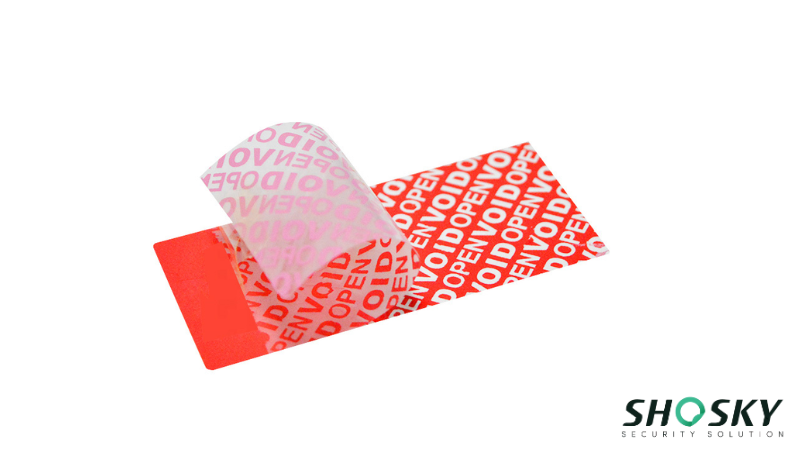
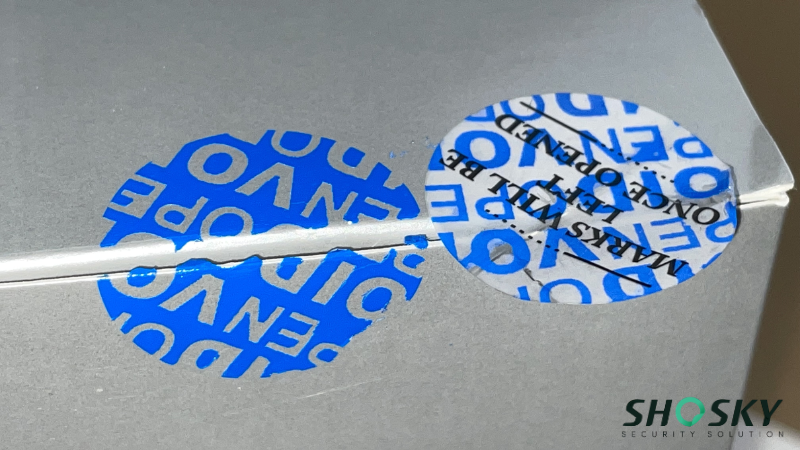
Total transfer labels represent the most aggressive chemical defense for sealing standard corrugated cardboard shipping boxes. Manufacturers design the adhesive layer to completely detach from the top film and embed a permanent warning directly into the target surface.
These specific physical attributes dictate their commercial application:
- Residue Deposit: Peeling the tape leaves the entire adhesive layer and a permanent VOID message directly on the cardboard substrate.
- Removal Difficulty: The aggressive acrylic completely bonds with paper fibers, making it physically impossible to scrape off without destroying the box.
- Industry Application: Heavily deployed across high-volume e-commerce fulfillment centers to secure outbound shipping cartons.
Deploying these aggressive chemical barriers completely eliminates opportunistic warehouse theft. Facility managers secure outbound shipments instantly knowing the packaging cannot be recycled by counterfeiters.
2. Partial Transfer VOID Labels
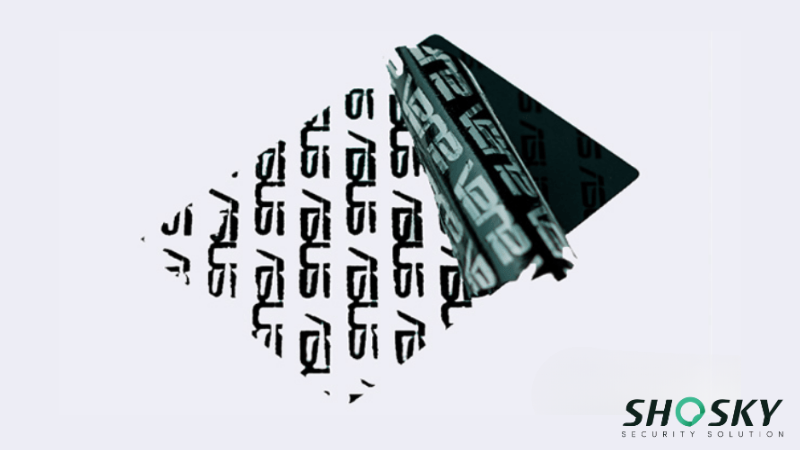
Partial transfer labels serve as the industry baseline for commercial logistics and pharmaceutical packaging. The chemical layers are meticulously calibrated to leave a specific, localized warning pattern rather than the entire sticky adhesive strip.
Procurement officers evaluate these chemical properties for mid-level security:
- Geometric Separation: Leaves a distinct geometric or text pattern on the cardboard while retaining a portion of the glue on the discarded plastic film.
- Visual Contrast: Maximizes the contrast between the triggered VOID message and the background packaging material for rapid dock audits.
- Balanced Adhesion: Provides sufficient grip to secure heavy loads without causing excessive aesthetic destruction to retail display packaging.
These chemical barriers provide the most balanced and cost-effective protection for high-volume outbound fulfillment. Receiving docks can instantly spot the triggered warning patterns from a distance of twenty feet.
3. Non-Transfer VOID Labels
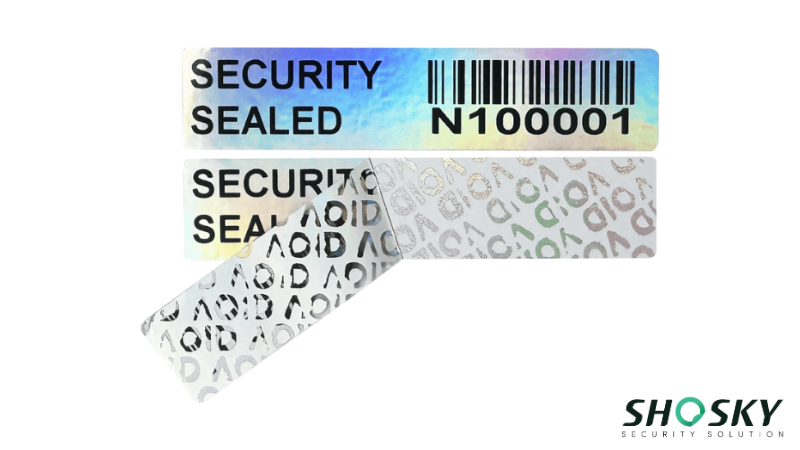
Non-transfer labels secure expensive reusable logistical assets without leaving a destructive chemical residue behind. They are strictly engineered for high-value plastic totes, metal aircraft doors, and glass laboratory equipment.
High-value asset protection requires the following engineered specs:
- Clean Removal: Peeling the tape triggers a hidden VOID message within the tape film itself while leaving the physical asset completely clean.
- Substrate Compatibility: Designed exclusively for non-porous, high surface energy materials including stainless steel and rigid plastics.
- Maintenance Reduction: Prevents expensive chemical cleanup costs and permanent aesthetic damage on expensive transport containers.
Integrating non-transfer adhesives protects proprietary equipment while maintaining a strict visual audit trail. Security teams can trace exactly when a high-value container was compromised during transit without defacing the corporate asset.
4. Destructible Vinyl Labels
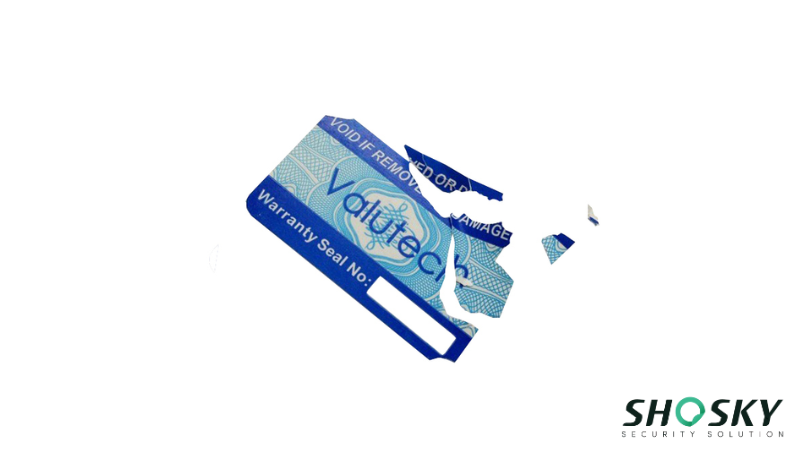
While not utilizing traditional VOID text, destructible labels achieve the exact same goal by utilizing a highly brittle cast vinyl base designed to shatter rather than peel. They function as the ultimate warranty protection seal for high-end electronics and industrial hardware.
High-risk hardware applications require the following engineered specs:
- Mechanical Snapping: The delicate film splinters into microscopic fragments instantly upon any physical interference, preventing intact removal.
- Surface Conformability: The ultra-thin material conforms perfectly to uneven joints and recessed screw holes on power tools.
- Warranty Enforcement: Used extensively across consumer electronics to definitively prove whether a user opened a laptop chassis.
These fragile barriers provide the highest level of physical defense against component swapping. Repair technicians receive absolute assurance regarding whether internal hardware has been altered by unauthorized third parties.
5. Holographic VOID Labels
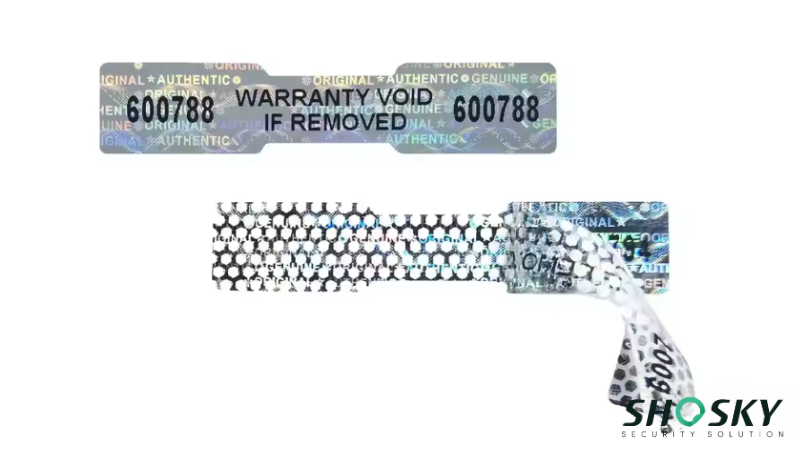
Holographic labels add a sophisticated layer of visual complexity utilizing reflective foil and deep 3D imaging. This technology makes them highly visible and essential for verifying luxury product authenticity while still incorporating the underlying VOID chemical trigger.
Brand protection officers evaluate these visual properties for premium security:
- Anti-Replication: The complex multi-angle visual depth prevents counterfeiters from duplicating the label using standard commercial printing equipment.
- Dual Purpose Security: Integrates holographic branding with physical VOID reveals to maximize counterfeiting deterrence.
- Luxury Branding: Heavily deployed across high-end cosmetics, designer apparel tags, and premium dietary supplements.
Integrating holographic authentication protects proprietary merchandise while elevating the perceived value of the product. Consumers immediately recognize the premium security investment backing your corporate brand.
VOID Label Comparison: How to Choose the Right One
Selecting the correct VOID label depends entirely on your specific environmental conditions and the surface energy of your assets. The wrong choice guarantees false alarms or permanent damage. Use this technical matrix to match your application with the right chemical and mechanical boundaries.
| VOID Label Classification | Base Material Film | Residue Behavior on Asset | Optimal Surface Energy | Primary Tamper Alert |
|---|---|---|---|---|
| Total Transfer VOID | 2.5 mil PET Polyester | Leaves 100 percent heavy sticky ink layer on surface. | Low Surface Energy porous cardboard or paper fibers. | Permanent surface text reveal and card fiber tearing. |
| Partial Transfer VOID | 2.0 mil PET Polyester | Leaves a light, clean geometric pattern residue. | Medium Surface Energy plastic and glossy paperboard. | High contrast split pattern visibility from twenty feet. |
| Non Transfer VOID | 2.5 mil Specialized PET | Zero residue left on asset. Surface stays dry and clean. | High Surface Energy stainless steel, glass, and smooth metal. | Hidden warning text reveals strictly inside the film matrix. |
| Destructible Vinyl | Ultra thin Cast Vinyl | No text pattern. Leaves scattered tiny vinyl shards. | Powder coated metals, rough textures, and tight radii. | Immediate micro splintering making reuse impossible. |
| Holographic VOID | Multi layer Aluminum Foil | Varies based on specified chemical transfer backing. | Premium retail cartons and luxury merchandise surfaces. | 3D multi angle optical patterns paired with film tearing. |
Standardizing your procurement using this matrix eliminates application failures and dock delays. Your security measures will perform flawlessly without leaving unexpected residue on premium consumer hardware.
Industrial Application Troubleshooting: Preventing False Triggers and Adhesive Failure
Even the best chemical security label will fail if warehouse personnel apply it incorrectly. To guarantee a permanent chemical bond that triggers exactly when attacked, packaging teams must avoid these fatal application mistakes:
- Ignoring Surface Contamination: Cardboard dust and mechanical oils block the glue from bonding with the product. Always wipe corrugated boxes with a dry cloth and clean plastics or metals with isopropyl alcohol before application.
- Using Bare Hands for Pressure: Pressure-sensitive adhesives require uniform physical force to flow into the microscopic pores of the packaging. Thumbs are insufficient. Operators must use a hard rubber hand roller and apply firm outward pressure from the center.
- Rushing the Cold Chain: Acrylic molecules need time to establish strong chemical bonds. Allow a strict five-minute cure window at room temperature before moving freshly sealed packages into freezing logistics networks.
Executing these strict mechanical protocols guarantees that your security labels achieve peak structural integrity and prevent spontaneous edge lifting.
Ready to Get the Right Void Label for Your Products?
Start With A Low Minimum Order Quantity
2026 Trends of VOID Security Labeling and Smart Packaging
Rising global supply chain threats are forcing a massive shift in the anti-counterfeiting industry. Procurement traffic shows a sharp increase in demand for advanced tamper-evident solutions. Brands are moving away from passive stickers and aggressively demanding smart forensic security perimeters.
Three major technological and compliance shifts are driving this market acceleration:
1. The Final DSCSA Stabilization Deadline

The United States Drug Supply Chain Security Act enters its final mandatory enforcement phase in 2026, requiring strict end-to-end tracking for pharmaceutical manufacturers.
- The Shift: Traditional batch management is dead. Procurement teams must integrate 2D Data Matrix barcodes directly with VOID technology.
- The Impact: If the physical label is destroyed, its digital identity immediately locks within the system, transforming the label from a simple seal into a critical digital asset.
For logistics directors, ignoring this mandate guarantees severe border rejections and compliance fines. Upgrading to serialized VOID labels now ensures your entire inventory remains legally compliant and continuously traceable throughout the federal distribution network.
2. The RFID and NFC Antenna Delamination Revolution
Cutting-edge 2026 security designs are entirely abandoning pure visual inspection protocols. Next-generation smart packaging prints ultra-thin passive RFID or NFC antennas directly across the internal VOID separation boundary.
- The Shift: The exact second a perpetrator peels the label edge, the antenna physically severs and breaks the circuit.
- The Impact: This allows warehouse gateways to trigger automated digital tampering alerts without requiring any direct line of sight inspection, saving thousands of hours in manual audits.
If your high-value assets are still relying on human visual checks, you are operating with a dangerous blind spot. Integrating these smart delaminating labels allows your security team to intercept theft instantly at the digital gateway, completely eliminating human error from the audit process.
3. Stricter Global ESG and Sustainability Directives
With the implementation of new European Packaging and Packaging Waste Regulations, brands face severe fines for utilizing unrecyclable multi-layer plastic combinations.
- The Shift: Industry leaders are rapidly transitioning toward bio-based compostable films and water-based non-solvent acrylic glues.
- The Impact: These sustainable materials deliver uncompromised tamper evidence while satisfying strict zero-carbon corporate auditing metrics, allowing brands to be secure and green simultaneously.
Procurement teams must immediately audit their legacy packaging materials. Transitioning your fleet to PCR (Post-Consumer Recycled) or bio-based VOID seals shields your brand from incoming eco-taxes and positions your company as a forward-thinking leader in corporate sustainability.
As these technological and legal frameworks converge, VOID security labels are officially transitioning from passive stickers into intelligent data endpoints. Forward-thinking manufacturing organizations who integrate these advanced physical and digital dual-layer systems today will secure an unassailable advantage in global consumer trust tomorrow.
FAQs
Are VOID labels completely waterproof during maritime shipping?
Yes. Most high-quality VOID labels are manufactured using durable polyester PET films. These specialized substrates are highly resistant to water, oil, and harsh chemical solvents, ensuring the hidden message remains intact during intermodal transit.
Do VOID labels leave a permanent sticky residue on products?
It depends entirely on the specification. Total transfer VOID labels are explicitly designed to leave a sticky residue behind. However, non-transfer VOID labels reveal the hidden message within the film itself, leaving the product surface completely clean.
How long does it take for a VOID label adhesive to cure properly?
To achieve maximum tamper-evident performance, warehouse personnel should allow the acrylic adhesive at least 5 minutes to cure at room temperature before moving the sealed carton into cold storage or an environment of extreme humidity.
Can I customize the hidden message on a VOID label?
Absolutely. While standard labels reveal the word VOID or OPENED, custom manufacturing allows you to replace this text with your specific corporate logo, a unique warning phrase, or brand-specific geometric patterns to enhance authentication.
Secure Your Products with Shosky’s Void Labels
Void label stickers are an essential tool for safeguarding products and protecting brand reputation. Besides, the versatility of void labels extends beyond security. They can also be customized to reinforce your brand identity. So, invest in the right void label solutions and strengthen your brand’s reputation for quality and reliability!
Shosky Security offers a comprehensive range of high-quality void labels designed to meet the diverse needs of businesses across various industries. Contact us today to explore how our void label solutions can enhance your product security and brand protection.