

According to the 2026 Global Logistics Risk Assessment, supply chain pilferage and covert tampering account for immense annual revenue losses. Organized theft rings systematically exploit standard shipping cartons, utilizing basic heat guns to bypass traditional packaging seals.
This article will explore the role of security tape in packaging. We’ll look at different types of security tape, like tamper-evident and tamper-resistant options. We’ll also discuss how to apply it correctly and when it’s most needed for safe shipping. Let’s get to it.
What Is Security Tape and How Does It Function
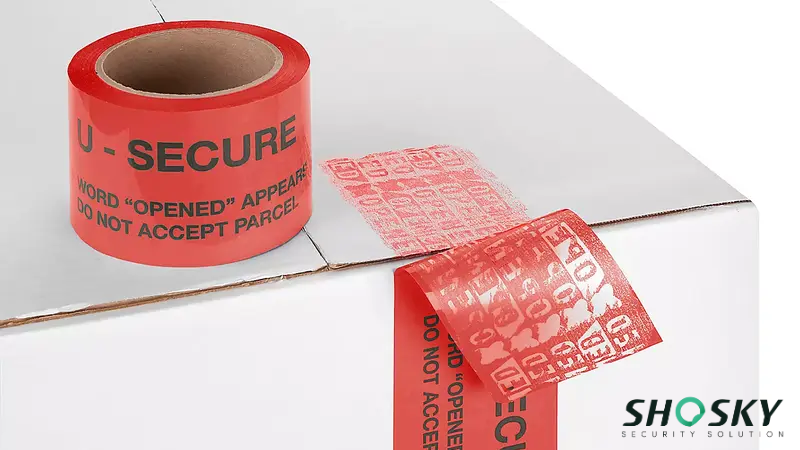
Security tape is a specialized adhesive barrier engineered to provide irreversible visual evidence of unauthorized package entry. It is strategically applied to carton flaps and container seams highly susceptible to covert theft or malicious substitution.
Unlike standard packaging tape that criminals can peel and replace invisibly, professional security tape triggers a controlled chemical destruction sequence. Security directors rely on the following engineered defense mechanisms to protect their inventory:
- Chemical VOID Activation: The tape utilizes specialized reactive ink layers that permanently separate to display “OPENED” or “VOID” messages the instant an individual lifts the edges.
- Substrate Material Adhesion: High coat weight acrylic adhesives bond aggressively to the microscopic fibers of corrugated cardboard, causing physical surface tearing upon forced removal.
- Thermochromic Defenses: Premium variants incorporate heat-activated dyes that shift color permanently if a perpetrator attempts to soften the glue utilizing industrial heat guns.
Deploying these integrated physical and chemical defenses guarantees that any tampering attempt becomes immediately obvious to receiving personnel. This visual alert system ensures compromised goods are isolated long before they reach the consumer or enter the retail sales floor.
Security Tape Vs. Standard Packing Tape
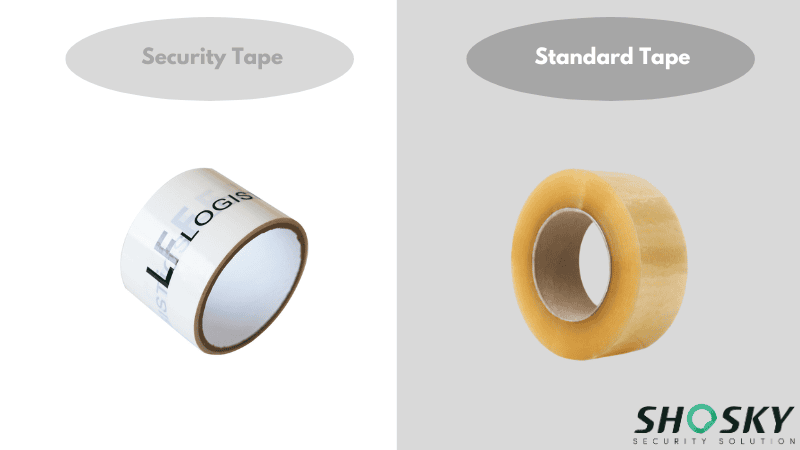
Choosing between standard sealing tape and tamper-evident rolls requires an objective analysis of your unique security threat vectors. Overspending on high-security tape for low-value commodities destroys procurement budgets, while utilizing basic tape on electronics shipments invites catastrophic theft.
The following technical matrix compares the structural limits and chemical properties of these two distinct packaging tools:
| Technical Specification | Standard Packing Tape | Tamper Evident Security Tape |
|---|---|---|
| Base Material Film | 1.5 mil BOPP plastic film | 2.5 mil Polyethylene Terephthalate PET film |
| Adhesive Chemistry | Basic hot melt rubber adhesives | High coat weight modified acrylic formulations |
| Tamper Response | Peels away cleanly under applied heat | Irreversible subsurface VOID ink separation |
| Digital Tracking | Blank transparent or brown surface | Sequential barcode printing and laser etching |
Aligning your physical hardware choices directly with established transit threat profiles prevents logistical failures. It completely eliminates the severe friction of rejected shipments at commercial receiving docks.
3 Key Benefits of Using Security Tape for Corporate Logistics
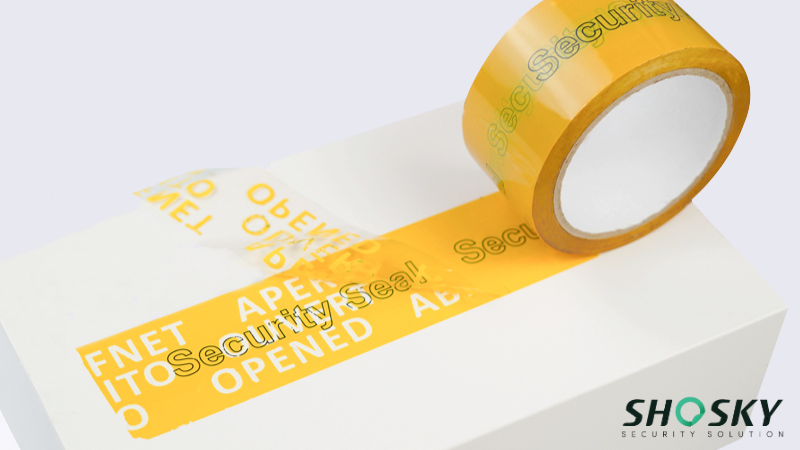
Security tape offers operational advantages that extend far beyond simply closing a cardboard box. It fundamentally upgrades your entire risk management architecture while strengthening brand reputation.
Supply chain executives and procurement teams realize 3 massive commercial benefits when upgrading to tamper-evident solutions:
- Instant Theft Deterrence and Liability Reduction: Visible security graphics combined with irreversible VOID activation deter opportunistic cargo handlers. This immediate physical evidence allows logistics teams to instantly shift insurance liability directly to the freight carrier responsible for the breach.
- Enhanced Consumer Trust and Brand Integrity: E-commerce customers demand absolute assurance that their premium purchases arrive uncontaminated. Branded security tape guarantees absolute product authenticity and completely eliminates false customer claims regarding missing components.
- Cost-Effective Supply Chain Security: Compared to expensive electronic GPS trackers or physical bolt locks, acrylic security tape provides world-class protection at a microscopic fraction of the cost per package.
By recognizing these compounding financial benefits, modern organizations utilize tamper-evident tape as an active profit protection tool rather than a passive packaging expense.
Ready to Get Tamper-Evident Security Tape for Your Business?
Start With A Low Minimum Order Quantity
The 3 Core Classifications of Tamper Evident Tape
There are several engineered categories of security tape available on the commercial market. Procurement teams must precisely match the adhesive transfer mechanics to their specific packaging substrates to prevent spontaneous peeling or permanent asset damage.
The following three categories represent the absolute industry standards classified entirely by their chemical residue behavior:
1. Total Transfer VOID Tape
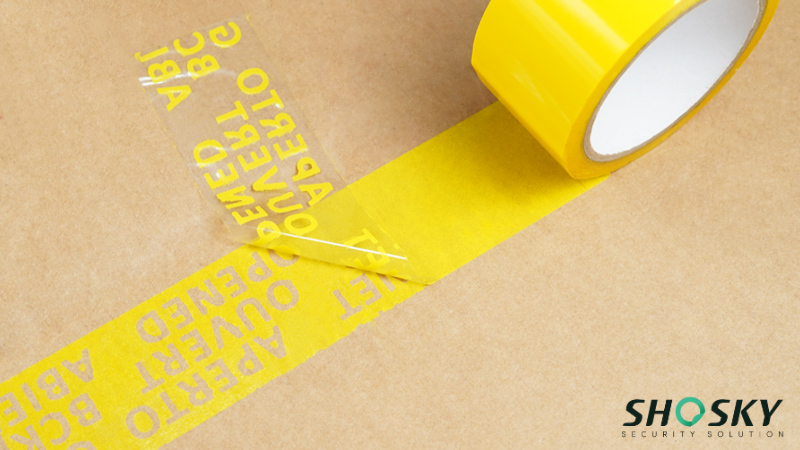
Total transfer tape represents the most aggressive chemical defense for sealing standard corrugated cardboard boxes. Manufacturers design the adhesive layer to completely detach from the top film and embed permanently into the target surface.
These specific physical attributes dictate their commercial application:
- Residue Deposit: Peeling the tape leaves the entire adhesive layer and a permanent VOID message directly on the cardboard substrate.
- Removal Difficulty: The aggressive acrylic completely bonds with paper fibers, making it physically impossible to scrape off without destroying the box.
- Application Surface: Strictly optimized for rough, highly porous materials, including paper envelopes and matte shipping cartons.
Deploying these total transfer barriers completely eliminates opportunistic warehouse theft. Facility managers secure outbound e-commerce shipments instantly, knowing the packaging cannot be recycled by counterfeiters.
2. Partial Transfer VOID Tape
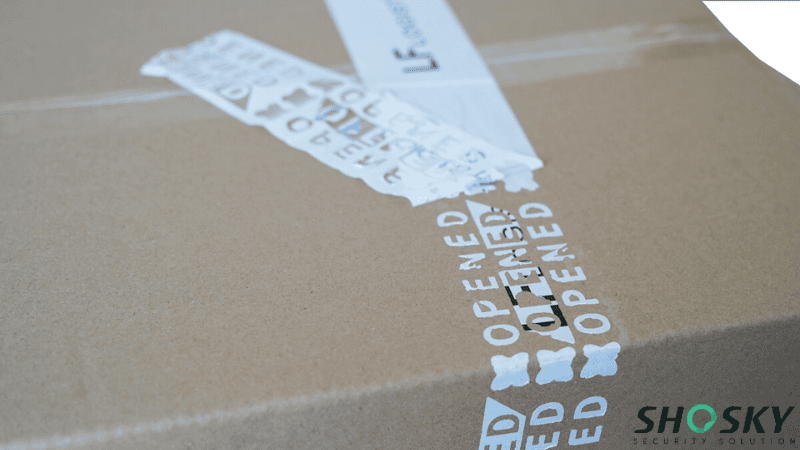
Partial transfer tape serves as the industry baseline for commercial logistics and pharmaceutical packaging. The chemical layers are meticulously calibrated to leave a specific, localized warning pattern rather than the entire adhesive strip.
Procurement officers evaluate these chemical properties for mid-level security:
- Geometric Separation: Leaves a distinct geometric or text pattern on the cardboard while retaining a portion of the glue on the discarded plastic film.
- Visual Contrast: Maximizes the contrast between the triggered VOID message and the background packaging material for rapid dock audits.
- Balanced Adhesion: Provides sufficient grip to secure heavy loads without causing excessive aesthetic destruction to retail packaging.
These chemical barriers provide the most balanced and cost-effective protection for high-volume outbound fulfillment. Receiving docks can instantly spot the triggered warning patterns from a distance of twenty feet.
3. Non-Transfer VOID Tape
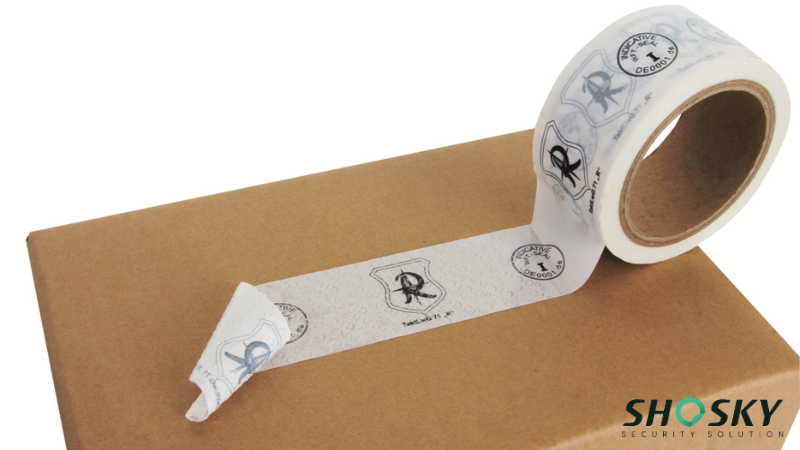
Non-transfer tape secures expensive, reusable logistical assets without leaving a destructive chemical residue. They are strictly engineered for high-value plastic totes, metal aircraft doors, and glass laboratory equipment.
High-value asset protection requires the following engineered specs:
- Clean Removal: Peeling the tape triggers a hidden VOID message within the tape film itself while leaving the physical asset completely clean.
- Substrate Compatibility: Designed exclusively for non-porous, high surface energy materials, including stainless steel and rigid plastics.
- Maintenance Reduction: Prevents expensive chemical cleanup costs and permanent aesthetic damage to expensive transport containers.
Integrating non-transfer adhesives protects proprietary equipment while maintaining a strict visual audit trail. Security teams can trace exactly when a high-value container was compromised during transit without defacing the corporate asset.
Still Feel Confused About How to Choose the Right Security Tape?
Partner With An Expert Team
3 Steps to Choose the Right Security Tape for Your Needs
Selecting the ultimate security tape requires a calculated assessment of your packaging substrates and extreme environmental logistics. Ignoring these variables leads to rapid adhesive failure and complete security compromise.
Procurement directors must execute the following 3-step evaluation framework before authorizing bulk packaging orders:
Step 1: Define Substrate Surface Energy
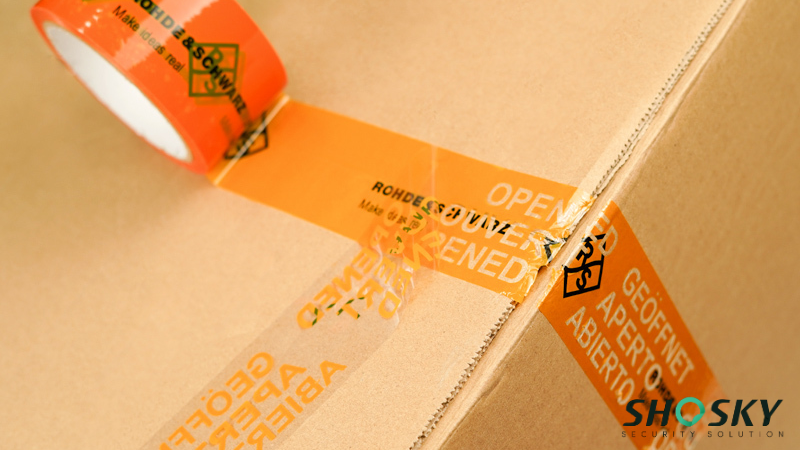
The physical texture and surface energy of your packaging strictly dictate the required adhesive coat weight. Glossy plastic shipping bags repel standard rubber glues, whereas rough cardboard demands deep penetrating acrylics.
Evaluate your primary closure points using these criteria:
- Porous Corrugated Cardboard: Utilize total transfer or partial transfer high-tack acrylic tapes for maximum fiber penetration.
- Low Surface Energy Plastics: Reusable plastic totes and stretch wrap mandate specialized non-transfer tapes featuring modified chemical adhesives.
- Heavy Freight Crates: Wooden pallets require ultra-thick 2.5 mil PET films to prevent accidental tearing against splinters.
Matching the tape chemistry to your container geometry guarantees the security mechanism will deploy exactly as intended without flagging at the edges.
Step 2: Establish Temperature and Environmental Limits
Ambient weather conditions routinely destroy basic packaging adhesives during cross-country transit. Standard plastic tapes become extremely brittle and lose all tackiness in freezing temperatures.
Secure your cold chain logistics by verifying these tolerances:
- Cryogenic Environments: Specify cold-weather acrylic formulas if surface temperatures drop below freezing to prevent the glue from crystallizing.
- High Heat Corridors: Substitute standard BOPP plastics with heat-resistant PET films for outdoor summer exposure across arid desert routes.
- Moisture Defenses: Ensure the adhesive formulations survive extreme warehouse condensation and high-humidity maritime shipping.
Anticipating environmental stress prevents false alarms and guarantees your seals survive the entire intermodal journey.
Step 3: Assess Asset Value and Compliance Risks
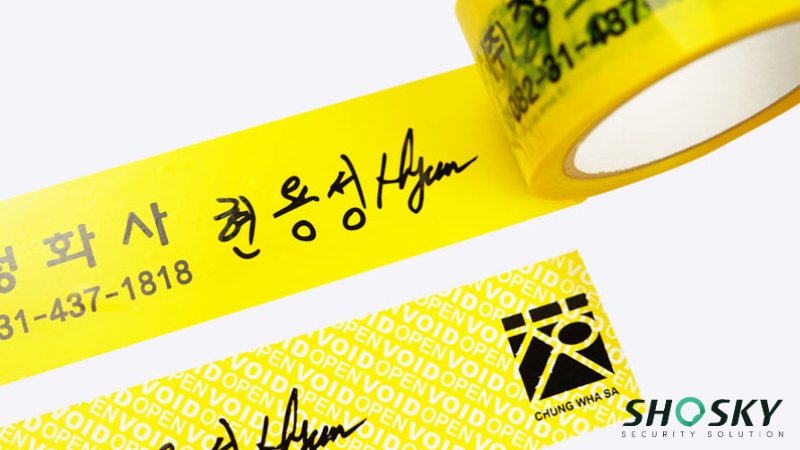
Modern security requires matching the tape complexity directly to the financial risk of the cargo. Utilizing basic visual tapes for sensitive legal evidence invites severe courtroom vulnerabilities.
Upgrade your audit trail utilizing these risk-based integrations:
- Regulatory Compliance: Pharmaceutical transport demands customized printed tapes to satisfy FDA 21 CFR Part 11 visual tracing requirements.
- Automated Data Logging: High-value electronics shipping requires laser-etched barcodes for instant scanning across automated warehouse checkpoints.
- Brand Protection: E-commerce luxury brands integrate proprietary corporate logos and hidden micro printing to defeat counterfeit tape substitution.
Transitioning from basic sealing to strategic risk assessment establishes an immutable perimeter for every facility handoff.
Standard Operating Procedures for Tape Application
The strongest acrylic adhesive will fail completely if warehouse personnel apply the tape incorrectly. Proper mechanical execution at the packing station is the absolute foundation of supply chain accountability.
To guarantee an airtight chain of custody, all employees must strictly execute the following sealing sequence:
Step 1: Execute Surface Preparation Protocols
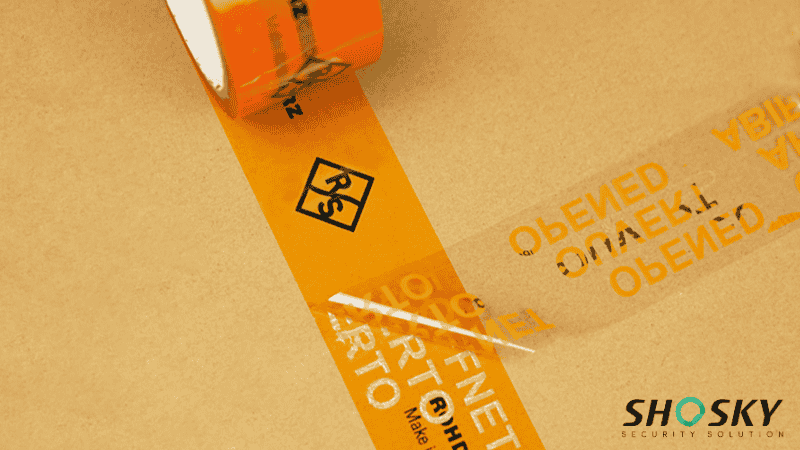
The physical texture and cleanliness of your packaging strictly dictate the final adhesive bond. Applying premium security tape over warehouse dust or condensation guarantees immediate edge lifting and false security alarms.
Operators must prepare the closure points using these strict criteria:
- Debris Removal: Wipe the cardboard seams completely free of corrugated dust and ambient warehouse debris.
- Moisture Elimination: Ensure the carton surface is absolutely dry to prevent water molecules from blocking the acrylic bond.
- Temperature Normalization: Always apply the tape in a climate-controlled zone before moving the package into a cold storage facility.
Matching the surface conditions to the adhesive chemistry guarantees the security mechanism will deploy exactly as intended during transit.
Step 2: Apply Firm Mechanical Pressure

Pressure-sensitive adhesives require heavy physical compression to activate the chemical bond. Simply laying the tape across the box seam provides zero tamper-evident security. The Packers must enforce the following application mechanics:
- Continuous Sealing: Apply the tape in one continuous strip across the primary center seam, overlapping the side edges by at least three inches.
- Roller Compression: Utilize a hard rubber roller to press the tape firmly into the microscopic pores of the cardboard substrate.
- Avoid Stretching: Never pull or stretch the tape excessively during application to prevent the film from contracting and peeling back over time.
Anticipating mechanical stress prevents false alarms and guarantees your seals survive the entire logistical journey.
Step 3: Implement Audit and Verification Logging

Modern security relies heavily on automated digital verification to eliminate human error. Utilizing customized tape requires logging the specific package data to prevent criminals from slicing the box and resealing it with identical aftermarket tape.
Upgrade your audit trail with the following data integrations:
- Signature Boundaries: Instruct packers to sign their initials across the tape edge using permanent industrial markers.
- Barcode Synchronization: Scan the serialized tape numbers directly into your shipping manifest software.
- Visual Intake Audits: Receiving technicians must physically inspect the tape seams for micro tears before signing the delivery docket.
Transitioning from basic sealing to strict digital verification establishes an immutable timestamp for every facility handoff.
FAQs
What is the optimal film thickness for industrial security tape?
Our standard industrial security tapes utilize a heavy-duty 2.5 mil PET film. This precise specification guarantees the tape survives normal transit vibration and prevents accidental tearing during high-speed automated sorting operations.
Can tamper-evident security tape survive international ocean freight?
Yes. Our specialized security tapes feature durable acrylic adhesive housings that protect the chemical VOID layers. They operate flawlessly in high humidity and extreme saline environments common during extended intermodal ocean transit.
Does security tape bond securely to cold chain packaging?
Yes, provided you specify the correct formulation. We utilize highly modified cold-weather acrylic adhesives engineered specifically to maintain an aggressive chemical bond and trigger visual VOID messages without crystallizing in deep freeze conditions.
What protocol must receiving personnel follow if a tape seal is broken?
Receiving personnel must immediately quarantine the specific carton and halt further unpacking. You must document the exact VOID discrepancy photographically and trigger an internal compliance audit to investigate the broken chain of custody before accepting the freight.
Secure Your Supply Chain with Shosky’s Security Void Tape
Using security tape is crucial for ensuring tamper-proof, traceable, and transparent shipments. It protects goods from theft, damage, and unauthorized access, providing both businesses and customers with peace of mind. So, businesses should consider adopting security tape as part of their packaging process to safeguard their products and establish credibility.
Shosky Security offers high-quality tamper-evident solutions tailored to your packaging needs. With innovative products and custom options, we ensure your shipments remain secure. Explore our full range of products, or contact us for personalized assistance!