
Cargo security failures often happen in transit, not at the warehouse. Reports from the Transported Asset Protection Association show a steady rise in cargo theft across major trade routes, with losses reaching billions each year. A large share of incidents involves tampering that goes unnoticed until delivery.
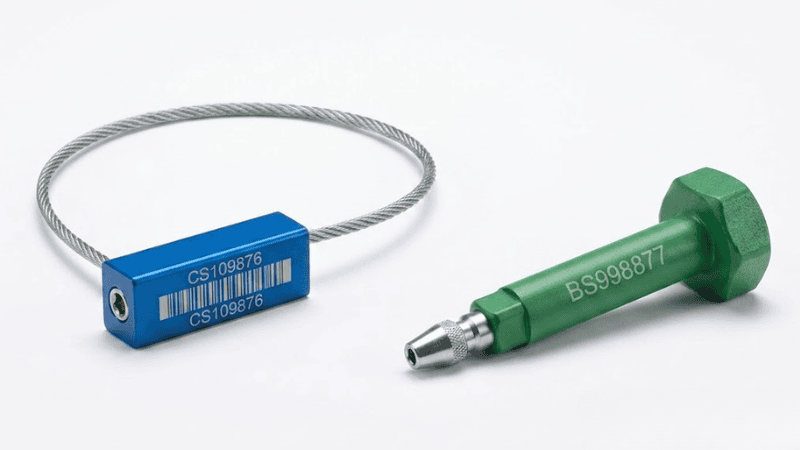
This makes high security seals a required part of modern logistics, not an optional upgrade. In this article, we will talk about the top security seals used for cargo security: cable seals and bolt seals. We will compare them in detail. The goal is to help procurement teams and logistics operators make a structured selection.
Understanding High Security Bolt Seals (The Rigid Barrier)
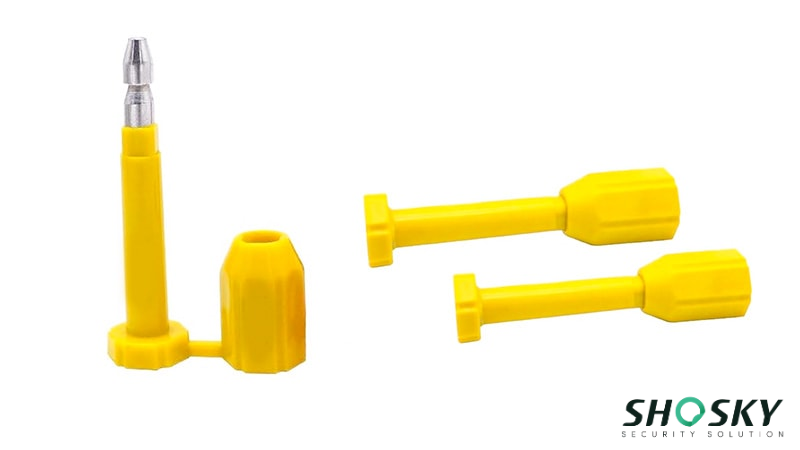
A bolt seal is designed for strength and structure. Reports from BSI Group and TT Club highlight that cargo theft remains a persistent global issue, with organized groups targeting goods in transit and exploiting weak points in container security.
This puts pressure on logistics teams to use high-security seals that can resist tampering and meet ISO 17712 requirements. High-security bolt seals are widely used for this reason.
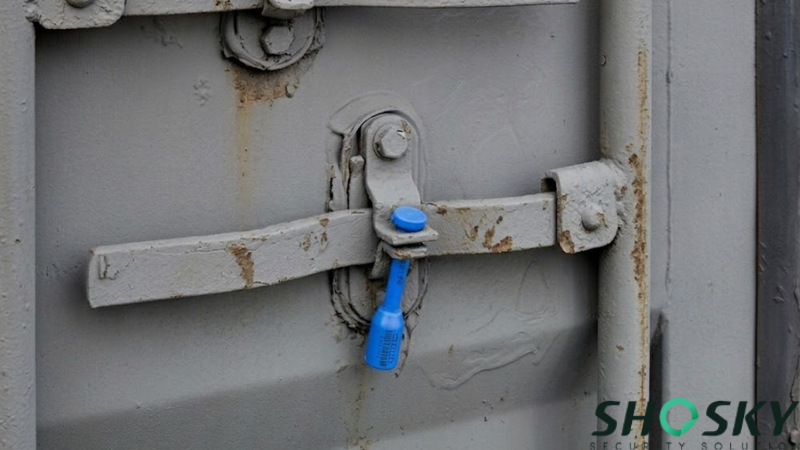
They are a standard choice for shipping containers involved in international shipping and C-TPAT programs. Their rigid structure and certified strength make them highly suitable for controlled environments where locking holes align properly, and the container door is in good condition.
The Mechanism
A bolt seal follows a highly secure locking process designed to prevent covert access. The engineering breaks down into several key features:
- Fixed Interlocking Fit: A solid steel pin passes through the container’s locking holes and secures irreversibly into a metal barrel.
- Protective Coating: A high-impact plastic coating protects the steel core and allows for laser marking to ensure clear identification.
- Anti-Spin Engineering: Premium designs block rotation during high-speed drilling attempts, neutralizing sophisticated tampering attacks.
Each of these advanced manufacturing steps permanently adds a massive physical layer of control over cargo access. This aggressive combination of rigid mechanical locking and highly visible digital identification heavily solidifies bolt seals as the absolute standard option in strictly regulated shipping environments.
The Core Strength
The true strength of a bolt seal comes directly from its rigid physical design. Procurement teams rely on these seals for their defensive capabilities:
- Blunt Force Resistance: The solid carbon steel design withstands massive physical impact without bending or breaking.
- Shear Cutting Defense: They heavily resist standard cutting tools, requiring highly specialized 36-inch industrial bolt cutters for removal.
- ISO Stress Testing: Many 17712 certified models are laboratory tested to withstand heavy tensile and shear stress under strict ISO standards.
By strictly requiring heavy industrial tools for authorized terminal removal, these rigid bolt seals aggressively create an undeniable physical barrier against organized theft while explicitly providing highly visible forensic proof of tampering during logistical handovers.
Applications
Bolt seals are engineered specifically for structured and predictable logistics setups. They work best where hardware alignment is consistent, and the application does not require flexibility:
- Maritime Freight: Standardized shipping containers used in global ocean shipping.
- Regulated Cargo: ISO tanks carrying chemicals or high-value liquids.
- Modern Fleets: Logistics trucks with brand-new or perfectly aligned door latches.
However, if the locking holes do not line up perfectly, the straight bolt cannot pass through. This physical limitation restricts their use on older containers or damaged transportation equipment.
Understanding Heavy Duty Cable Seals (The Flexible Fortress)
Not all containers and trucks maintain perfect hardware alignment over time. Wear, dock impact, and repeated use often lead to misaligned locking holes. Data from CargoNet shows cargo theft risks increase significantly when locking points are inconsistent or when equipment is worn out.
This is exactly where flexible cable seals become a highly practical solution. They are built to work around structural inconsistencies that develop over time.
Instead of requiring precise straight-line alignment, they adjust to different distances and angles between locking points. This adaptability makes them suitable for containers and trucks that have seen heavy repeated use.
The Mechanism
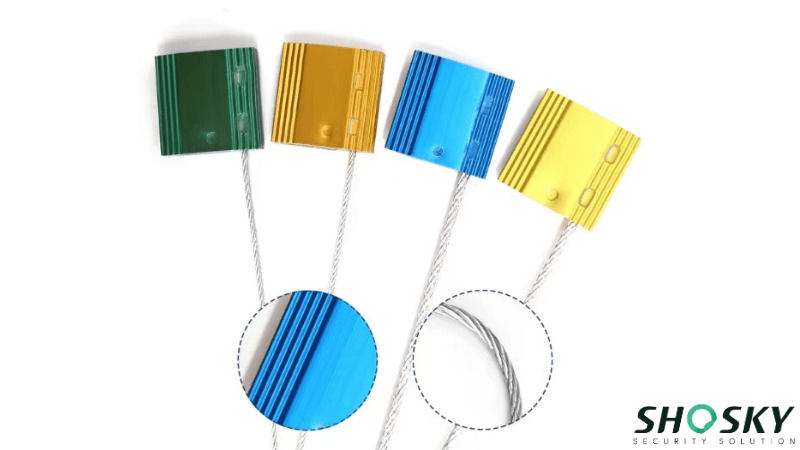
Cable seals rely on a flexible steel cable and a metal locking body that secures it permanently in place. The design focuses entirely on adaptability while maintaining robust tamper resistance:
- Tensile Braided Cable: A braided steel aircraft cable forms the main locking element, providing dynamic strength.
- Corrosion-Resistant Body: The locking chamber is typically manufactured from durable aluminum or zinc to prevent environmental rusting.
- One-Way Pull Mechanism: The cable passes through the locking chamber and is pulled tight, automatically locking in place with zero possibility of retraction.
This variable-length setup makes cable seals the ultimate solution for irregular or worn locking systems where fixed alignment is not possible.
The Core Strength
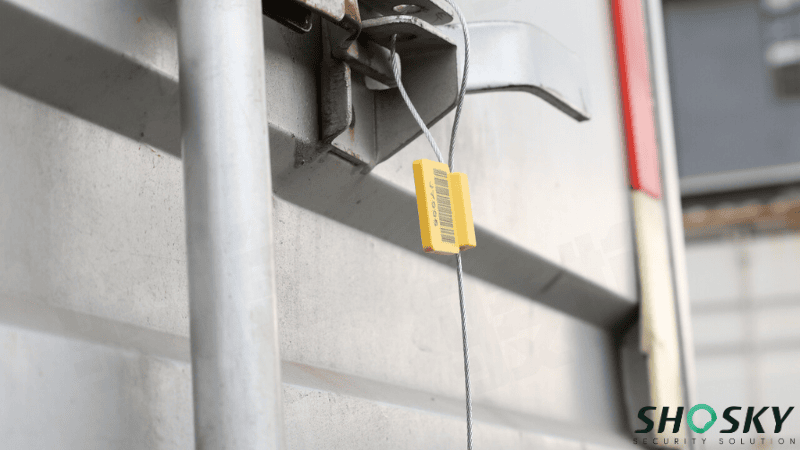
Cable seals perfectly combine high tensile strength with operational flexibility. These tamper-evident solutions possess several distinct defensive traits:
- ISO Classification: Premium models successfully meet ISO 17712 certified standards, placing them in the exact same high-security classification as rigid bolt seals.
- Cutting Resistance: The thick braided steel resists standard hand tools and requires specialized bypass cable cutters for clean removal.
- Fray-Cut Technology: Once cut, the steel strands intentionally fray and spread outward. This makes rethreading impossible and visually exposes any tampering attempts.
This fraying behavior is critically important for maintaining absolute trust in the seal’s integrity during border inspections.
Applications
Logistics teams deploy cable seals wherever rigid bolt seals physically cannot fit. Their flexibility allows them to secure uneven or damaged locking points flawlessly:
- Aging Fleets: Older logistics trucks and trailers with worn or heavily misaligned latches.
- Damaged Hardware: Ocean containers with bent handles or uneven locking holes.
- Specialized Transport: Railcars, freight wagons, and bulk liquid tanker valve closures.
These challenging applications require extreme adaptability, making heavy-duty cable seals the superior choice over standard bolt seals in variable conditions.
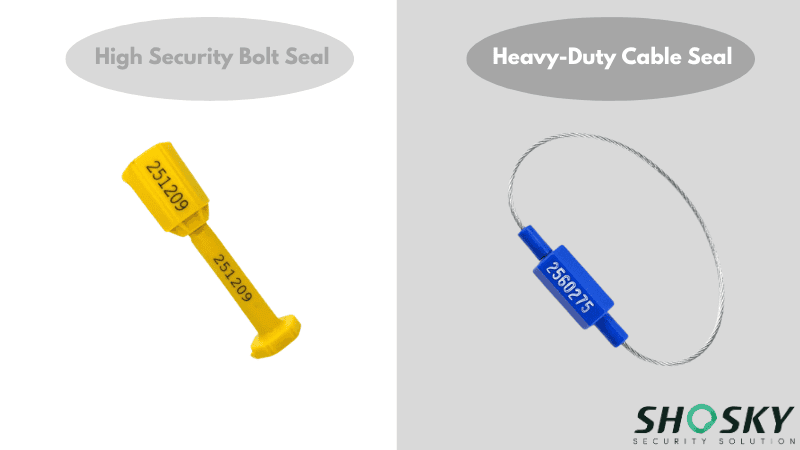
Choosing between bolt and cable seals depends on real working conditions. Both are high-security seals, but their performance changes based on fit and application. Procurement teams must check equipment, verify compliance, and plan for removal.
| Factor | Bolt Seal | Cable Seals |
|---|---|---|
| Fit | Requires aligned locking holes | Works with misaligned locking holes |
| Flexibility | Fixed structure | High flexibility with adjustable cable length |
| Removal | Needs bolt cutters | Needs cable cutters |
| ISO 17712 | 17712 certified options available | 17712 certified options available |
| C-TPAT | Meets C-TPAT when certified | Meets C-TPAT when certified |
Flexibility plays a key role in seal selection. A bolt seal requires precise alignment, which works flawlessly for new containers. Cable seals adapt to different shapes and distances, making them optimal for older equipment. This difference becomes abundantly clear in daily logistics operations.
Cutting and removal protocols must also be thoroughly planned. A high security bolt requires strong industrial cutters, while a cable needs the right bypass tool to avoid crushing the steel strands.
Compliance is also crucial. According to guidelines referenced by U.S. Customs and Border Protection, C-TPAT requires the use of certified high security seals for containers entering regulated trade routes. This means both seal types are fully valid when properly certified.
Ready to Get the Right Security Seals for Your Business?
Start With A Low Minimum Order Quantity
3 Rules for Choosing the Right Seal for Your Fleet
Seal selection should always follow field conditions, not assumptions. A mismatch between seal type and equipment often leads to failed inspections, delayed clearance, or weak tamper control during transit. These 3 operational rules help you choose the right cable seals or bolt seals for your actual fleet requirements.
Rule 1: Assess Hardware Condition Before Selection
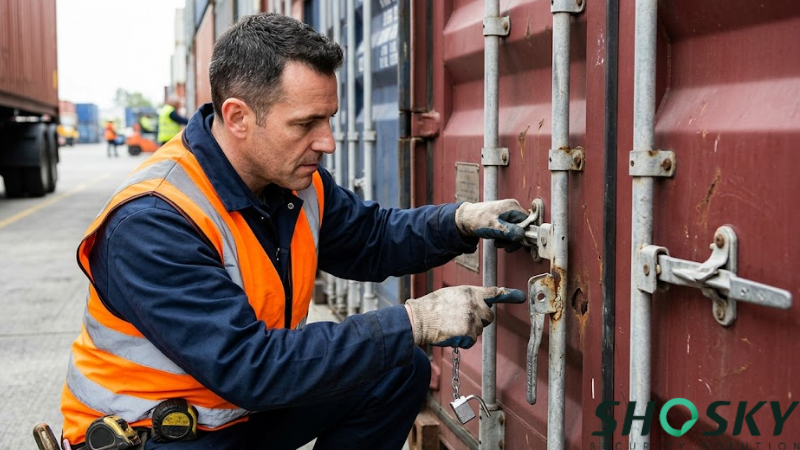
Before issuing a purchase order, terminal managers must conduct a physical audit of the fleet’s locking hardware. Standard procurement often defaults to rigid bolt seals, but applying a straight bolt to heavily cycled intermodal containers with warped latch assemblies will guarantee immediate structural failure. When auditing hardware, carefully measure:
- Door and latch alignment
- Locking hole condition
- Wear or deformation from use
- Fit for bolt seal or need for cable flexibility
Forcing an 18mm carbon steel pin through misaligned holes places immense lateral shear stress on the seal’s ABS plastic barrel. Under the constant vibration of maritime or rail transit, this continuous stress causes the plastic housing to micro-fracture.
Customs inspectors will immediately flag a cracked barrel as a tampering attempt, leading to severe cargo holds. If the locking hardware is damaged, deploying a flexible cable seal is non-negotiable.
Rule 2: Define Removal and Field Handling Requirements
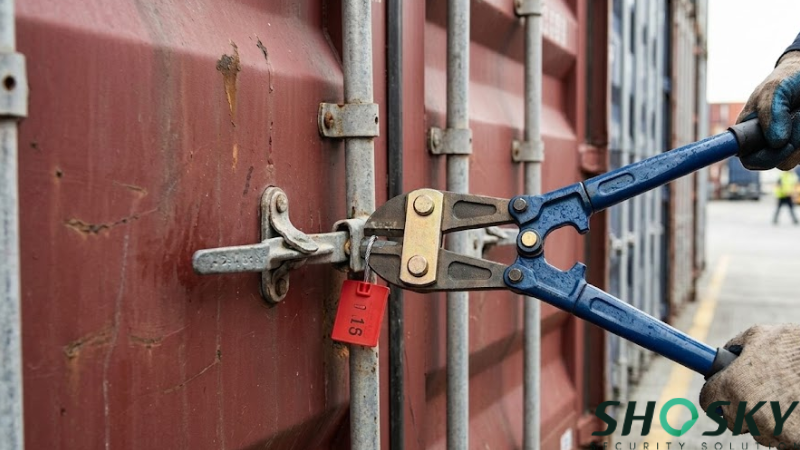
Procurement teams frequently purchase ISO-certified seals without consulting the receiving dock’s tooling inventory. A high-security seal is specifically engineered to defeat unauthorized access, which means authorized removal strictly requires specialized, high-leverage industrial equipment. Facility managers must proactively define:
- Required cutting tools (bolt or cable cutters)
- Tool rating matches seal strength
- Staff trained on correct removal steps
- Clear record of proper break patterns
Attempting to cut a heavy-duty braided cable with standard wire snips will merely crush the lock body and severely fray the steel strands, trapping the seal permanently on the door. Terminal protocols must legally mandate the correct industrial tools to ensure both worker safety and rapid dock turnaround times.
Rule 3: Enforce Traceability and Compliance Controls
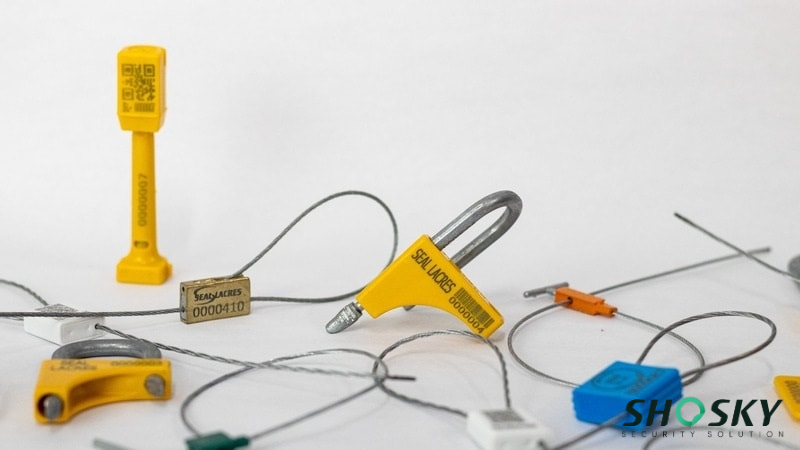
Physical barrier strength is entirely useless without an immutable digital chain of custody. When dealing with international freight, border authorities rely heavily on digital manifests. A single illegible digit or human logging error on a seal sequence can result in the entire shipping container being quarantined at the port. Logistics teams must aggressively enforce tracking protocols:
- Serial numbers recorded at dispatch
- Barcode or ID matched on arrival
- Records linked to shipment documents
Enterprise operations must completely abandon manual clipboard logging. By using laser-etched barcodes and direct system integration, companies eliminate human error that can lead to catastrophic customs holds, ensuring the physical seal matches the digital shipping manifest.
FAQs
Q1: Do flexible cable seals meet ISO 17712 high-security standards for global shipping?
Yes. Heavy-duty cable seals featuring braided steel wire diameters of 3.5 millimeters or thicker strictly comply with ISO 17712 testing standards. This rigorous classification legally allows them to be utilized as highly secure physical barriers for international C-TPAT-regulated ocean freight.
Q2: What specific tools are required to successfully remove a high security bolt seal?
Because high-security bolt seals use massive 18-millimeter hardened carbon steel pins, they absolutely cannot be broken by hand. Receiving dock personnel must exclusively utilize professional 36-inch industrial bolt cutters to safely shear the thick metal barrel and prevent unauthorized access.
Q3: Can heavy-duty cable seals secure badly damaged or severely misaligned container doors?
Yes. This represents their primary operational advantage. Unlike rigid carbon steel bolts that strictly require perfectly aligned hardware, braided aircraft cables aggressively bend and dynamically adapt to heavily warped or severely damaged locking holes commonly found on rapidly aging intermodal shipping containers.
Q4: What exactly is anti-spin engineering on a rigid high-security bolt-seal?
Anti-spin engineering features a highly unique interlocking mechanism explicitly located between the carbon steel pin and the metal locking barrel. If sophisticated cargo thieves attempt to defeat the lock utilizing a high-speed drill, the pin locks permanently, completely neutralizing the friction attack.
Q5: Do ISO 17712 certified seals perfectly satisfy modern C-TPAT tracking requirements?
Yes. To maintain the absolute C TPAT minimum security criteria, enterprise companies must continuously procure certified high-security seals featuring permanent 1064 nm laser-etched sequential serial numbers. This rigorous mathematical integration ensures flawless digital chain-of-custody tracking across global borders.
Request Certified Bolt and Cable Seals from Shosky Security
High security seals play a direct role in protecting cargo integrity during transit. Both bolt and cable seals deliver compliant performance when they meet ISO 17712 certification standards, but their use cases differ based on fleet conditions. A structured seal selection process improves operational efficiency and strengthens compliance with C-TPAT requirements across global trade lanes.
Shosky Security provides ISO 17712-certified high-security bolt seals and cable seals designed for international shipping and logistics operations. Contact us to request specifications, pricing, or to place an order based on your fleet requirements.