
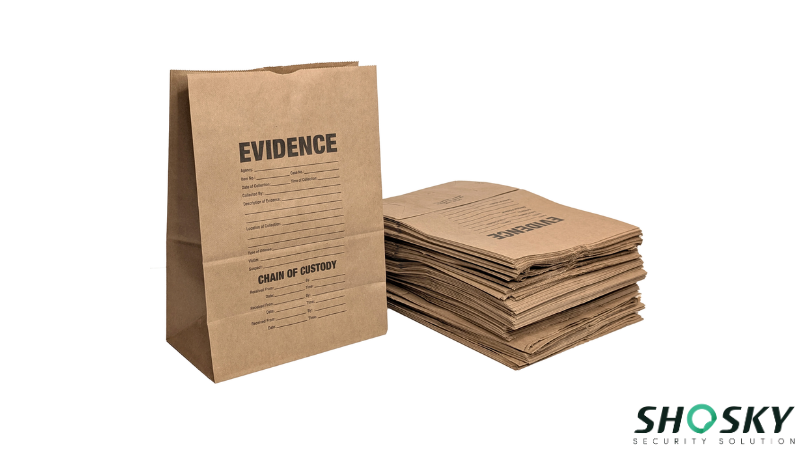
A bloodstained shirt sealed in a standard plastic evidence bag doesn’t just risk looking unprofessional in court; it risks becoming unusable as evidence at all. Trapped moisture inside a sealed plastic bag creates exactly the conditions that bacteria and mold need to degrade biological material, and once DNA breaks down, no amount of lab work can recover it.
This is why NIST’s Handbook on Biological Evidence Preservation is specific on this point: plastic bags can hold wet evidence temporarily, but long-term storage requires either a desiccant or a breathable plastic bag, and Tyvek is the material NIST names.
This guide covers the materials science behind why breathable packaging matters for biological evidence, where Tyvek evidence bags fit relative to plain paper and plain plastic, and where they don’t. Tyvek is not the right answer for every evidence type, and a guide that pretends otherwise isn’t giving you a decision tool, just a product pitch.
Why Sealed Plastic Destroys Wet Biological Evidence
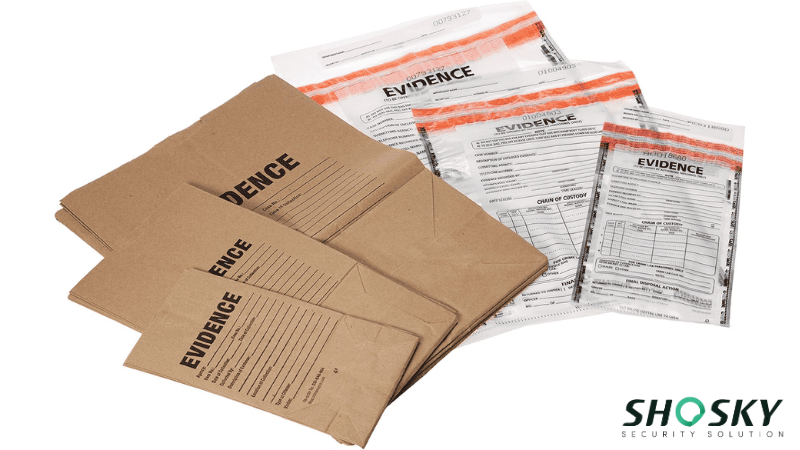
The mechanism is straightforward chemistry, not a vague durability claim. When damp or wet biological material- blood, tissue, bodily fluids- is sealed in a container that doesn’t let moisture escape, that trapped humidity creates a microenvironment where bacteria and mold multiply.
Those organisms don’t just look unpleasant; they actively break down the DNA in the sample. California DOJ’s evidence packaging guide describes the failure mode directly: biological evidence packaged wet leaks within the sealed container, resulting in sample deterioration and cross-contamination.
NIST’s handbook is equally direct about the endpoint: water causes instability and strand breakage in the DNA-binding strands, and its presence encourages the growth of yeast, mold, and bacteria that further degrade the sample. That combination, chemical instability plus microbial attack, is why letting it dry out on its own eventually isn’t a workable strategy. By the time evidence reaches a lab weeks or months later, degradation that happened in the first 48 hours in a sealed bag usually can’t be undone.
This is also why the standard advice for most biological evidence has historically been paper, not plastic at all. Multiple state forensic labs, including Utah’s Bureau of Forensic Services, require paper bags for all biological and DNA evidence specifically because paper breathes. Tyvek enters the picture as an option for situations where paper’s downsides- tearing, low puncture resistance, no visibility into the bag- become a bigger problem than plastic’s moisture risk.
Need Evidence Bags that Protect the Chain of Custody and the Sample?
Start With A Low Minimum Order Quantity
Inside Tyvek: The Material Technology Behind Forensic-Grade Breathability
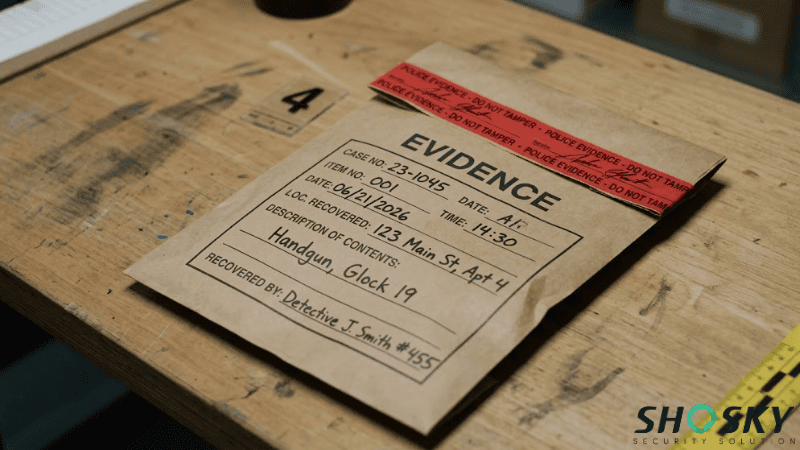
Tyvek is a DuPont‑branded material, not a generic breathable‑bag stock. Produced from flash-spun, binder‑free, high-density polyethylene fibers, it delivers a high WVTR: water vapor passes through, while liquids, dust, and particles are blocked. Adapting technology from medical packaging and desiccant sachets, tamper‑evident Tyvek evidence bags allow damp samples to dry-seal, avoiding the trade‑off between mould risk from immediate sealing and contamination risk from open storage or broken chain-of-custody.
Tyvek has solid forensic credentials. UK police SOCOs use Tyvek coveralls as standard PPE. Its breathable‑barrier design prevents sample degradation and investigator‑borne cross‑contamination. A Metropolitan Police senior manager called it “a superb two‑way barrier against cross‑contamination”, lightweight for long‑wear — this dual‑protection suits evidence bags: blocking contaminants while letting samples breathe.
DuPont’s technical data lists 19‑27 N trapezoidal tear resistance and >10 N puncture resistance for coverall‑grade Tyvek, outperforming ordinary paper. Evidence bags use different Tyvek grades; these values are for reference. Always check supplier‑specific datasheets if durability is critical.
Tyvek vs. Paper vs. Plastic Evidence Bags: When Each Makes Sense
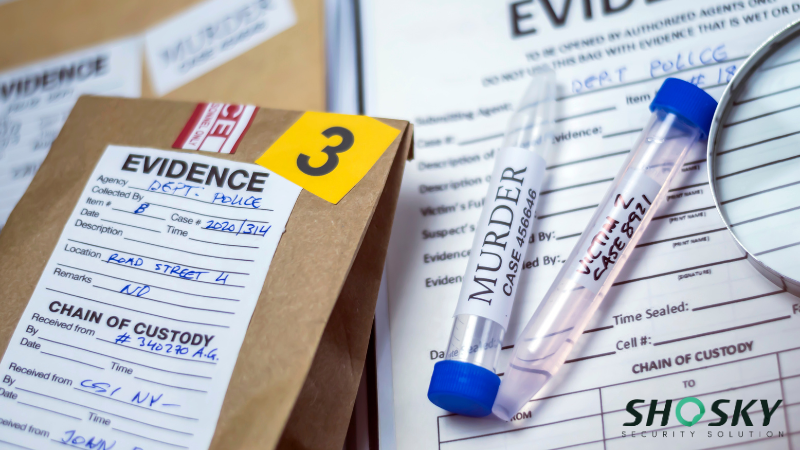
None of these three materials is a universal answer, and the forensic guidance above is consistent on that point: the right container depends on the evidence’s condition and type, not a single default. Our paper vs. plastic evidence bag guide covers the binary choice in more depth; Tyvek sits alongside both as a third option to address the gap between them. The table below lines up all three against the factors that actually drive the decision.
| Factor | Paper | Standard Plastic | Tyvek |
|---|---|---|---|
| Breathability | Yes, natural | No, sealed | Yes, engineered (high WVTR) |
| Best for damp biological evidence | Poor, weakens when wet | Not for extended storage | Yes, NIST-named option |
| Tear and puncture resistance | Low | Moderate | High |
| Visibility without opening | None | Yes, if clear | Often paired with a clear window panel |
| Relative cost | Lowest | Low | Highest |
| Typical mandate | Required for dry DNA evidence by several state labs | Dry, non-biological items; short transport only | Damp items, swabs, fragile or irregular items |
Read the pattern in reverse, and the decision gets simpler: reach for paper first for dry biological evidence; reach for Tyvek when the item is damp, fragile, or needs to be seen without opening the bag; and reserve plain sealed plastic for dry, non-biological items or short-duration transport only. None of the three is a drop-in replacement for the other two, which is why most evidence rooms stock all three rather than standardizing on one.
Chain of Custody and Sealing Requirements for Breathable Evidence Bags
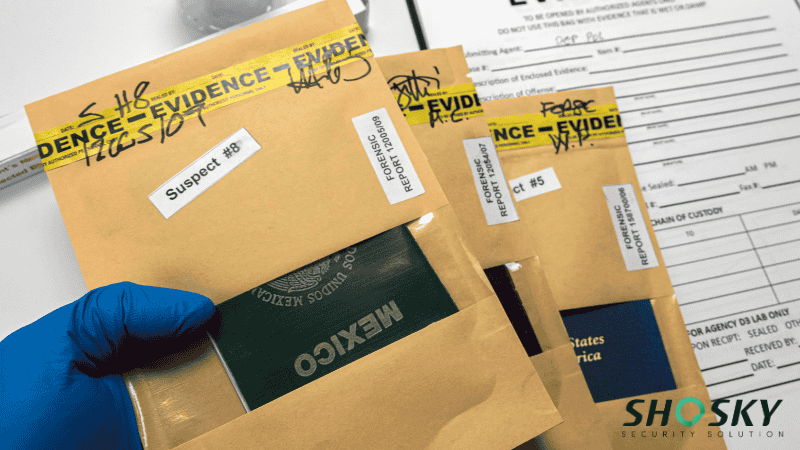
Breathability solves the moisture problem, but it doesn’t replace the chain-of-custody requirements that apply to any evidence container. Forensic packaging guidance is consistent across agencies on a few points worth checking against whatever Tyvek bag you’re specifying:
- The container must be labeled before the item goes in, with case number, item number, collecting agency, description, and date, so nothing has to be written on a sealed, evidence-bearing surface after the fact.
- The bag must be sealed in a way that shows obvious damage if opened; evidence tape or a manufacturer’s built-in tamper-evident seal both satisfy this, but a fold-over flap with no seal does not.
- Biohazard labeling is required where applicable, separate from the standard case information.
- Items should be packaged individually to prevent cross-contamination between separate pieces of evidence, a rule that applies regardless of which material the bag is made from.
Our guide to forensic evidence bags covers sequential numbering and tear-off receipt systems in more detail, and our guide to labeling and sealing evidence bags walks through the labeling requirements step by step. Both apply the same way whether the bag underneath is paper, plastic, or Tyvek.
FAQs
Q1: Can Tyvek evidence bags completely replace traditional paper bags for biological evidence?
No, paper bags remain the standard low-cost recommendation for thoroughly dried biological evidence. Tyvek is specifically required when evidence remains damp, is prone to puncturing paper, or requires visual inspection through integrated clear window panels.
Q2: How does Tyvek protect DNA better than standard plastic ziplock bags?
Standard poly bags seal in moisture, creating a high-humidity environment that rapidly degrades DNA strands via enzymatic microbial action and hydrolysis. Tyvek allows water vapor to evaporate naturally while keeping out external liquid contaminants.
Q3: Are all breathable evidence pouches made from genuine DuPont Tyvek material?
Not all breathable pouches use genuine Tyvek. Some suppliers use generic microporous films. If your departmental procurement protocol mandates genuine DuPont Tyvek, verify the material specifications with your supplier to ensure compliance with flash-spun HDPE standards.
Q4: Can damp biological evidence be stored long-term inside a sealed Tyvek bag without prior air-drying?
Yes, Tyvek permits continuous passive drying during storage. However, best forensic practices still recommend air drying biological evidence in a secure drying cabinet whenever feasible before final long-term packaging.
Choose the Material the Evidence Actually Needs
The choice between paper, plastic, and Tyvek isn’t about which material is best; it’s about matching breathability, durability, and visibility to what’s actually inside the bag. Paper remains the standard for dry biological evidence. Sealed plastic works for dry, non-biological items or short transport windows. Tyvek fills the gap where evidence is damp, fragile, or needs to stay visible without breaking the seal, backed by a documented water vapor transmission mechanism and a forensic track record that extends from evidence bags to the coveralls worn at the scene itself, not just a marketing claim.
If you’re standardizing evidence packaging across a department or lab and want help matching material to evidence type, our team at Shosky Security can walk through your protocol and recommend a spec. Visit our contact page to request a technical consultation or a sample kit.