
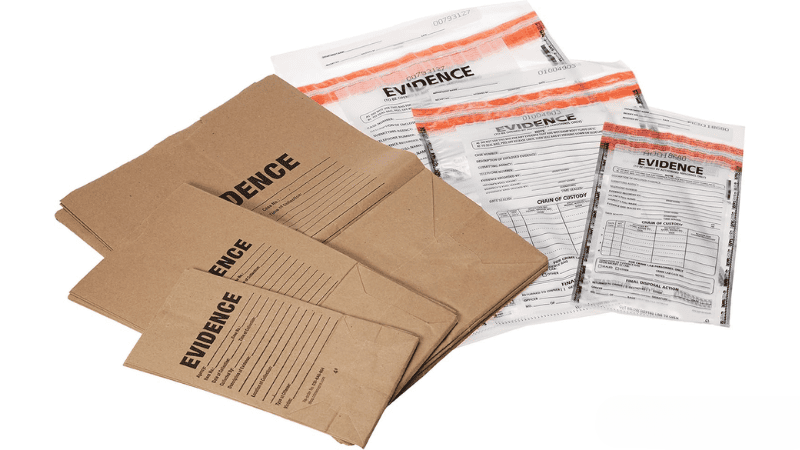
A peer-reviewed study involving NIST researchers that measured drug residue on the exterior of evidence packaging before and after laboratory analysis found that, in nearly every case tested, the amount of residue detected on the outside of the bag increased after the evidence was opened, examined, and repackaged.
Field investigators frequently jeopardize chain-of-custody protocols by prioritizing standard storage convenience over material science, leading to catastrophic evidence degradation. This guide provides a definitive engineering and forensic breakdown for deploying paper and plastic evidence containers in accordance with strict judicial standards.
What Are Evidence Bags and Why Do They Matter?
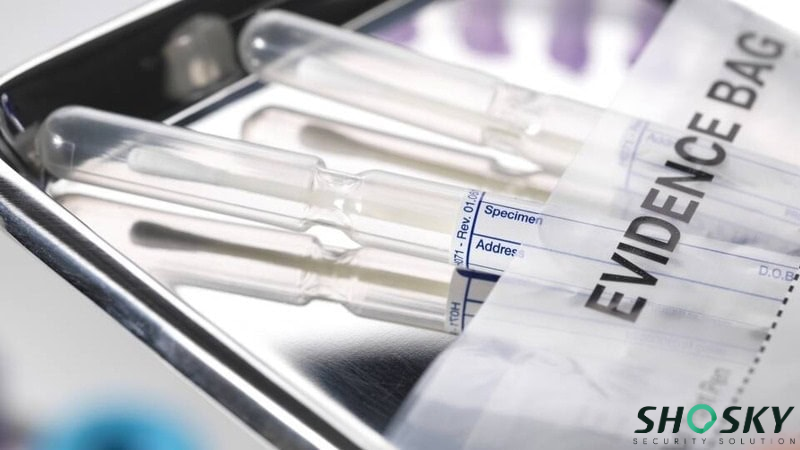
Evidence bags are specially designed containers used to store, protect, and transport items collected during a criminal investigation. These bags hold samples like clothing, blood, weapons, and drugs. The main goal is to prevent contamination, tampering, or loss. Whether made of paper or plastic, each type of bag is chosen based on the kind of evidence being collected and its storage needs.
One of the most important reasons evidence bags matter is the chain of custody. This refers to the documented process that tracks the movement of evidence from the crime scene to the courtroom. If the packaging is not sealed, labeled, or handled correctly, the integrity of the evidence is at risk.
In court, even strong physical evidence can be thrown out if its chain of custody is broken or unclear. Secure packaging using evidence tape and proper labeling helps maintain trust in the investigation process.
Police officers use them at crime scenes. Forensic laboratories use them to store and test samples. Attorneys present them in court as proof of the crime. Every step, from collection to storage, relies on proper evidence packaging to ensure that the truth is preserved and justice can be served.
Paper Evidence Bags: Features and Advantages
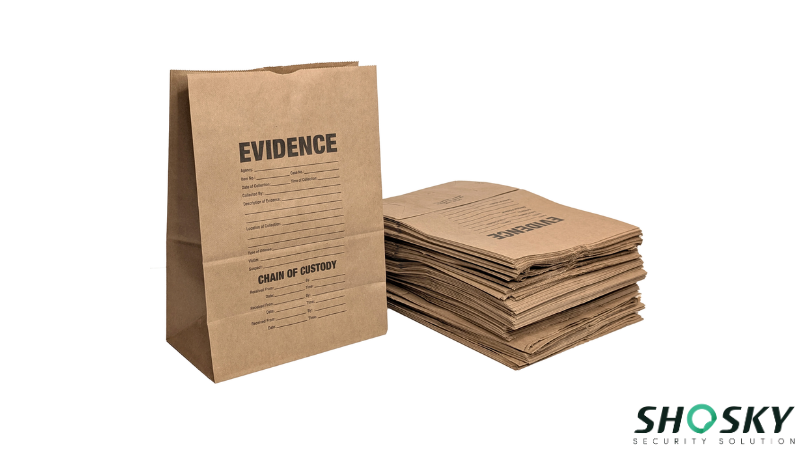
Paper is porous, allowing trapped moisture to escape. This makes paper bags ideal for biological evidence like blood, hair, and plant matter, especially when mold or sample degradation is a concern. The National Institute of Justice specifically recommends paper packaging whenever saturation isn’t a concern, and warns that sealing damp body fluids in plastic for extended periods promotes bacterial growth that degrades DNA.
- Tamper-Evidence: Paper bags can be securely sealed using tamper-evident bag tape or staples. They’re easy to mark and date, helping investigators verify that seals remain intact through each transfer.
- Labeling and Documentation: The writable surface allows for quick and clear evidence logging. They’re also compatible with chain of custody forms, barcodes, and evidence tape, simplifying the documentation process.
- Eco-Friendly Material: Many paper bags are made from recycled or biodegradable materials. This makes them a greener choice, aligning with growing efforts toward sustainable policing and forensic practices.
- Cost-Effective: Paper evidence bags have lower production costs than high-performance plastic alternatives. They offer a budget-friendly solution for departments that need reliable tools without stretching procurement budgets.
Paper evidence bags remain a trusted choice in many crime scene investigations and lab settings. They are best for powders, dry evidence, trace materials, narcotics, and DNA samples. They’re especially useful in drug investigations, environmental forensics, and field collection of delicate samples.
Plastic Evidence Bags: Features and Advantages
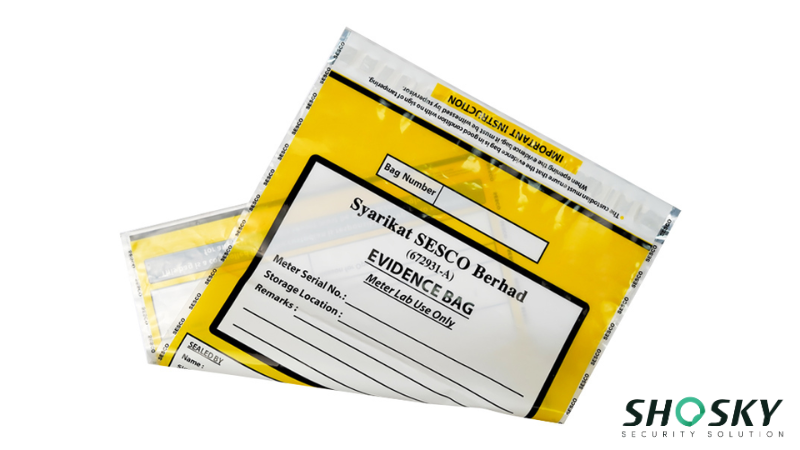
Plastic evidence bags offer a range of benefits, especially when protection from moisture and durability are top priorities. Their design supports the secure handling and preservation of a variety of evidence types. Here’s a closer look at their main features:
- Moisture and Contaminant Resistance: Plastic bags can be airtight and watertight when sealed properly. This prevents cross-contamination during transit or storage, keeping evidence safe from external elements.
- Superior Durability: They are tear-resistant and puncture-proof. Plastic bags can withstand rough handling, transportation, and harsh environments without compromising the evidence inside. Heavy-duty evidence bags are typically tested against ASTM D1709, the standard industry method for measuring how much impact a plastic film can absorb before it fails, which is a useful spec to ask a supplier for if durability is the deciding factor.
- Tamper-Evident Closures: Many plastic bags use adhesive seals or built-in zip locks with void labels. Any change in the seal clearly alerts investigators to unauthorized access or tampering.
- Visibility and Inspection: The transparent construction allows quick visual checks without opening the bag. This feature speeds up cataloging and supports clear court presentations.
- Long-Term Preservation: Plastic protects delicate items like electronics, metal objects, and firearms from humidity and oxygen exposure. It’s ideal for evidence that requires long-term storage while maintaining the chain of custody.

Some plastic bags come with serialized barcodes, RFID chips, or UV tags. These enable digital tracking within forensic evidence management systems for added security.
Plastic bags are suitable for wet evidence, sharp objects, digital devices, tools, and hazardous items. They are commonly used in post-mortem investigations, cybercrime cases, and laboratory testing.
For narcotics evidence that may contain fentanyl or other synthetic opioids, this isn’t just about keeping the sample dry: the CDC’s National Institute for Occupational Safety and Health notes that collection activities can aerosolize powders, which is one practical reason sealed, airtight plastic containment protects the officers handling the evidence, not just the sample itself. While paper bags are ideal for certain types of samples, plastic evidence bags offer unmatched protection when strength, moisture control, and long-term storage are essential.
Paper vs Plastic Evidence Bags: Forensic Material Comparison
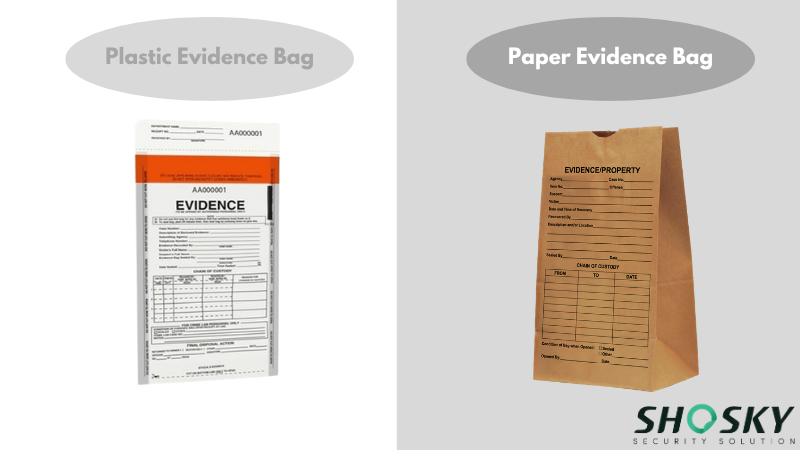
Choosing between paper and plastic evidence bags is never a matter of personal preference; it is dictated by strict forensic science rules. Placing wet evidence in plastic or lethal powders in paper can physically ruin an entire investigation.
To help procurement officers and law enforcement teams standardize their inventory, the table below highlights the critical use cases for each material:
| Critical Features | Heavy-Duty Paper Evidence Bags | Plastic (PE/PP) Evidence Bags |
|---|---|---|
| Primary Forensic Use Cases | Wet biological samples, blood-stained items, fresh DNA swabs, damp plant matter. | Toxic narcotics, fine powders, digital devices, dry weapons, hazardous chemicals. |
| Moisture Control | Highly Breathable: Allows moisture to escape, preventing mold and DNA putrefaction. | Airtight and Waterproof: Traps internal moisture but completely blocks external liquids. |
| Containment of Powders | Not Recommended: Fine powders (like fentanyl) can sift through the porous paper fibers. | Mandatory: Completely seals lethal narcotics and fine powders, preventing accidental exposure. |
| Tear and Puncture Resistance | Moderate: Can tear if handled extremely roughly or if overloaded with heavy items. | Superior: High-micron plastic resists severe punctures, stretching, and rough transit handling. |
| Tamper-Evident Mechanism | Secured externally using applied tamper-evident security tape across the folded top. | Features built-in Level 4 VOID adhesive closures that trigger immediately upon tampering. |
| Evidence Visibility | Opaque: Requires comprehensive external labeling; contents cannot be seen. | Transparent: Allows juries and lab techs to safely inspect the item without breaking the seal. |
By strictly adhering to these material guidelines, investigators can make informed decisions that prevent cross-contamination and ensure every piece of evidence remains legally admissible in court.
Secure Your Chain of Custody with Court-Ready Forensic Bags
Start With A Low Minimum Order Quantity
How to Procure the Right Forensic Evidence Bag (3-Step Protocol)
Different types of evidence carry different risks, such as contamination or loss. Improper handling can lead to:
- Contamination: Moisture trapped in plastic bags can degrade biological samples, leading to false negatives or unreliable DNA analysis. Cross-contamination risks increase if powders or drugs spill due to inadequate sealing.
- Loss of Evidence Integrity: Broken seals or damaged bags undermine the chain of custody and can result in evidence being dismissed in court.
- Legal Challenges: Inaccurate documentation, unclear labeling, or compromised packaging open doors for defense attorneys to challenge the validity of the evidence.
Understanding the risk means matching the packaging to the potential consequences of failure. For high-risk evidence, such as blood samples or trace evidence, paper bags with proper air circulation and tamper-evident seals may be the safest choice. The 3-step protocol below breaks down exactly how to make that match in the field.
Step 1: Classify Moisture Levels to Prevent DNA Degradation
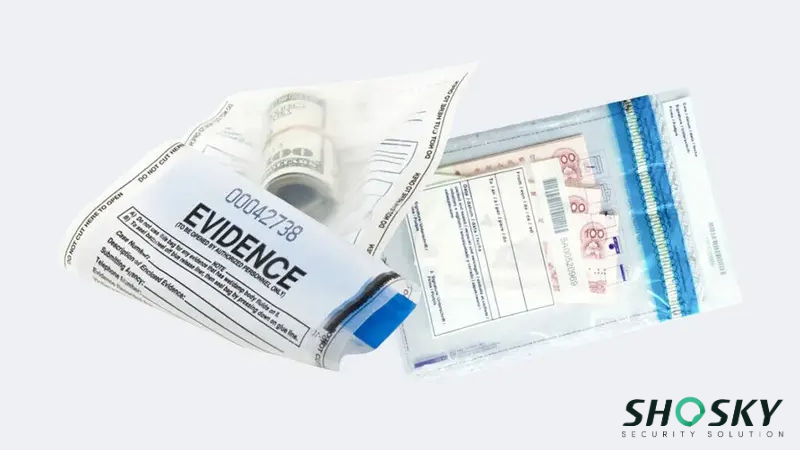
The primary evaluation step focuses exclusively on the item’s organic state. Placing undried organic evidence in a non-porous environment leads to anaerobic bacterial proliferation within hours.
Logistics managers must train field officers to deploy packaging based on specific biological boundaries. For organic fluid samples, specify heavy-duty breathable paper bags for any bloodstains, saliva swabs, or damp physiological garments. For dry trace biologicals, use paper for bone fragments or hair samples to prevent the static-electricity attraction commonly caused by standard plastic films.
Under forced air drying protocols, ensure all organic materials sealed in paper are routed directly to forensic drying lockers to complete moisture evaporation safely. Prioritizing breathability of biological material prevents defense attorneys from arguing that your department allowed evidence to rot before laboratory analysis.
Step 2: Assess Chemical Hazards and ASTM Puncture Requirements
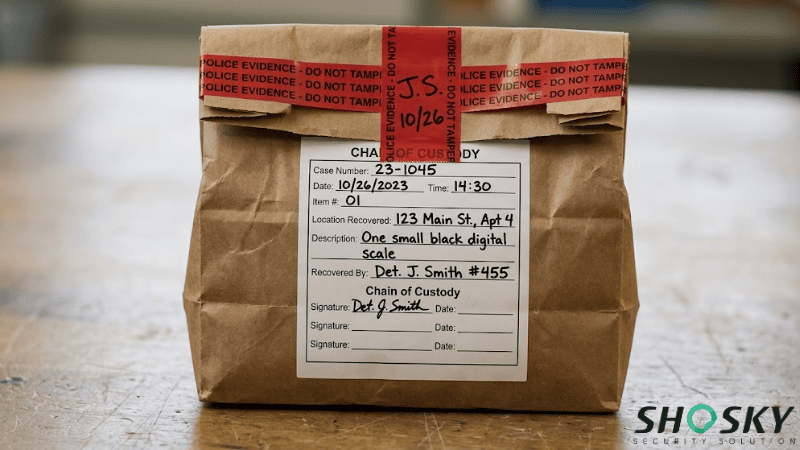
The secondary selection phase must analyze the significant safety risks associated with handling synthetic chemicals and heavy physical weapon edges. High-toxicity narcotics require absolute physical isolation to protect laboratory and warehouse personnel.
Procurement teams must enforce strict polymer criteria for high-hazard situations. For zero-sifting containment, mandate multilayer co-extruded plastic bags for all hazardous illicit powders. For ASTM strength verification, ensure all plastic packaging passes the ASTM D1709 dart impact evaluation to prevent sharp knife hilts or shards from puncturing the film.
To prevent aerosol exposure, use airtight plastic closures to protect handling staff from accidental aerosolized contact with synthetic opioids. Enforcing rugged structural benchmarks throughout your plastic inventory ensures that hazardous substances remain entirely contained during transport and long-term storage.
Step 3: Evaluate Long-Term Archival Storage and Geographic Transit Routes
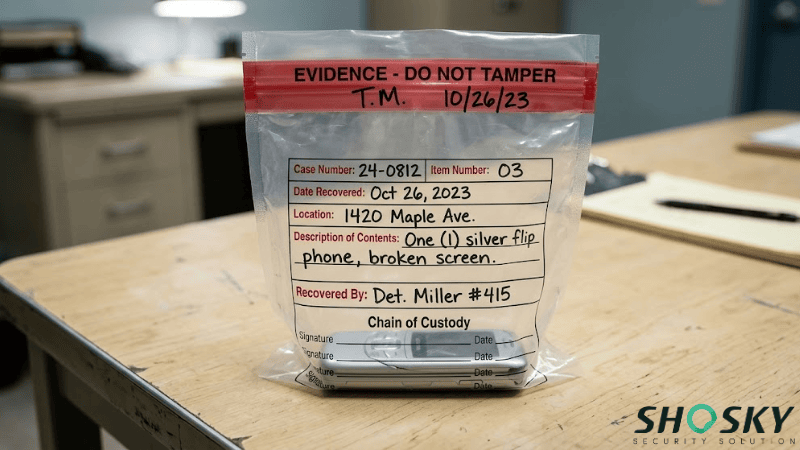
The final step requires mapping the packaging substrate to the total duration of the legal custody cycle. Evidence stored for multiple decades under court-appeal conditions demands superior barrier protection against environmental degradation.
Logistics directors should balance long-term storage and rapid transport pipelines using clear material rules. For extended archive operations, specify heavy plastic evidence bags for dry goods slated for long-term storage to block ambient moisture and insect infiltration. For climate-controlled cross-transit, utilize UV-blocking plastic overwrap for long-distance transport routes where evidence is exposed to uncontrolled transit hubs.
For short-haul laboratory runs, rely on paper packaging for rapid local precinct-to-lab deliveries of standard non-toxic dry items. Matching the physical bag material to your department’s specific warehousing climate and transit loops permanently prevents accidental asset degradation before final trial verdicts.
Operational Protocols for Defending Chain of Custody Integrity
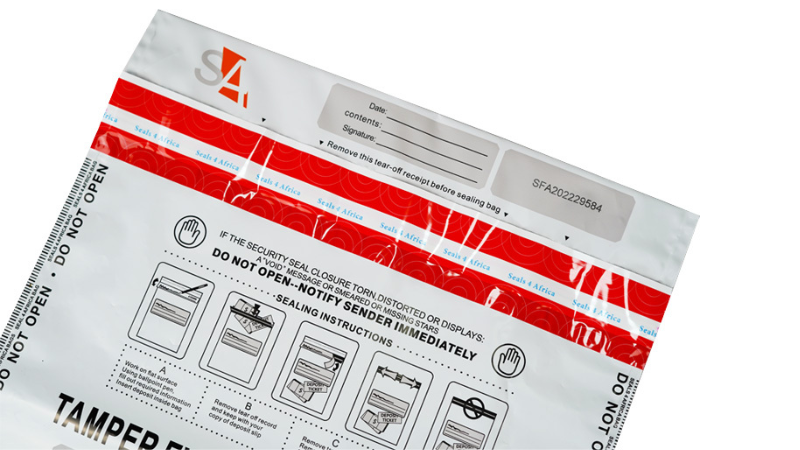
Maintaining a bulletproof chain of custody is an operational requirement that depends directly on the unalterable integration of physical seals and digital systems. If a defense attorney exposes a single undocumented gap or structural failure in the packaging seal, the court will immediately suppress the item.
To prevent chain of custody failures during multi-department transfers, evidence should move through four checkpoints, in order, from the moment it’s seized to the moment it’s presented in court:
- Seal and sign at the scene: Officers write their badge number, date, and signature directly across the tamper-evident seal boundary, so that any physical peeling permanently fractures the text.
- Log the barcode immediately: Field units scan the bag’s factory-printed sequential barcode at the point of collection, establishing an immutable digital timestamp in the Laboratory Information Management System (LIMS) before the bag ever leaves the scene.
- Store under controlled conditions: The bag is placed in a secure, climate-controlled property room locker until it’s transferred for lab processing.
- Verify on intake: Receiving technicians scan the barcode again at the state forensic laboratory terminal and physically inspect the seal. If the Level 4 adhesive displays a “VOID” message or the Kraft paper shows fiber tearing, the system immediately triggers a compliance audit.
Enforcing this multi-layer verification protocol ensures that your physical evidence survives rigorous judicial scrutiny and remains fully admissible in court.
The Mandatory Regulatory Standards for Forensic Bags
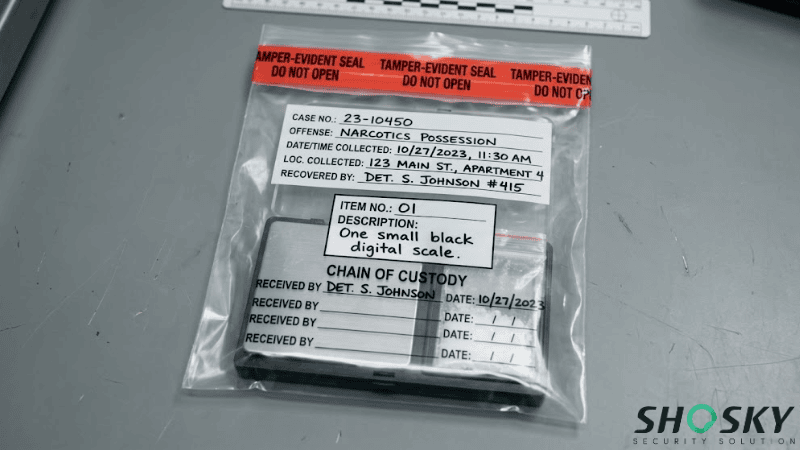
B2B procurement teams and police department logistics officers must anchor their forensic inventories around established national and international regulatory frameworks. Utilizing uncertified, non-compliant bags introduces systemic legal liabilities that can compromise federal prosecution standards.
Every professional evidence bag utilized in modern policing must maintain verified compliance across the following three regulatory benchmarks:
- NIJ and NIST Biological Evidence Guidance: The NIST-published Biological Evidence Preservation Handbook (NISTIR 7928) specifies that breathable, porous containers are preferred for biological evidence, since breathable storage prevents the condensation that encourages bacterial growth and DNA degradation.
- ISO/IEC 17025 Laboratory Accreditation Standards: Under Clause 7.4, accredited labs must maintain an unambiguous system for identifying and tracking every test item through handling and storage. Serialized barcodes are the most common way departments satisfy this requirement in practice, though the standard itself doesn’t mandate one specific technology.
- NIOSH Occupational Safety Guidance: The CDC’s National Institute for Occupational Safety and Health publishes specific handling recommendations for law enforcement personnel who collect and process drug evidence, given the documented risk of aerosolized powder exposure during field collection. High-security 4-mil plastic bags with airtight closures are a direct response to this guidance.
By standardizing procurement around these verified legal and industrial frameworks, your agency ensures absolute regulatory compliance, optimizes operational officer safety, and strengthens the integrity of case presentation.
FAQs
When must I strictly use a paper evidence bag instead of a plastic one?
You must strictly use Kraft paper bags for any wet biological evidence, such as blood-stained clothing or fresh DNA swabs. The porous paper allows trapped moisture to escape, preventing bacterial putrefaction that would permanently destroy the DNA profile.
Should narcotics and toxic powders be placed in paper or plastic?
Toxic powders like fentanyl must always be placed in heavy-duty polyethylene plastic bags. The impermeable barrier prevents dangerous chemicals from sifting, protecting the evidence locker from cross-contamination and shielding officers from fatal accidental exposure.
Are plastic evidence bags completely tamper-proof?
While no bag is 100% tamper-proof, forensic plastic bags are highly tamper-evident. They utilize Level 4 VOID adhesive closures. Any physical attempt to peel, heat, or freeze the seal with Freon irreversibly triggers a hidden “VOID” message.
How do barcodes on evidence bags secure the chain of custody?
Serialized barcodes link the physical evidence directly to a department’s Laboratory Information Management System (LIMS). Scanning the bag during handoffs creates a permanent, digital timestamp that eliminates human error and proves the chronological chain of custody in court.
Customize Your Evidence Bags for Your Chain of Custody with Shosky
Both paper and plastic evidence bags play essential roles in maintaining evidence security. Choosing the right material depends on the type of evidence, the demands of the chain of custody, and environmental factors. It is important to balance legal compliance, preserve evidence integrity, and consider sustainability when selecting packaging materials.
At Shosky Security, we specialize in manufacturing high-quality, tamper-evident paper and plastic evidence bags that satisfy strict law enforcement and chain of custody requirements. We offer custom printing, serialized barcodes, and Level 4 security closures. Contact our forensic packaging team today to secure your department’s evidence tracking system.