
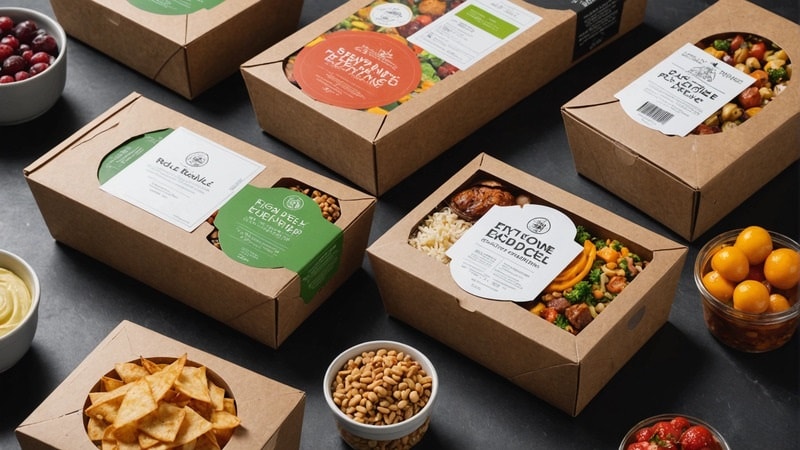
According to data from the World Health Organization’s Fact Sheets on Food Safety, unsafe food containing harmful bacteria, viruses, or chemical substances causes more than 200 diseases globally. Ensuring that food remains safe, unaltered, and accessible is essential for public health and economic stability. Without proper safeguards, food products are vulnerable to tampering, counterfeiting, and contamination, putting consumers at risk.
Tamper-evident solutions offer a practical way to enhance food safety by preventing unauthorized access and providing visible signs of interference. In this article, we will discuss the role of tamper-evident solutions for food security, such as specialized seals, labels, and packaging innovations, to ensure that food remains safe from production to consumption.
Why Tamper Evidence is Crucial for Food & Beverage Safety?

Tamper-evident packaging is a key safeguard in the food and beverage industry. It provides clear visual proof if a product has been opened or altered, helping prevent contamination, substitution, and theft. This visible protection strengthens consumer confidence and preserves product authenticity.
The importance of tamper evidence became widely recognized after the Tylenol crisis of 1982, when several tampered medicine bottles led to public panic and nationwide recalls. That incident reshaped packaging standards across many industries. It showed how a single breach could destroy consumer trust and lead to serious reputational and financial losses.
Since then, tamper-evident seals, labels, and closures have become standard practice. They are now a vital part of safe packaging in both pharmaceuticals and food production. In the food and beverage sector, tamper-evident packaging protects products through every stage of storage and transport.
It helps consumers spot compromised items before purchase and shields brands from the risks of contamination or food fraud. Beyond safety, these secure closures also help reduce waste by keeping food sealed, fresh, and protected for longer periods. The use of such packaging demonstrates a commitment to food safety and enhances brand credibility, fostering stronger consumer relationships.
Want to Get Professional Security Solutions?
Start With A Low Minimum Order Quantity
5 Key Types of Tamper-Evident Solutions for Food Packaging
Food packaging security comes in many forms, each designed to block tampering at a different stage of storage or transit. Here are a few of the most effective tamper-evident solutions that help protect food integrity and maintain consumer trust.
1. Tamper-Evident Labels & Stickers
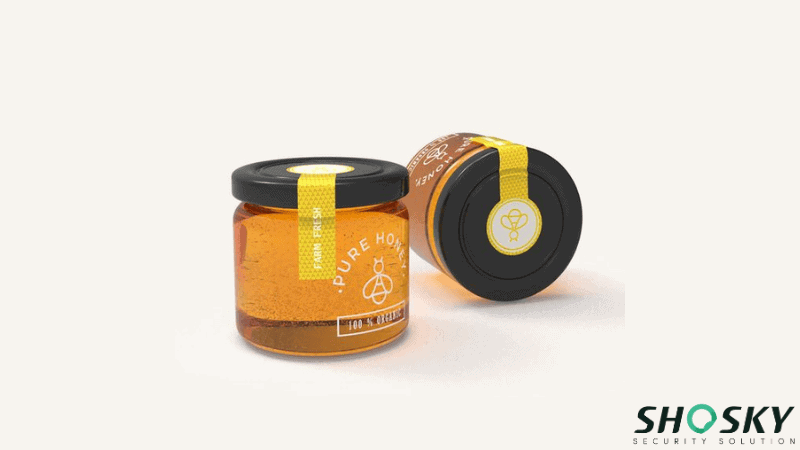
Tamper-evident labels, or security labels, are a widely used tamper-evident solution in the food systems and beverage industry. These specialized labels are designed to show clear signs of tampering through permanent discoloration, text appearance, or destruction when removal is attempted. They must be manufactured using FDA-compliant indirect food contact adhesives to ensure chemical safety.
When applied to packaging, these labels create an additional layer to secure food by making unauthorized access immediately visible to consumers and retailers. The following are the different types of tamper-evident labels:
- Void Labels: Leave a void or pattern behind when removed, indicating tampering.
- Destructible Labels: Made from materials that break or fragment when peeled, ensuring the label cannot be reused.
- Tamper-Evident Stickers: Designed with unique features like holographic effects or UV ink that distort if tampered with.
In the food and beverage sector, tamper-evident labels are commonly used on bottled beverages, such as sealing caps on water, juice, or soda bottles. They are also applied to food jars and cans, ensuring the integrity of products like jam, honey, and sauces.
One of the key benefits of tamper-evident labels is their ease of application to existing packaging lines, making them a seamless addition to food production and distribution processes. They also offer a cost-effective way to enhance product security, helping brands maintain consumer trust.
2. Tamper-Evident Seals, Caps & Closures
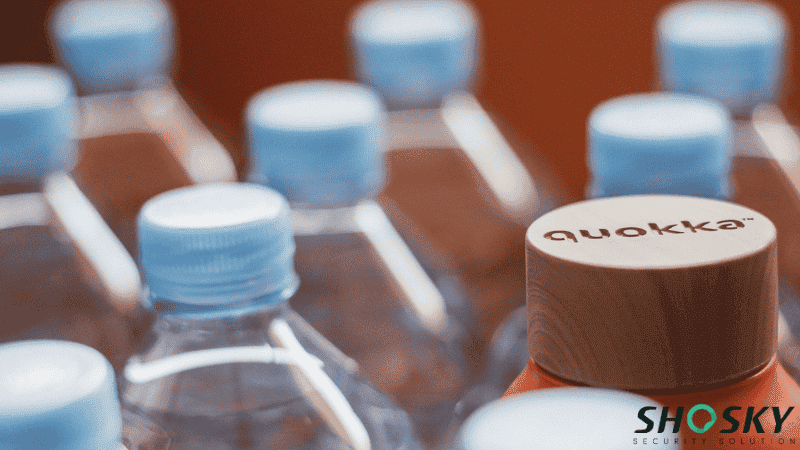
Tamper-evident seals, caps, and closures serve as critical barriers against unauthorized access in food and beverage packaging. They provide a stronger layer of protection than labels alone, helping brands maintain quality and consumer confidence from production to shelf.
These security features are typically applied to containers, bottles, jars, and boxes. Made from thin, flexible materials, they break, tear, or distort upon any attempt to open or tamper with the product, making it clear when a package has been interfered with. Once broken, these seals cannot be reattached or reused, ensuring visible proof of tampering. The most common types include:
- Plastic Seals: Used for closing bottles, drums, and rigid containers; they break or distort when removed.
- Metal Seals: Common in food manufacturing to preserve freshness and security for canned or vacuum-packed goods.
- Induction Seals: Create a vacuum-tight closure for juices, sauces, and bottled beverages, leaving visible signs of tampering once opened.
Breakaway Caps: Often used on beverage bottles; they separate or leave an imprint when disturbed. - Shrink Bands: Plastic seals that tighten around a bottle’s neck or jar lid, showing clear evidence if opened.
- Security Seals with Serial Numbers: Include barcodes or identifiers for traceability and tamper tracking.
These seals and closures are widely used across bottled drinks, sauces, jams, and processed foods. They not only prevent contamination and counterfeiting but also preserve freshness, extend shelf life, and reduce product waste. For high-value or high-risk products, they offer a reliable, tamper-proof barrier that strengthens consumer trust and brand protection.
3. Tamper-Evident Bags & Pouches

Tamper-evident bags are a packaging solution that inherently provides tamper evidence. These bags feature seals, zippers, or adhesives that are visibly altered when disturbed, making unauthorized access immediately noticeable. The following are the different types of tamper-evident bags:
- Plastic Tamper-Evident Bags: Feature secure zippers or adhesive closures, often used for retail food packaging or bulk food shipping.
- Tamper-Evident Mylar Bags: Commonly used for packaging dry foods like spices or coffee, these bags provide additional protection against moisture and air.
- Tamper-Evident Pouches: Designed for high-end or specialty products such as snack packs, single-serve beverages, or supplements.
Tamper-evident bags are widely used in the food and beverage sector for ready-to-eat meals and delivery items to ensure that food products remain fresh and untouched until they reach consumers. Additionally, bulk ingredient packaging, such as flour, sugar, or salt for restaurants and warehouses, benefits from tamper-evident designs to prevent unauthorized access.
The key benefits of tamper-evident bags include preventing unauthorized access during transit or storage, protecting product freshness, and reducing the risk of contamination. They are a cost-effective and reliable solution for businesses looking to enhance product security, particularly in single-serve food packaging and delivery services.
4. Tamper-Evident Tape
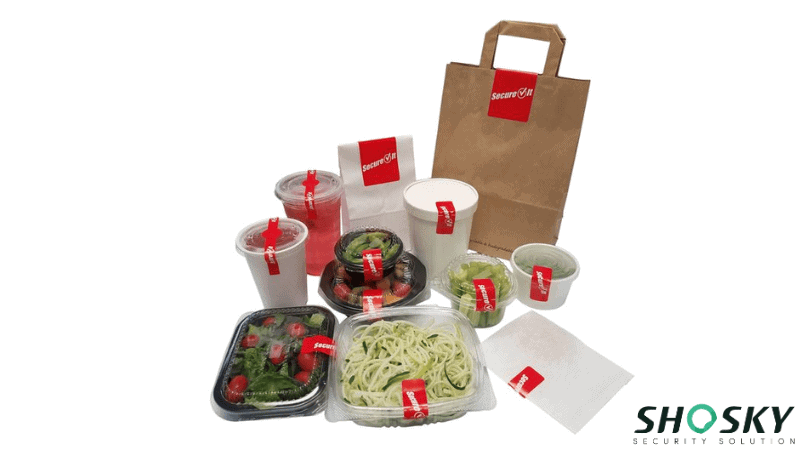
Tamper-evident tape, or security tape, offers a simple yet effective way to secure packages and indicate tampering. This tape is designed to leave a visible residue or imprint upon removal, making it clear if the package has been opened or compromised.
The tape’s adhesive properties are crucial to its effectiveness, ensuring that any attempt to remove it leaves behind clear evidence. It’s often used in conjunction with other tamper-evident solutions for added security. The following are the different types of tamper-evident tape:
- Security Tapes: Designed for sealing boxes or shipping containers, these tapes make it easy to detect unauthorized access.
- Fragile Tapes: Marked with warnings like “Fragile” or “Do Not Open,” these tapes break or distort when tampered with.
- Void Tape: Leaves a visible “void” message on the package once removed, indicating that the seal has been broken.
Tamper-evident tape is commonly applied to shipping boxes containing bottled beverages, packaged dry goods, and bulk food items, ensuring they remain intact during transit. Many food manufacturers and retailers also use it to secure external packaging in warehouses or storage facilities, reducing the risk of tampering before products reach consumers.
One of the main advantages of tamper-evident tape is its simplicity. It can be easily integrated into packaging and shipping processes without requiring additional equipment or complex modifications.
In the food delivery industry, tamper-evident tape is an essential security measure for sealing takeout containers and meal delivery kits, providing customers with visible assurance that their food has not been opened or altered.
5. Tamper-Evident Containers
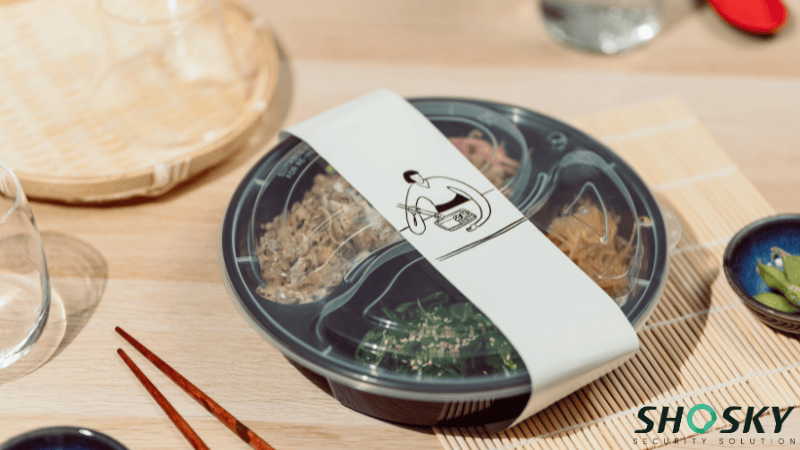
Tamper-evident containers are now a standard in food retail, especially for ready-to-eat meals, bakery items, and deli products. They combine freshness protection with visible security, giving customers confidence that their food hasn’t been handled after packaging. The following are the different types of tamper-evident caps:
- Clamshell containers: Used for salads, pastries, and fruits, featuring locking hinges or tear-away tabs.
- Deli containers with breakable tabs: Popular for sauces, dips, and cold foods, where tabs snap upon opening.
- Snap-lid containers with seals: Provide both a tight closure and a tamper-evident strip for easy detection.
Unlike additive seals like tape, the tamper-evident mechanism is integrated directly into the container’s single-piece molded design. This built-in security ensures the product is protected from the moment it’s sealed at the factory, through the entire distribution chain, all the way to the store shelf.
These containers help food businesses maintain hygiene while improving presentation on shelves. Once the seal or tab is broken, it’s instantly clear that the package was opened, preventing accidental purchases of compromised products. For consumers, this adds peace of mind, and for brands, it strengthens trust and product credibility.
How to Choose the Right Solution for Your Food Product?
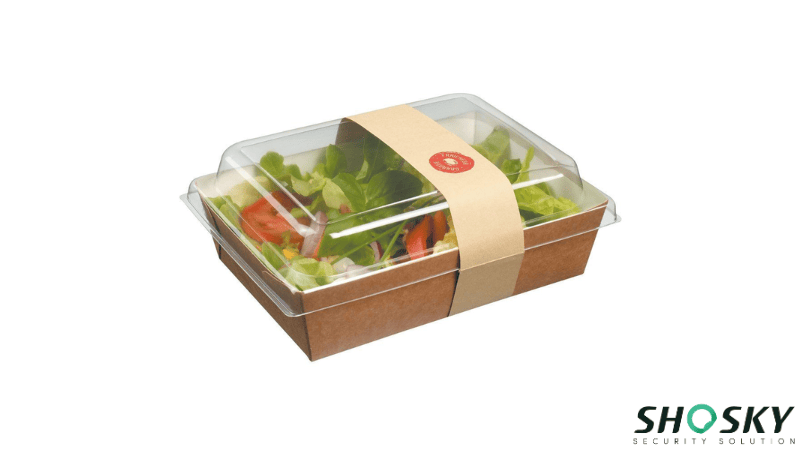
Selecting the right tamper-evident packaging depends on several factors, including the type of product, its shelf life, storage conditions, and shipping requirements. Perishable goods may require airtight seals, while high-value products benefit from security tapes or serialized labels for added traceability.
Different tamper-evident solutions offer varying levels of effectiveness depending on the product. For example, security seals are ideal for liquids to prevent leaks, while tamper-evident tape is better suited for bulk shipments. Companies must compare the options based on the risks their products face, ensuring that the chosen solution aligns with safety and regulatory standards.
Cost is another important consideration when selecting tamper-evident packaging. Businesses need to find a balance between effectiveness and budget, opting for solutions that provide strong protection without significantly increasing production costs. Bulk purchasing, supplier partnerships, and automated application methods can help manage costs while maintaining security.
Here is a comparison of various tamper-evident solutions based on product needs:
| | Induction Seals | Tamper-Evident Tape | Security Labels | Breakaway Caps | Shrink Bands |
|---|---|---|---|---|---|
| Best For | Liquids, sauces, beverages | Shipping boxes, bulk goods | High-value products, electronics | Bottled drinks, medicine | Jars, bottles, food containers |
| Tamper Evidence | Leaves a broken seal | Void message or residue | Void text or holograms | Cap breaks when opened | Seal shrinks and distorts |
| Application | Automated sealing | Manual or automated application | Manual application | Automated bottling lines | Heat shrink application |
| Cost Efficiency | Medium | Low | Medium-High | Medium | Low-Medium |
Choosing the right tamper-evident solution requires careful evaluation of product needs, cost-effectiveness, and security requirements. By understanding the strengths of different options, businesses can enhance consumer trust and ensure product integrity.
Ready to Implement Tamper-Evident Solutions for Your Business?
Start With A Low Minimum Order Quantity
Best Practices for Implementing Tamper-Evident Food Packaging
Implementing tamper-evident packaging takes more than choosing the right materials. It requires planning, testing, and integration across production lines. Here is how businesses can apply these solutions effectively.
Integrate Tamper-Evident Packaging into Existing Lines
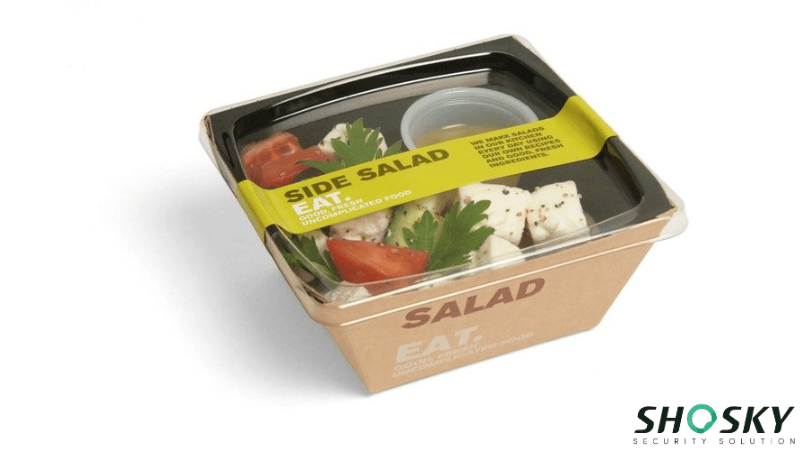
The successful implementation of tamper-evident solutions demands a strategic approach that begins with a comprehensive assessment of current production lines and workflows. This evaluation helps identify the most suitable tamper-evident solutions that can seamlessly integrate into existing operations. Once the appropriate security measures are selected, businesses should conduct small-scale trials before full implementation.
For adhesive-based solutions, test the dwell time (the time required for the adhesive to fully bond to the substrate) to ensure the security VOID feature triggers correctly. Testing ensures that the new security features do not disrupt efficiency or compromise packaging quality.
Train Staff for Effective Implementation
Companies should also develop comprehensive training programs that cover both the technical aspects of applying tamper-evident features and the importance of maintaining package integrity. Ensure all staff understand proper handling procedures and can identify signs of tampering or application issues.
To maintain effectiveness, training should be an ongoing process rather than a one-time event. Regular workshops, hands-on demonstrations, and refresher courses keep employees informed about new security technologies and industry regulations.
Monitor and Audit for Compliance

Continuous monitoring and auditing are crucial for verifying the effectiveness of tamper-evident packaging solutions. Businesses should implement routine inspections to check the integrity of security features and ensure compliance with industry standards.
These inspections should include spot-checking packaging lines, reviewing packaging materials, and assessing whether tamper-evident elements remain intact throughout distribution.
Ensure Quality Through Supplier Collaboration
Finally, partnering with reliable suppliers is key to maintaining the quality and consistency of tamper-evident packaging. Businesses should work with trusted manufacturers that provide high-quality security labels, seals, and packaging materials that meet regulatory standards.
Besides, you need to know that maintaining an open line of communication with suppliers fosters collaboration and continuous improvement. A strong supplier partnership ultimately enhances product protection and reinforces food safety measures.
Tamper Evidence & the Broader Picture of Food Security
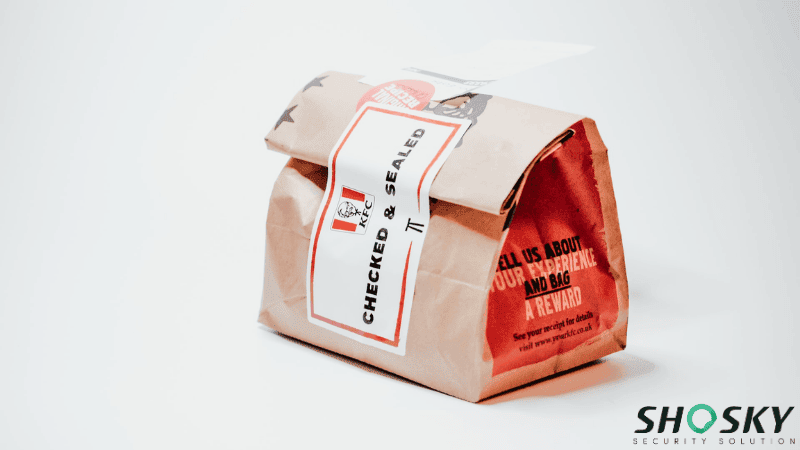
Food security means having consistent and adequate access to enough food for an active and healthy life. It relies on four key pillars: availability (sufficient food supply), access (affordability and distribution), utilization (proper nutrition and food safety), and stability (continuous access despite crises). When any of these pillars are compromised, food insecurity arises, affecting millions worldwide.
Several challenges threaten food security today, including:
- Climate Change: Rising temperatures, droughts, and extreme weather events disrupt food production.
- Supply Chain Disruptions: Trade restrictions, conflicts, and transportation delays impact food distribution.
- Food Waste & Loss: Poor storage, inefficient and complex supply chains, and overconsumption lead to significant food waste.
- Food Fraud & Safety Concerns: Contamination and counterfeit food products threaten public health.
Addressing these issues requires innovative solutions such as sustainable agricultural productivity, stronger food policies, and advanced tamper-evident packaging solutions to protect food from contamination and fraud, ensuring a safer and more secure food supply.
FAQs
Q1: Can tamper-evident packaging tape survive cold chain logistics?
Yes, provided your procurement team specifies the correct adhesive formula. Standard packing tapes crystallize and fail below zero. You must utilize premium cold chain acrylic tamper-evident tape engineered to remain aggressively tacky and show void messages in environments plunging to negative forty degrees Fahrenheit.
Q2: Does the FDA legally require tamper-evident packaging for food?
Yes. Under the Food Safety Modernization Act mitigation strategies, deploying physical tamper-evident seals and void tapes is legally recognized as a mandatory regulatory requirement for preventing intentional adulteration and contamination during commercial food processing and distribution.
Q3: What is the mechanical advantage of destructible vinyl labels?
Ultra-brittle destructible vinyl labels feature exceptionally low tensile strength combined with highly aggressive adhesives. If a criminal attempts to peel the label off a food jar, the material violently shatters into microscopic eggshell fragments, mathematically preventing the label from being transferred to a counterfeit product.
Try Shosky’s Tamper-Evident Solutions for Food Security!
Tamper-evident solutions play a vital role in ensuring food security. By adopting these advanced security measures, food manufacturers, distributors, and retailers can reinforce consumer confidence while protecting their brand reputation. Investing in high-quality, tamper-evident solutions is not just a safety measure—it’s a commitment to delivering secure, untainted products to the market.
Shosky Security offers high-quality, customizable, tamper-evident solutions to enhance food safety and product integrity. Whether you need security labels, seals, or packaging innovations, we provide tailored solutions to meet your industry’s needs. Contact us for more details.