
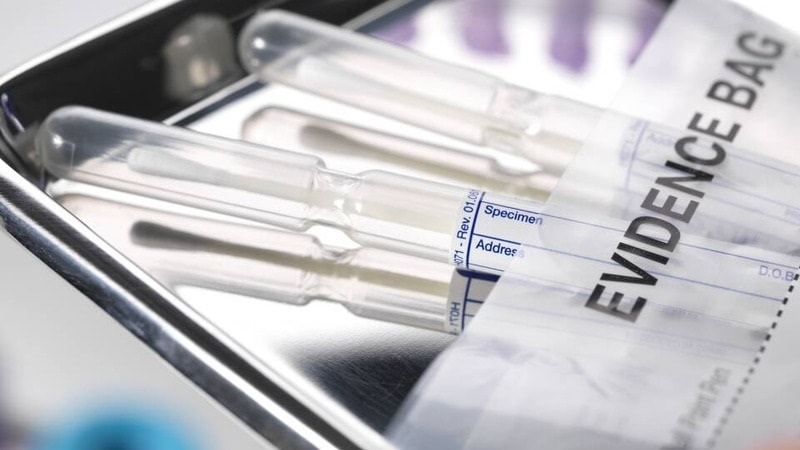
Developing a new drug takes a decade of research and massive capital funding. Yet, a single compromised package can instantly invalidate a multi-million-dollar Phase III trial. If clinical staff or transit workers accidentally unblind an investigational product, regulatory agencies will discard the affected data.
Upgrading your logistics network with highly engineered clinical trial security bags completely eliminates this risk. This 2026 guide explains how specialized pharmaceutical sample bags guarantee absolute double blind study packaging integrity from the central pharmacy directly to the patient.
3 Transit Threats to Double-Blind Studies
When investigational products leave the laboratory, physical packaging serves as the only remaining barrier protecting the blind. Procurement and clinical operations teams must evaluate their transport packaging against specific hardcore operational metrics to survive global logistics.
In many advanced tracking protocols, facilities combine these pouches with compliant FDA security tape and label solutions to hermetically seal outer temperature-controlled shipping cases.
1. Complete Opacity for Pharmaceutical Sample Bags
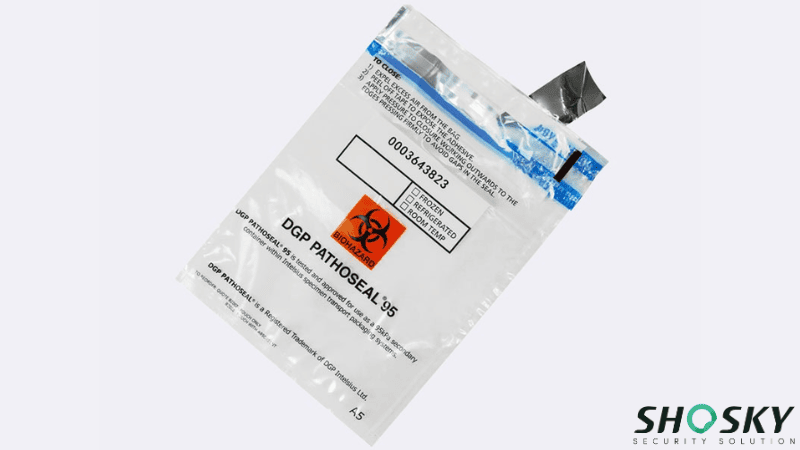
The most common unblinding threat involves candling, a technique where individuals press a high-intensity flashlight against the package to read hidden vial labels.
Procurement teams must specify packaging that neutralizes this threat using the following material properties:
-
Total Light Blockage: Specialized multi-layer dark resins completely block visible light and intense LED beams.
-
Uniform Exterior Masking: Every pouch looks completely identical, preventing site staff from distinguishing placebos based on internal shadow profiles.
-
Thermal Reflectivity: A bright white outer layer reflects ambient heat, protecting the internal black resin from absorbing dangerous temperatures.
This advanced optical engineering completely blocks high-intensity light penetration. It guarantees that clinical trial security bags maintain strict unblinding protocols, completely eliminating casual or accidental discoveries at the clinical site.
2. Chemical Defenses in Clinical Trial Security Bags
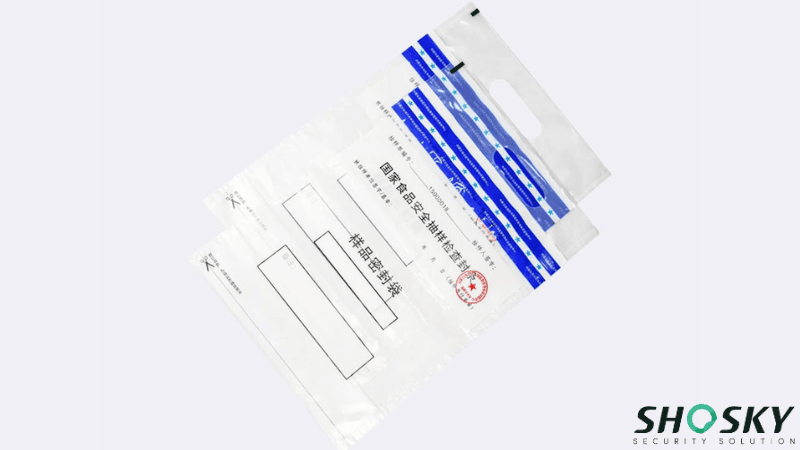
Sophisticated perpetrators may attempt to bypass primary seals using chemical solvents like acetone to dissolve the adhesive and peek inside without ripping the plastic.
Secure your chain of custody by demanding these specific chemical defense mechanisms:
-
Solvent Reactive Chemistry: Advanced adhesives instantly destroy the chemical bond in a highly visible manner when exposed to liquids.
-
Thermochromic Ink Triggers: If perpetrators apply industrial heat guns, the adhesive permanently changes color to indicate severe thermal tampering.
-
Irreversible Void Reveal: Any tampering attempt permanently triggers a hidden warning message across the entire closure seam.
These integrated chemical defenses immediately document unauthorized access. Double blind study packaging remains forensically locked, ensuring administrators flag compromised kits before dispensing them to trial participants.
3. Puncture Resistant Films for Double Blind Study Packaging
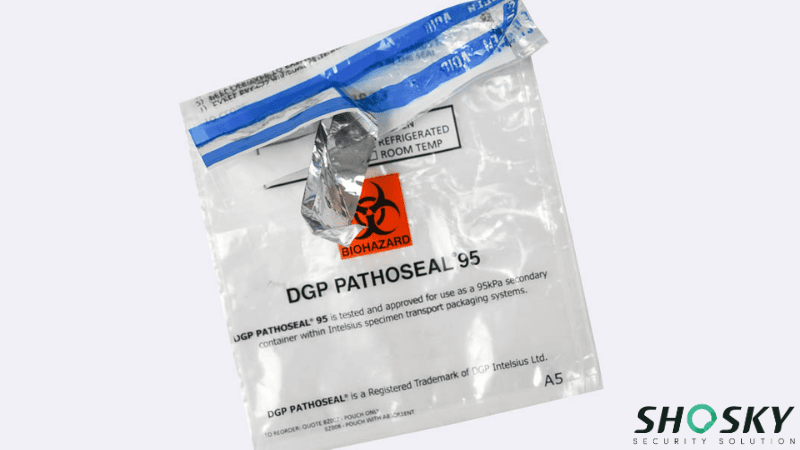
Space inside temperature-controlled cold chain shippers is highly limited. Bulky security packaging wastes expensive freight budgets and limits patient kit distribution.
Clinical packaging must balance slim profiles with extreme durability utilizing the following features:
-
Ultra Thin Profile: Slim pharmaceutical sample bags allow logistics teams to pack more patient kits into a single refrigerated container.
-
Co-Extruded Tear Resistance: The polymer matrix possesses massive tensile strength to resist tearing from sharp glass vial caps or cardboard box friction.
-
Freezing Temperature Flexibility: Modified plastics remain entirely flexible during deep freeze logistics, preventing the material from shattering.
By perfectly balancing a slim physical profile with industrial durability, these bags protect your delicate pharmaceutical samples. They provide the exact same zero tolerance defense as a specialized specimen security seal used in critical laboratory diagnostics, surviving turbulent transit networks without artificially inflating cold chain freight budgets.
Standard vs. Medical Grade Security Bags
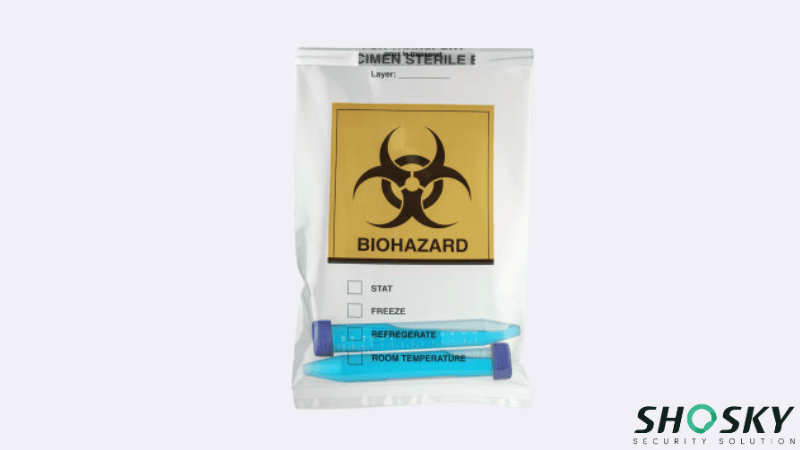
Procurement directors cannot simply utilize standard retail cash pouches for medical research. Commercial packaging lacks the specific opacity and digital integration required for rigorous clinical environments.
The following comparison matrix highlights the exact engineering differences between standard retail packaging and purpose built double blind study packaging:
| Performance Metric | Standard Security Pouches | Clinical Trial Security Bags |
|---|---|---|
| Material Opacity | Semi translucent (vulnerable to flashlights) | 100 percent opaque multi layer resin |
| Digital Integration | Basic sequential numbers | Randomized variable barcodes and QR codes |
| Adhesive Defense | Basic heat manipulation triggers | Solvent resistant and thermochromic VOID seals |
| Chemical Safety | Standard commercial plastics | Non toxic inert polyethylene |
| Cold Chain Performance | Glues crystallize and fail in freezing temps | Modified acrylics engineered for cold storage |
Standardizing your clinical procurement around this highly specialized matrix completely eliminates application failures. While clinical trial security bags focus on absolute light blockage, teams can deploy alternative ultra-destructible labels for medicine safety to lock down secondary pharmaceutical boxes and prevent component switching on the unboxing line.
Ready to Get Pharmaceutical Bags for Your Clinical Trials?
Start With A Low Minimum Order Quantity
Automating FDA& GCP Compliance With Pharmaceutical Sample Bags
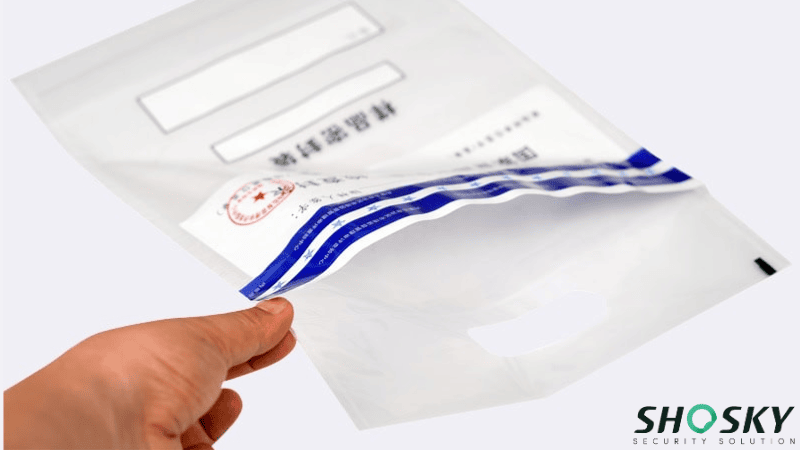
Modern Phase III trials require perfect documentation and strict digital tracking. Manual paper logs fail modern regulatory audits and introduce severe human error into the supply chain. Professional clinical trial security bags secure your global compliance by aligning directly with critical federal mandates.
Integrate these automated security protocols to guarantee global regulatory compliance:
-
Electronic Record Synchronization: Integrating randomized sequential barcodes allows sponsors to satisfy FDA 21 CFR Part 11 regulations regarding strict electronic tracking and digital signature validation.
-
Blind Protection Protocols: Absolute opacity and tamper-evident seals ensure the study maintains compliance with federal Good Clinical Practice guidelines by physically preventing intentional and accidental unblinding.
-
Material Safety Standards: Utilizing chemically inert polyethylene films aligns strictly with World Health Organization directives regarding safe packaging for pharmaceutical products, ensuring the plastic never interacts with the drug compounds.
Integrating variable barcodes on pharmaceutical sample bags automates the digital tracking process. Clinical management software can instantly track specific patient kits without ever requiring nurses to open the bag, perfectly bridging the gap between physical security and digital trial management.
FAQs
Will these completely opaque bags interfere with our cold chain temperature loggers?
Not at all. While the engineered material is 100 percent visually opaque to block light, it does not block the digital radio frequency signals from standard temperature and humidity data loggers. Your Bluetooth or RFID loggers placed inside the shipment alongside the vials will continue to transmit data perfectly through the plastic.
How do we track individual patient kits if the bags all look exactly identical?
We print unique, randomized sequential numbers and scannable high-definition barcodes on the exterior of every single bag. This allows your clinical management software to track exactly which specific patient kit is inside without ever needing to open the bag or reveal the contents to the clinical site staff.
Can someone use an industrial heat gun to melt the glue and reseal the bag?
No. Professional clinical trial security bags utilize specialized thermochromic indicators within the Level 4 VOID adhesive. If a heat gun is applied to the seam, the adhesive permanently changes color and triggers the hidden warning message, making intact removal and resealing mathematically impossible.
Are these plastic materials safe for storing sensitive medical vials?
Yes. The co-extruded polyethylene materials used in our bags are highly stable, non-toxic, and chemically inert. This means the packaging will not off-gas harmful volatile organic compounds or interact chemically with the glass vials, syringes, or secondary blister packs stored securely inside the bag.
Do these bags meet FDA requirements for tamper-evident packaging in clinical trials?
Yes. Our clinical trial security bags are engineered to exceed FDA 21 CFR Part 11 requirements for electronic traceability and satisfy Good Clinical Practice (GCP) guidelines for strict physical blinding and tamper evidence.
Secure Your Clinical Trial Data with Shosky Security
When you are running a clinical trial, your pristine data is your most valuable asset. A single compromised package can derail years of extensive research, waste millions of dollars, and delay life-saving treatments from reaching the open market. You simply cannot afford to cut corners on double blind study packaging.
Shosky Security engineers premium clinical trial security bags designed specifically for the rigorous demands of pharmaceutical research. We provide 100 percent opaque films, solvent-resistant closures, and custom barcode serialization to keep your trials perfectly compliant. Contact our engineering team today to request free test samples for your next global study, and let us help you protect your research with absolute certainty.