
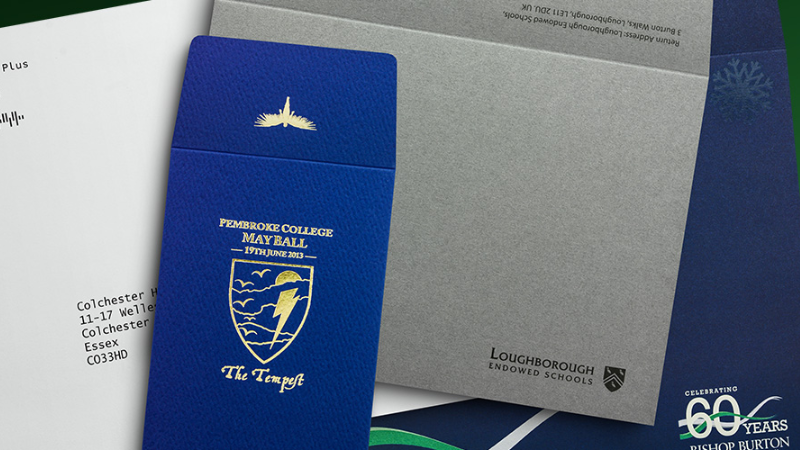
A typical school uses an average of 2,000 sheets per day, consuming over 320,000 sheets (including exam envelopes) per year. This generates significant paper waste. However, opting for eco-friendly options can contribute to reducing the overall environmental footprint of educational institutions.
Durable, tamper-proof envelopes ensure the secure transport of confidential documents and help streamline handling. In this article, we will explore how schools and testing agencies can choose the right exam envelopes by considering customization, security, durability, and sustainability that align with environmental goals.
Why the Exam Security Envelope Matters for Schools and Testing Agencies
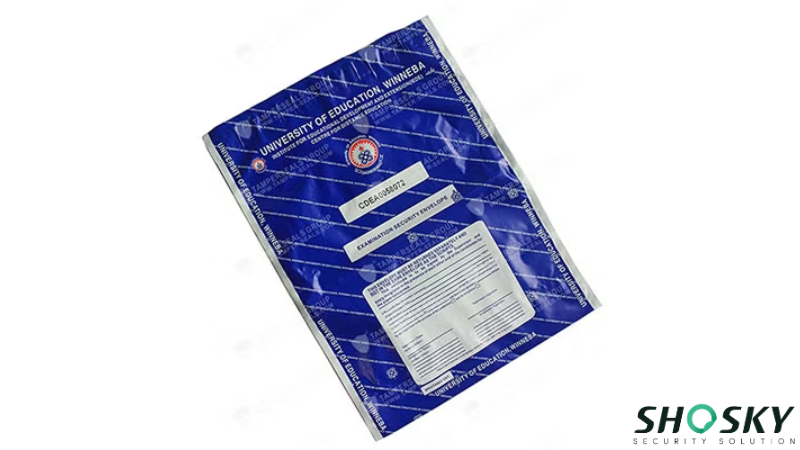
Exam envelopes are vital mechanical components that maintain absolute security throughout the examination lifecycle. Without certified packaging, high-stakes materials remain exposed to transit theft and severe humidity damage. Upgrading your envelope specifications directly protects the core validity of all academic assessments.
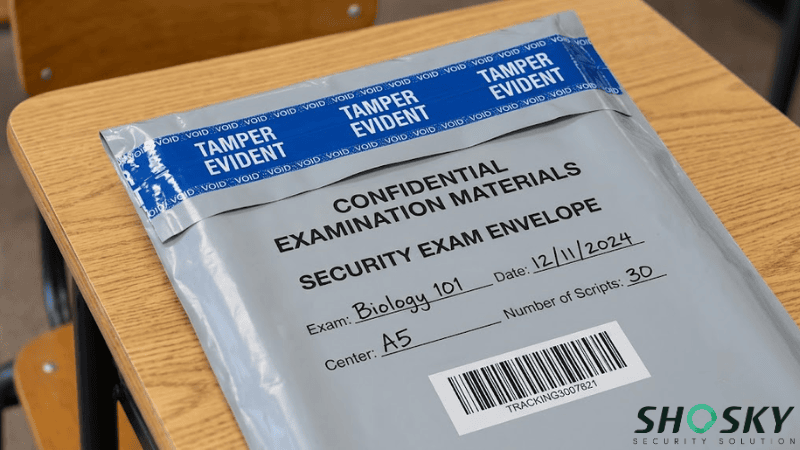
One critical advantage is establishing a strict forensic chain of custody. Every individual envelope functions as an active legal record through integrated serialized alphanumeric tracking codes. Additionally, advanced high tack closures instantly display permanent structural alerts during any unauthorized thermal or solvent intrusion, ensuring interference is visually flagged before grading begins.
Operational efficiency also heavily benefits from thoughtful packaging selection. Custom color-coded visual markings allow sorting facilities to process bulk shipments quickly without misrouting critical files. Standardized sizes make it remarkably easy for invigilators to sort and audit student scripts, systematically eliminating human error during high-volume assessments.
Types of Exam Envelopes and Their Applications
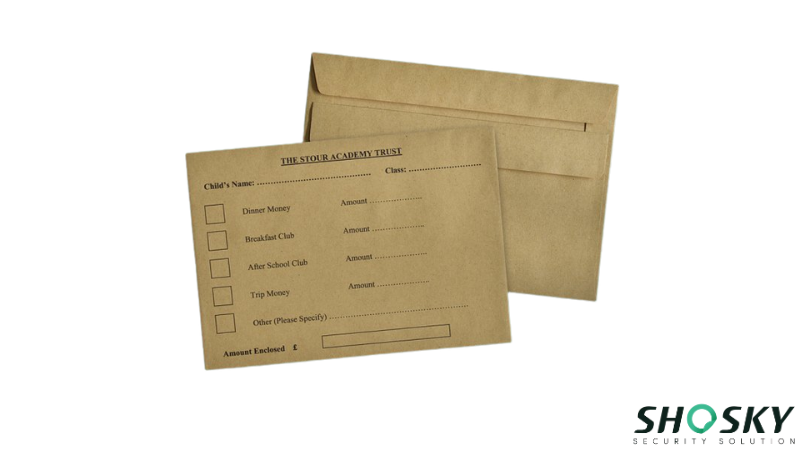
Choosing the right exam envelope requires a rigorous comparative analysis of physical material properties, security features, and target transportation risks. Sourcing the wrong container material can lead to compromised exam integrity or premature tearing under typical courier stress.
To ensure optimal material selection, procurement teams should evaluate the following structural performance matrix:
| Envelope Category | Primary Material Specification | Water Resistance Level | Ideal Security Application | |
|---|---|---|---|---|
| Standard Paper | Heavyweight wood pulp paper with internal opaque security tint | None (Highly vulnerable to moisture) | Everyday localized internal classroom distribution | |
| Tamper Evident Polymer | Three mil coextruded polyethylene with high contrast VOID adhesives | Absolute waterproof seal | High stakes national board exams and remote certifications | |
| High Durability Tyvek | Flash spun high density polyethylene Tyvek 1056D or 1073D fibers | High moisture resistance and extreme tear strength | Rugged international transit and multi destination courier routes | |
| Polypropylene Shell | Rigid transparent protective polymer sheets with heat welded seams | Complete waterproof barrier | Specialized transport requiring constant barcode visibility | |
| Customized Brand | Tailored paper or film printed with soy based low impact security inks | Varies based on specified base substrate | Institutional branding and mandatory chain of custody tracking |
Deploying the correct material class from this matrix ensures that academic assessments survive the physical stress of manual loading and high-speed postal sorters. Ultimately, matching your transport conditions with these structural parameters delivers reliable security and long-term cost savings across your global distribution network.
Ready to Implement Security Exam Envelopes?
Start With A Low Minimum Order Quantity
6 Key Factors to Consider When Choosing an Exam Envelope
When executing your next administrative packaging tender, several critical material factors dictate both logistical security and processing speed. The following technical sections break down these selection factors in detail to guide educational procurement officers toward optimal choices.
Factor 1: Size and Physical Volumetric Capacity
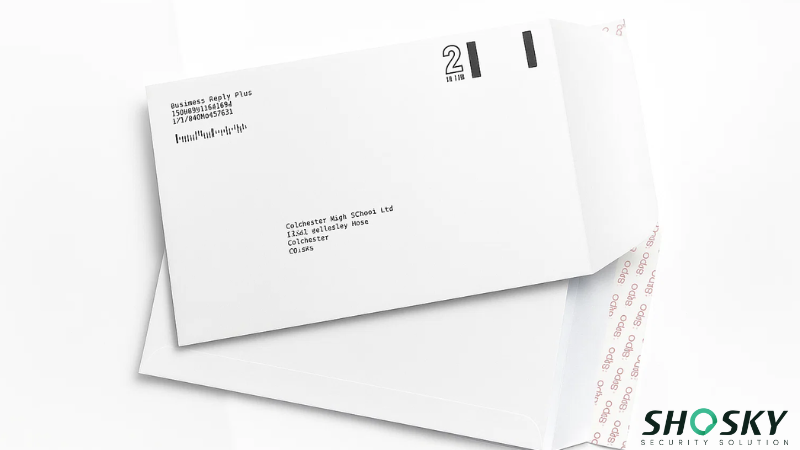
The physical dimensions and volumetric capacity of an exam envelope directly dictate how securely the internal test papers are transported. Standard formats, including common dimensions like number ten envelopes or nine by twelve inches flats, allow for smooth integration into pre-existing university filing cabinets and standard corrugated archiving boxes.
Selecting incorrect packaging sizes creates immediate operational risks for your fulfillment center:
-
Oversized Mailer Pitfalls: Envelopes that are too large allow internal paper documents to shift aggressively during truck transit, leading to bent corners and scanned barcode errors.
-
Undersized Mailer Pitfalls: Overcrowding an undersized envelope risks bursting the perimeter side seals, preventing proper closure and leaving internal items exposed to cargo dust.
For bulk testing formats requiring multiple booklet distributions, procurement teams must select gusseted envelopes featuring reinforced expandable seams. Choosing the correct physical size ensures that envelopes hold all confidential pages naturally without requiring excessive manual folding or inducing unnatural weight stress on the structural boundaries.
Factor 2: Material Durability and Tensile Strength
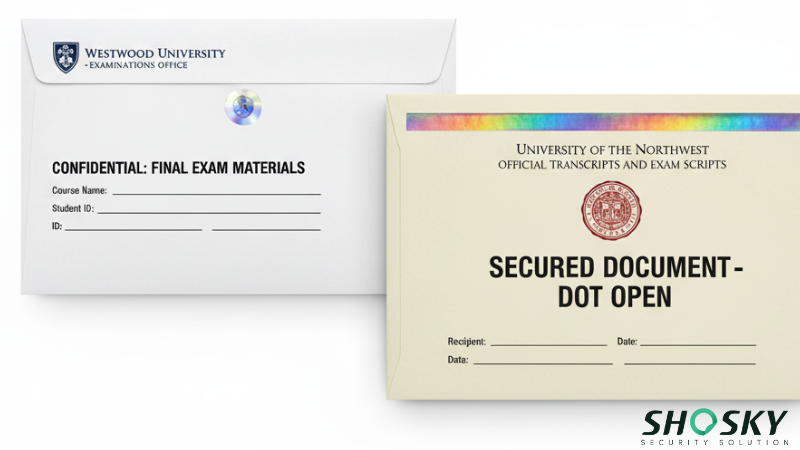
Material durability is a paramount priority for long-distance exam logistics. Packaging engineers must evaluate the precise physical differences between standard cellulose paper, high-density Tyvek fibers, and flexible coextruded polypropylene sheets before committing capital.
Every single raw material delivers a distinct performance threshold during industrial handling:
-
Cellulose Paper: Highly cost-effective for localized storage but possesses zero moisture protection against wet weather distribution.
-
Tyvek Substrates: Provides exceptional multidirectional tear resistance and absolute water protection, making it the industry standard for international air courier routes.
-
Polypropylene Films: Delivers exceptional elongation properties and puncture safety, perfectly insulating thick, heavy bundles of examination booklets.
To ensure total parcel safety, procurement officers must verify that the material specification includes heavy reinforced heat-welded seams. Matching the material burst strength with your expected shipping weight and regional environmental climate prevents catastrophic tearing during long-distance freight operations.
Factor 3: Security Features
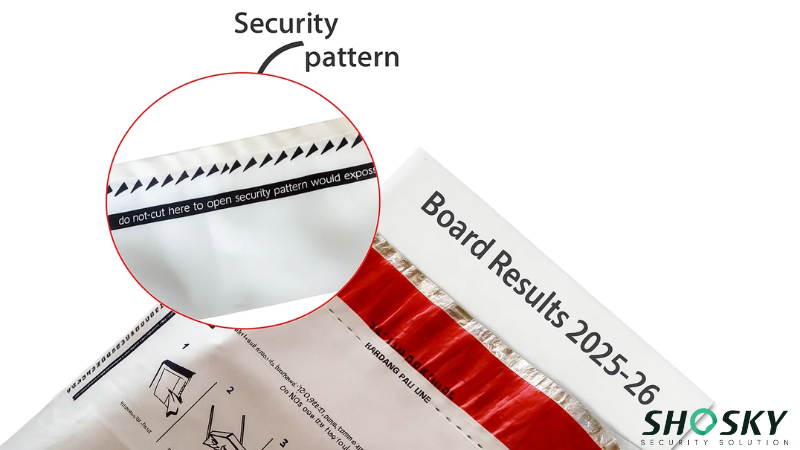
Advanced security features are an absolute necessity to insulate high-value test scripts from insider threats and sophisticated retail skimming. Standard commercial envelopes lack the necessary forensic chemistry required to establish an undeniable legal record during distribution.
To secure sensitive student data, your technical specifications must mandate these advanced security elements:
-
Serialized Alphanumeric Numbering: Allows logistics systems to track every individual unit via unique digital scans at every transit hub.
-
Waterprint Security Inks: Incorporate specialized chemical indicators that permanently dissolve or bleed if a bad actor tries to open the seal with water or liquid solvents.
-
Integrated Receipt Tabs: Feature matching perforated tear-off receipts that allow the dispatching facility to maintain an absolute paper audit trail.
By forcing the implementation of unique serialized codes and tamper-evident seals, testing boards achieve total peace of mind. These combined physical barriers successfully discourage bad actors and ensure all academic materials reach their final grading location in completely uncompromised factory condition.
Factor 4: Environmental Impact
Modern educational institutions are legally and socially mandated to reduce their carbon footprints. Procurement directors must source eco-friendly shipping consumables that actively support corporate sustainability goals without decreasing security performance.
Educational supply chains can easily source advanced green packaging alternatives:
-
Post-Consumer Recycled Films: Utilize up to eighty percent recycled plastic content to drastically lower raw material plastic consumption.
-
Water-Based Adhesives: Provide exceptional permanent fiber tear bonding while eliminating volatile organic compounds from the manufacturing plant.
-
Soy-Based Graphic Inks: Replace traditional petroleum-based inks, allowing the entire shipping mailer to remain safely compostable or fully recyclable.
Balancing ecological values with security performance is entirely achievable with modern polymer science. Specifying certified green materials allows your university or testing center to achieve official sustainability milestones while guaranteeing absolute security for confidential testing papers.
Factor 5: Customization Potential
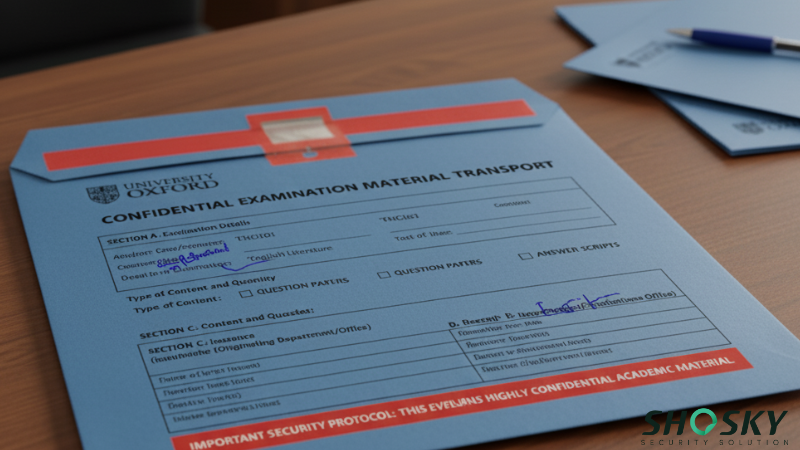
Customizing your security envelopes with precise graphic layouts heavily elevates institutional professionalism and optimizes administrative workflows. Custom printing transforms a generic shipping mailer into an active processing tool that guides staff behavior.
Procurement directors can customize several functional zones on the envelope exterior:
| Feature | Purpose | Benefits |
|---|---|---|
| Branding | Incorporate school or agency logos and institutional colors | Reinforces brand identity and ensures professional presentation |
| Color Coding | Differentiate subjects, grades, or departments | Speeds up sorting and prevents mix-ups during distribution |
| Instructional Printing | Include handling instructions, warnings, or signatures | Guides staff through proper procedures, reducing handling errors |
| Serialized Numbers | Assign unique identifiers to each envelope | Enhances tracking and accountability throughout the exam process |
| Return Address & Contact Info | Print office or department details | Facilitates secure return, reduces lost correspondence, and provides support if issues arise |
By integrating these practical instructional fields, institutions ensure that each envelope serves multiple operational purposes simultaneously. Custom layouts guide invigilators through strict collection rules while reinforcing a professional corporate identity across all testing centers.
Factor 6: Cost vs. Value
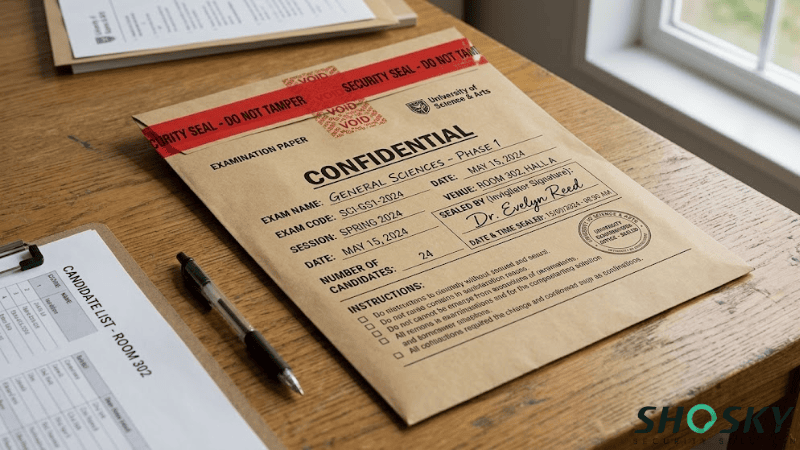
While the unit price is always a factor in high-volume institutional purchasing, evaluating the long-term total cost of ownership is vastly superior. Cheap generic mailers that experience premature structural failure during shipping transit lead to lost documents and devastating institutional liabilities.
Investing in premium pre-sealed tamper-evident envelopes provides significant hidden cost advantages:
-
Eliminates Secondary Consumables: Built-in security tape closures completely eliminate the need for warehouse staff to purchase separate labels or manual packing tape.
-
Reduces Insurance Premiums: Freight carriers and underwriters lower cargo insurance rates when high-stakes assets are secured inside certified tamper-evident polymer.
-
Minimizes Audit Costs: Integrated serial tracking numbers drastically accelerate inventory accounting times, saving hundreds of man-hours during annual audits.
Assessing the comprehensive lifecycle value ensures your packaging budget adds true protection to your operations. Investing in high-quality materials pays off through zero document losses, optimized warehouse throughput, and absolute customer satisfaction.
Best Practices for Exam Security Envelopes
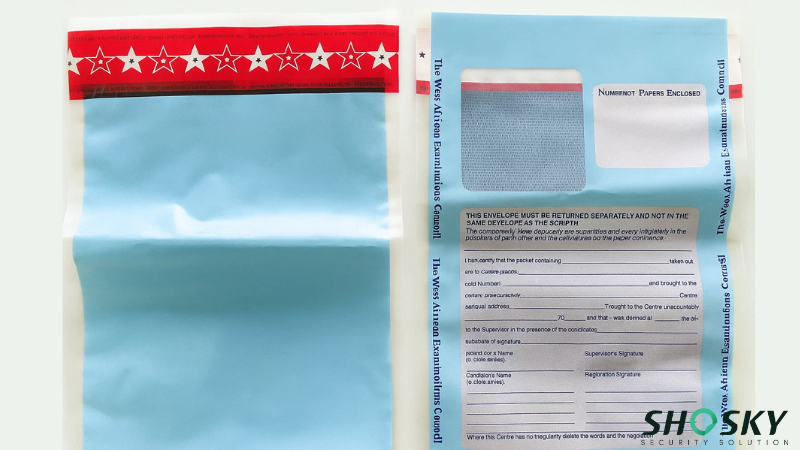
When deploying exam envelope solutions, schools must follow strict operational best practices to maintain the integrity of confidential documents. Recent data shows over 6% of proctored assessments contained confirmed breach incidents. Enforcing proper handling procedures drastically reduces administrative errors and seamlessly streamlines departmental workflows.
A foundational best practice requires implementing rigorous chain of custody procedures to guarantee personnel accountability at each transit stage. Staff must fully understand proper envelope configuration and visual verification protocols through comprehensive training. Configuring each envelope with unique sequential serial numbers allows logistics software to instantly track sensitive materials.
Modern institutions should maintain complete digital logs of all internal communications, including automated email confirmations for exam dispatch and return. Administrators can utilize digital software tools to accurately record page counts and student details. Adhering to these protocols minimizes errors and ensures every student script is handled securely and correctly.
Common Mistakes When Choosing Exam Envelopes
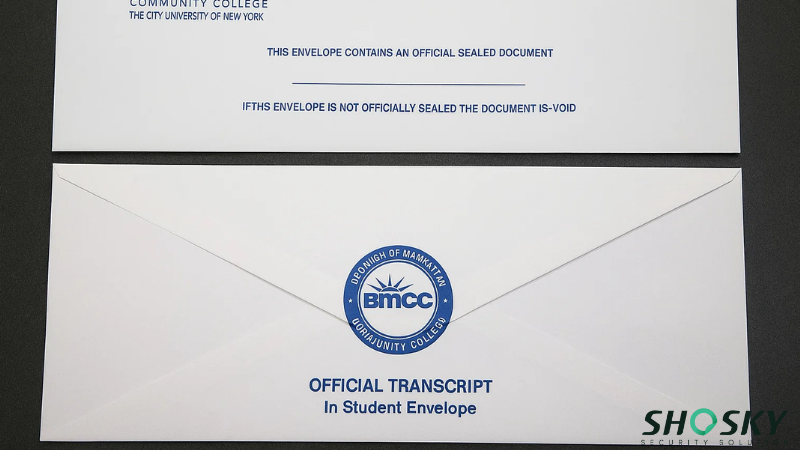
When universities and professional licensing boards execute high-volume packaging procurement, they frequently repeat several critical operational errors. Failing to understand how these custom materials behave in actual shipping environments often compromises exam security and inflates administrative overhead.
To protect your intellectual assets, procurement teams must actively prevent these three common mistakes:
-
Ignoring Durability for Harsh Transport Conditions: Using thin, fragile paper envelopes to ship multi-page testing booklets frequently leads to side seam ruptures under the weight of heavy paper stacks, leaving sensitive answers completely exposed to cargo dust.
-
Overlooking Custom Instructional Printing: Failing to print explicit signature boxes, return routing grids, and invigilator guidelines on the exterior face slows down sorting speeds and increases the risk of manual filing mistakes.
-
Sourcing Poorly Sized Packaging Consumables: Selecting envelopes that are too small causes severe document folding and prevents the permanent pressure-sensitive adhesive from achieving a complete surface bond.
By proactively addressing these common design oversights, your academic organization establishes a highly efficient and secure logistics framework. Training fulfillment personnel to avoid these material selection traps guarantees absolute chain of custody compliance from the central printing press directly to the final grading room.
FAQs
Why are tamper-evident security envelopes essential for schools and testing agencies?
Exam security envelopes serve as the first line of defense against unauthorized access and tampering. Equipped with security features like tamper-evident seals, serialized numbering, and watermarks, they ensure the strict chain-of-custody required for highly confidential exam materials and prevent costly data breaches.
What are the best materials for durable exam security envelopes?
The ideal material depends on your transport and storage conditions. Standard paper is cost-effective for everyday distribution, while Tyvek provides superior water resistance and tear strength for rigorous transport. Polypropylene offers transparent, wear-resistant protection for specialized secure handling needs.
Can educational institutions use eco-friendly exam envelopes without compromising security?
Yes. Institutions can select recyclable or compostable security envelopes made with low-impact materials, sustainable adhesives, and soy-based inks. Procurement teams must carefully weigh durability against sustainability to ensure the eco-friendly envelope still provides reliable, tamper-proof protection during transit.
How does custom printing on exam envelopes improve administrative workflow?
Customizing envelopes with branding, color-coding, return addresses, and clear handling instructions allows staff to sort and identify exam materials quickly. This significantly reduces human error during distribution, accelerates mail handling, and ensures strict compliance with institutional security protocols.
Choose Exam Envelope Solutions from Shosky Security
Secure exam envelopes help protect sensitive materials and streamline handling, and choosing eco-friendly options supports sustainability without reducing their effectiveness. Institutions that invest in tamper-evident security envelopes can reduce the risk of mishandling and ensure confidential documents remain intact from preparation to delivery.
Shosky Security provides high-quality exam envelopes designed for durability, security, and efficiency. With branding, color coding, and instructional printing, staff can manage exams with ease. Contact us today to get customized envelopes for your institution.