
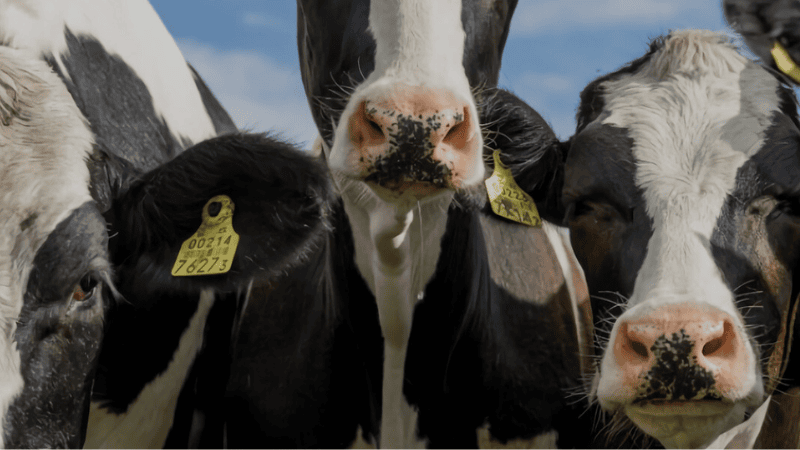
According to the final USDA APHIS Animal Disease Traceability rule enforced since November 2024, sexually intact cattle 18 months or older moving interstate must utilize officially approved 840 tags that are both visually and electronically (RFID) readable.
That’s why ranchers selecting ear tags must understand material science, customization options, and application protocols that determine whether identification systems succeed or fail. In this guide, we’ll discuss cattle ear tags in detail to help ranchers understand tag materials, placement methods, and the retention practices that support long-term livestock identification.
The Strategic Importance of Cattle Ear Tags in Livestock Identification
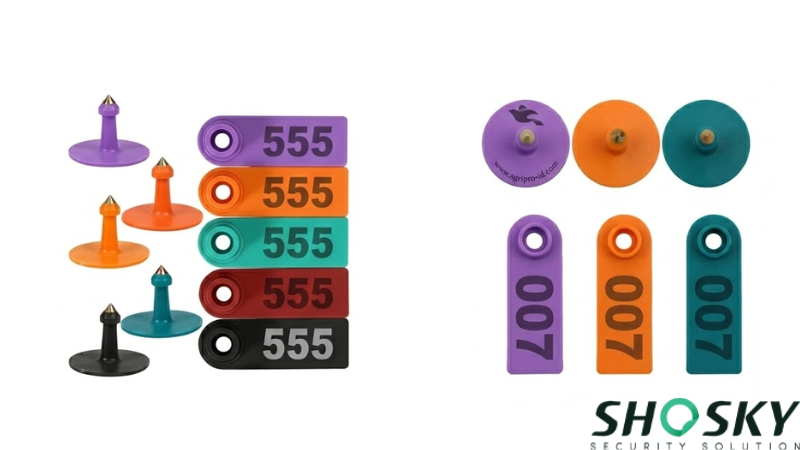
As disease traceability standards become increasingly stricter across domestic and international agricultural markets, reliable cattle identification systems have aggressively transitioned from a simple management tool to a strict legal requirement for daily ranch operations.
When implemented correctly, a precision livestock identification system directly transforms the following core aspects of daily ranch management:
- Disease Outbreak Traceability: Helps agricultural authorities isolate infected or exposed animals quickly, reducing the risk of large-scale herd culling and economic losses.
- Genetic Lineage Tracking: Allows ranch managers to monitor breeding performance, bloodlines, weight gain, milk production, and long-term herd improvement.
- Regulatory Compliance Audits: Supports export requirements and interstate transport regulations by maintaining complete lifecycle documentation for individual cattle.
Modern RFID and visual tag systems also improve record accuracy during weighing, vaccination, treatment, and transport. Many ranchers now combine electronic ID tracking with color-coded visual tags to simplify sorting and reduce management errors across large livestock operations.
Understanding Customization in Livestock Tags
Modern livestock identification systems go far beyond placing a simple number on an animal. Today, tags can be designed with color coding, sequential numbering, and farm logos that make herd management more organized and accurate.
The following section breaks down how customization through colors, numbers, and branding improves accuracy, sorting speed, and ownership identification.
1. Generational Color Coding
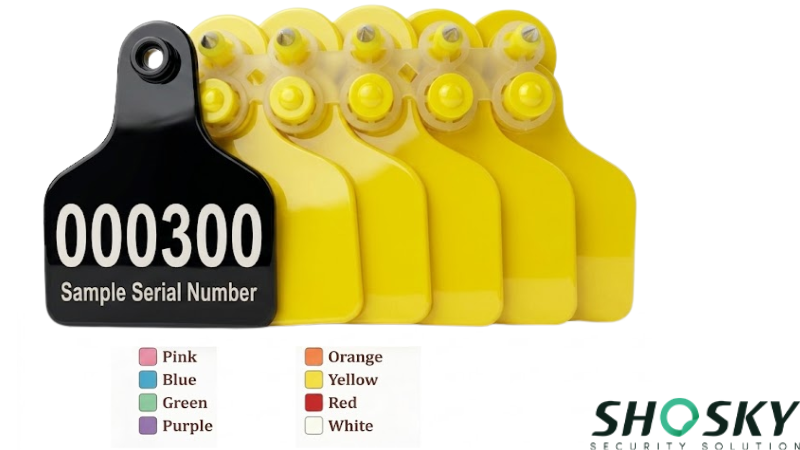
Color-coded ear tags improve herd organization across large grazing areas. Different colors allow workers to sort animals rapidly without physical contact or close inspection. Visual tags are available in multiple materials and colors, making them suitable for both small ranches and commercial livestock operations.
While exact tag meanings vary by region, farm managers typically establish a consistent six-year color rotation scheme to track generational bloodlines:
- Red tags for animals born in year one
- Blue tags for year two
- Yellow tags for year three
- Green tags for year four
- Orange tags for year five
- White tags for year six
Beyond simple age tracking, implementing strict color consistency across your herd creates instant visual recognition for other critical operational metrics:
| Tag Color Purpose | Operational Benefit |
|---|---|
| Birth year identification | Faster age recognition across pastures |
| Breeding group separation | Simplifies herd management |
| Vaccination status tracking | Reduces treatment confusion |
| Ownership identification | Helps during shared grazing operations |
| Sex classification | Improves sorting efficiency |
Visual tags remain incredibly valuable on the frontlines because they allow workers to accurately identify specific cows from long distances without needing to scan RFID readers. This dramatically reduces costly labor time during winter feeding, transport preparation, and daily health inspections.
2. Sequential Laser Numbering
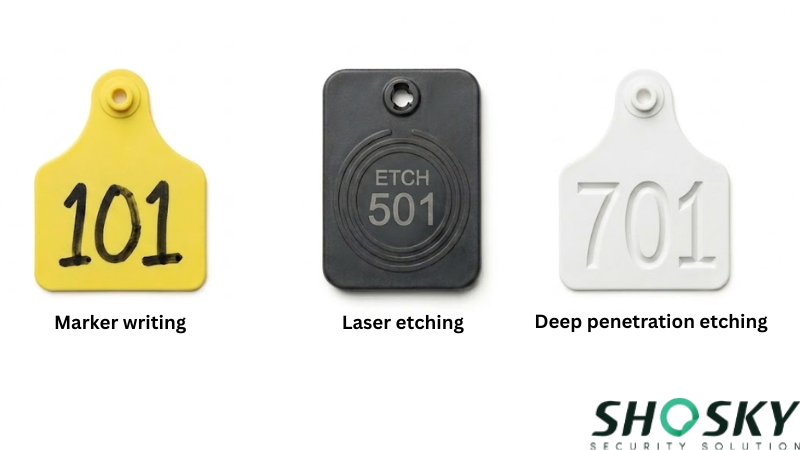
Laser-engraved number systems improve readability and long-term durability. Marker-written tags often fade after prolonged sun exposure, mud contact, or physical abrasion. Deep laser etching burns the ID number directly into the tag material. This process improves readability years after installation.
Electronic EID systems seamlessly connect these physical printed tags directly to digital ranch records, ensuring perfect accuracy for the following critical data points:
- Vaccination schedules and medical boosters
- Detailed medication history
- Weight tracking and growth metrics
- Breeding performance and calving history
- Transport and market sale records
A well-organized number system reduces confusion during audits and daily ranch work. It also makes order processing easier when customers request replacement tags or matching identification products. The following table shows different types of numbering methods:
| Numbering Method | Durability | Readability | Cost |
|---|---|---|---|
| Marker writing | 6-12 months | Fades in the sun | Low |
| Laser etching | 5+ years | Permanent | Medium |
| Deep penetration etching | 7+ years | Extremely permanent | Higher |
Many advanced RFID ear tags now intelligently combine deep laser engraving with internal electronic scanning capability, giving commercial ranchers both immediate visual identification and precise digital tracking within the exact same system. This dual-layered approach aggressively reduces manual paperwork while ensuring data accuracy.
3. Custom Farm Logos
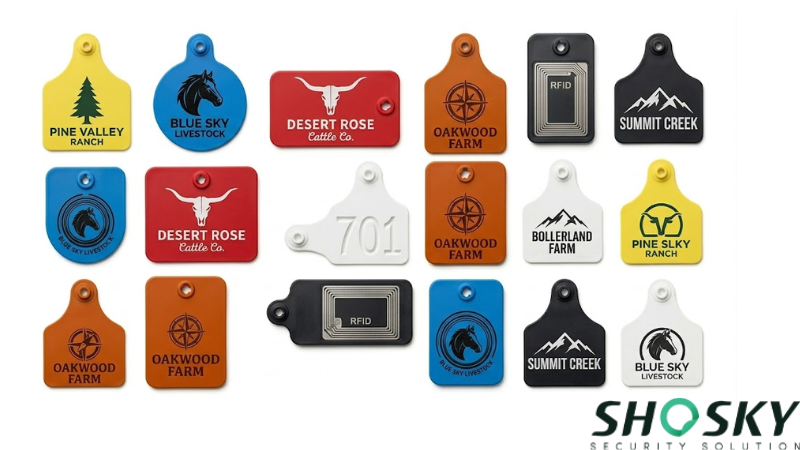
Custom brand marking adds a highly visible layer of livestock security. Many ranchers now legally place registered company logos or traditional ranch iron marks directly onto their ear tags to heavily discourage cattle theft and simplify rapid ownership verification.
Investing in custom logos goes far beyond simple aesthetics, providing serious cattle producers with the following tangible business advantages:
- Instant Visual Identification
- Severe Theft Deterrent
- Professional Corporate Appearance
- Strong Marketing Advantage
- Immediate Regulatory Recognition
To fully understand the true return on investment, purchasing managers must evaluate how different levels of tag branding directly impact overall herd security:
| Tag Branding Level | Primary Security Function | Commercial Market Value |
|---|---|---|
| Blank Generic Tags | Extremely low (easily altered or replaced) | None (completely anonymous source) |
| Standard Sequential Numbers | Basic internal data tracking only | Low (standard industry identification) |
| Custom Registered Logos | Maximum legal theft deterrence | High (builds premium buyer recognition) |
Custom logos cost more upfront than generic tags, but the investment pays dividends through reduced theft losses and enhanced buyer confidence. When a rancher purchases cattle from your operation and sees your branded tags, it becomes a permanent reminder of the source. This strengthens repeat business relationships over time.
Material Science for High-Retention Cattle Ear Tags
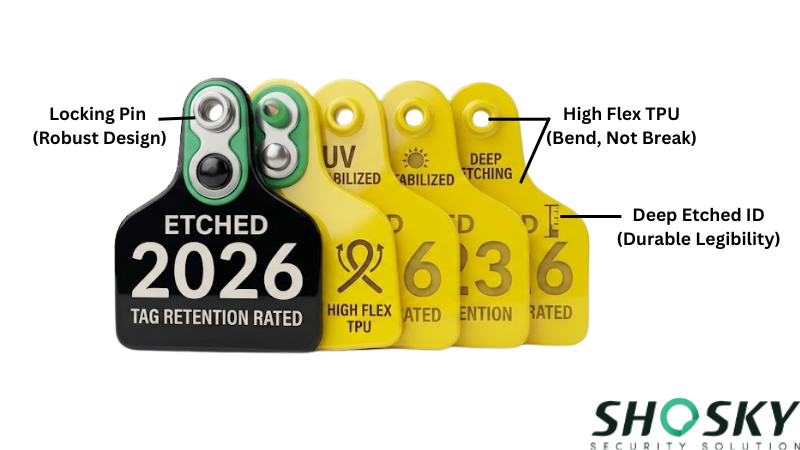
Tag retention remains a primary operational concern in livestock management. Cheap plastic tags rapidly crack under freezing cold stress, degrade under severe summer UV exposure, and feature poorly engineered connection shafts that snag easily on fencing.
These physical tag failures instantly trigger severe audit issues, disrupt interstate transport records, and incur heavy Department of Agriculture compliance penalties.
Modern ear tags successfully neutralize these risks by combining highly flexible TPU construction with secure tamper-evident locking systems, effectively dropping tag failure rates below 1%.
To guarantee absolute long-term durability across harsh seasons, purchasing managers must carefully evaluate these three critical material specifications before ordering:
- High Flex TPU Construction: Flexible thermoplastic polyurethane allows tags to bend and stretch when a cow snags its ear on fences or feeders. This reduces stress on the locking pin and lowers the chance of breakage under sudden force.
- UV Stabilized Pigments: Color stability remains consistent even after long exposure to direct sunlight. This prevents fading, cracking, or material brittleness that often turns low-quality tags into unreadable surfaces over time.
- Deep Penetration Etching: Identification data is embedded deep into the tag material rather than printed on the surface. This protects the ID number from fading caused by abrasion, weather exposure, and continuous movement of animals.
Each of these advanced material improvements works together to actively extend tag life in brutal real-world ranch conditions. When seamlessly combined, these features dramatically reduce annual replacement frequency and keep your livestock ID systems highly stable across the full multi-year production cycle.
Best Practices for Secure Tag Application and Infection Control
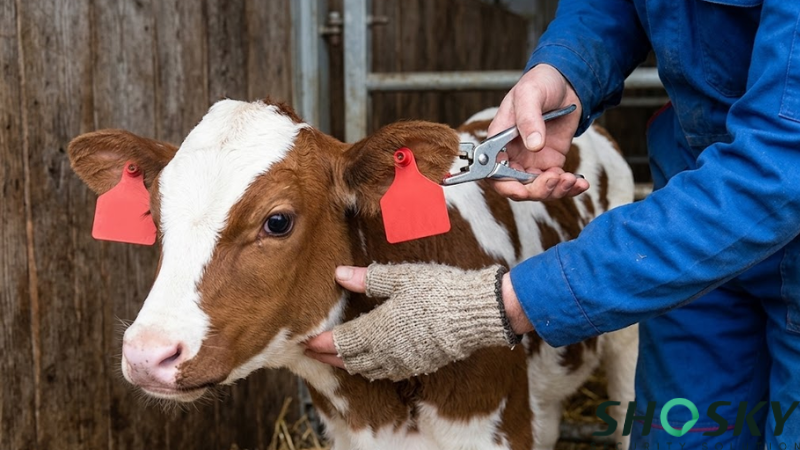
Proper ear tag application plays a direct, immediate role in both animal health and long-term tag retention. Even the highest quality engineered tags will fail if they are applied incorrectly, placed in the wrong anatomical zone, or installed under dirty conditions.
A massive number of livestock problems tied directly to tag loss, severe infection, or torn ear damage begin exactly at the moment of application. For this reason, professional cattlemen focus strictly on clean applicator tools, precise anatomical placement, and proper pin alignment.
To successfully protect your financial investment and maintain strict herd health, we advise farm managers to strictly enforce these fundamental application protocols at the chute:
- Sterilizing the Applicator Tools: Thoroughly clean all jaws and pins with a chlorhexidine solution before every tagging session to strictly prevent bacterial transfer.
- Targeting the Middle Third: Position the tag exactly between the two horizontal cartilage ribs to ensure clean healing and natural ear movement.
- Avoiding Major Blood Vessels: Visually inspect the ear against sunlight to map out and actively avoid hitting main veins, preventing severe bleeding and tissue necrosis.
Careful, precise application techniques directly help ranchers maintain perfectly consistent records across massive herds. When tags are placed exactly right the very first time, it drastically reduces the frustrating need for working cattle twice just to replace lost tags, keeping your operation highly efficient and stress-free.
Expert Advice from Shosky Security: Winter Application Risk and Documentation
Cold weather creates additional risks during tagging season. Extremely low temperatures reduce flexibility in plastic tags and affect blood circulation in cattle ears. Ranchers should avoid tagging during severe winter conditions whenever possible. Frozen ear tissue increases the chance of cracking, frostbite, infection, and tag loss. If winter tagging cannot be avoided, ear tags should be kept indoors before use so the material stays flexible. This simple handling step improves application quality and helps maintain stable livestock id records across the herd.
FAQs
What is the exact correct placement for a cattle ear tag?
A cattle ear tag must be applied exactly in the middle third of the ear, safely positioned between the two main horizontal cartilage ribs. You must carefully avoid punching through any major blood vessels or the thick, rigid cartilage near the head, as this will cause severe infection, tissue necrosis, and eventual tag loss.
Are RFID ear tags federally required for moving cattle across state lines?
Yes. According to the USDA APHIS Animal Disease Traceability rule enforced since November 2024, all sexually intact cattle 18 months of age and older, as well as all dairy and exhibition cattle, must be identified with both visually and electronically readable (RFID) official tags, such as 840 tags, before moving interstate.
Why do my cattle keep losing their plastic ear tags?
High tag loss rates are usually caused by three factors: applying tags incorrectly through thick cartilage, which prevents proper healing; using cheap, rigid plastics that snap easily in cold winter weather; or improper applicator alignment that leaves a gap between the male pin and female locking mechanism, allowing the tag to easily snag on fences or hay rings.
Get Reliable Cattle Identification Support from Shosky Security
Effective livestock management depends on consistent identification from birth to market. Ear tags support everything from vaccination tracking to genetic recordkeeping, while also helping reduce errors during audits, transport, and herd sorting. When tags fail, gaps appear in both records and compliance systems, making durability and retention critical.
At Shosky Security, we offer high-performance tamper-evident solutions, including livestock ear tags designed for strong retention, clear numbering, and reliable field use. Get in touch with our team through our email address to explore bulk order options, custom branding, and RFID-enabled solutions that fit your livestock operation.