
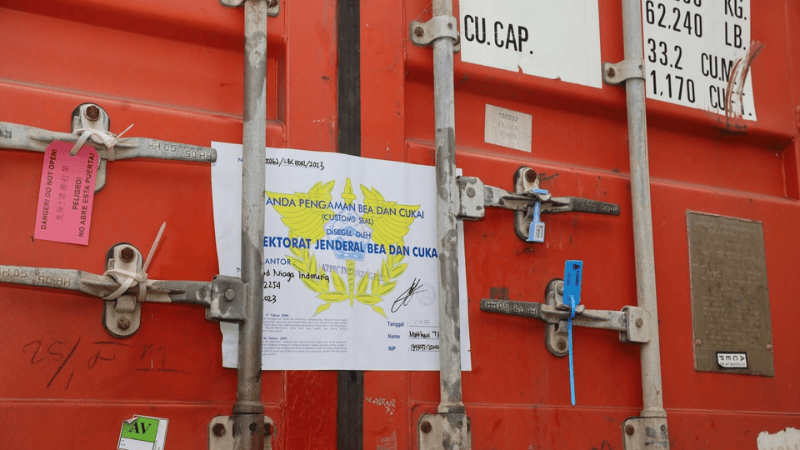
Freight trains transport billions of dollars in bulk commodities and premium manufactured goods across vast, isolated geographical landscapes. This massive operational scale makes railway logistics a prime target for organized cargo theft syndicates. Securing these massive rolling assets requires highly engineered structural solutions. Procurement managers must deploy certified railroad security seals to lock down intermodal container doors, bulk liquid hopper hatches, and sensitive pneumatic valves.
A premium security seal serves a dual operational purpose. It acts as a massive physical barrier that drastically slows down forced entry, while simultaneously operating as an immutable cryptographic data point. By leveraging precise serialized tracking, logistics directors can mathematically prove that a cargo container was never compromised between the origin loading dock and the final destination intermodal rail yard. This guide explores the exact engineering parameters procurement teams must evaluate to build an ironclad railway defense strategy.
Analyzing The Main Types Of Railroad Security Seals
Not all security barriers are engineered with the exact same physical tolerances. Selecting the wrong material matrix for a specific railway application leads directly to premature seal failure and devastating cargo theft. Procurement directors must perfectly match the seal architecture to their precise operational vulnerabilities.
1. Cable Seals For Rail Cars
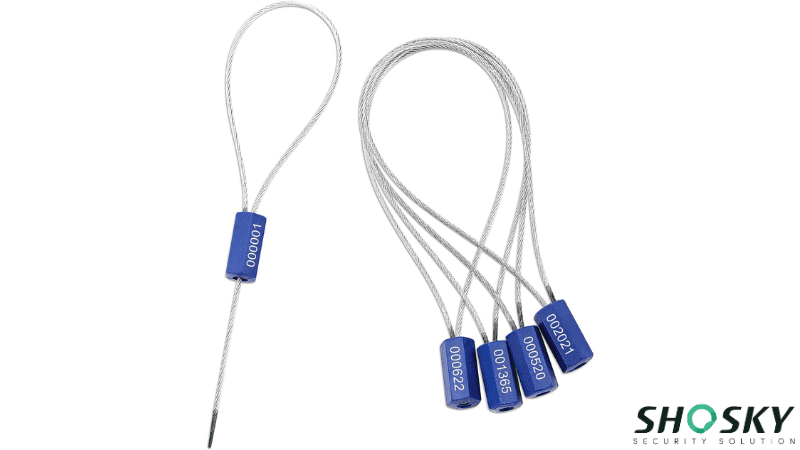
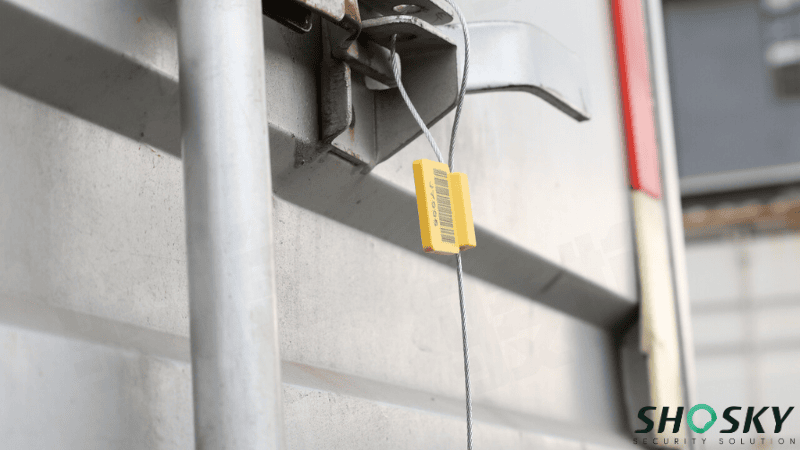
Cable seals for rail cars are incredibly versatile high-security assets utilized extensively across the global continental railway network. These specialized devices feature a heavy-duty aluminum or zinc locking chamber permanently paired with a braided galvanized steel aircraft wire.
To defeat casual opportunistic thieves wandering near isolated railway sidings, these seals offer three critical engineering mechanics:
-
Flexible Latch Application: The highly adjustable steel wire easily threads through severely misaligned or bent locking latches commonly found on older industrial rail cars.
-
Massive Tensile Strength: Braided steel cables require specialized industrial cutting tools for removal, aggressively deterring casual opportunistic thieves wandering near isolated railway sidings.
-
Irreversible Fraying Mechanics: If bad actors attempt to cut and covertly reinsert the cable, the braided steel wire irreversibly splays outward, making intact reassembly mathematically impossible.
Procurement directors heavily favor these adjustable wire seals for securing bulk chemical tankers and complex agricultural hopper hatches where rigid metal bolts simply cannot fit. By standardizing variable cable lengths across their logistics network, administrators guarantee that even the most awkwardly shaped industrial valves remain completely
2. Bolt Seals Freight
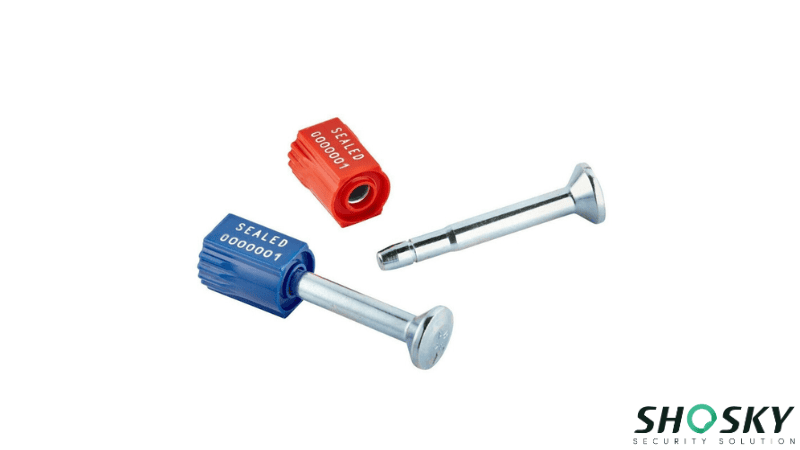
When transporting high-value retail electronics or sensitive hazardous chemicals, logistics managers must aggressively deploy ISO certified structural barriers. Bolt seals freight applications represent the absolute highest tier of physical cargo protection for intermodal shipping containers riding on long-haul rail flatbeds.
To physically stop organized theft rings attempting to breach cargo doors, these rigid components integrate advanced metallurgical features:
-
Solid Carbon Steel Construction: Manufactured from dense carbon steel pins and coated with a high-impact-resistant polymer, these heavy-duty seals withstand severe physical abuse and extreme weather and corrosion.
-
Anti-Spin Geometric Mechanisms: Advanced bolt designs feature interlocking structural shapes that completely prevent thieves from spinning the seal at high speeds to secretly defeat the internal locking chamber.
-
ISO Regulatory Certification: These heavy-duty physical barriers meet the most stringent international customs security requirements, ensuring seamless cross-border railway transitions.
Because these rigid metal devices absolutely require heavy-duty industrial bolt cutters to successfully remove, they drastically slow down sophisticated cargo infiltrations. Investing in premium carbon steel bolt protection is mandatory for high-liability commercial cargo transitioning from ocean ports directly to continental railway networks.
3. Tamper Evident Rail Seals
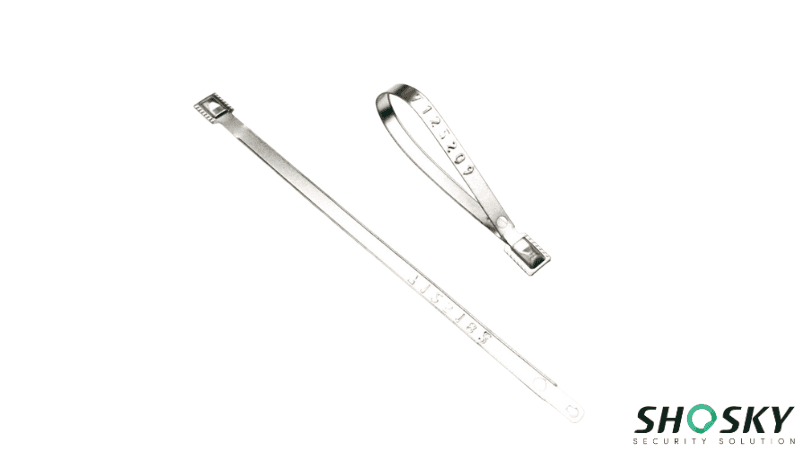
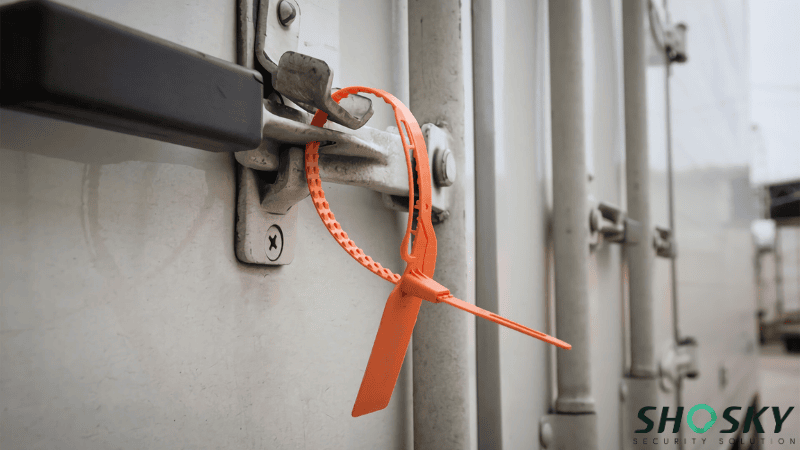
While heavy steel barriers actively prevent forced entry, many internal railway applications simply require visible forensic evidence rather than extreme physical brute strength. For these specific operational scenarios, logistics teams utilize specialized plastic indicative tamper-evident rail seals.
These lightweight components provide massive administrative benefits without inflating the corporate security budget:
-
Cost-Effective Fleet Scaling: These lightweight polymer components allow procurement teams to secure thousands of empty rail cars returning to the origin facility at a fraction of the standard security cost.
-
Rapid Visual Yard Audits: Brightly colored polymer bodies allow rail yard inspectors to instantly verify seal presence from a long distance during high-speed rolling train inspections.
-
Custom Serialized Tracking: Laser-engraved sequential numbering completely prevents bad actors from replacing a broken indicative seal with a generic commercial duplicate.
These indicative polymer seals are perfectly engineered for securing empty hopper cars, internal emergency safety valves, and secondary access hatches where physical forced entry is not the primary operational threat. They provide a highly efficient digital audit trail while keeping corporate security overhead exceptionally low.
Ready to Get Professional Security Solutions?
Start With A Low Minimum Order Quantity
Key Procurement Factors For Railway Security
Before executing a massive purchase order, procurement managers must evaluate several critical environmental and regulatory factors. Sourcing a cheap commercial seal that structurally fails under heavy vibration directly inflates administrative overhead and causes severe customs delays.
Environmental And Climate Resistance
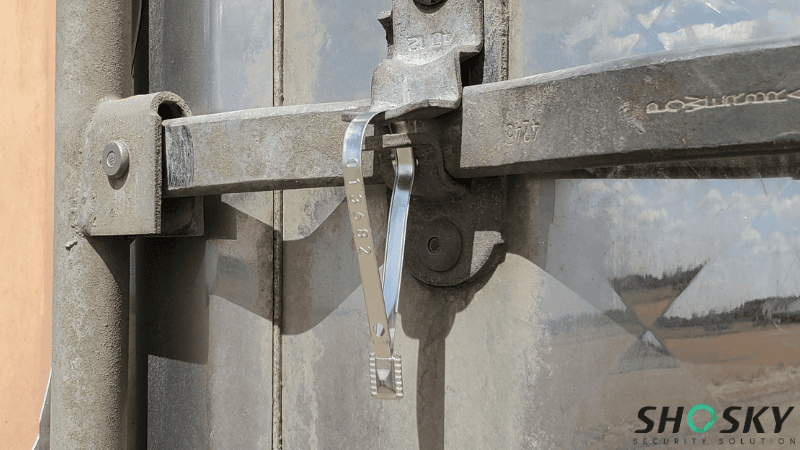
Continental rail cars endure brutal environmental extremes during long-haul transits. Your chosen security closures must survive massive thermal fluctuations without shattering or melting.
Procurement teams must verify manufacturers utilize highly modified polycarbonate plastics that avoid spontaneous chemical crystallization in sub-zero weather. Metallic locking components must feature heavy galvanization to aggressively resist severe rust from saltwater and industrial acid rain.
Demanding specialized UV inhibitors prevent the plastic housing from becoming dangerously brittle. Matching these severe parameters directly prevents false positive security alerts caused by natural weather degradation.
Digital Integration And Barcode Tracking
Modern railway logistics completely rely on automated data architecture to track global fleets. Manual paper logs introduce catastrophic human errors that instantly destroy your chain of custody.
Procurement must exclusively select seals featuring high-contrast laser-engraved barcodes that resist industrial cleaning solvents. Your barcode format must feature automated API synchronization to natively integrate with warehouse management software.
Mandating unique corporate prefixes combined with randomized algorithmic check digits instantly exposes counterfeit seals, creating an unbypassable digital ledger that eliminates human oversight.
Material Tensile Strength And Shear Ratings
The mechanical strength of your seal dictates its ability to withstand opportunistic cargo theft and accidental shearing. Procurement teams must demand documented laboratory testing data before approving bulk purchases.
High security bolt seals must demonstrate a massive longitudinal pull strength exceeding one thousand kilograms to defeat industrial crowbar leverage attacks. Advanced designs must incorporate interlocking geometric shapes to prevent thieves from spinning the seal barrel at high speeds.
Demanding exact engineering tolerances and severe blunt force impact testing aggressively deters organized syndicates from targeting valuable railway assets.
Best Practices For Implementing A Rail Seal Strategy
Sourcing advanced physical seals provides zero financial protection if your terminal operators fail to log the tracking codes correctly. To completely eliminate massive supply chain vulnerabilities, logistics directors must enforce rigorous operational standards across their entire workforce.
First, administrators must deploy highly secure storage protocols. Unused security seals are highly sensitive access keys and must remain locked inside heavily restricted management vaults to prevent insider theft.
Secondly, loading dock personnel must aggressively verify and digitally log the exact alphanumeric serial number into the central warehouse management software immediately after locking the rail car door.
Finally, receiving yard inspectors must physically pull on the locked seal to verify structural engagement before cutting the cable, photographing any visual discrepancies to protect corporate liability.
FAQs
Q1: What makes a railroad security seal ISO 17712 compliant?
To achieve strict ISO 17712 certification, a seal must pass rigorous third-party laboratory testing for extreme tensile strength, shear limits, and severe bending resistance. High Security grade seals must successfully withstand over one thousand kilograms of shear pull force and feature advanced internal locking mechanisms that provide irreversible evidence of tampering.
Q2: Can we use plastic seals for international freight trains?
No. International border agencies associated with the Customs Trade Partnership Against Terrorism strictly require heavy-duty metal bolt seals or braided cable seals for any cross-border rail freight. Plastic indicative seals are legally restricted exclusively to empty car returns or internal domestic routing where physical forced entry is not the primary operational threat.
Q3: How do RFID rail seals improve logistics security?
Advanced RFID and smart electronic seals actively transmit real-time location data and instant tamper alerts directly to a centralized cloud database. If a highly organized syndicate attempts to cut the braided steel cable during a remote layover, the smart seal immediately pings the central security dashboard, allowing logistics directors to dispatch local authorities instantly.
Q4: What is the best way to remove a high security bolt seal?
Because certified bolt seals feature massive solid carbon steel construction, terminal operators must utilize heavy-duty industrial bolt cutters measuring at least 36 inches long to achieve the necessary mechanical leverage. Yard workers should always wear protective eyewear to prevent severe injuries from flying metal debris when the dense steel pin finally snaps under extreme pressure.
Q5: How long do security barcodes remain readable on rail seals?
Premium laser-engraved barcodes will remain perfectly legible for decades. Unlike cheap surface printed ink that easily washes away with harsh industrial solvents or rapidly fades under intense desert sunlight, deep laser etching permanently alters the polymer structure. This advanced marking technique ensures your automated terminal scanners maintain a perfect first-pass read rate regardless of severe environmental exposure.
Secure Your Railway Logistics With Shosky Security
Protecting your massive rail assets requires partnering with a certified industrial manufacturer that deeply understands global freight vulnerabilities. Standard commercial padlocks simply cannot provide the forensic digital tracking and sheer physical strength required to defeat modern cargo syndicates. By deploying specialized structural barriers, you aggressively protect your valuable inventory and guarantee absolute regulatory compliance.
Shosky Security engineers premium-grade tamper-evident solutions perfectly designed for the harsh realities of global railway transportation. From high-strength carbon steel bolts to versatile braided cables, our certified products ensure absolute chain of custody integrity for your most critical shipments. Contact our engineering team today to upgrade your railway defense architecture.