
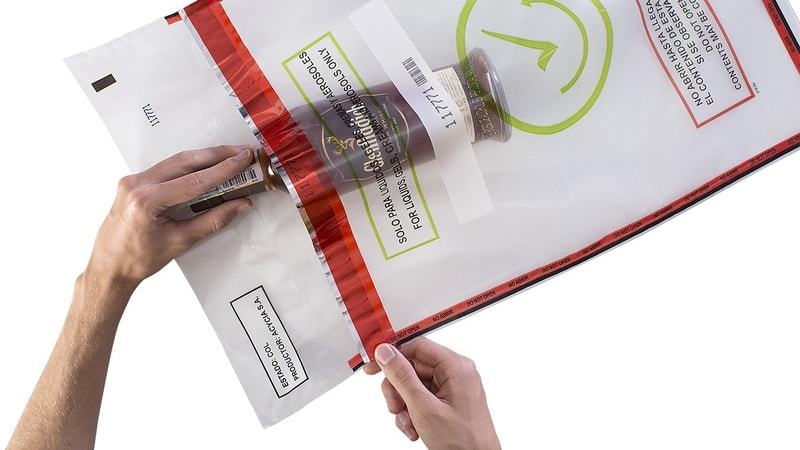
International airports follow strict security protocols to protect passengers and prevent unauthorized items from entering flights. Duty-free bags (technically known as STEBs) play a key role in this ecosystem, allowing travelers to carry duty-free liquids exceeding 100ml without violating regulations.
These transparent co-ex film bags feature proprietary wide welding and hidden markings, making tampering easily detectable. In this article, we’ll discuss how to use duty-free bags correctly to avoid confiscation, the specific airport security rules you must know, and why they are required for connecting flights.
What Are Duty-Free Bags (STEBs)?
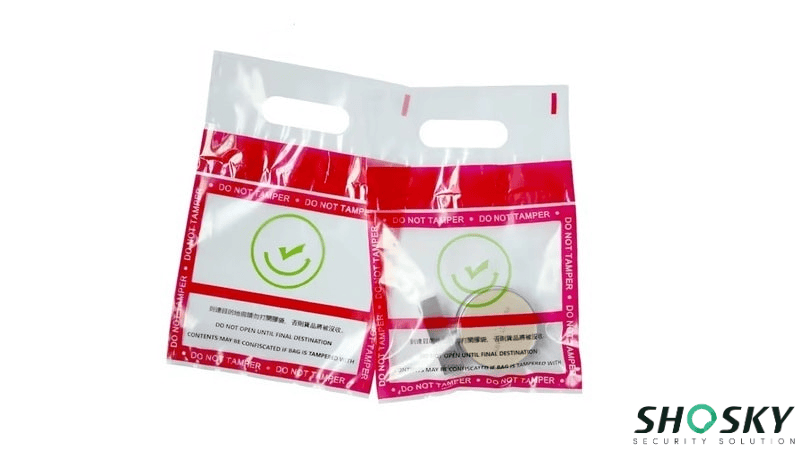
Duty-free bags are sealed, tamper-evident bags used to store tax-free purchases made at airport duty-free shops. In the aviation security industry, they are officially called STEBs (Security Tamper-Evident Bags) and are strictly regulated by ICAO-approved STEB guidelines.
While they may look like simple plastic packaging, they are engineered to ensure that items such as liquor, perfumes, and luxury goods remain sealed and secure from the point of purchase until passengers reach their final destination.
The main features of duty-free bags include:
- Tamper-Evident Seal: The most critical component. Once sealed at the store, the bag cannot be reopened without showing visible signs of tampering (like a “VOID” message).
- Transparent Design: Made of clear co-ex film, allowing security officers to inspect contents visually without breaking the seal.
- Receipt Pocket: A dedicated internal pocket to store purchase receipts, which are legal documents required for verification at checkpoints.
- Durable Material: Made of thick, multi-layer plastic to prevent tearing or accidental damage during the rigors of travel.
Duty-free bags are not just for convenience; they help travelers comply with international aviation regulations. Liquids over 100ml are usually not allowed in carry-on luggage, but duty-free liquids in sealed bags are exempt from this rule in many cases. However, passengers must follow specific guidelines to avoid confiscation.
Why Are Duty-Free Bags Important for Airport Security?
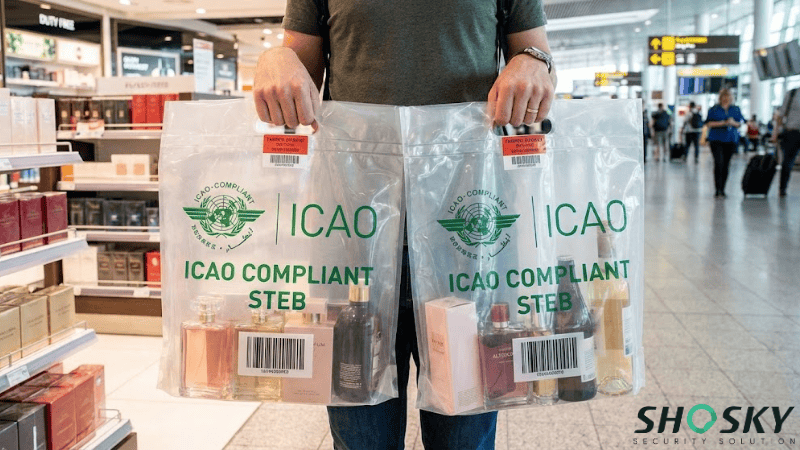
Duty-free bags help enhance airport security by creating a secure “chain of custody” for goods purchased inside the sterile area of an airport. Without these sealed bags, items like luxury goods, liquor, and electronics could be altered, swapped, or misused after purchase.
This is why airports enforce strict regulations, especially for passengers carrying duty-free goods during international flights. By utilizing officially certified STEBs, airports and retailers achieve three critical security objectives:
- Unbroken Chain of Custody: If an unauthorized person attempts to open the bag mid transit, the high security adhesive permanently triggers a visible VOID message, ensuring the item remains untouched.
- Advanced Fraud Prevention: Premium bags incorporate Level 4 security features, such as 15mm wide side welds and unique serial numbers, allowing security officers to instantly detect receipt swapping or smuggling.
- Streamlined Security Screening: Heavy-duty clear co-ex film allows officers to visually inspect liquids and personal items quickly, eliminating bottlenecks and invasive physical searches at checkpoints.
Ultimately, these engineering features do more than just protect the merchandise. They build a foundation of trust between global aviation authorities, retailers, and passengers, ensuring a seamless flow of secure commerce across international borders.
How to Use Duty-Free Bags at Airports
Before you start using a duty-free bag, it’s important to understand how airport regulations evaluate the security of your purchases. Each step matters, from where you buy the item to how the cashier seals the bag, because even a small mistake can result in confiscation during transit. Now, let’s walk through the first step in using duty-free bags correctly.
Step 1: Purchase Duty-Free Items with Precision
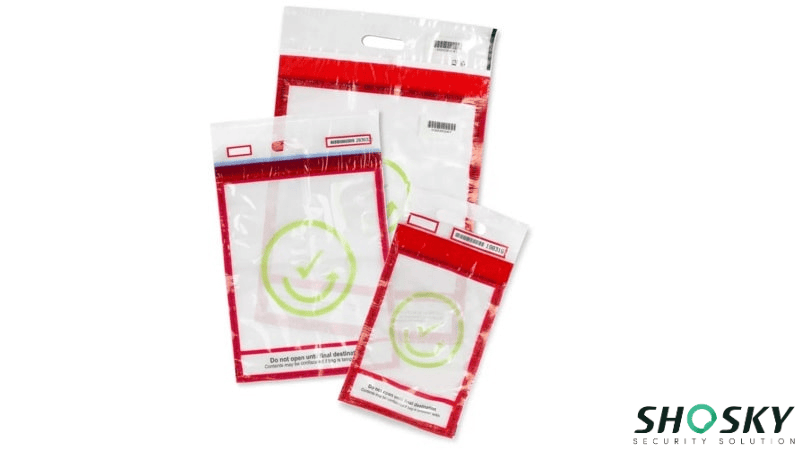
When shopping at a duty-free shop, make sure your items are packed in an official duty-free bag at the time of purchase. Liquor, cosmetics, and electronics must be sealed in security-approved STEBs to meet airport regulations and prevent confiscation during security checks.
Do not assume the cashier knows your final destination. Always inform them if you have a connecting flight, and ask store staff about specific regulations to avoid unexpected issues at customs.
Step 2: Seal and Label the Bag
After you purchase duty-free items, the cashier will seal them in a tamper-evident duty-free bag using security bag tape. Some bags also include security labels that warn against opening them before reaching your final destination. This is a critical step.
Observe the sealing process to ensure the bag is properly secured with advanced security tape and that all items are enclosed. Before leaving the store:
- Verify product details: Ensure the items inside match what you purchased.
- Check the receipt: The display receipt should be inside the bag and clearly visible through the window.
- Inspect the seal: Confirm that the bag is properly sealed with no signs of bubbling or tampering.
Mistakes in labeling or packaging can cause delays at security, especially if you have a layover in a country with stricter airport regulations.
Step 3: Carry Duty-Free Bags Through Security Checks

When you reach the security checkpoint, place your Security Tamper-Evident Bag (STEB) separately on the conveyor belt for X-ray screening. Do not bury it inside your backpack. Since TE bags are made of transparent co-ex film, security personnel can inspect the contents without opening them.
This minimizes unnecessary handling and prevents accidental damage to the seal. However, if the bag appears tampered with, officers may conduct additional screening or confiscate the items. So, it is important to follow airport regulations to avoid issues at security.
If your flight has a layover at an international airport, check if your duty-free items meet the airport’s security standards. Some countries allow sealed duty-free liquor in carry-on bags, while others require transferring passengers to store liquids in checked luggage.
Step 4: Pass Through Customs and Board the Aircraft
After security checks, keep your duty-free bag sealed until you reach your final destination. Customs officials may request your receipt and boarding pass to confirm the purchase date and location. Make sure your bag remains undamaged to avoid complications.
If a security seal appears tampered with, airport officials may confiscate the items or charge additional taxes upon arrival. Many countries have strict import limits on alcohol, tobacco, and luxury goods, even if they were purchased duty-free. If your items exceed the duty-free allowance, you may need to pay import taxes or declare them to avoid fines.
Step 5: Store and Use Duty-Free Items Properly
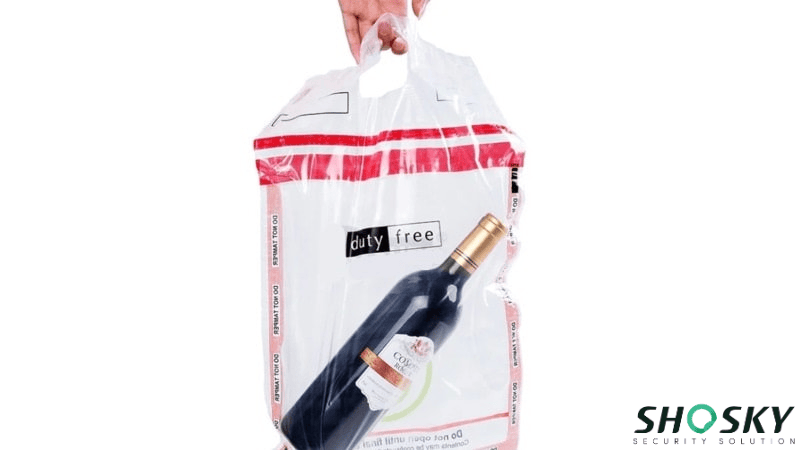
Once you’ve cleared customs, store your duty-free purchases carefully to prevent damage. When boarding, avoid rough handling and store the duty-free bag safely in your carry-on or under your seat. Avoid placing it in overhead bins where it can shift and break. Consider using a padded compartment within your checked bags to provide additional protection.
If you purchased duty-free electronics, check that the manufacturer’s code on the product matches your receipt. Some products may come with international warranties, so keep all documents for potential claims. By following these steps, you can enjoy your duty-free purchases without hassle and ensure they remain in perfect condition for use!
Common Mistakes to Avoid When Using Duty-Free Bags
After learning how duty-free bags should be handled at each checkpoint, it’s equally important to understand the mistakes that travelers commonly make. These errors often seem harmless at first, but they can cause major problems during international transfers. Let’s start with the most common one.
> Expert Tip from Shosky: As a manufacturer of aviation security packaging, the most common reason we see goods confiscated is travelers opening their STEB bags on the airplane during the first leg of their flight. If you have a connecting flight, opening the bag mid air instantly voids the security seal, and the transit airport security will force you to throw away your liquids.
Mistake 1: Buying Duty-Free on the First Leg of a Multi-Stop Trip
Many people buy duty-free goods at their starting airport, especially for trips with layovers. It can cause problems. Items may be taken away during stopovers. That is because not all airports recognize sealed bags from other places.
Solution: To avoid this, plan your duty-free purchases strategically. The safest approach is to buy your items at the last airport before you reach your final destination. Alternatively, if you must purchase earlier, thoroughly research the transit rules of each airport on your route. This proactive measure will prevent disappointment and the expense of confiscated goods.
Mistake 2: Opening the Sealed Duty-Free Bag
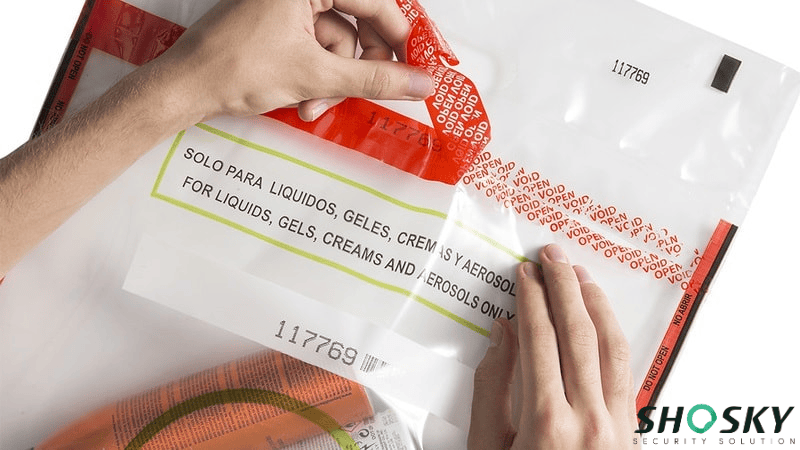
A frequent error among travelers is opening the sealed duty-free bag (STEB) for repacking or inspection. They often assume that a brief opening will not cause any issues. However, security officers are strict about the integrity of these sealed bags. Once the seal is broken, the items are no longer considered secure, even if they were originally purchased duty-free.
Solution: To avoid this, keep your duty-free bag sealed until you reach your final destination and clear the airport customs. This basic rule keeps your items safe and prevents them from being taken away. Keeping the seal unbroken is vital for an easy trip through airport security.
Mistake 3: Assuming All Airports Follow the Same Rules
Travelers often assume that all airports adhere to the same duty-free regulations. However, this is not the case. A duty-free purchase that is permitted in one country might be prohibited in another. This discrepancy can lead to confusion and problems during transit.
Solution: To avoid this, research the security policies of all transit and destination airports before your trip. This comprehensive approach will keep you from having problems with your duty-free items. Knowing the rules for each location is essential for a seamless travel experience.
Airport Security Rules & International Regulations for Duty-Free Bags
Airport regulations might seem complicated, but they follow a clear structure grounded in global security standards. Before looking at country-specific differences, it helps to understand the universal airport rule that governs how STEBs are screened, handled, and approved. This foundational rule applies to nearly every international airport.
Airport Security Rule
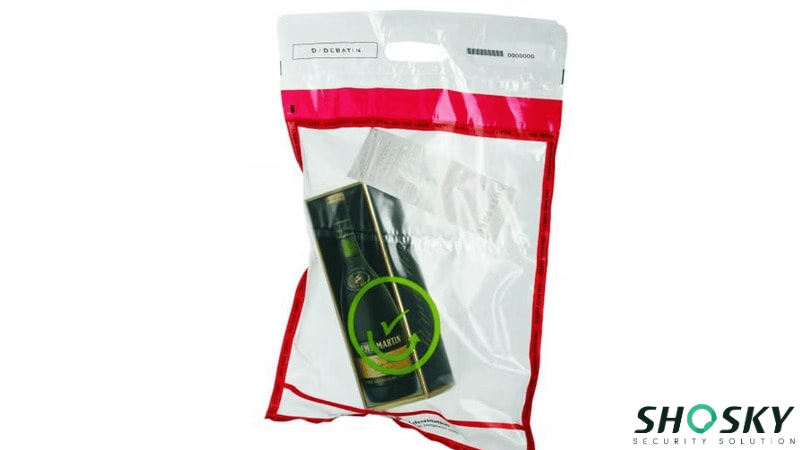
When traveling with duty-free purchases, understanding security regulations is essential. Most airports follow the 3-1-1 liquids rule, which limits liquids, gels, and aerosols in carry-on luggage to containers of 100ml (3.4 oz) or less.
However, duty-free liquids are an exception if they meet specific conditions:
- The STEB Requirement: The liquid must be secured in a sealed, official STEB provided by the retailer.
- The Receipt Rule: The receipt must be visible inside the bag and show that the purchase was made within the last 48 hours (or 36 hours for certain regions).
- The Integrity Rule: The bag must not show any signs of opening, tearing, or tampering.
To ensure compliance, travelers must follow these conditions at security checkpoints mandated by TSA inbound international flight regulations. Failure to follow these rules may lead to confiscation, especially during security screenings for connecting flights.
International Regulations & Country-Specific Policies
Different countries and airlines have varying rules for duty-free bags. While most follow general aviation security guidelines, some impose stricter policies governed by bodies like the European Union’s aviation security regulations.
| Region/Country | Duty-Free Liquid Regulations | Key Considerations |
|---|---|---|
| European Union (EU) | Liquids over 100ml allowed in sealed STEBs with visible receipt | Rules may not apply when transferring to non-EU destinations |
| United States (TSA) | Liquids over 100ml allowed in sealed STEBs with receipts dated within 48 hours of travel | Standard security procedures apply |
| United Kingdom (UK) | Generally follows EU guidelines | Verify rules for transfers to non-EU countries |
| Asia (Singapore, Dubai) | Strict enforcement of sealed STEB requirements | Improperly sealed bags may be confiscated |
| Asia (China, Japan) | Varied regulations across airports | Increased scrutiny of liquids at some locations |
| Australia and New Zealand | Strict screening; duty-free purchases must remain sealed until exiting the airport | Adherence to stringent sealing requirements is crucial |
| South America and Africa | Policies vary significantly between airports; some do not recognize STEBs | Verify specific airport rules before travel to avoid confiscation of liquids over 100ml |
To ensure compliance, always keep duty-free bags separate from other carry-on items during screening. Failure to follow these rules may lead to confiscation.
FAQs
Q1: Can you open duty-free items on the plane?
No. If you have a connecting flight, you must never open your duty-free bag on the plane. If the security seal is broken during the flight, the security officers at your layover airport will confiscate your liquids.
Q2: When can I open my duty-free bag?
You can only open your duty-free bag after you have reached your final destination, completely cleared customs, and exited the final airport facility.
Q3: What happens if you open a duty-free bag at the airport?
If you open the bag at the airport before reaching your final destination, the tamper-evident void message will trigger. Security personnel will no longer consider the items secure and will confiscate any liquids over 100ml during your next security check.
Q4: Can I bring duty-free bags on a connecting flight?
Yes, provided the bag remains completely sealed in its official STEB with the receipt clearly visible inside. However, you must always check the specific transit rules of your layover airport, as some countries require you to transfer liquids into checked baggage regardless of the seal.
Q5: What is a STEB bag?
STEB stands for Security Tamper Evident Bag. It is an internationally recognized, officially certified, clear plastic bag used by airport duty-free shops to secure liquid purchases and prove to security that the items have not been tampered with.
Conclusion
Duty-free bags are an essential part of modern air travel. They ensure security, compliance with regulations, and convenience for passengers. By using these tamper-evident solutions, you can prevent unauthorized access to your duty-free items. So, every time you travel, ensure your duty-free items are protected with duty-free bags!
Secure Your Airport Retail Operations with Shosky’s ICAO Certified STEBs
Shosky Security specializes in offering high-quality tamper-evident solutions, including ICAO-compliant duty-free security bags (STEBs) designed for airport compliance. With a focus on innovation and reliability, our solutions help prevent tampering and fraud! Contact us today for more details