
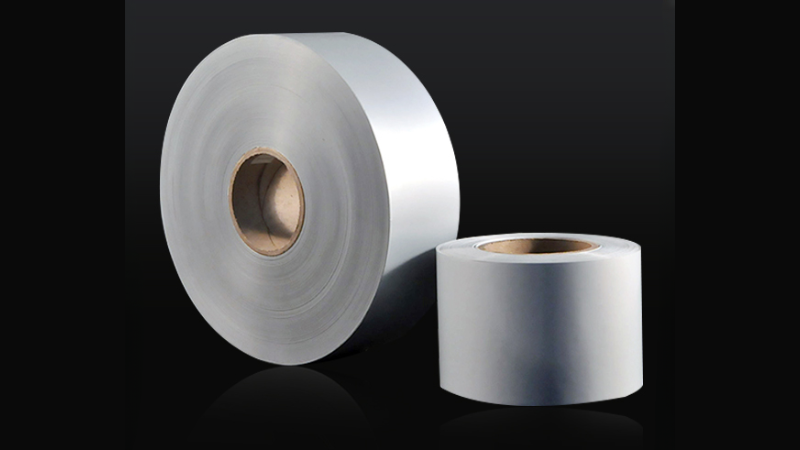
Many tamper-evident tools still rely on plastic. Over 300 million tons of plastic are produced every year. These leave behind waste that harms the environment. Businesses now want options that can be reused, recycled, or that break down naturally. That puts pressure on brands to offer tamper-evident solutions that meet both security and environmental goals.
In this article, we’ll explore the top materials for eco tamper packaging. You’ll discover packaging solutions that are recyclable, biodegradable, and built for protection. Whether you sell food, tools, or shipping supplies, there’s the right packaging option for your business. Let’s get started!
How to Balance Eco-Friendly Tamper-Evident Materials with Performance?
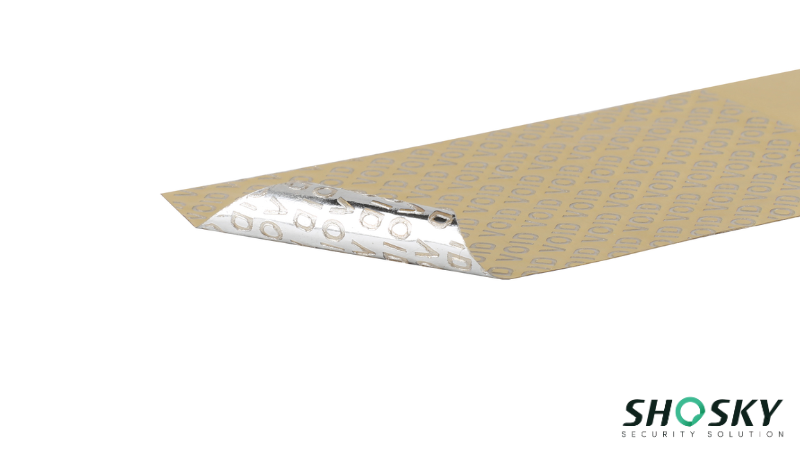
Sustainability starts with the material itself. Not all packaging materials are equal. But in the security industry, “performance” means something very specific. A security label must be able to stick aggressively to a surface and destroy itself if removed.
Historically, sustainable materials struggled with this. Early biodegradable films were too weak, and eco-friendly adhesives had short shelf lives. However, technology has caught up nowadays. To be truly effective, eco-friendly tamper-evident materials must meet three key criteria without failing in the field: renewability, biodegradability, and recyclability.
- Renewability: The material comes from natural, fast-growing resources like corn starch or wood pulp, reducing dependence on oil.
- Biodegradability: Components break down in natural environments without leaving harmful microplastics behind.
- Recyclability: The material can be processed into new packaging, supporting the circular economy.
Companies must carefully select materials that offer sufficient strength without sacrificing environmental responsibility. Finding this balance is essential for the future of secure and sustainable packaging solutions.
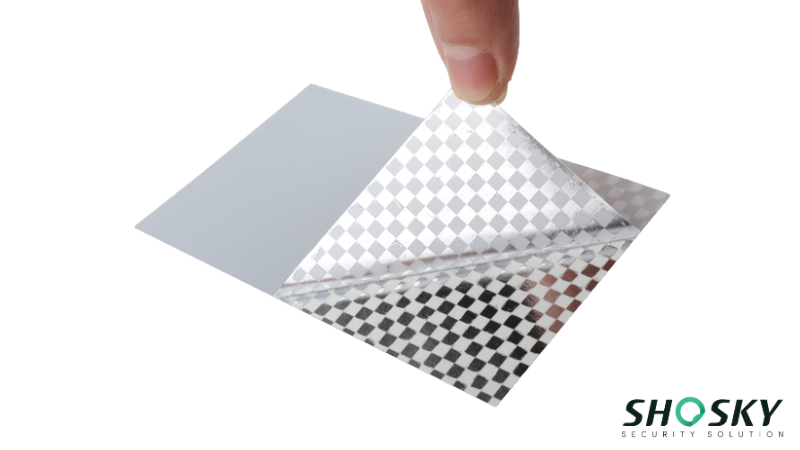
Top 7 Sustainable Materials Used in Tamper-Evident Packaging
There are different types of eco-friendly materials that are shaping the future of tamper-evident packaging. These sustainable options not only provide strong protection and security but also help reduce environmental impact.
At Shosky Security, we focus on materials that are not just “concepts” but are ready for mass production today. The following are the leading materials that combine safety with eco-conscious innovation.
1. PLA (Polylactic Acid) VOID Film
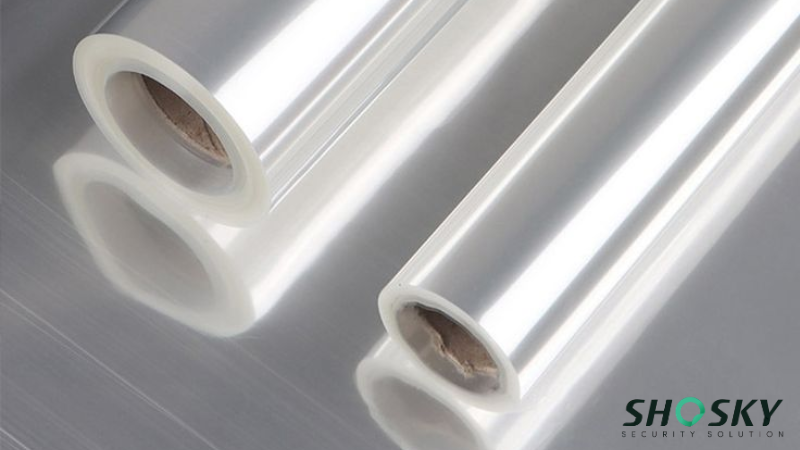
PLA is a bioplastic derived from renewable biomass, typically fermented plant starch like corn or sugarcane. It is currently the most scalable alternative to petrochemical PET films for creating “VOID” security labels. It looks and feels like plastic but behaves differently at the end of its life.
Sustainability Benefits:
- Industrially Compostable: It breaks down in controlled composting facilities (Standard EN13432).
- Bio-Based Origin: Made from 100% renewable plant resources, not oil.
- Low Carbon Footprint: Manufacturing PLA generates significantly fewer greenhouse gases than PVC or PET.
Best Applications:
- Food Seals: Ideal for sealing fresh food containers where the whole package is compostable.
- Short-Term Logistics: Security labels for retail supply chains.
- Cosmetic Packaging: Sealing boxes for organic beauty brands.
2. Destructible Paper (Frangible Paper Stock)
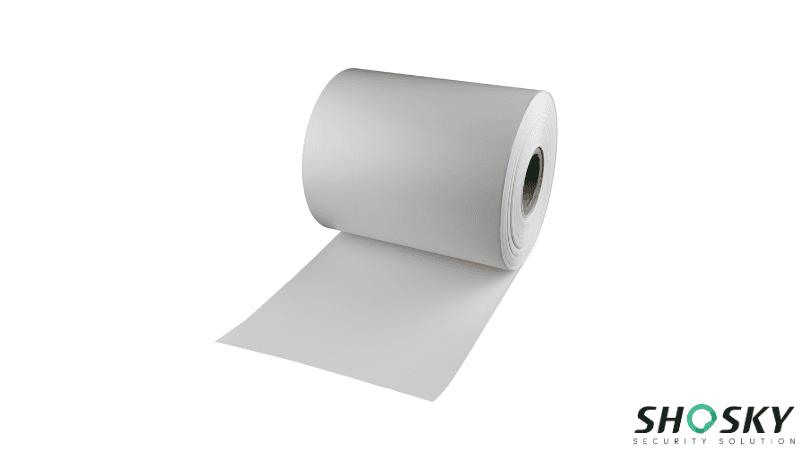
Destructible paper is the ultimate plastic-free security solution. Unlike vinyl, which relies on chemical release agents to show a “VOID” message, destructible paper relies on physical structure. It is engineered with extremely short fibers and low tensile strength. The bond to the box is stronger than the material itself.
Sustainability Benefits:
- Plastic-Free: Contains zero polymer films, eliminating microplastic concerns.
- Biodegradable: Decomposes naturally like standard paper.
- Streamlined Recycling: Can be recycled and attached to the cardboard box without separation.
Best Applications:
- Warranty Seals: Sealing electronic screws or housing joints.
- Pharmaceutical Cartons: Tamper evidence for medicine boxes.
- Asset Tagging: Inventory labels that prevent swapping.
3. PCR (Post-Consumer Recycled) PET
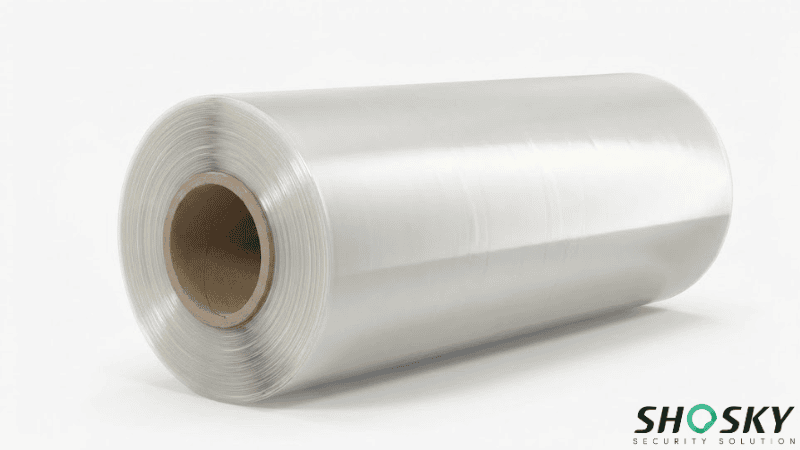
PCR PET, short for Post-Consumer Recycled Polyethylene Terephthalate. It is not biodegradable, but it is recycled. It is made from recycled plastic bottles that have been cleaned, melted, and extruded into new film. It offers the durability of plastic with a much lower environmental cost. This is the pragmatic choice for heavy-duty security.
Sustainability Benefits:
- Waste Reduction: Diverts plastic waste from landfills and oceans.
- Energy Efficiency: production uses up to 79% less energy than virgin PET.
- Carbon Reduction: significantly reduces the supply chain’s carbon footprint.
Best Applications:
- Security Bag Tape: High-strength sealing for courier bags.
- Heavy Duty Labels: Outdoor or industrial security labels.
- Tamper-Evident Bags: The main body material for STEBs and bank bags.
4. Paper-Face VOID Materials
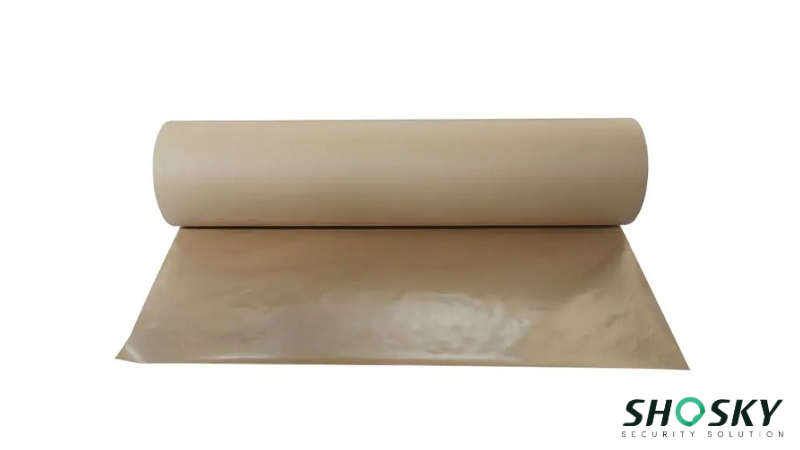
Paper-face void material is a hybrid innovation. It features a top face made of coated paper, but it is treated with a specialized release coating that triggers a “VOID” or “OPEN” message when peeled. It offers the look and feel of a paper label with the forensic security of a plastic VOID label.
Sustainability Benefits:
- Reduced Plastic: Uses significantly less plastic than full film labels.
- User Perception: Feels more “natural” and eco-friendly to the consumer.
- Recycling Compatible: The paper face allows it to enter paper recycling streams more easily than vinyl.
Best Applications:
- Logistics Labels: Sealing shipping boxes.
- Document Security: Sealing confidential envelopes.
- Retail Packaging: Price tags and brand labels.
5. Cellulose Acetate Films (Clear & Bio-Based)
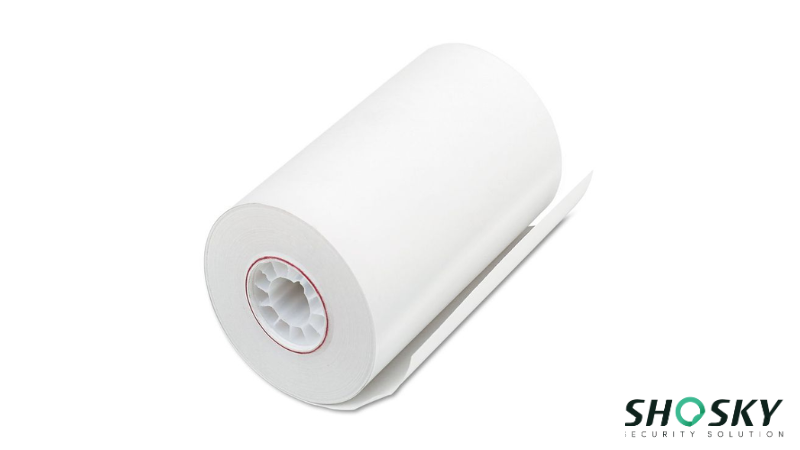
Derived from wood pulp, cellulose acetate is a transparent film that offers a biodegradable alternative to clear polypropylene. It has excellent clarity and gloss, making it perfect for applications where you need the “invisible” look.
Sustainability Benefits:
- Home Compostable: Often certified for home composting, unlike PLA.
- Renewable Sourcing: Sourced from managed forests (FSC certified pulp).
- Marine Degradable: Breaks down more safely than synthetic plastics if it enters waterways.
Best Applications:
- Luxury Retail: Transparent seals for perfume and high-end tech boxes.
- Window Patches: Clear windows in paper security envelopes.
- Over-Laminates: Protecting variable data on eco-labels.
6. Reinforced Kraft Paper
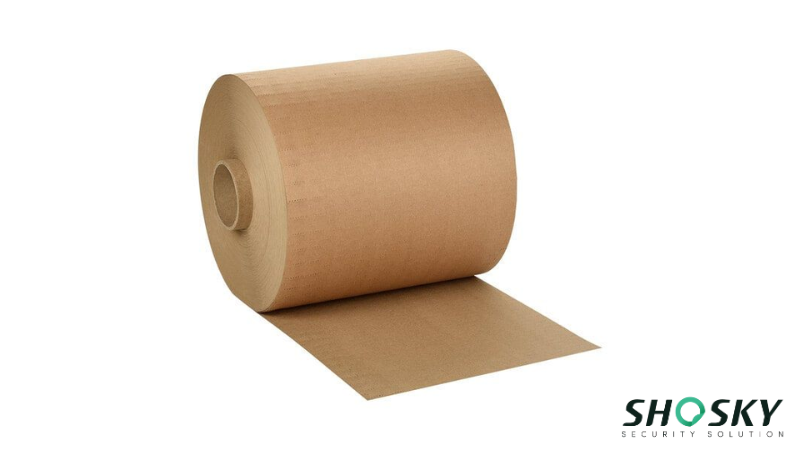
Reinforced kraft paper consists of a kraft paper backing reinforced with fiberglass strands (or biodegradable fibers) and coated with a starch-based adhesive. It is the raw material for gummed tape. It bonds chemically with the carton, making the box itself the security feature.
Sustainability Benefits:
- Repulpable: Certified to be recycled directly with corrugated cartons.
- Solvent-Free: The starch adhesive is water-activated, eliminating chemical solvents.
- Material Efficiency: One strip is often enough, reducing overall material usage compared to plastic tape.
Best Applications:
- E-commerce Shipping: Amazon-style carton sealing.
- Bulk Logistics: Sealing heavy master cartons.
- Theft Deterrence: Any application where “pilferage” is a risk.
7. Glassine Release Liners
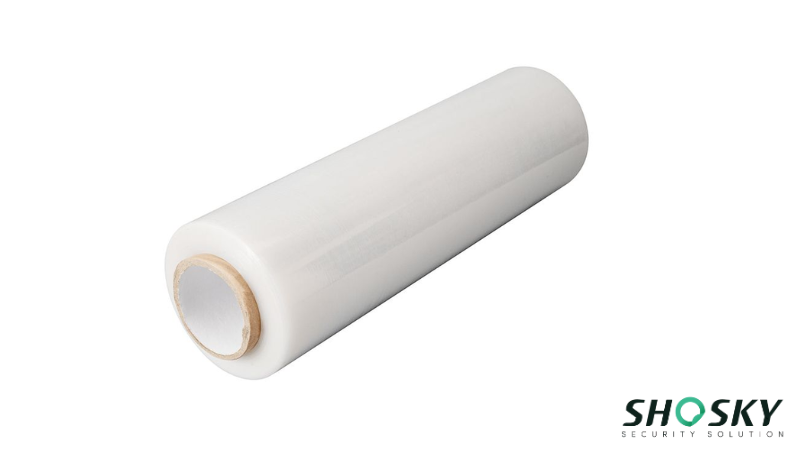
We often ignore the liner (the backing paper), but it creates huge waste. Glassine is a high-density, super-calendered paper that serves as a carrier for security labels. Unlike PET liners, glassine is paper-based and recyclable.
Sustainability Benefits:
- Recyclable: Can be recycled in standard paper streams (silicone separation required).
- Plastic Reduction: Eliminates the non-recyclable PET liner waste.
- Renewable: Made from wood pulp.
Best Applications:
- Label Carrier: The backing for all the above security labels.
- Tape Liner: Release liner for security tapes.
- Double-Sided Tapes: Carrier for industrial adhesive tapes.
Sustainable Materials vs. Traditional Tamper-Evident Packaging
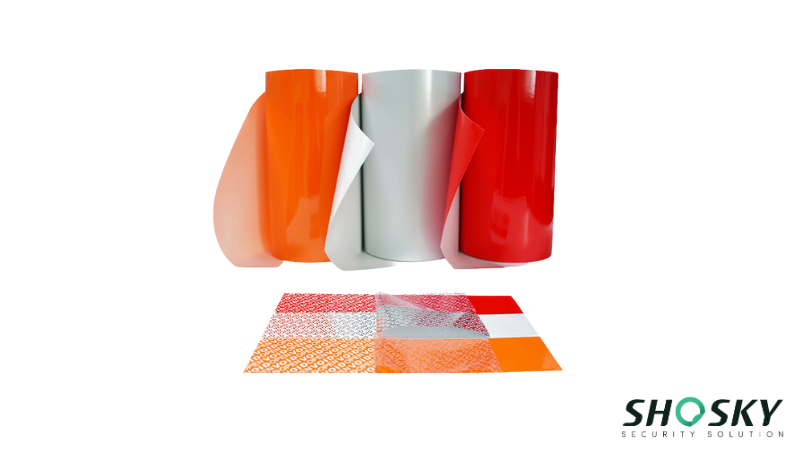
When choosing tamper-evident packaging, businesses must weigh the benefits of sustainable materials against traditional options. This comparison helps clarify which material suits your packaging needs best.
| Aspect | Sustainable Materials | Traditional Tamper-Evident Packaging |
|---|---|---|
| Security | Provides reliable tamper evidence, though some bio-based adhesives may have limits under extreme conditions | Proven strong seals with consistent adhesion and high tamper resistance |
| Durability | Often durable, but may have reduced heat or moisture resistance depending on the material | Generally, offers high durability and resistance to harsh environments |
| Shelf Life | Can be shorter, especially for compostable adhesives and biodegradable films | Usually, a longer shelf life is associated with synthetic materials |
| Cost | Sometimes higher due to emerging technologies and smaller-scale production | Lower cost due to established mass production |
| Availability | Growing but still limited compared to traditional materials | Widely available worldwide |
| Use Cases | Ideal for eco-conscious brands, food, pharma, and regulated products, prioritizing sustainability | Preferred in industries requiring maximum durability, long shelf life, and harsh shipping conditions |
By understanding these differences, companies can select the right packaging solution that balances security, sustainability, and cost efficiency.
Industries Adopting Eco Tamper-Evident Solutions
As sustainability becomes a top priority across sectors, more industries are turning to eco-friendly tamper-evident solutions.
These options not only protect product integrity but also align with environmental goals. From food safety to secure e-commerce delivery, here’s how different industries are adopting greener security measures:
Electronics Sector: Eco-Conscious D2C Brands
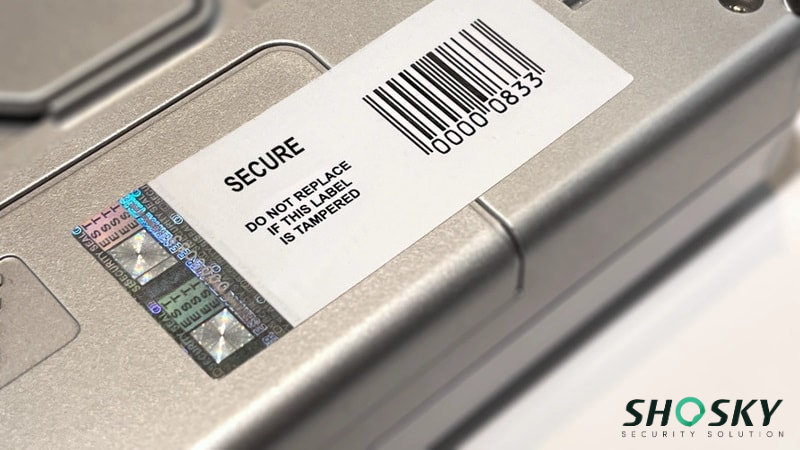
Many direct-to-consumer electronics brands prioritize sustainable packaging. They use recyclable and compostable materials to protect products. Custom packaging solutions help these brands meet sustainability goals while ensuring product security.
For instance, Dell has introduced closed-loop packaging that integrates tamper-proof seals made from recycled ocean plastics. These seals ensure that products remain secure while supporting Dell’s sustainability goals. The company also uses biodegradable adhesives in its packaging to prevent tampering while maintaining eco-friendliness.
Food and Pharmaceutical Industries: Safety with Sustainability
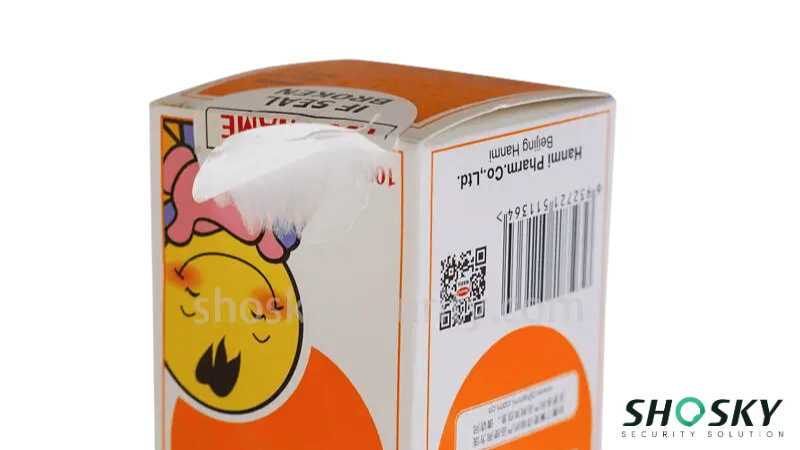
Food and pharma sectors require tamper-evident containers that ensure product quality and safety. They increasingly turn to biodegradable films and adhesives. These environmentally friendly materials meet both packaging needs and regulatory standards.
For example, Unilever has integrated biodegradable tamper-evident packaging across its personal care and food brands. The company uses plant-based security seals that break upon opening, ensuring consumer safety while minimizing environmental impact.
Unilever’s Smart Packaging Initiative focuses on reducing single-use plastics and replacing them with compostable tamper-proof materials in products like shampoos, sauces, and health supplements.
E-Commerce and Logistics: The War on Plastic Tape

Logistics and e-commerce leaders are rapidly moving away from standard plastic packing tape. They are adopting reinforced water-activated tape (WAT) to create fully recyclable shipping containers. This shift helps high-volume shippers reduce plastic pollution while drastically improving package security during last-mile delivery.
For instance, Amazon utilizes reinforced water-activated tape to secure its massive delivery network. Unlike plastic tape, this paper-based solution bonds physically with the box fibers, creating a permanent seal. Any attempt to peel it tears the carton, providing instant tamper evidence. This allows Amazon to prevent pilferage while ensuring its packaging remains 100% recyclable.
The Challenges of Switching to Sustainable Security Material
While the benefits are clear, you must be aware of the trade-offs when switching to sustainable tamper-evident packaging material. Honesty is key to a successful transition.
Shelf Life Limitations
Bio-based materials like PLA and compostable adhesives are designed to break down. This means they naturally have a shorter shelf life than synthetic plastics. You must manage your inventory carefully and avoid overstocking materials that might sit for years.
Cost Considerations
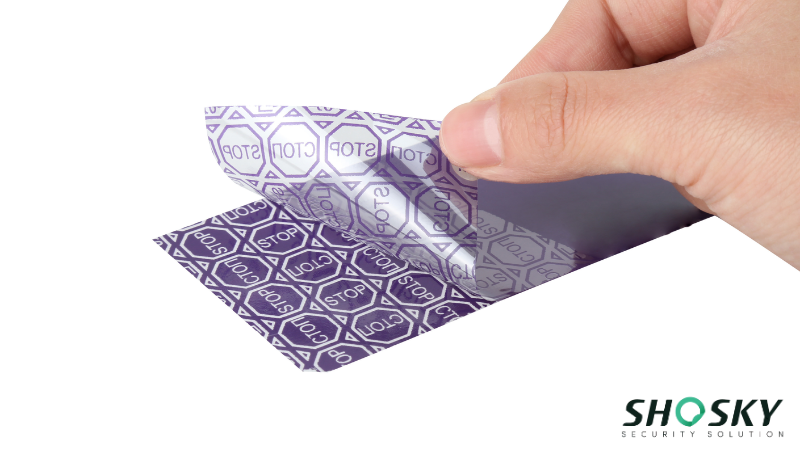
Eco-friendly materials often cost 20% to 50% more than traditional fossil-fuel plastics due to lower production scales and raw material costs. However, many brands find that the “Sustainability Premium” they can charge consumers outweighs this extra packaging cost.
Application Environment
Some eco-materials are sensitive to extreme heat or moisture. For example, PLA can deform in very hot warehouses. It is crucial to test these materials in your specific supply chain environment before a full rollout.
FAQs
Q1: Is PLA security film as durable as regular PET?
No, PLA is sensitive to heat (above 50°C) and UV light. It is best for indoor supply chains. For outdoor durability, PCR PET is better.
Q2: Can I recycle boxes with destructible paper labels on them?
Yes. Destructible paper is paper-based, so it does not need to be removed from the cardboard box before recycling.
Q3: Are eco-friendly security materials more expensive?
Generally, yes. Expect a cost increase of 20-40% compared to virgin plastics due to raw material costs and smaller production scales.
Q4: Do compostable adhesives work in cold storage?
It depends on the formulation. Standard compostable adhesives may become brittle in freezers. Always request a “cold-chain compliant” bio-adhesive for frozen goods.
Conclusion
The transition to eco-friendly tamper-evident materials is no longer a future concept. It is a present reality. With options like Destructible Paper, PCR Films, and PLA, manufacturers have the tools to build secure, sustainable supply chains today.
You do not have to choose between protecting your product and protecting the planet. By selecting the right material for your specific application, you can achieve both.
Protect your Products and the Planet with Shosky Security
Discover Shosky Security‘s custom tamper-evident packaging crafted from sustainable, plant-based, recyclable, and biodegradable materials. Contact us now to create the ideal packaging solution that strengthens your brand and supports eco-friendly goals. Let’s innovate your packaging for a safer, greener future.