

Under Nevada Gaming Control Board Regulation 6.050, casinos must maintain clear records of their security procedures, with a focus on how drop boxes and cash are handled. Auditors look for proof that serialized, single-use seals are used without exception. Failure to meet this standard can trigger serious compliance issues.
Surveillance systems provide footage, but only after an event takes place. Tamper-evident packaging works at the point of access and prevents interference from happening. This guide covers casino security solutions such as seals, labels, and bags that help protect table drops and manage equipment access to prevent costly violations.
Top 4 Physical Tamper Evident Applications on the Casino Floor
Casino floors handle millions in cash, precision equipment, and sensitive gaming assets across every single shift. Each of those touchpoints is a potential vulnerability, and each requires a different physical solution to control access and reduce risk.
The four applications below cover the specific tamper-evident solutions used to lock down the highest-risk points on the floor, along with the operational logic behind why each one is used.
1. Securing Slot Machines and Drop Boxes with VOID Labels
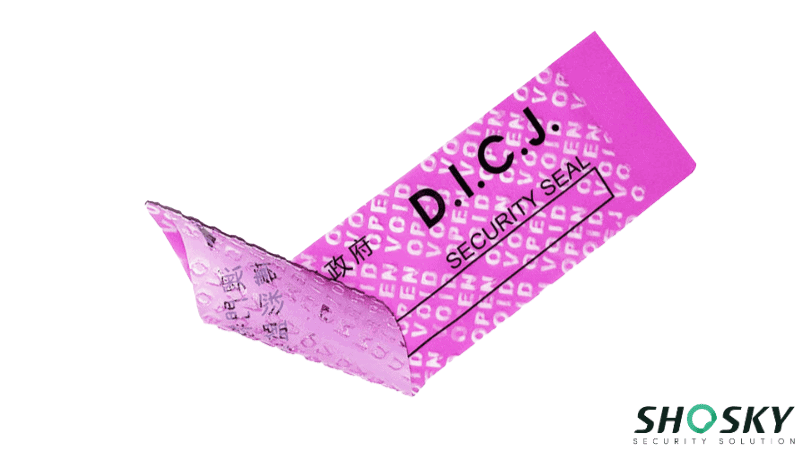
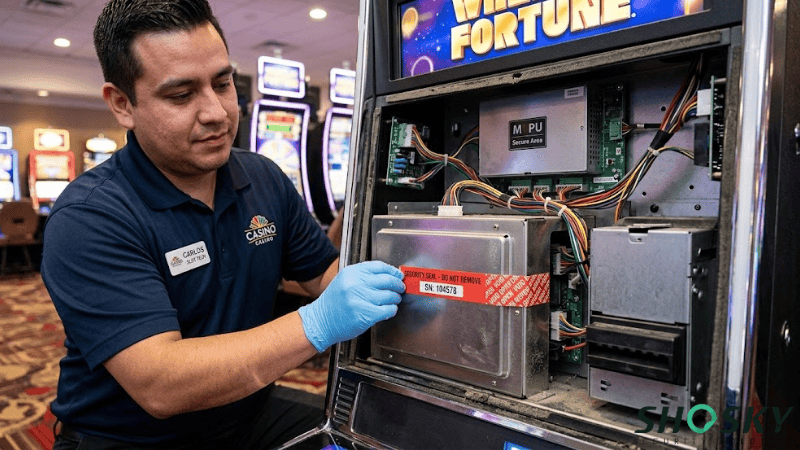
Slot machines and each drop box carry sensitive components and large amounts of money. A single breach can affect the outcome of a game or lead to theft.
Casinos apply custom VOID security labels on every access point. Once removed, a warning message appears and cannot be reversed. Cameras pick it up instantly. Here are how this works on the floor:
- Serialized Tracking: Each slot machine panel receives a uniquely numbered security label for clear identification
- Pre-Movement Sealing: Every drop box is secured before transport to prevent unauthorized access
- Barcode Logging: Scanned codes create a recorded trail of every access point
- Shift-Based Inspection: Staff review label condition at each shift change to catch tampering early
- Surveillance Cross-Check: Barcode records are verified against camera footage for full traceability
These labels help prevent theft before it can occur. They also reduce cleanup and test time since no adhesive residue remains. In a high-volume casino, that matters when hundreds of machines stay in constant play.
By integrating these zero-residue physical barriers, floor managers completely eliminate operational blind spots. It ensures that every single instance of maintenance or cash retrieval is strictly authorized and recorded.
2. Calibrating Roulette Wheels with Destructible Seals

Precision equipment defines fairness. Roulette wheels, card shufflers, and dice storage must stay balanced and untouched fter setup.
Destructible security seals solve this problem. Once applied, they break apart if removed. A person cannot reuse them. The operational use includes:
- Post-Calibration Sealing: Adjustment screws are secured after calibration to lock in verified settings
- Barcode Assignment: Each seal receives a unique barcode for audit-level tracking
- Digital Record Logging: Seal identifiers are entered into surveillance systems for traceable records
- Pre-Game Inspection: Seal condition is checked before gameplay to confirm integrity
- Controlled Maintenance Replacement: Seals are removed and replaced only during approved maintenance windows
This system creates a clear audit line. If a seal is damaged, staff can trace the exact moment it changed. It helps detect hidden interference and protects high-value gaming assets and operational integrity.
Research shows internal risks remain high. One study found that large numbers of casino employees admitted involvement in workplace offenses within a year. That is the reason physical controls remain required, not optional.
3. Protecting New Cards and Dice with Transfer Security Tape
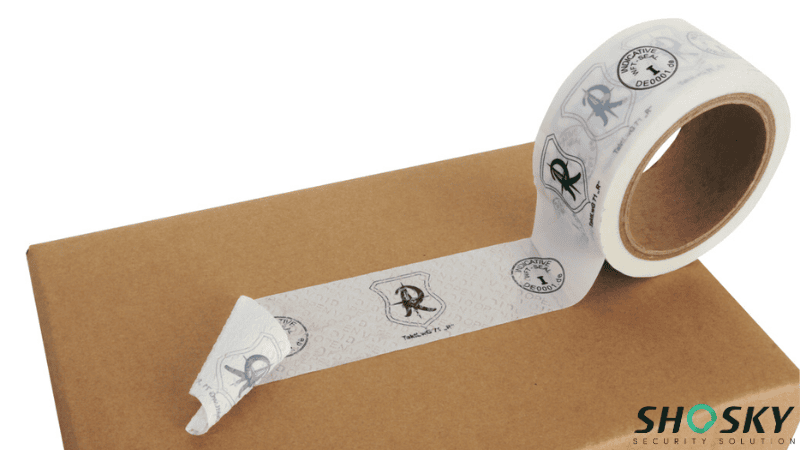
Cards and dice arrive in bulk stock shipments. If covert tampering occurs during transit, the entire game environment becomes compromised before the box even opens.
Transfer security tape solves this severe issue by leaving a permanent warning message on the cardboard box surface when removed. Here is the typical handling process:
- Secure Carton Sealing: Suppliers close each carton with custom tamper-evident tape
- Serialized Tape Identification: Each tape line carries a barcode or serial data for tracking
- Controlled Transport Routing: Shipments move through monitored and restricted logistics paths
- Inbound Verification Check: Vault staff inspect every carton upon arrival for integrity
- Tamper Alert Response: Any warning message triggers immediate rejection of the shipment
This system protects the supply chain before items reach the casino floor. It also supports broader casino security measures, including cameras at delivery points and strict staff handling procedures.
Casinos deal with large amounts of stock moving daily. Without visible tamper evidence, detection becomes hard. This layer keeps control intact across every transfer line.
4. Vault Operations and Cash Transit with Level 4 Bags
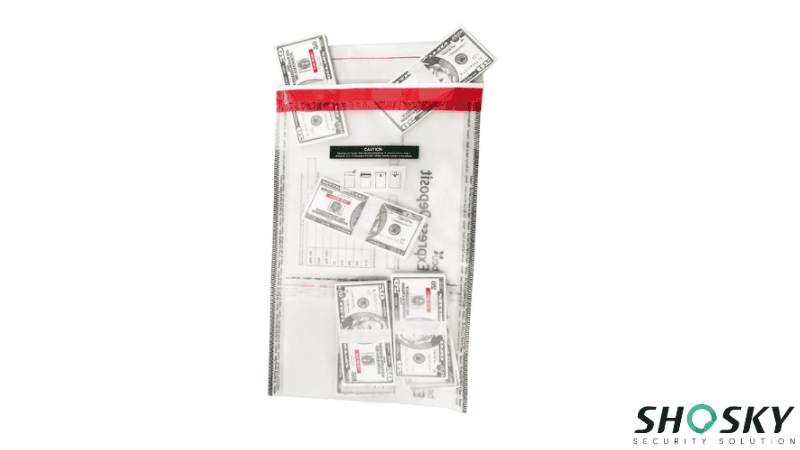
Cash movement defines casino risk. Federal regulations under the Bank Secrecy Act require casinos to monitor and report large cash transactions, and state gaming control boards add requirements on top of that for physical custody procedures.
In casinos, money flows from tables to count rooms, then to armored vehicles. Every step must stay secure. Level 4 security bags provide that control. These clear bags allow cameras to verify contents without opening them. Here are how casinos use them:
- Cash Sealing: Drop box cash goes into tamper-evident bags right after collection
- Barcode Tracking: Each bag carries a unique barcode tied to a record
- Controlled Transport: Staff move bags using monitored carts on restricted routes
- Surveillance Tracking: Cameras follow every transfer from table to vault
- Tamper Indicators: Chemical markers trigger visible alerts if interference occurs
Regulations often require two employees to be present during transfers. This reduces insider risk and builds accountability. Additionally, surveillance data examples show theft still occurs despite controls.
In a 2025 survey, 48% of casinos reported at least one to five internal theft incidents each year. That makes physical evidence tools critical in daily operations.
To help casino procurement teams instantly match the correct security product to their floor operations, use the following quick reference guide:
The Regulatory Cost of Weak Casino Security
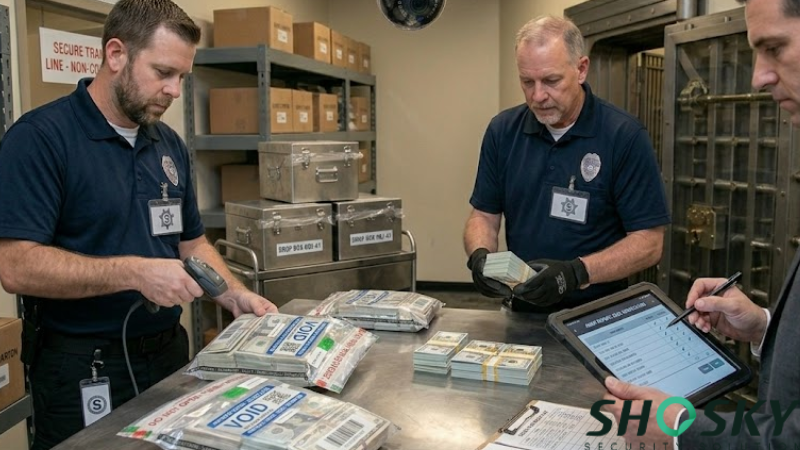
Casino environments naturally attract crime due to massive amounts of cash, complex layouts, and constant floor activity. Weak packaging does not just create a minor gap in the security chain; it turns that gap into an open invitation.
Here are the severe financial and compliance impacts of weak security packaging:
- Massive Financial Impact: Internal theft accounts for a massive portion of casino losses across the industry. Using cheap, generic tape on a card shoe can lead to compromised games and millions paid out to coordinated cheating rings before the situation is detected.
- Severe Compliance Impact: Failing to use serialized, single-use seals on drop boxes can lead to immediate external audits, massive regulatory fines, or even the total suspension of a gaming license by regional control boards.
High-end tamper-evident materials are not a warehouse expense. They are mandatory regulatory insurance. Casino security depends heavily on consistency. Every box, cart, and transfer line must follow the exact same rules.
FAQs
Q1: What is a Level 4 security bag used for in casinos?
A Level 4 security bag is a highly engineered cash transit bag. It features advanced tamper-evident closures that show irreversible visual evidence if someone attempts to open it using extreme heat, freezing spray, chemical solvents, or physical tearing.
Q2: Why do casinos use destructible seals on roulette wheels?
Roulette wheels are precision instruments. Destructible seals are made from highly brittle material that fractures into tiny pieces if peeled. Placing them over calibration screws ensures that no one can covertly alter the wheel’s balance without completely destroying the seal and alerting surveillance.
Q3: How do VOID labels improve slot machine security?
By placing serialized VOID labels over the access panels of slot machines, casinos create a digital and physical audit trail. If a technician or thief opens the door, the label permanently displays a “VOID” message, instantly alerting shift managers to unauthorized access.
Q4: Can generic tape be used for casino drop boxes?
Absolutely not. Gaming regulations strictly require serialized, tamper-evident solutions that create an auditable paper trail. Generic tape can be easily peeled off and replaced by thieves, leaving no evidence of the theft.
Upgrade Modern Casino Security with Shosky’s Solutions
Nevada, New Jersey, and tribal gaming jurisdictions governed by the National Indian Gaming Commission all state explicit requirements for physical custody documentation. These regulations do not simply request that properties use tamper-evident materials; they require serialized, single-use products that generate an auditable paper trail.
Shosky Security provides custom tamper-evident solutions that integrate into existing casino security processes and improve visibility across all movement lines. These solutions help reduce risk and support smoother operations. Contact us today and upgrade your casino security setup.