

Whether you are managing a high-volume distribution center, a regional fulfillment warehouse, or a global manufacturing facility, carton sealing tape is the critical final physical barrier protecting your corporate assets. According to 2026 supply chain loss data, poor-quality product packing and securing causes roughly 65% of recurring cargo damage incidents, translating into a staggering $6 billion in annual global losses.
Packing and shipping goods effectively requires much more than procuring generic adhesives; it demands a precise engineering strategy. This comprehensive guide breaks down the technical specifications, adhesive varieties, and application methodologies you need to optimize your packaging line, secure your supply chain, and eliminate costly logistical disruptions.
What is Carton Sealing Tape
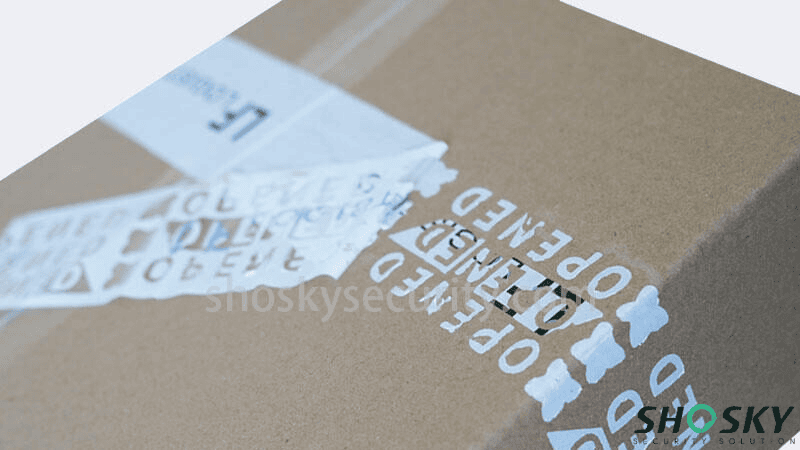
Carton sealing tapes are manufactured specifically for closing and securing corrugated cardboard boxes. They come in a wide variety of lengths, widths, thicknesses, and colors, utilizing various chemical adhesive systems to perform in different environments. Because no two logistics networks are identical, procurement teams must understand standard industry terms to accurately describe their tape requirements to suppliers.
Review the following essential terminology before making a procurement decision:
-
Tensile Strength: This measures the force needed to pull the tape to the point where it tears and breaks.
-
Carrier or Backing Material: The structural component the adhesive is applied to. Common materials include paper, vinyl, and oriented polypropylene.
-
Elongation: Connected to tensile strength, this indicates how far a tape can stretch prior to breaking, usually measured as a percentage.
-
Core Size: The inside roll diameter of the carton tape, which must match your hand dispensers or automated machinery.
-
Length: Standard hand rolls are commonly 55-yard or 110-yard rolls, whereas machine rolls can vary between 1000 and 2000 yards.
-
Width: Generally measured in inches or millimeters, standard carton tapes are 2 or 3 inches wide.
-
Thickness: Economy tapes may be less than 1.5 mils thick, whereas heavy-duty tapes exceed 3 mils for demanding applications.
Understanding these physical properties ensures that your selected tape matches the specific structural requirements of your corrugated boxes and complies with ASTM D1974 standard practices for sealing fiberboard boxes. Using a thin economy tape on a heavy recycled box will inevitably result in package failure during transit.
Upgrade Your Warehouse Packaging Security Today
Start With A Low Minimum Order Quantity
Common Types of Carton Sealing Tape
Generally, warehouse operations rely on two primary sealing categories. Understanding the differences between these technologies is crucial for optimizing your packaging line.
1. Pressure-Sensitive Carton Sealing Tape
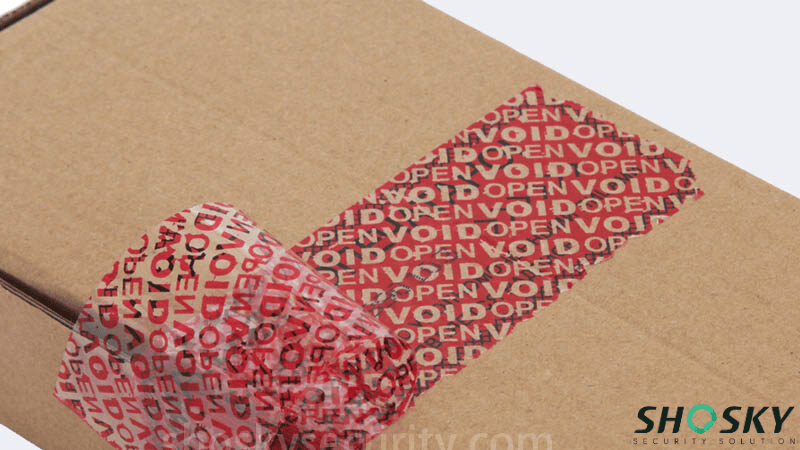
Pressure-sensitive packaging tapes are the most popular option for carton sealing. These tapes have a pressure-sensitive adhesive coated onto a strong carrier or backing material, usually a plastic film. The tape comes off the roll already sticky and adheres to a surface when pressure is applied.
Pressure-sensitive adhesive (PSA) carton sealing tapes can be either machine- or hand-applied. Hand tapes are used with a tape dispenser or packing tape gun. On the other hand, machine tapes are used with a tape machine that pulls the carton box through on a belt and seals the top and bottom simultaneously.
Although packaging tapes can be used for a broad range of applications, their adhesives are augmented for adhering to liner boards or corrugated cartons. The carrier or backing materials are also structured to offer the tensile strength required for carton sealing.
However, not all packaging tapes are the same, meaning different cartons will require various carton sealing tapes. There are 3 kinds of PSA carton sealing tape consumers should be familiar with, each with its advantages and disadvantages.
| Pressure Sensitive Tape Type | Adhesive Technology | Key Characteristics | Ideal Temperature And Environment | Best Warehouse Applications |
|---|---|---|---|---|
| Hot Melt Tapes | Synthetic rubber formulation. | Offers an impressive initial bond and functions exceptionally well under continuous physical strain. Can turn yellowish over time. | 40°F to 120°F. Moderate indoor settings. | High volume shipping, general corrugated packaging, and automated case sealers. |
| Acrylic Tapes | Advanced acrylic polymers. | Gradually cures to form a stronger bond over time. Provides top tier optical clarity and resistance to UV yellowing. | 32°F to 140°F. Extreme cold and high heat. | Cold storage logistics, long term storage, and sealing printed branding boxes. |
| Natural Rubber Tapes | Natural rubber extracts. | Bites aggressively into highly textured, dirty, or recycled surfaces where standard industrial tapes fail to bond. | Highly humid and dusty facilities. | Recycled corrugated boxes and harsh industrial conditions. |
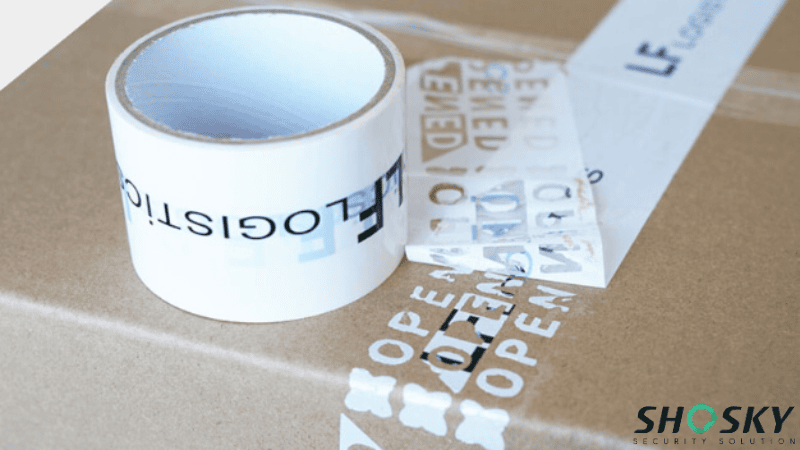
| Tamper Evident Tapes | Specialized high tack security adhesive. | Features a unique destructible matrix. Leaves permanent forensic evidence directly on the carton upon removal. | Standard global logistics networks. | Pharmaceuticals, electronics, and critical anti pilferage operations. |
By matching your specific logistical demands to the correct adhesive profile outlined above, warehouse managers can eliminate the hidden costs of transit failures. Whether you require the optical clarity of acrylics for retail branding or the aggressive tack of natural rubber for recycled cardboard, selecting the precise pressure-sensitive technology guarantees maximum supply chain efficiency.
2. Water-activated Paper Carton Sealing Tape

Also known as gummed paper tape, water-activated carton sealing tape is a 100% sustainable, eco-friendly alternative to plastic PSA tapes. It offers enhanced tamper evidence, a cleaner presentation, and overall cost savings.
Unlike PSA tapes, its adhesive is dry to the touch and activates only when wet. Once applied, it forms a permanent bond with corrugated cartons, effectively becoming part of the box. To open the package, recipients must cut the tape rather than peeling it off, providing immediate tamper evidence.
This tape is the go-to solution for high-volume fulfillment centers. It secures packages up to 150 pounds (the maximum weight limit for UPS ground shipping) and is available in various grades for light- to heavy-duty applications.
Buyers can choose between standard or reinforced rolls. Reinforced tapes embed fiberglass filaments between two paper layers, making them the ideal choice for heavy-duty packing. For fast and convenient operation, this tape is applied using specialized manual or electric tabletop dispensers.
How to Choose the Most Suitable Carton Packaging Tape
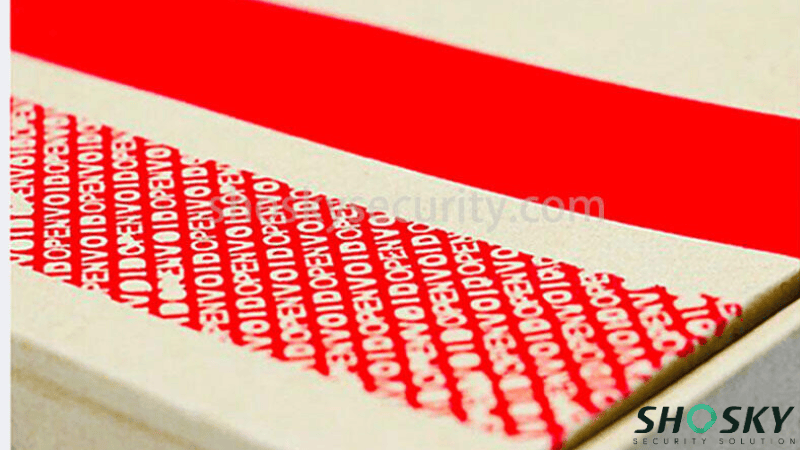
Selecting the right carton tape is as essential to your secondary packaging strategy as placing fillers in your box. Choosing the correct adhesive avoids theft, prevents product damage, and salvages your reputation with customers.
- Consider the Tape Grade. Carton sealing tapes are available in different grades, representing varying levels of film and adhesive thickness. Consider the carton’s size and the contents’ weight. As the weight variables increase, you must select a higher grade of tape to ensure sufficient tensile strength.
-
Evaluate the environmental factors such as temperature, dust, and humidity that impact the tape seal quality. If your facility experiences extreme winter cold, standard adhesives will crystallize and fail, requiring a shift to specialized acrylic or natural rubber formulations.
-
Determine the Application Method: The manual process requires tape with an easy unwind to prevent operator fatigue and a strong film backing to avoid stretching. Automated case sealers focus on quick tape unwinding to lessen breakage during machine application at high speeds.
-
Assess the Substrate: Consider the carton material you are sealing. Double wall, printed, or waxed corrugated cartons present unique challenges. Recycled corrugated boxes have shorter fibers and require highly aggressive adhesives to maintain a secure seal over time.
-
Ensure Overall Quality: Good quality sealing tapes provide excellent adhesion to the corrugated surface, are quick to unwind, and deliver the durability required to withstand the entire distribution network without tearing.
By rigorously evaluating these specific physical factors, packaging engineers can select a carton sealing tape that precisely matches their unique operational environment while significantly enhancing overall traceability and cargo protection.
Best Practices For Applying Carton Sealing Tape
Carton sealing tape is fast and convenient to use, but you must handle it appropriately to prevent waste and ensure structural integrity. Applying tape correctly guarantees maximum security for your shipments.
How to Use Carton Sealing Tape
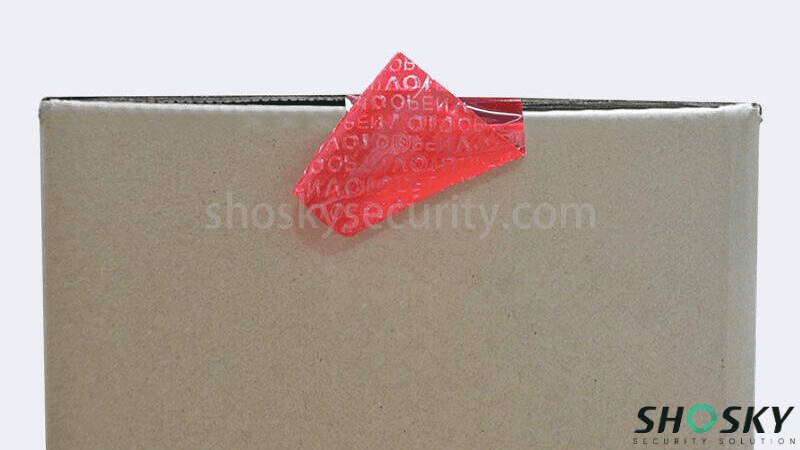
Understanding basic tape handling prevents disastrous consequences like parcels popping open during transit. The key is matching the material to the physical demand.
-
Verify the Tape Type: Ensure you are using dedicated carton packaging tape, not cellophane tape or paper masking tape, which lack the necessary strength.
-
Match Adhesion to the Job: Select a tape engineered for durable and long-lasting adhesion suited for your specific carton weight.
-
Utilize Proper Tools: In most cases, the carton should be sealed using a dedicated tape dispenser rather than cutting by hand.
Applying tape properly ensures the adhesive creates a flush, permanent bond with the corrugated surface. This attention to detail prevents edge lifting and keeps the package secure against logistical friction.
How to Use Carton Sealing Tape Dispenser

Hand tape dispensers, also known as tape guns, are manually powered tools that let you dictate exactly how much tape to apply. They make packing customer orders faster while saving money by avoiding tangled tape wastage.
-
Load the Tape Roll: Fix the tape onto the wheel, ensuring the sticky side faces downwards toward the surface you are sealing.
-
Thread the End: Extend the tape end through the dispensing slot underneath the cutting mechanism, ensuring it remains smooth without air bubbles.
-
Adjust Tension: If the dispenser features a pressure-adjusting handle or screw, set it so the tape spins freely but with enough resistance to prevent unspooling.
-
Press and Pull: Press the tape to the box surface and pull the pistol grip along the area to be sealed, allowing the roller to apply firm pressure.
-
Cut the Tape: Tilt the handle towards the surface to engage the cutting teeth, cleanly slicing the tape and leaving the next segment ready.
By mastering the use of a manual tape dispenser, warehouse staff can dramatically increase their packing speed. For even higher volume professional use, facilities often upgrade to automated tape dispensing machines deployed directly on their packaging lines.
FAQs
Q1: Can I use standard hot melt carton sealing tape in deep freeze storage environments?
No. Standard synthetic rubber hot-melt adhesives will completely crystallize and violently fail at sub-zero temperatures. For heavy-duty deep freeze logistics, procurement directors must exclusively specify specialized cold-temperature acrylic carton sealing tapes chemically engineered to maintain aggressive molecular bonding down to negative 20 degrees Fahrenheit.
Q2: Why does my packaging tape continuously pop off recycled corrugated boxes?
This massive failure almost always occurs directly because highly recycled cardboard possesses exceptionally short fibers and extreme surface dust. Basic acrylic tapes cannot penetrate this barrier. You must strictly utilize aggressive high-tack hot-melt adhesives or natural rubber tapes that forcefully bite into the heavy dust layer.
Q3: Are water-activated paper tapes stronger than standard plastic packaging tapes?
Yes. Heavy-duty water-activated tapes utilize dense fiberglass filaments woven between strong kraft paper. More importantly, the wet starch adhesive physically bonds with the corrugated carton fibers, meaning the tape literally becomes a structural part of the box, offering immense tensile strength perfectly capable of holding 150-pound shipments.
Optimize Your Packaging Network With Shosky Security
In a nutshell, it is essential to know which kind of carton sealing tape you need to use for your packaging needs so that time, money, and effort will not be wasted. More often than not, the adhesive tape is being blamed when carton packaging fails.
However, keep in mind that the combination of the tape, carton, the application method, and the condition of the environment are also big factors. You may not be able to replace some of these conditions, but taking them into consideration next time you choose a carton sealing tape may help deliver better, more secure packaging.
Whatever carton sealing tape you select, Shosky security tape can assist you. We carry a broad selection of PSA packaging tapes for every possible application. If you are unsure of what you need, you can simply contact us for assistance. Reach us today!