
Cargo theft tactics have grown highly sophisticated in 2026. Organized groups now target shipping containers during short stops, use simple tools to break weak seals, and even try to replace seals without leaving obvious signs. A publication from Research Gate highlights that theft incidents often happen during transit pauses, not at warehouses.
That puts more pressure on something many teams overlook: security seals. Choosing the right seal for trailers is not just about meeting standards; it’s the first line of defense for your goods. This guide breaks down the trailer seal types most commonly used today: plastic, bolt, and cable seals. We’ll talk about how each seal works and when to use them, and what factors to consider for efficient fleet management.
Plastic Trailer Seals: Cost-Effective Tamper Evidence
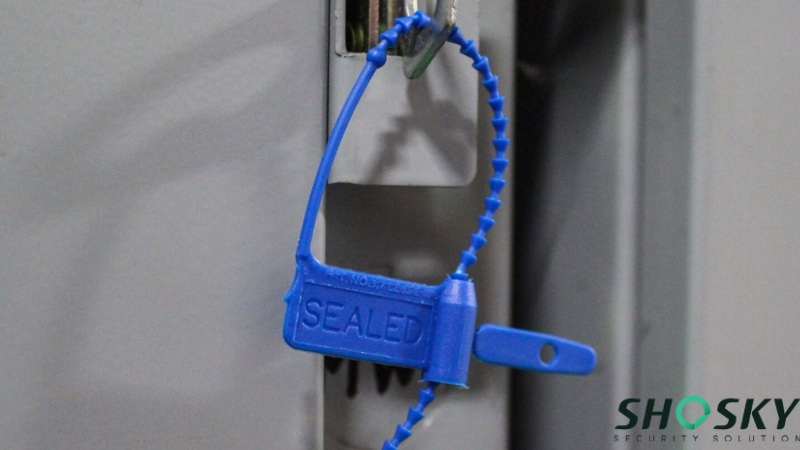
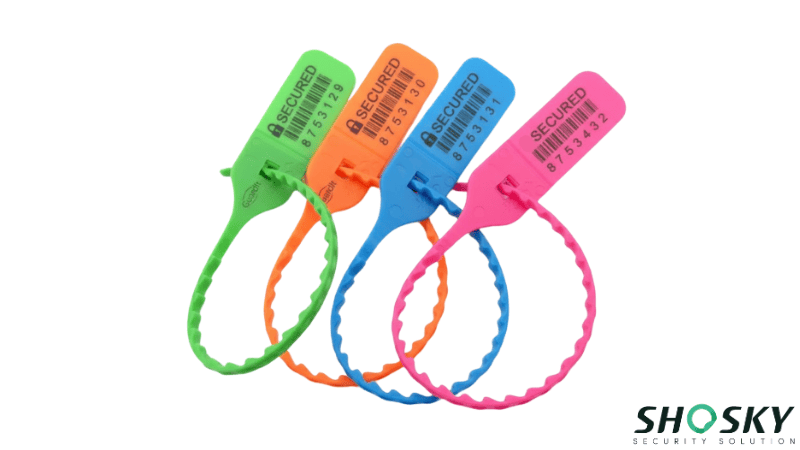
Plastic seals are often the first choice for companies managing large volumes of goods. These are indicative seals. They don’t physically stop theft. Their main role is to show clear signs of tampering. If someone opens a trailer, the seal breaks. That alone creates accountability and drastically deters internal pilferage.
These security seals come in different forms, including fixed-length and pull-tight cable-like designs. Also, plastic seals also come in a wide variety of colors. Blue, red, white, green, and orange options help with quick visual checks. Some companies assign color codes based on routes or cargo type, or to visually distinguish empty trailers from loaded ones.
Key Features
- Easy to use by hand, pull-tight, or fixed-length designs that can be applied in seconds.
- Sequential numbering for quick logging and record keeping.
- Highly affordable, making them ideal for large lists of shipments and frequent use.
Best Use Cases
- Short-haul domestic routes.
- LTL (Less Than Truckload) shipments, where cargo changes hands often.
- Securing empty trailers during repositioning at yards or terminals.
- Food or retail distribution where quick access is needed.
Plastic seals still play a role in overall security. A study from NLM noted that visible tamper evidence alone reduces internal theft cases. That means even a basic seal has value when used correctly. Still, they are not designed for high security. If cargo value increases, moving to stronger security seals becomes necessary.
Bolt Seals: Heavy-Duty Barrier Protection
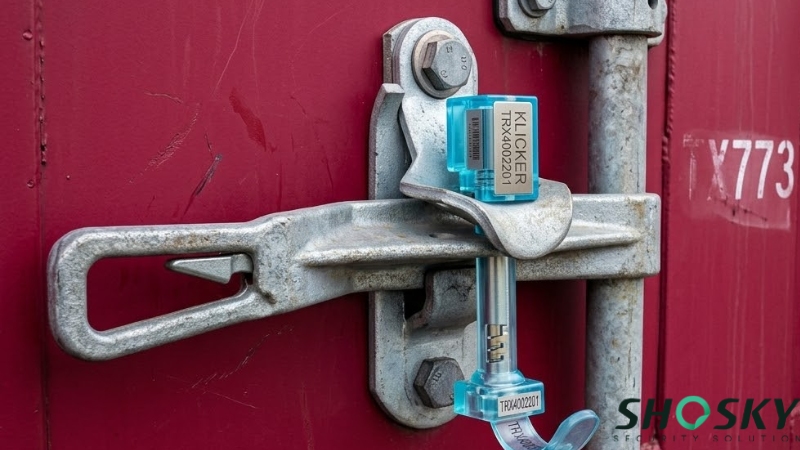
A bolt seal is built for strength. They are tamper-proof seals. Means they act as a barrier, not just an indicator. These security seals use a metal pin and a locking barrel. Once locked, they cannot be removed without heavy tools. This physical barrier helps prevent theft and unauthorized access.
A bolt seal is designed for a fixed locking point. The pin passes through aligned holes, then locks into the barrel. That means the trailer hardware must line up properly.
Key Features
- Constructed from hardened metal with a strong pin and barrel system for reliable locking.
- Meets ISO 17712 standards and is C-TPAT security compliant, earning the “H” (High Security) classification.
- Laser-engraved matching serial numbers on both the pin and barrel help prevent part-swapping, adding an extra layer of protection. High-quality bolt seals also feature an anti-spin mechanism to prevent friction attacks.
Best Use Cases
- Cross-border shipping where strict C-TPAT standards apply.
- High-value cargo like electronics, pharmaceuticals, and premium goods.
- Long-haul routes where trailers may sit unattended at truck stops or yards overnight.
A report from the World Customs Organization found that shipments using high security seals faced fewer inspection delays. This matters for companies trying to keep delivery schedules on track. There are some limits, however. Bolt seals lack flexibility. If the door latches don’t align, the seal won’t fit. In older trucks or damaged trailers, this becomes a problem.
Cable Seals: High Security Flexible Anti-Theft Solutions
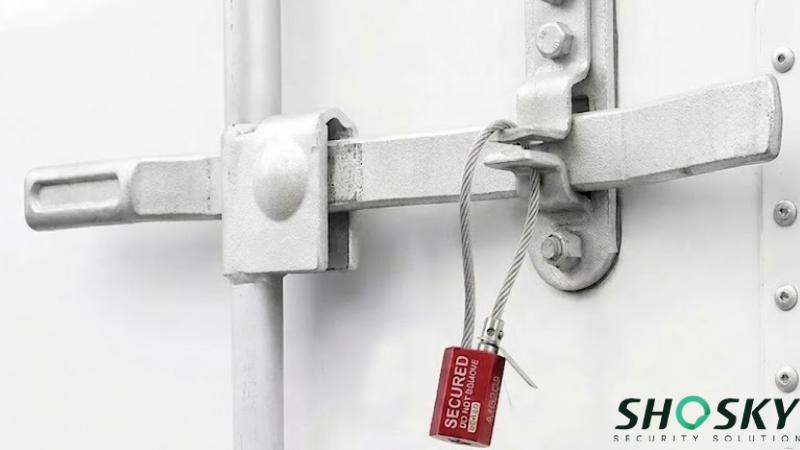
Cable seals combine strength with flexibility. They act as a middle ground between plastic and bolt options.
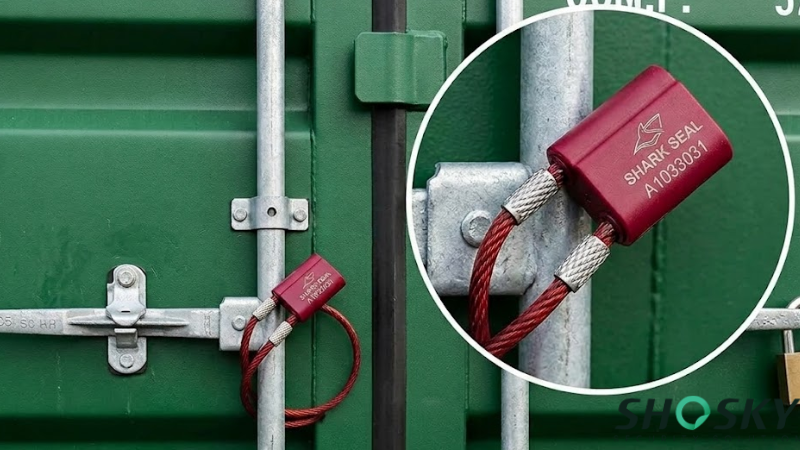
Unlike a bolt seal, a cable seal is a one-piece system. It uses a metal cable that pulls tight into a locking body. This design adapts to different shapes and distances. They offer a strong level of security without the fit limitations that come with a rigid bolt system.
Key Features
- Adjustable locking length.
- Available in a variety of thicknesses, from about 1.5mm up to 5mm.
- Fray-on-cut design for added security. If a cable seal is cut, the braided metal frays and cannot be re-threaded or glued back together.
Best Use Cases
- Older trailers with warped or misaligned door latches.
- Roll-up doors or tanker valves where pin-based locks won’t fit.
- Fleets that need high security seals but also want flexibility in applications.
What makes cable seals appealing is that they are C TPAT-compliant seals, while also being able to adapt to challenging hardware. Many carriers use cable seals as their primary barrier on mixed fleets where trailers vary in age and design. Cable seals offer a practical solution. They meet security needs while adapting to real-world conditions.
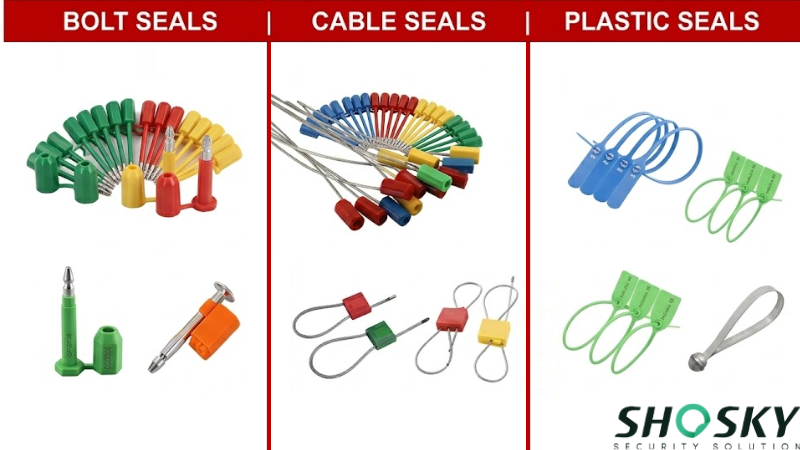
Here is a side-by-side view to help fleet managers understand the strengths and limitations of each seal type:
| Feature | Plastic Seals | Bolt Seal | Cable Seals |
|---|---|---|---|
| Security Level | Entry indicator | High barrier | Strong & flexible |
| Ease of Application | Very easy, hand use | Requires alignment, firm push | Easy, flexible fit |
| ISO 17712 / C Tpat | No | Yes (High Security) | Yes (High Security on certified options) |
| Best for | Quick access & LTL | Heavy-duty haul & compliance | Misaligned latches, tanks, and odd closures |
| Cost | Low | Higher | Mid-range |
| Tamper Evidence | Clear | Very strong | Very strong with fray-on-cut |
| Material | Plastic | Metal/steel | Braided metal/steel cable |
This comparison makes it easier to match the right seal with the job. Plastic seals work well for speed and low-risk loads, while a bolt seal fits situations that demand strict compliance and maximum security. Cable seals fill the gap where flexibility is needed without giving up strength, making them a practical choice for mixed or irregular cargo setups.
How to Choose the Right Trailer Seal?
Selecting the correct seals comes down to a few practical checks. A clear process helps avoid delays, rejected cargo, or weak security. Good seal selection also keeps operations smooth and reduces extra costs.
Step 1: Assess Cargo Value
Start with the value of the goods inside the trailer.
Low-value shipments usually work fine with plastic seals. They provide visible tamper evidence and are easy to manage in large volumes. Many companies keep these in stock for routine deliveries and short routes.
High-value cargo needs stronger security seals. This includes electronics, pharmaceuticals, or sensitive goods. In these cases, a bolt seal or cable seal offers better protection against theft. Both types create a physical barrier, not just an indication.
Think about risk as well. If the cargo moves through multiple stops or stays in storage for longer periods, upgrading to high security seals makes sense even if the goods are not extremely valuable.
Step 2: Check Door Hardware
Next, take a close look at the trailer door and locking points.
A bolt seal works best when the holes line up properly. The pin and barrel system needs a fixed position. Most standard shipping containers and newer trucks support this without issues.
If the trailer has worn parts, bent latches, or uneven gaps, a bolt seal may not fit. In this case, cable seals are the better option. The flexible cable can pass through different angles and still lock securely.
Also, consider the receiving end. High-security seals require industrial bolt cutters or cable cutters to remove. If the destination warehouse lacks these tools, it will cause severe unloading delays.
Quick checks that help:
- Are the locking holes aligned and undamaged?
- Is there enough space for a bolt pin to pass through?
- Does the trailer need an adjustable length for sealing?
Step 3: Verify Customs Rules

For cross-border cargo, compliance is not optional. It directly affects the integrity of your shipment and how smoothly it moves through checkpoints.
Most international shipments require ISO 17712 certified seals. This standard confirms that the seal meets high security requirements. Many programs also require security CTPAT seals, which follow strict rules due to the sensitive nature of global trade.
A bolt seal is often the default choice for this sort of route. Some cable seals also meet these standards, though not all do. Always confirm the seal is compliant before use to avoid problems later.
Using the wrong seal can lead to:
- Cargo inspection delays
- Rejection at checkpoints
- Extra handling costs
Understanding these risks highlights the real benefits of choosing the right seal from the start.
Seal selection should always match both security needs and real-world conditions. A mix of plastic, bolt, and cable seals often works best for fleets handling different types of cargo.
FAQs
Q1: What is the main difference between bolt and cable seals?
A bolt seal is rigid and fits fixed locking points. Cable seals adjust to different lengths and shapes. Both can reach high security classification under ISO standards.
Q2: Are plastic seals useful for security?
Yes, but for indication only. They show tampering but don’t stop it. They work best for low-risk shipments.
Q3: Do all cable seals meet C TPAT standards?
No. Only specific high-security cable seals (typically with a diameter of 3.5mm or larger) meet the required standard. Always check if the seal is compliant before use.
Q4: What does ISO 17712 high-security certification mean for trailer seals?
It means the seal has passed strict physical testing by an independent lab for tensile, shear, bending, and impact strength. Seals that pass these tests earn the “H” (High Security) rating, which is mandatory for international cross-border shipping.
Q5: Can a tampered bolt or cable seal be glued back together?
No. High-quality bolt seals feature anti-spin locking mechanisms, and cable seals use a “fray-on-cut” design. Once they are cut, the metal frays or locks permanently, making it physically impossible to reassemble them without obvious signs of tampering.
Conclusion
Equipping your trucks and trailers with the right security seals helps reduce theft, limit tampering, and stay compliant. Plastic seals work for low-risk loads, bolt seals handle high-security needs, and cable seals add flexibility where doors don’t align. As supply chains grow more complex in 2026, smart seal selection matters. The mix of high security tamper-evident seals you carry will directly affect your fleet’s safety, customs clearance performance, and peace of mind.
Upgrade Your Trailer Security with Shosky’s Factory-Direct Seals
Shosky Security offers a full range of security seals built for modern cargo challenges. From plastic to cable seals and bolt options, you can find the right fit for every load. Contact us to order reliable security seals in bulk and keep your operations moving without risk.