

You picked up a bottle, a box, or a package, and something about the seal looks wrong. Maybe it’s cracked, maybe the “VOID” text has already appeared, maybe the shrink band around the cap has a gap it shouldn’t have. Before you decide whether to use the product, return it, or throw it away, it helps to understand two things: why that seal exists in the first place and what your next step should be based on the type of product you’re holding.
This guide isn’t going to tell you every broken tamper seal means danger. Most of the time, packaging gets scuffed in shipping, and the “damage” is cosmetic. But a broken tamper seal is a signal you should never simply ignore, and the right response is different for a bottle of ibuprofen than it is for a bag of chips or a sealed phone box.
The Decision Path: What to Check When You Find a Broken Tamper Seal
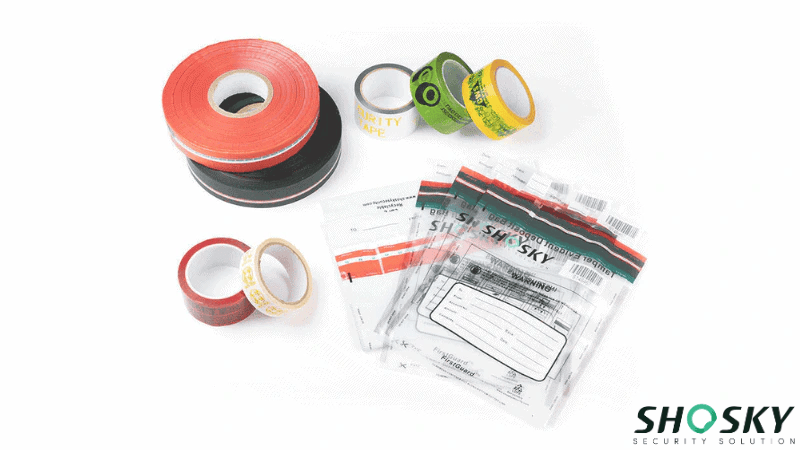
Regardless of exactly what the physical product officially is, consumers and retail quality control teams absolutely must systematically work through these exact technical questions directly before deciding exactly what to officially do next.
Always aggressively execute these exact visual auditing steps perfectly prior to consumption or return:
- Is the damage consistent with normal handling, or does it look deliberate? A slightly torn shrink band from a box getting jostled in transit looks different from a cleanly cut seal or a foil that’s been peeled and pressed back down.
- Does the product look, smell, or feel different from what you’d expect? Unusual odor, discoloration, a broken safety button on a jar lid, powder residue, or a change in texture are all signs to stop immediately, regardless of the seal.
- Do you still have the receipt, order confirmation, or original packaging? You’ll need this to return or report the item, so don’t discard anything yet.
- Was this purchased in person, or delivered? That changes who you contact first: the store or the retailer and carrier.
If anything in steps one or two looks wrong, stop here and do not use, taste, or apply the product. The right next step depends on the product category, which the next section walks through.
Want to Know More About Security Packaging Knowledge?
Start With A Low Minimum Order Quantity
What to Do If the Tamper Seal Is Broken by Product Type
The general decision path above tells you whether to stop and look closer. What happens after that, whether you can safely proceed, who you contact, and what evidence to keep, changes a lot depending on what’s actually in the package. A broken seal on a bottle of cough syrup carries a different level of urgency than one on a phone box, so the four categories below each get their own checklist.
Medicine and Pharmaceuticals
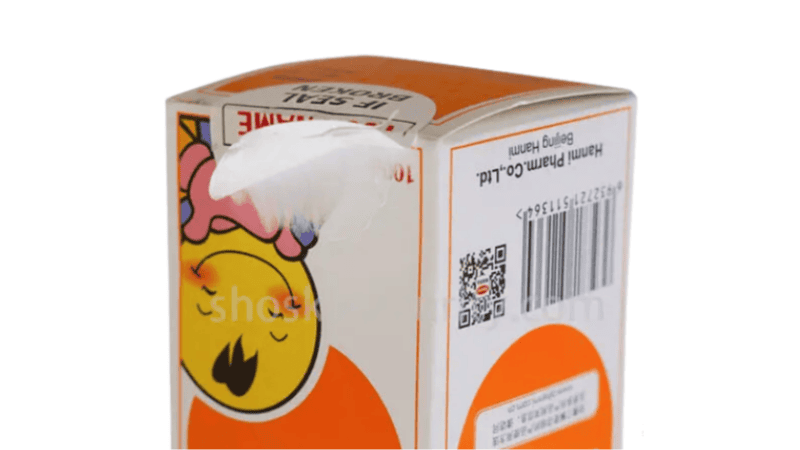
Do not take the medication. This is the one category where the guidance is unambiguous. If an OTC drug‘s tamper-evident feature, the one required under 21 CFR 211.132, is broken, missing, or doesn’t match what the label describes, treat the product as compromised regardless of how it looks or smells.
- Do not take the medication or apply it, even if it looks and smells normal.
- Do not transfer the pills or liquid into a different container.
- Contact the pharmacy where you purchased it, or the retailer if bought elsewhere, and describe exactly what you found.
- If it’s a prescription medication, contact the dispensing pharmacy directly; they can verify against the original dispensing record.
- Keep the product and its packaging in case the pharmacy or manufacturer needs to inspect it.
- If you suspect deliberate tampering rather than a shipping or manufacturing defect, report it to the FDA through MedWatch, the FDA’s safety reporting portal.
Food and Beverages
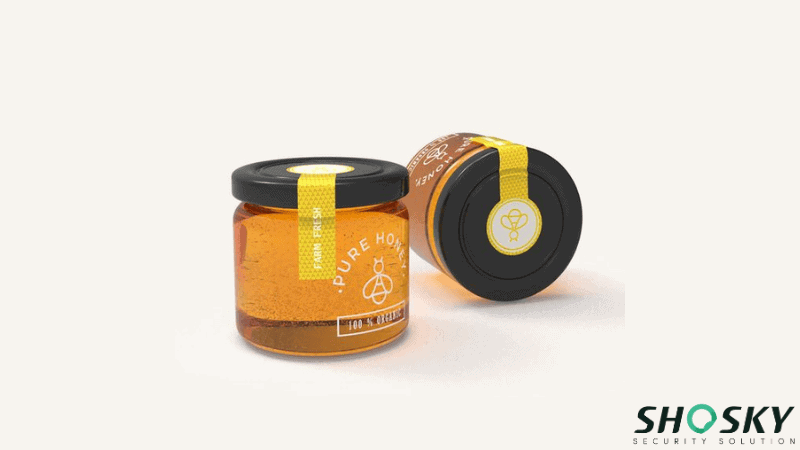
Trust your senses, but don’t rely on them alone. Unlike medicine, some food packaging damage is genuinely just cosmetic, a dented can lid or a slightly loose bag seal from warehouse handling. But certain signs mean don’t eat it, full stop.
- Do not consume if you see: a bulging or leaking can, a broken vacuum seal on a jar (no “pop” or resistance when opened), unusual odor, mold, discoloration, or a puncture in the packaging.
- If the packaging looks intact but the seal mechanism (a foil disc, a shrink band, or a tear strip) is missing or doesn’t match other units of the same product, don’t consume it; contact the retailer.
- For a bottled beverage or liquor, industry guides on broken liquor bottle seals note that damage doesn’t automatically mean the product is unsafe, but you should photograph the packaging, keep it until the issue is resolved, and never try to “repair” a tamper-evident seal yourself with tape or glue, as that only destroys the evidence a retailer needs to investigate.
- Contact the retailer where you bought it first. Specifically for packaged food, USDA’s Food Safety and Inspection Service maintains a consumer hotline for reporting suspected food safety issues when the retailer isn’t responsive.
- Keep the receipt and, if possible, the lot or batch number printed on the packaging; retailers and manufacturers need this to check whether other units are affected.
Cosmetics and Personal Care
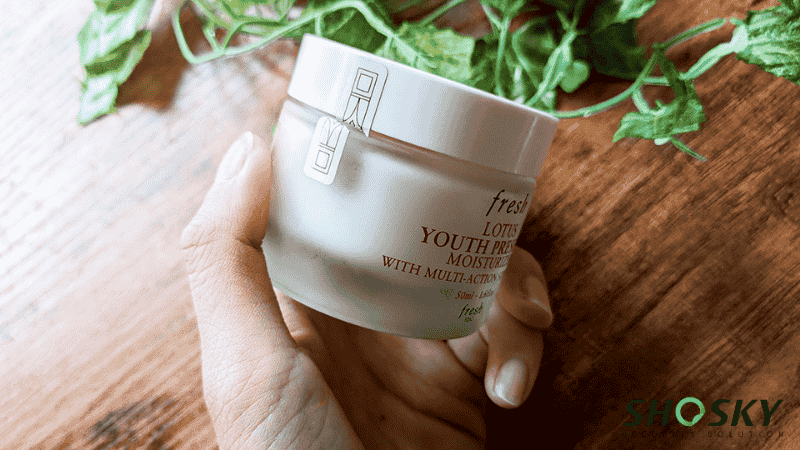
Check the batch code before you decide anything. Cosmetics don’t carry the same federal tamper-evident packaging mandate that OTC drugs do, but most reputable brands voluntarily use similar features (shrink bands, induction seals, safety buttons) because product safety liability applies here too.
- If a jar’s induction seal (the foil layer under the cap) is missing or already broken on a “new” product, don’t use it until you’ve contacted the brand.
- Check for consistency: does the batch or lot code on the box match the one on the product itself? A mismatch is a red flag for repackaging or counterfeiting, not just shipping damage.
- If you bought through a third-party marketplace or an unauthorized reseller rather than the brand directly or an authorized retailer, treat any seal irregularity more seriously; gray-market and counterfeit cosmetics are a real and well-documented problem, as covered in guides on how to spot tampered packaging in other regulated consumer categories.
- Contact the brand’s customer service directly with photos of the seal and the batch code. Legitimate brands take this seriously because it’s a liability issue for them too.
Electronics and High-Value Goods
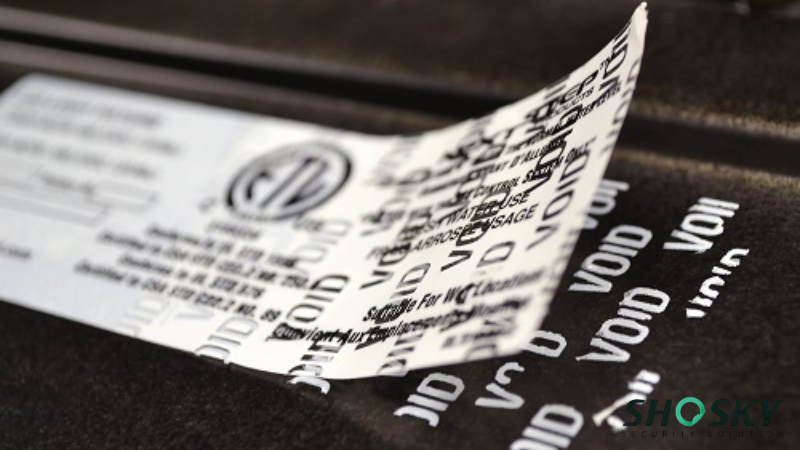
This is usually about warranty and authenticity, not personal safety, but it still matters. A broken tamper-evident seal or hologram sticker on an electronics purchase is most often a signal about return eligibility or product authenticity rather than a health risk.
- Check the product’s serial number against the serial number on the box. A mismatch is a serious red flag; it can indicate the box and contents were swapped.
- Photograph the seal, the box, and the serial numbers before you do anything else.
- If purchased new and the seal is broken, contact the retailer immediately; most return and warranty policies require the product to arrive with tamper seals intact to be treated as “new” or “unopened.”
- If the manufacturer’s own warranty seal (often on the device itself, not just the box) is broken, check the manufacturer’s specific policy; some warranty terms do exclude coverage if you break the seal, but a growing number of manufacturers have walked this back for consumer electronics in response to right-to-repair rules, so don’t assume the warranty is automatically void.
- Contact the manufacturer directly to verify serial numbers if you suspect the product isn’t genuine; this is common enough with electronics bought through marketplaces that most major brands have an authentication process for exactly this situation.
Many incredibly strict corporate warranty terms officially exclude total financial coverage exactly if you purposely violently break the physical security seal, although progressive Right to Repair federal rules actively challenge this exact corporate practice.
Quick Reference: Is It Safe to Use If the Tamper Seal Is Broken?
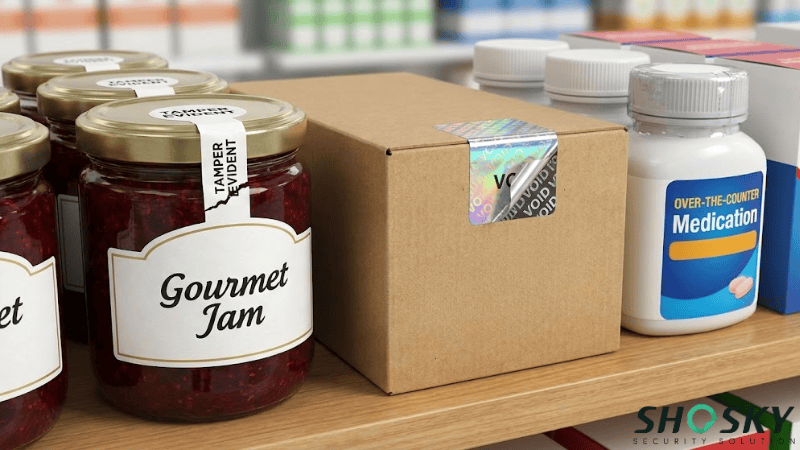
A highly condensed table cannot possibly perfectly cover absolutely every single highly complex physical situation, but it aggressively acts strictly as a highly useful rapid operational gut check specifically exactly when you absolutely need one incredibly fast. Procurement teams and end consumers must explicitly utilize this exact matrix to completely determine strict liability.
If your highly specific physical case absolutely does not map completely cleanly directly to a specific exact row totally below, always aggressively default explicitly to the absolute highly cautious strategic option:
| Situation | Safe to Proceed? | What to Do Instead |
|---|---|---|
| Cosmetic shipping scuff, batch codes match, seal otherwise intact | Generally yes | Keep packaging in case of future issue |
| OTC medicine with broken or missing tamper-evident feature | No | Contact pharmacy/retailer, do not take |
| Food with broken vacuum seal, odor, or discoloration | No | Contact retailer, do not consume |
| Electronics with mismatched serial numbers | No | Contact retailer before use, do not register warranty |
| Cosmetic with broken induction seal but matching batch code, from authorized retailer | Use caution, contact brand first | Photograph and hold onto packaging |
| Any product where the seal looks deliberately cut rather than shipping-damaged | No | Do not use, document, contact seller |
Strictly adhering to this exact, highly condensed forensic matrix ensures that everyday consumers remain entirely biologically safe while enterprise corporate brands remain fully protected against massive fraudulent return claims.
FAQs
Q1: Does a violently broken tamper-evident seal absolutely always mathematically mean the physical product was deliberately tampered with?
Absolutely not. Routine rough logistics shipping and heavy warehouse handling damage is infinitely more common than highly deliberate malicious tampering. However, you physically cannot definitively tell the exact difference visually, which strictly mandates stopping to physically inspect the specific chemical adhesive failure.
Q2: Can I still legally return a high-value product if I already broke the security seal myself?
Corporate retailer RMA policies vary widely. Massive enterprise retailers explicitly distinguish between a polymer seal completely broken through highly normal, careful physical opening and one that previously arrived already compromised. Always provide incredibly clear, high-resolution, timestamped photographs to perfectly support your exact RMA claim.
Q3: Is a chemical tamper-evident security seal exactly the same physical thing as a child-resistant mechanical cap?
Absolutely no. A strict tamper-evident seal precisely and flawlessly shows exactly whether the package was illegally opened after sterile manufacturing. A child-resistant heavy cap explicitly represents a highly complex mechanical design, specifically meant to be incredibly mathematically difficult for young children to violently open.
Q4: Exactly who do I legally contact if I strongly suspect a sensitive product was deliberately and chemically tampered with?
Always start by contacting the official local retailer or certified pharmacy where you legally bought it. For strictly heavily regulated over-the-counter pharmaceutical drugs specifically, the strict federal FDA MedWatch safety program actively and legally accepts highly detailed direct consumer incident reports regarding suspected extreme physical tampering.
Verify Before You Use Anything With a Broken Seal
A broken tamper seal is a “stop and check” signal, not an automatic “throw it away” signal, but it’s also not something to wave off. Medicine has zero margin for guessing; if the seal’s compromised, don’t take it. Food and cosmetics call for checking the specific signs above rather than reacting to the seal alone.
Electronics are usually about protecting your return rights and product authenticity rather than personal safety. In every case, the same three actions apply: stop before you use it, document what you found, and contact the right party- pharmacy, retailer, or manufacturer- before deciding your next step.
Contact the technical engineering experts strictly at Shosky Security immediately today, completely and expertly, to definitively and perfectly secure a massive, highly free material sample testing kit, and specifically and heavily to ensure total, absolute FDA compliance.