
Processing payroll involves handling confidential payroll data, distributing wages, and ensuring compliance with tax laws. However, without a proper payroll system in place—businesses may risk payroll errors, delayed payments, and compliance violations.
That’s why they must use reliable, tamper-evident payroll solutions like Payroll Bag to organize and manage payroll effectively. These bags help businesses prevent theft, loss, and tampering, making them an essential tool for payroll organization. Here is a step-by-step guide on how to organize payroll with payroll bags. Let’s get to it!
What Are Payroll Bags
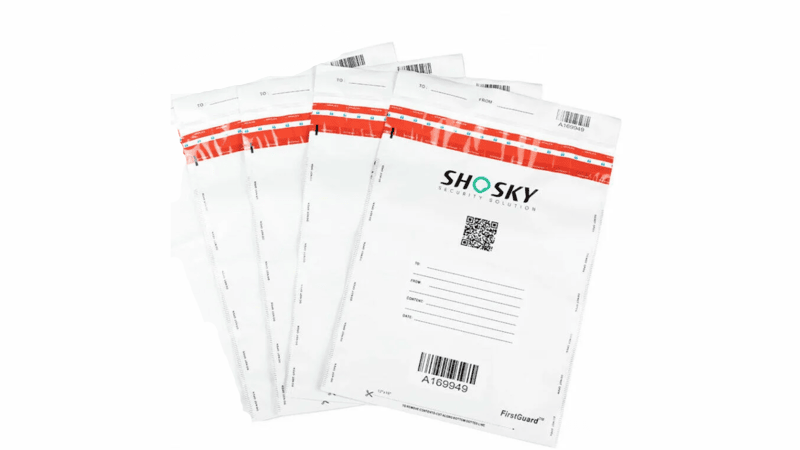
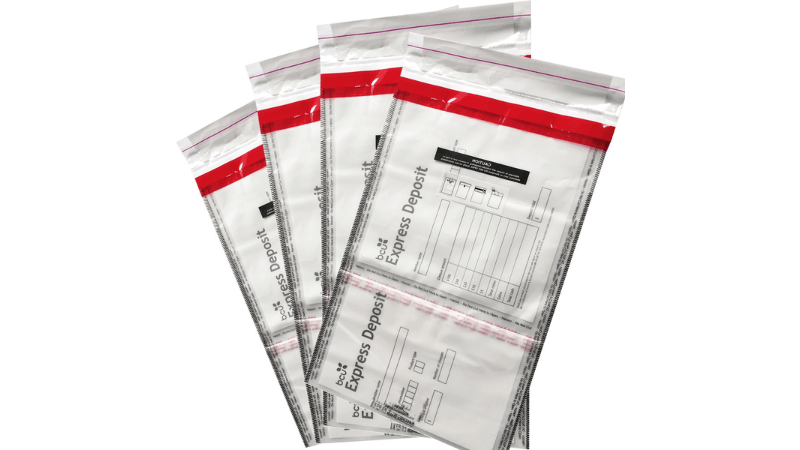
Payroll bags are secure containers specifically designed for transporting and storing sensitive payroll documents and payments. These bags are equipped with several features to enhance security and improve efficiency. The common features of payroll bags include:
- Tamper-evident seals: Provide immediate evidence of any unauthorized access.
- Security closures, Such as zippers or locking mechanisms, are designed to prevent tampering.
- Barcodes or RFID tags: Allow for easy tracking and inventory management.
- Unique serial numbers or identifiers: Enhance accountability and tracking.
- Compartmentalization: Organizes payroll items efficiently for better sorting and distribution.
By offering these features, payroll bags ensure both security and organization, making them an essential part of payroll management. Businesses or payroll service providers can choose from different types of payroll bags, including plastic payroll bags, tamper-evident payroll bags, and custom payroll bags, based on their unique security and organizational requirements.
Why Use Payroll Bags for Payroll Organization
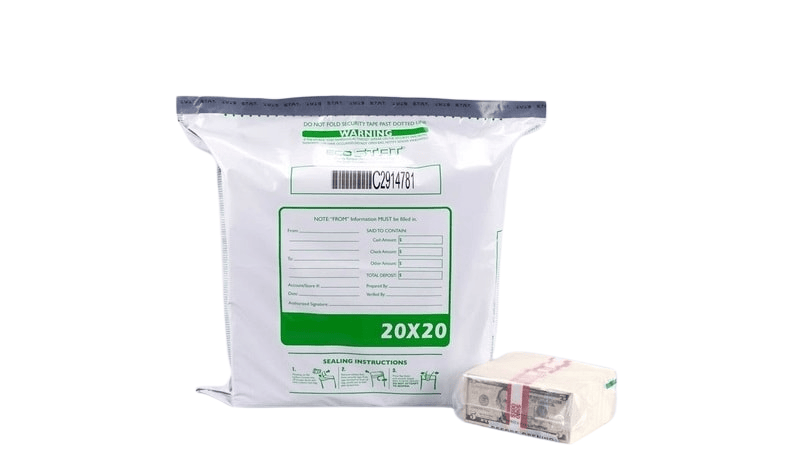
Using payroll bags is a smart strategy for businesses that want to improve security in payroll management. Payroll bags ensure that sensitive payroll data, including payroll records, employee wages, and tax documents, remain protected from theft or unauthorized access.
Beyond security, payroll bags improve the efficiency of the payroll process by keeping all payroll-related documents, tax forms, and checks in one place. This reduces administrative errors and makes it easier for the payroll department to keep track of employee wages and payments.
Another significant benefit of using payroll bags is compliance with laws. Companies must comply with certain laws, such as tax law and labor law. And when companies use payroll bags, they can guarantee a streamlined, secure payroll process that complies with legal standards!
How to Set Up a Payroll System Using Payroll Bag
Step 1: Assess Your Payroll Needs
Before setting up your payroll system, evaluate the size and scope of your business to determine the type of payroll bags you’ll need. Consider the number of employees and how often you run payroll. If you have a large workforce, you may require larger, bulkier bags to hold all payroll-related documents and payments.
The types of payments your business uses will also affect your decision. For example, if your business distributes checks or cash regularly, you may need tamper-evident bags with specific compartments or reinforced materials to hold these securely. Finally, determine the frequency of your payroll runs; weekly, bi-weekly, or monthly pay periods may dictate the number of payroll bags required for smooth operations.
Step 2: Choose the Right Payroll Bags
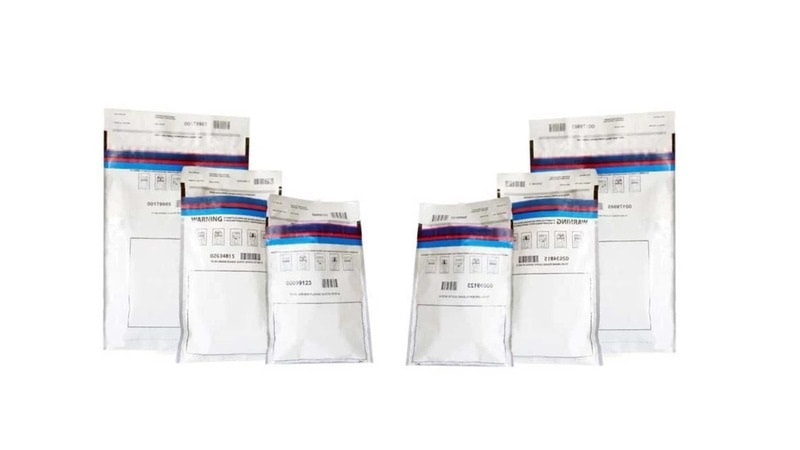
Once you’ve assessed your needs, it’s time to choose the right payroll bags.
- Tamper-Evident Payroll Bags: These bags are essential for securing confidential payroll information. They feature security seals that show evidence of any unauthorized access, making them ideal for businesses or payroll service providers that handle sensitive data.
- Custom Payroll Bags: These bags offer branding options, allowing your business to personalize them with logos, barcodes, or other security features. Custom bags enhance professionalism and ensure compliance with branding and organizational standards.
- Standard Payroll Bags: If you’re looking for a cost-effective solution, standard payroll bags can still effectively organize your payroll documents. These simpler bags are a great choice for small business owners or those with lower security needs.
The choice depends on your business’s size, security requirements, budget, and desired level of professionalism. Consider the risks involved in handling sensitive payroll data management and choose the bag accordingly.
Step 3: Organize Payroll Items for Distribution

To ensure smooth payroll distribution, start by categorizing and organizing all payroll items. This involves sorting paychecks, tax documents, and bonuses into separate groups. Organizing these items beforehand reduces the chance of errors when it’s time to distribute them.
When dealing with cash and checks, payroll bags become essential for ensuring safe handling. Use separate bags for different types of payments, keeping checks in one bag and cash in another, if necessary. This will make distribution easier and more organized.
Be sure to label each payroll bag clearly with a security label, indicating which employee or payment type it corresponds to, such as salary, bonus, or commission. This step ensures no mix-ups during distribution.
Step 4: Prepare Payroll Bags for Distribution
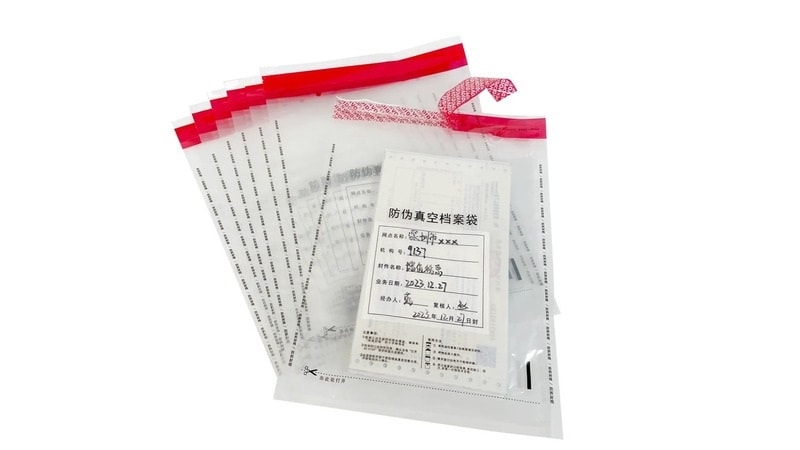
Once payroll items are organized, it’s time to prepare payroll bags for secure distribution. Start by sealing each bag properly with tamper-evident seals or security tape to ensure that the contents remain secure throughout the process. These security features also help protect against any unauthorized access during transportation.
Next, tag and label each bag with employee details, such as name and payment type, and specify the amount inside the bag for accurate payroll records. Tracking distribution is essential for maintaining control of the process. Using tracking sheets or payroll software allows you to monitor which bags have been distributed, ensuring that each employee receives their payment on time.
Below is a table to help streamline the labeling and tracking process:
| Bag Number | Employee Name | Payment Type | Amount | Sealed (Yes/No) | Distributed (Yes/No) | Notes |
|---|---|---|---|---|---|---|
| 001 | John Smith | Check | $1,500 | Yes | Yes | N/A |
| 002 | Sarah Johnson | Cash | $1,200 | Yes | No | Awaiting Pickup |
| 003 | Mike Davis | Direct Deposit | N/A | N/A | Yes | Slip Included |
| 004 | Emma White | Cash | $1,800 | Yes | Yes | Paid in Full |
Step 5: Distribute Payroll
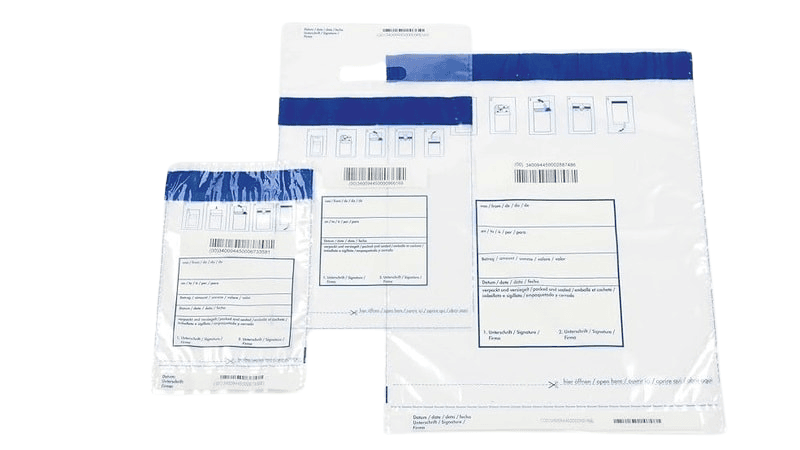
Now that payroll bags are sealed and labeled, it’s time to distribute them securely. If you’re distributing payroll in person, ensure the bags remain sealed until they reach the recipient. Have employees sign or acknowledge receipt of their pay to maintain proper documentation and keep payroll records accurate. This step is crucial for ensuring that the payroll process runs smoothly without any confusion or discrepancies.
For businesses or payroll service providers using mail distribution, it’s important to protect the integrity of the payroll bags during transit. Use security bag tape to secure each bag. This adds an extra layer of protection. Ensuring that each bag is securely sealed before mailing also minimizes the risk of payroll mistakes, which can lead to costly errors or delays in employee payments.
Whether distributed in person or via mail, payroll bags help streamline the process while keeping payments secure. For physical payments like checks and cash, these bags ensure a smooth distribution process, minimizing errors and ensuring employees are paid correctly and on time.
Step 6: Store Payroll Bags After Distribution
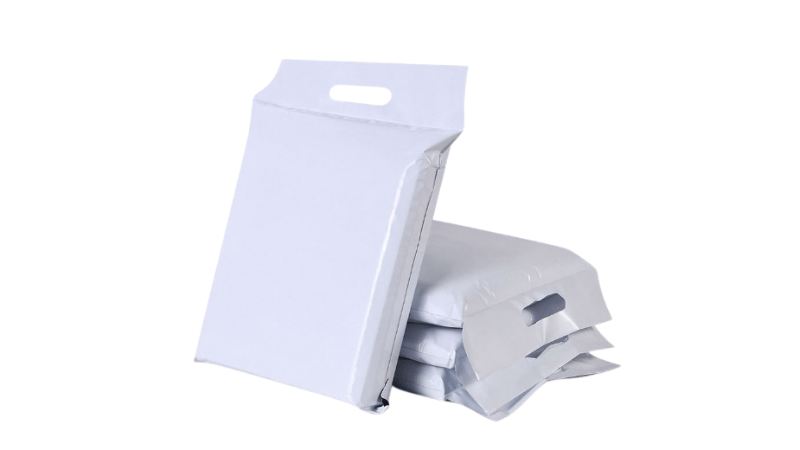
Once the payroll process is completed, it’s essential to securely store any remaining payroll bags to prevent loss, theft, or mishandling. Some payroll bags may contain unused checks, sensitive paperwork, or detailed payroll records that need to be retained for future reference or compliance purposes.
To protect these materials, businesses should establish strict security protocols and ensure that only authorized personnel have access to stored payroll documents. Proper storage not only helps maintain confidentiality but also ensures compliance with labor laws and company payroll policies.
The ideal storage solution should be a locked and controlled environment, such as a secure filing cabinet, a company safe, or a designated payroll storage room with restricted access. Using digital tracking systems to log when and by whom payroll materials are accessed adds another layer of security.
Step 7: Secure Disposal of Used Payroll Bags
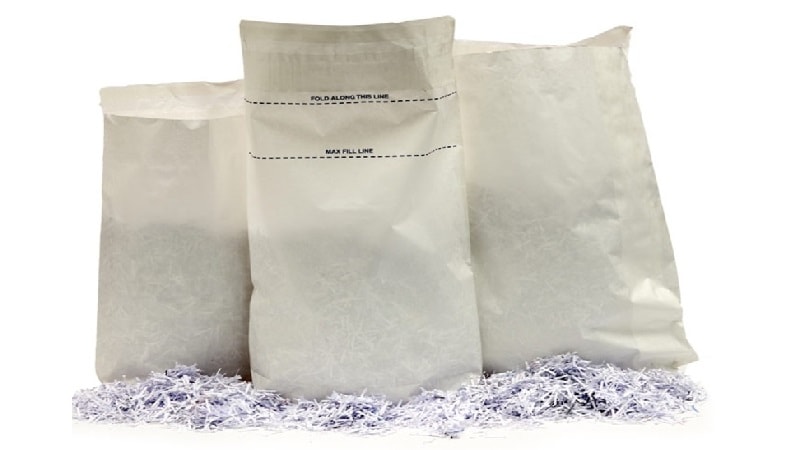
Proper disposal of payroll bags is crucial to maintaining security and preventing data leaks. Used payroll bags should never be discarded carelessly, as they may contain sensitive payroll information.
Tamper-evident payroll bags, in particular, should be destroyed after use to ensure confidential data remains protected. Here are the key disposal methods:
- Shredding – Destroys the bag completely, making it impossible to retrieve sensitive information.
- Incineration – Burns the bag, ensuring total elimination of payroll-related details.
- Recycling – Suitable for non-tamper-evident bags, provided all identifying details are removed.
By following these disposal practices, businesses can maintain payroll security while also adhering to environmental responsibility where possible.
Step 8: Regularly Review Payroll Bag Usage and Efficiency
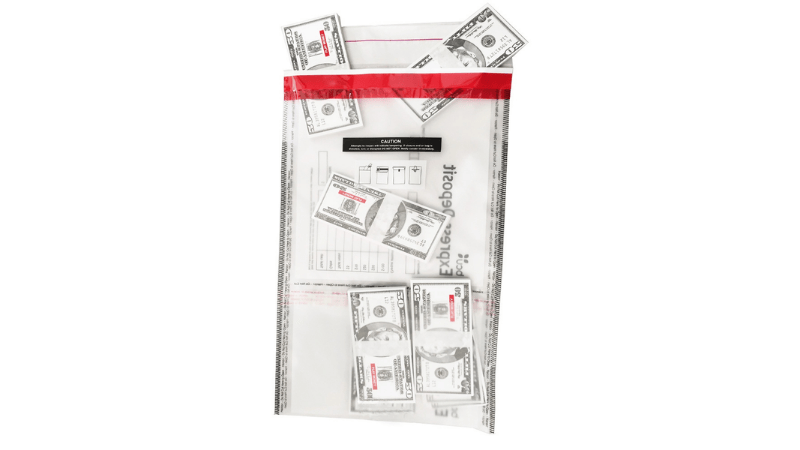
To maintain an effective payroll organization system, it’s essential to conduct regular audits of your payroll bag usage. This should be done on a periodic basis, such as quarterly or semi-annually, to ensure that the process is running smoothly and securely.
Regular audits help identify any recurring errors in bag labeling, tracking, or sealing, which can lead to inefficiencies and mistakes in the payroll distribution process.
As your business grows or changes, it’s crucial to update payroll practices to reflect these changes. For instance, if your company adds more employees or increases payroll complexity, your needs for payroll bags may change. It’s important to adjust the number and types of bags, such as transitioning to tamper-evident or custom payroll bags, to keep pace with the evolution of your business operations.
How to Handle Special Payroll Items with Payroll Bags
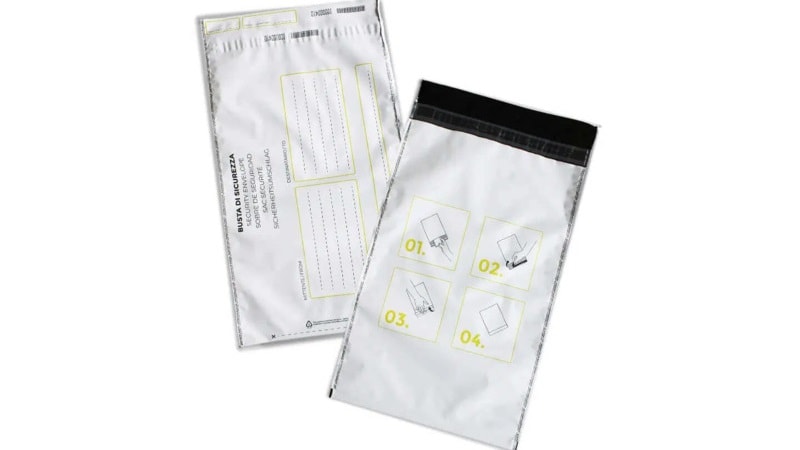
Handling special payroll items, such as bonuses, commissions, and one-time payments, requires extra care to ensure accuracy and security. Using dedicated payroll bags helps prevent errors and ensures employees receive the correct payments. Clearly labeling each bag with the recipient’s details, payment type, and amount helps streamline distribution and reduces confusion, especially in large payroll operations.
Customizing payroll bags for special payments enhances efficiency and minimizes the risk of mix-ups. Businesses can use different colors, barcodes, or personalized seals to distinguish these bags from regular payroll distributions. This extra level of organization makes it easier for payroll teams to track and verify payments, ensuring compliance with payroll policies and reducing administrative errors.
When handling payroll taxes and tax-related documents, businesses must implement strict security measures. Payroll bags with tamper-evident seals and security labels help protect confidential tax forms, employment tax records, and legal paperwork. Secure handling prevents unauthorized access, safeguarding sensitive financial data from potential fraud or compliance violations.
Proper storage is equally important for maintaining payroll security. Once special payroll items are distributed, you should store the remaining payroll bags in a locked and restricted-access location. Keeping detailed records of these payments ensures compliance with tax laws and simplifies audits. Regularly reviewing payroll records can help businesses avoid payroll mistakes and stay on top of their financial responsibilities.
How to Use Payroll Bags for Confidential Documents
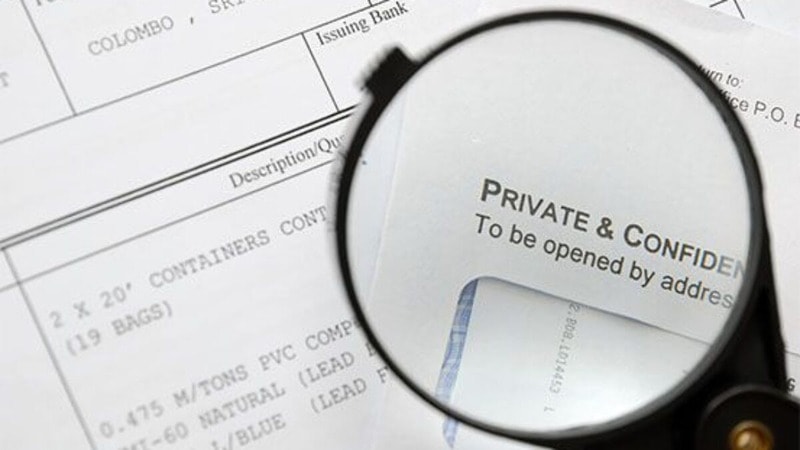
Payroll bags are essential for securely handling confidential payroll documents, such as tax forms, contracts, and legal paperwork. Using tamper-evident payroll bags ensures these documents remain protected during transport and storage. Proper sealing prevents unauthorized access and safeguards sensitive information from potential security breaches.
During payroll processing, critical documents such as salary details, tax identification numbers, and benefits paperwork must be handled with extreme caution. Payroll bags with multiple compartments or secure pouches allow for better organization while maintaining strict confidentiality. Keeping payroll documentation well-structured within the bag helps prevent payroll mistakes and makes it easier to access the necessary paperwork when needed.
Additionally, businesses can use color-coded bags or void labels to differentiate between various types of payroll documents, reducing confusion and improving workflow efficiency. To further enhance document security, businesses should implement tracking systems to monitor the movement of payroll records. Using barcoded payroll bags or digital logging systems allows payroll teams to track who accessed the documents and when.
This level of oversight minimizes the chances of misplaced or mishandled documents, ensuring all payroll paperwork is accounted for. Besides, businesses should have a designated process for verifying document security before and after transport, reinforcing overall data protection measures. Storing payroll bags in a secure location and restricting access to authorized personnel further reduces the risk of information exposure.
Best Practices for Using Payroll Bags
To ensure smooth payroll operations and maintain security, it’s important to follow some key best practices when using payroll bags. These steps will help your payroll team handle payroll efficiently and avoid errors during distribution.
- Label bags clearly: Differentiate between regular payroll and special payments like bonuses or commissions by using different colors or labels. This will prevent mix-ups and ensure payroll calculations are accurate. Clear labeling is an effective way to track each employee’s payment and minimize the risk of payroll mistakes.
- Track distributions: Maintain a detailed tracking sheet or digital record to monitor each payroll bag’s distribution. Using the right payroll software can simplify this process by allowing easy tracking and reducing human error.
- Verify employee details: Before handing out payroll bags, double-check the employee’s name and payment details. Verifying the information will ensure that no payments are misdirected, helping to maintain compliance with payroll policies.
- Secure packaging: Always seal payroll bags with tamper-evident seals, especially when handling large or sensitive payments. This extra layer of security is crucial for safeguarding against theft or unauthorized access, ensuring that payments are securely transported.
Following these best practices can improve the efficiency and security of your payroll distribution, helping your payroll team stay organized and compliant with company standards. Effective payroll training can also help teach employees how to properly handle payroll and comply with the Labor Standards Act, further reducing the risk of payroll mistakes and enhancing the overall payroll process.
FAQs
Can payroll bags be used for both cash and checks?
Yes, payroll bags are designed to securely store both cash and checks, preventing theft or mix-ups.
How do I organize payroll with payroll bags for large teams?
For large teams, consider using color-coded or labeled payroll bags to organize payments by department or group.
Can payroll bags be reused?
Depending on the material, payroll bags may be reusable, especially if they are not tamper-evident and are used for general organization.
Conclusion
An efficient payroll system keeps businesses running smoothly, and employees paid on time. Payroll bags add an extra layer of security, preventing loss, fraud, and compliance issues. Businesses that use tamper-evident payroll bags ensure that their payroll remains organized and secure from start to finish. Implementing this simple yet effective tool can save time, reduce stress, and improve payroll accuracy.
Organize Your Payroll with Shosky Security Bags!
At Shosky Security, we provide custom tamper-evident payroll bags designed for maximum security and efficiency. Our high-quality payroll bags help businesses prevent theft, loss, and payroll mishandling. So, don’t take risks with payroll security—contact us today and keep your payroll safe!