

Package security is a growing, multi-million dollar concern across global logistics, retail, and e-commerce. Shipments pass through dozens of hands and transit hubs before reaching their final destination. Each operational step creates a risk of interference. When a package is compromised, the result is missing inventory, ruined goods, and severe customer trust issues.
This technical guide covers the most common physical signs of tampered packages and how to prevent transit theft using industrial tamper-evident packaging solutions.
5 Signs of Tampered Packages During Cargo Theft
According to recent supply chain risk analysis, cargo theft reached record highs in 2024, with the average stolen shipment value surging past $200,000. Strategic theft and pilferage (where thieves skim high-value goods and meticulously reseal the packages) are driving hundreds of millions of dollars in losses. Many of these stolen goods cases go undetected across multiple handoffs because the external packaging appears completely intact.
Knowing exactly what to look for at each stage of the supply chain (during transportation, warehouse handling, and at the receiving dock) can significantly improve your brand protection. The five signs outlined below provide a practical framework for receiving teams to detect suspect packages early.
1. Broken, Missing, or Phantom Seals
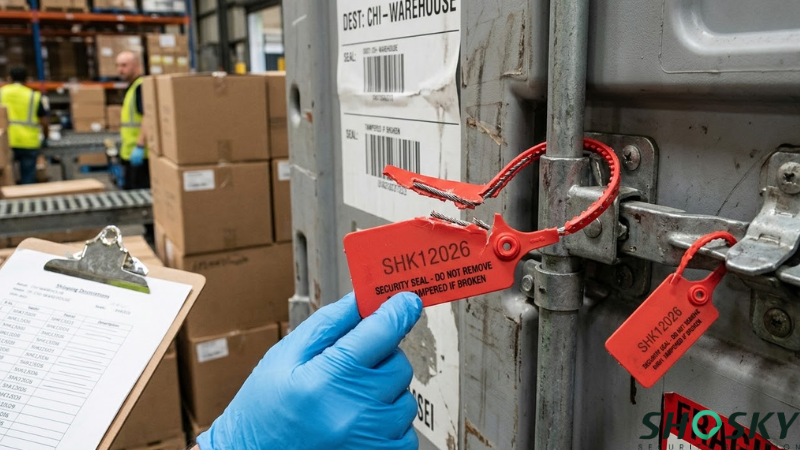
Security seals are the first line of defense against cargo thieves. However, “phantom seals” (counterfeit seals applied to replace the original after unauthorized access) are becoming an increasingly common tactic in organized pilferage and skimming operations. A missing or compromised seal always signals a critical break in the chain of custody.
Receiving teams must immediately check for the following red flags:
- Physical Damage: Seals that are cut, unnaturally loose, or replaced entirely.
- Documentation Mismatches: Seal serial numbers that do not perfectly match the shipping records or Bill of Lading (BOL).
- Material Inconsistencies: Signs of resealing with different tape materials or unbranded plastics.
- Triggered Void Messages: Hidden VOID patterns showing clear removal attempts on the container substrate.
Before signing off on any delivery, warehouse teams must visually verify seal numbers against the BOL, even when dealing with a highly trusted carrier. An intact seal with a mismatched number must be treated as compromised and quarantined immediately.
2. Damaged or Reapplied Packaging Tape
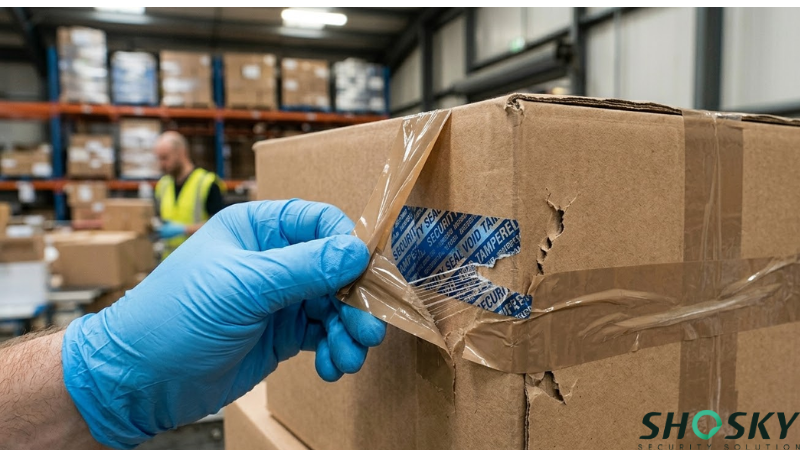
Large-scale pilferage incidents rose significantly in 2024, contributing to a 17% increase in the average value of pilferage thefts, and double-taping is one of the primary concealment methods used in these schemes. Tamper-evident packaging tape eliminates this ambiguity by leaving a permanent VOID pattern on the substrate when removed.
Inspect the carton seams closely for these anomalies:
- Uneven Application: Lifted, wrinkled, or uneven tape along the primary box seams.
- Layering: Multiple layers of clear or brown tape applied over the exact same box seam.
- Visual Mismatches: Mismatched tape widths, brands, or colors compared to your standard factory packaging.
- Destructive Marks: Torn cardboard fibers or chemical void marks on the carton surface.
Careful and efficient audits of tape can help prevent cargo theft before goods enter the warehouse. Comparing with the original packaging shows if tampering occurred during transit, at parking lots, or at truck stops.
3. Localized Package Deformations
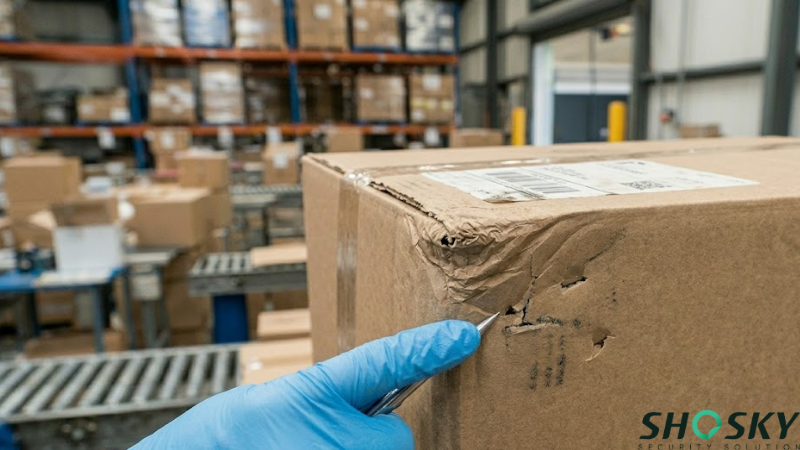
Not all cardboard damage comes from rough forklift handling. Specific physical deformation patterns point directly to intentional tampering. Transit damage is usually spread across pallet wraps, edges, and broad surfaces. Tampering tends to leave highly localized marks, specifically near openings or seams.
Train your dock workers to identify these localized physical marks:
- Crushed Corners: Deliberately crushed corners near the top flaps, allowing thieves to slip their hands inside the gap.
- Precision Cuts: Razor cuts or sharp punctures specifically near the taped seams.
- Structural Weakness: Loose or uneven corrugated flaps that do not align perfectly.
- Chemical Stains: Unusual liquid marks or chemical stains near closures indicate solvent attacks on the glue.
Supply chain security audits show that compromised shipments frequently exhibit this localized external damage before opening. A quick, targeted inspection of the box geometry can catch skimming operations early.
4. Weight or Content Discrepancies
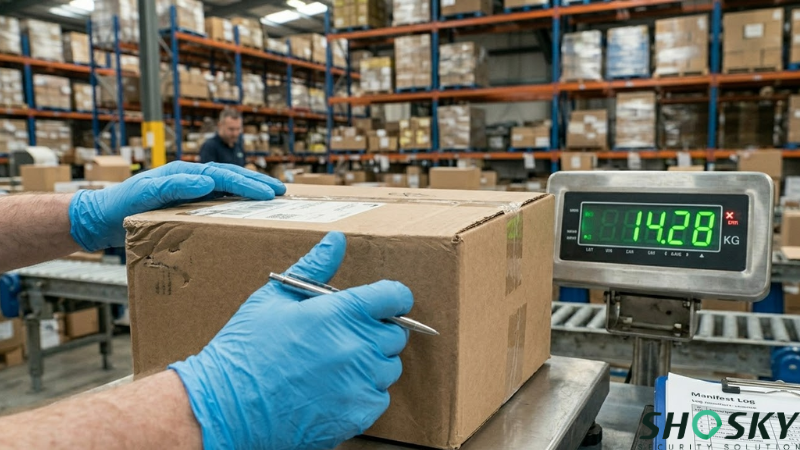
Weight variance is a definitive, undeniable indicator of tampering. A package that weighs less than the documented manifest has likely been accessed by cargo thieves before reaching its final location. According to supply chain risk analysts, high-value electronics and pharmaceuticals are the specific targets of these weight-based skimming schemes, where thieves often replace stolen goods with rocks or debris to match the original shipping weight.
Warehouse receiving protocols must include strict checks for:
- Scale Variance: Actual scale weight versus the documented shipping label weight.
- Internal Shifting: Internal movement or rattling that does not match the expected tightly packed contents.
- Pallet Inconsistencies: Weight differences between identical boxes within the exact same pallet shipment.
A documented weight check at the receiving dock creates a hard evidentiary record. This data supports freight claims, insurance payouts, and police reports. Without a weight discrepancy log, proving the loss occurred before the warehouse accepted the load is significantly harder.
5. Signs of Resealing or Label Changes
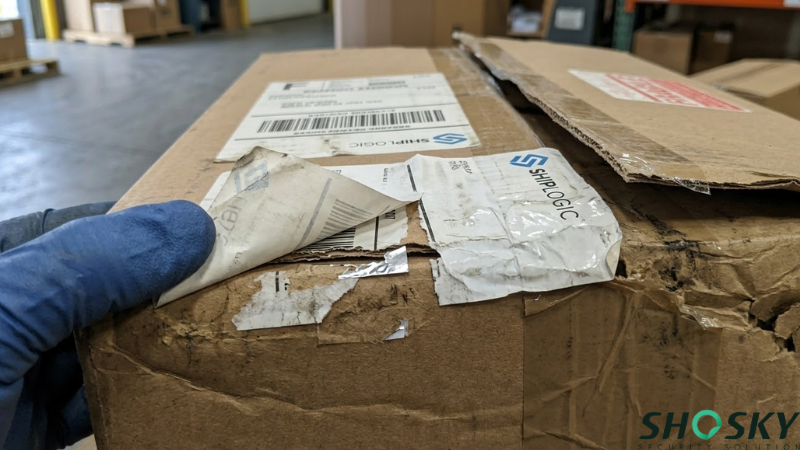
Label overlay is a sophisticated tactic used to conceal unauthorized access. Criminals will slice through a box seam, remove the goods, and place a massive shipping label directly over the cut to hide the damage. This tactic is often linked to strategic theft rings attempting to bypass quick visual inspection controls. However, rushed resealing often leaves visible forensic clues.
Examine all shipping labels and routing tags for these inconsistencies:
- Layered Stickers: New shipping labels suspiciously covering older labels or factory seals.
- Adhesive Residue: Sticky residue in unexpected places where a security seal should be.
- Misalignment: Misaligned, crooked, or partially removed routing stickers.
- Uneven Textures: Bubbling or uneven cardboard surfaces around the extreme edges of the label.
Recognizing these label vulnerabilities allows loss prevention teams to detect package tampering early. This protects expensive cargo, sensitive data, and the absolute integrity of the supply chain from organized thieves.
Stop Transit Theft with Our Tamper-Evident Packaging Solutions
Start With A Low Minimum Order Quantity
3 Steps to Take After Detecting Package Tampering
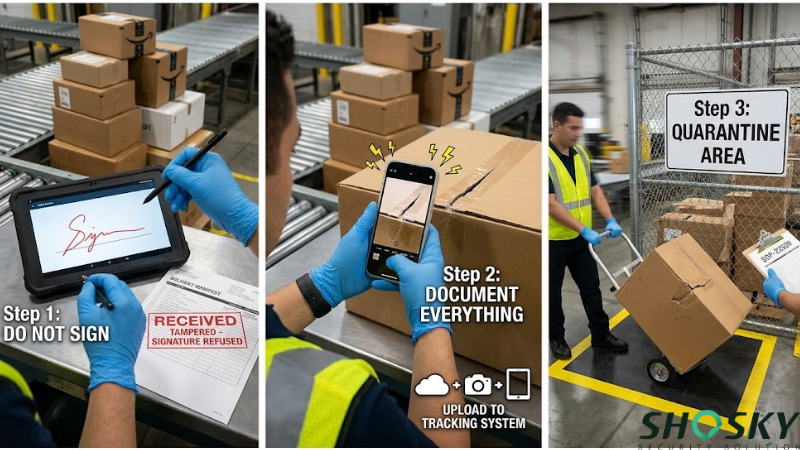
When a shipment shows signs of tampering, following a clear SOP helps protect your company, employees, and cargo. Use these steps at the receiving dock:
Step 1: Note Discrepancies on the BOL
Never refuse the entire load without documentation. You must sign the Bill of Lading (BOL), but you must add a highly specific written note, such as “Received Damaged, Subject to Count” or “Security Seal Broken”.
This formally records the issue at the exact time of delivery and legally places responsibility on the carrier for any missing inventory. This is the standard logistics practice for shifting carrier liability without creating a hostile delivery dispute.
Step 2: Document the Forensic Evidence
Take detailed, high-resolution photos of cut seams, warped cardboard, phantom seals, and any double taping. If the box is opened, photograph the missing electronics, altered labels, or damaged items inside the package. Upload these images immediately to your Warehouse Management System (WMS) to legally support insurance claims and police reports.
Step 3: Quarantine the Compromised Package
Move the tampered load immediately to a secure, camera-monitored quarantine cage to prevent further unauthorized access. This allows loss prevention officers to inspect the shipment safely and begin claims with shippers, freight brokers, or law enforcement while containing any potential risk to the rest of the clean inventory.
Following these steps helps combat cargo theft and ensures your team can respond quickly and safely. Staying aware of developments and trends in package tampering also helps companies adapt procedures, improve protection, and reduce vulnerabilities in the supply chain.
FAQs
Q1: Can standard clear packing tape be made tamper-proof?
No. Standard clear tape cannot deter or reveal tampering. Thieves easily slice it and reseal the box with an identical roll, leaving zero visual evidence. Only specialized solvent acrylic void tapes or numbered security seals provide undeniable proof of interference.
Q2: Does a crushed box corner always indicate cargo tampering?
No, but it requires inspection. While crushed corners often result from rough forklift handling, receiving teams must inspect the area closely for razor cuts, double taping, or damaged labels, which strongly indicate thieves deliberately crushed the corner to skim inventory.
Q3: Who is legally liable for a skimmed or tampered package?
Liability depends on documentation. If your receiving dock signs for the shipment as clean without noting the broken seal on the Bill of Lading, your company absorbs the full financial loss. Strict BOL notes are required to shift liability back to the carrier.
Lock Down Your Logistics Network with Shosky Tamper-Evident Solutions
Strong package tampering detection starts with awareness. Knowing the signs of tampered packages helps you act before damage spreads. Prevention matters just as much. Using tamper-evident packaging tape, tamper-evident seals, and reliable anti-counterfeiting & security packaging solutions reduces the risk of transit theft. These tools create visible proof of integrity and support better shipping practices.
Using tamper-evident packaging and security seals creates clear evidence of interference. Shosky Security offers customizable solutions for cartons, containers, and parcels of any size. Reach out to us to protect your shipments!