
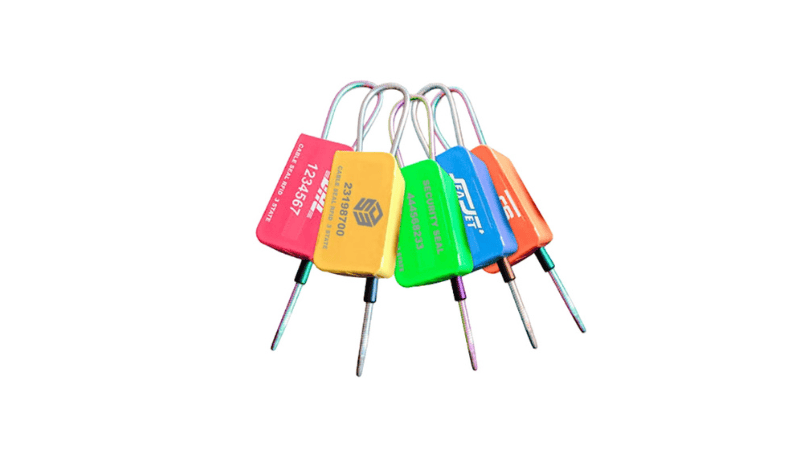
According to CargoNet’s 2023 report, cargo theft events increased by 57% year-over-year, with thieves becoming increasingly sophisticated. Knowing if your parcel was opened isn’t enough; you need to know when and where. For better security and real-time tracking, businesses are now switching to E-seals. GPS smart seals and RFID seals are the new security seal standards.
Now that there are two smart seal tracking options available, the question is. Should you choose GPS smart seals? Or is a cheap RFID seal okay to use? In this guide, we will compare both these options to make the right decision based on the infrastructure, investment cost, and ultimately the ROI.
What is a GPS Smart Seal?
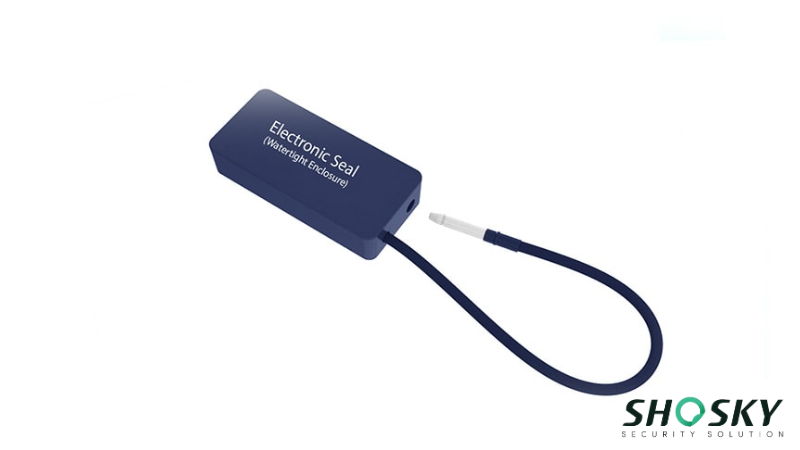
GPS smart seal technology works using cellular networks (4G/5G/IoT) and satellites to make direct and continuous communication with the cloud network. This device enhances security measures and helps business owners access data in real time. They can easily track their shipment location throughout the entire transit period.
Unlike those traditional seals, GPS smart seals do not struggle with any signal tampering. Instead, they offer active data transmission:
- 24/7 Visibility: Access constant tracking data regardless of where the truck or container is.
- Instant Alerts: With geofencing, you receive immediate notifications if the seal is cut or if the cargo deviates from the authorized route.
- Risk Intervention: Ideal for pharmaceuticals or electronics. For example, IATA reports that 20% of pharmaceutical products are damaged during transport due to temperature excursions. GPS seals allow you to intervene immediately if sensors detect temperature spikes.
While GPS seals offer superior security, they come with higher operational costs. They require battery management (charging) and a robust reverse logistics process to recover and reuse the units after delivery.
What is an RFID Security Seal?
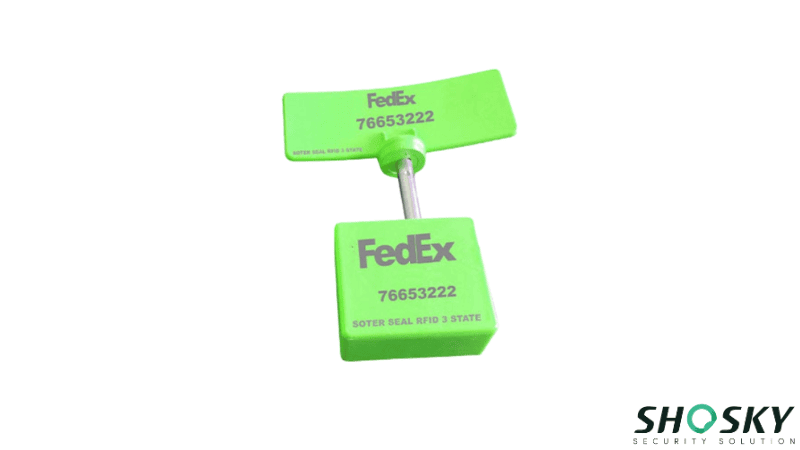
RFID (Radio Frequency Identification) technology operates using radio waves to transmit data from the seal to a reader. Unlike GPS, standard RFID seals rely on “Checkpoint Logic”.
This means they do not offer real-time tracking on the open road. Data is only updated when the cargo passes a specific scanner (e.g., leaving a warehouse gate or entering a port). Between these scanning points, the cargo is effectively in a “blind spot.” There are two main types of RFID seals you can choose from:
Passive RFID Seals
Passive seals have no internal battery. They remain dormant until they draw energy from the reader’s signal when passing through a scanner.
- Pros: Highly cost-effective ($0.50 – $5.00), disposable, and maintenance-free.
- Cons: Short read range (a few meters); requires expensive reader infrastructure at every gate.
This makes passive RFID seals the ideal choice for high-volume, one-way shipping where maintaining a low unit cost is the priority.
Active RFID Tags
Active RFID seals contain a small internal battery that broadcasts a signal continuously or at set intervals.
- Pros: Longer read range (up to 100 meters); can track goods dynamically within a defined yard or facility.
- Cons: Higher unit cost; limited lifespan due to battery drainage; requires reverse logistics to reuse.
Active RFID seals are best suited for closed-loop supply chains or managing high-value assets within a large storage yard.
GPS Smart Seals vs. RFID Seals: Key Trade-offs Analysis
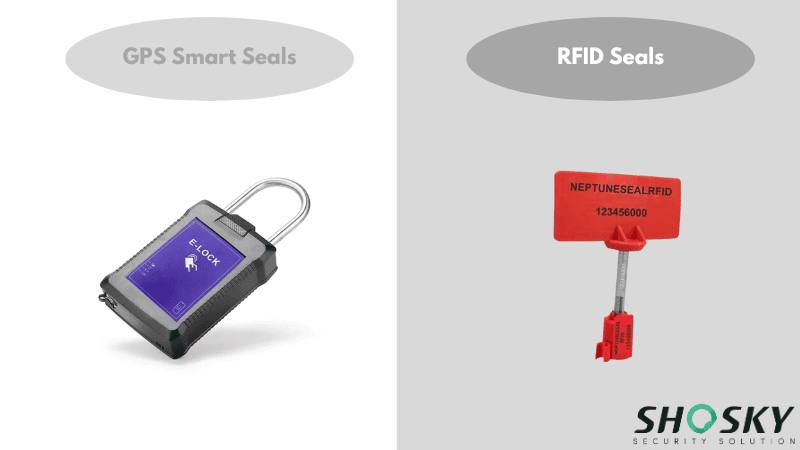
To help you decide which technology best fits your logistics strategy, the following table compares the key performance metrics of Passive RFID and GPS Smart Seals side-by-side.
| Feature | RFID Seals (Passive) | GPS Smart Seals |
|---|---|---|
| Visibility | Checkpoint-based (Nodes) | Real-Time (Continuous) |
| Cost Per Unit | Low ($0.50 - $5.00) | High ($50 - $200+) |
| Battery Life | Unlimited with no battery involved | Limited to either a few days or some weeks due to the battery life span |
| Data | ID, Status (Open/Closed) | Location, Speed, Any Accidental Damage Info, Temp |
| Infrastructure | Requires Readers or Gate Entry | Needs Cellular Signal |
Now, let’s dive into the comparison.
The Visibility Gap
The most critical difference lies in the blind spots between your facilities.
Passive RFID safety seals are checkpoint-based. It means you can access the updated data only if your cargo passes through a specific point reader, like a warehouse door or a port scanner. However, you can access the shipment data at specific milestones. But there is no continuous or real-time tracking.
On the other hand, GPS smart seals provide real-time, continuous location tracking with your shipment speed and other necessary factors. Businesses can keep an eye 24/7 with instant updates, like any route deviation or tampered seals, with smart seal technology.
The Cost Structure
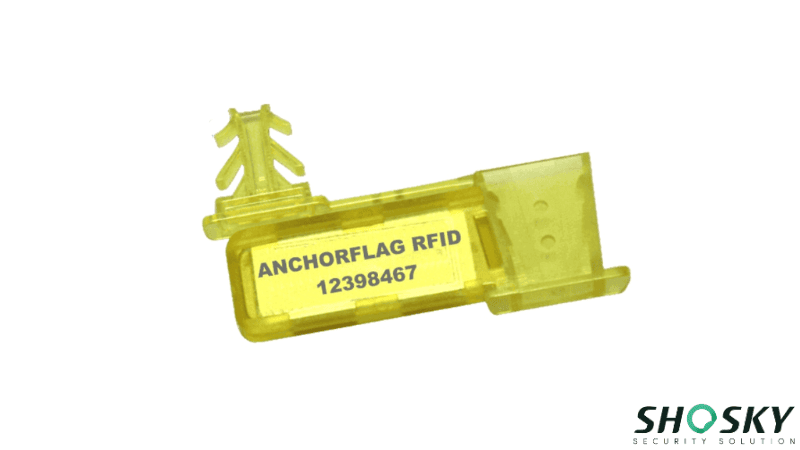
Do not let the “Cost Per Unit” in the table fool you. The total cost of ownership works differently for each technology.
RFID seals have a low cost per unit budget. Typically, passive seals range between $0.50 to $5.00. Ultimately, these security seals are a cost-effective solution if you want to manage bulk cargo without investing a lump sum of money.
In contrast, GPS smart seals are expensive. By unit, their cost on average ranges from $50.00 to $200. The credit goes to the advanced technology and real-time tracking features they offer. Businesses choose them as an ideal seal for delicate or high-value shipment operations.
Battery Life
This is a major operational trade-off you need to consider for your logistics loop.
Passive RFID seals do not operate with a battery. With every checkpoint interaction, the reader empowers the seal. Ultimately, the battery life is unlimited if the reader is there to help the seal with power. From single-use to short-term shipment, they are an excellent option.
GPS Smart Seals depend entirely on how you use them. In high-frequency mode, where you get updates every 10 minutes, the battery may last 7 to 15 days. In sleep mode with only 1 or 2 updates per day, it can last 3 to 6 months. This means you must have a process to recover and recharge these devices.
Data Richness
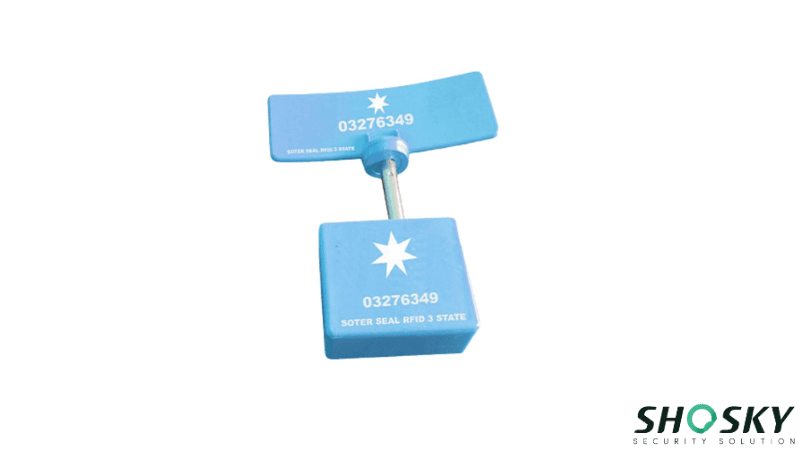
Think about what specific questions your security seal needs to answer.
Businesses get access to basic data like ID and the open or closed status of seals with RFID passive seal technology. This is the ultimate choice for people whose only concern is whether the seal is tampered with or broken.
However, GPS smart seals provide you with highly effective, efficient, and detailed data. Apart from the basic seal status data, it helps you access the speed, location, and any accidental events and temperature readings for your shipment. All this data is highly informative for sensitive shipments like electronics or pharmaceuticals, where you must control the environmental conditions.
Infrastructure Dependency
You need to consider the physical hardware required to make the system work in your environment.
Readers or scanner devices like gantries are the basic requirement for passive RFID technology. These devices must be installed either at the port entrance or warehouse doors to evaluate your seal data easily. Generally, businesses invest in infrastructure for RFID readers as their key checkpoints.
In comparison, GPS smart seals operate with cellular signals like IoT/4G/5G. Ultimately, they help you access better connectivity options using existing mobile networks. It means all GPS seals can work virtually anywhere with cellular coverage. So, there is no need to install a highly specialized RFID reader infrastructure.
4 Critical Decision Standards for Selecting Your Electronic Seals
It’s time to evaluate important factors apart from the cost per unit to find the right e-seal for your supply chain. Stick around to know the four key standards involved in making the right e-seal decision according to your business requirements.
1. Infrastructure Check: Open vs. Closed Loop

Choose your seal based on whether your transport route allows for fixed scanning hardware or requires independent global connectivity.
- Closed Ecosystem (RFID Wins): Does your business only move its goods between known points like factories, warehouses, or distribution centers? Choose RFID security seals. They are the best option for a closed system where you can set up specific RFID reader checkpoints.
- Open Ecosystem (GPS Wins): For businesses dealing with open ecosystems like third-party logistics (3PLs) or foreign ports or unknown routes, GPS technology seals are a better option. As you cannot install RFID readers there, it’s better to create an infrastructure using cellular networks with global coverage. Always use GPS seals for complex supply chain management or international shipping.
Because infrastructure determines connectivity, GPS seals remain the primary choice for complex international shipping.
2. Data Requirements: Do You Need Live Tracking?
Your choice should depend on whether you need to monitor specific milestones or require a continuous, live data stream.
- Milestone Tracking (RFID): RFID passive seals are ideal when you only need to confirm if goods arrived or left a specific location, providing visibility only at key check-in points.
- Live Monitoring (GPS): For goods like vaccines that require tracking temperature fluctuations, tampering, or route deviations, GPS smart seals provide the necessary continuous, real-time data.
While RFID handles basic arrival proof, GPS seals offer the constant monitoring required to prevent environmental damage or handling errors.
3. Reverse Logistics: Single Trip vs. Reusable
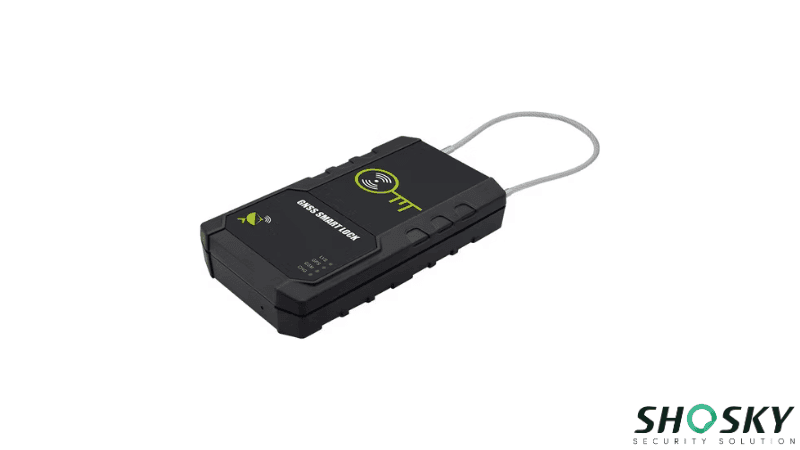
Select a seal based on whether your operational flow allows for the recovery and reuse of hardware.
- One-Way / Single Trip (RFID): For short-term or single-use operations, RFID passive seals are a low-cost, disposable choice that can be easily discarded once they are cut or tampered with.
- Closed Loop / Round Trip (GPS): If your shipments involve round trips, durable and reusable GPS smart seals are preferred, provided you have a reverse logistics process to retrieve and recharge them.
Whether you prioritize low-cost disposal or long-term reuse will dictate the scale of your initial investment and recovery strategy.
4. Cargo Value: Balancing Risk vs. Cost
Match the sophisticated level of the seal technology to the total market value and risk profile of the cargo.
- High-Volume / Low-Value (RFID): For high-volume goods like clothes or raw materials, RFID seals are cost-effective and justify the simple functionality needed for these products.
- Low-Volume / High-Value (GPS): For expensive shipments like aerospace parts or electronics, the high upfront cost of GPS seals is a small fraction of the goods’ value and provides essential insurance risk mitigation.
By balancing the cost of the seal against the value of the cargo, you can ensure your security budget is spent efficiently.
The Hybrid Strategy: Combining GPS & RFID for Total Security
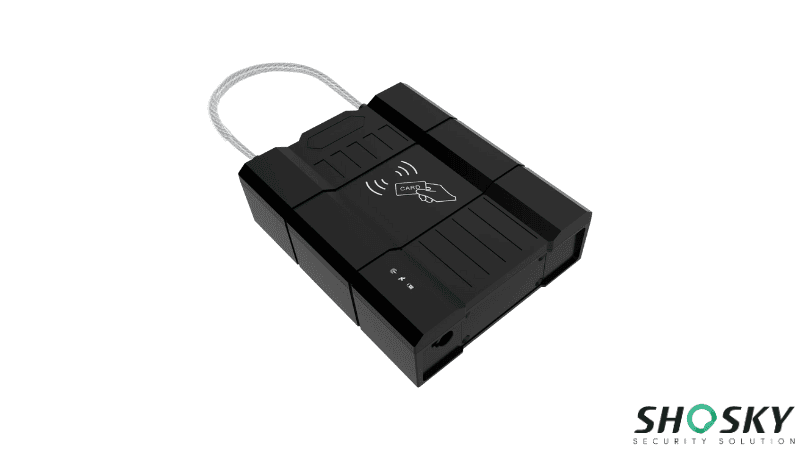
Now, is there any in-between strategy for premium security with GPS tracking and RFID low-cost features? Experts have introduced a new technology known as the “Russian Doll” approach, where GPS smart seals and RFID seals work together for maximum protection, better visibility, and a highly effective budget.
Implementing this technology provides an additional layer of security that covers the shipment from the outside in. This hybrid method relies on a layered defense system that monitors the shipment at different scales:
- Layer 1 (The Shell / Macro): Businesses use a GPS lock over their shipment containers or truck doors to track the shipment route and vehicle location in real time. This helps you get macro-level shipment visibility tracking across long distances, whether by road, rail, or sea.
- Layer 2 (The Core / Micro): Install RFID security seals on individual palettes or bags inside the vehicle. These seals excellently operate with individual item tracking at a granular level, allowing you to identify any unauthorized access or tampering once the goods pass through warehouse doors, port scanners, or other specific checkpoints.
By pairing the high-level security of GPS with the high-volume efficiency of RFID, you cover the entire supply chain. You mitigate the risk of “en route” theft with the GPS seal, while using inexpensive RFID tags to ensure that individual items haven’t been pilfered or swapped inside the truck.
This creates a comprehensive security web that maintains complete control from the factory floor to the final delivery, ensuring every dollar spent on security delivers maximum value.
FAQs
Q1: Do the GPS seals work inside any steel container?
No. Steel containers act as a Faraday cage, blocking satellite signals. GPS Smart Seals must be attached to the exterior locking mechanism to ensure they have a clear line of sight to connect with the network.
Q2: What is an IoT security seal in supply chain management?
An IoT security seal is a more advanced and secure electronic seal that connects to the Internet of Things (IoT). Through satellite communication or cellular networks, you can monitor and transfer data to effectively control your supply chain assets.
Q3: How long is the battery life for active GPS seals?
It depends on the reporting frequency. In real-time mode (pinging every 10 minutes), batteries typically last 7-15 days. In power-saving mode (pinging 1-2 times/day), they can last several months on a single charge.
Conclusion
To know the exact shipment location with real-time tracking, GPS smart seals are the best option. Businesses get immediate alerts for tampering or route deviation with highly optimized real-time visibility. RFID seals are an excellent choice to maintain the proof of arrival with proof of dispatch. You must use them as a cost-effective solution for specific checkpoints of goods tracking throughout the journey.
Upgrade your Tracking with Shosky E-Seals!
Are you building your own smart supply chain? Contact Shosky’s support team to discuss your custom RFID sealing solutions. And see how we can seamlessly integrate with your tracking software for better security, enhanced tracking, and maintain the overall budget. Visit Shosky for your product’s security today!