
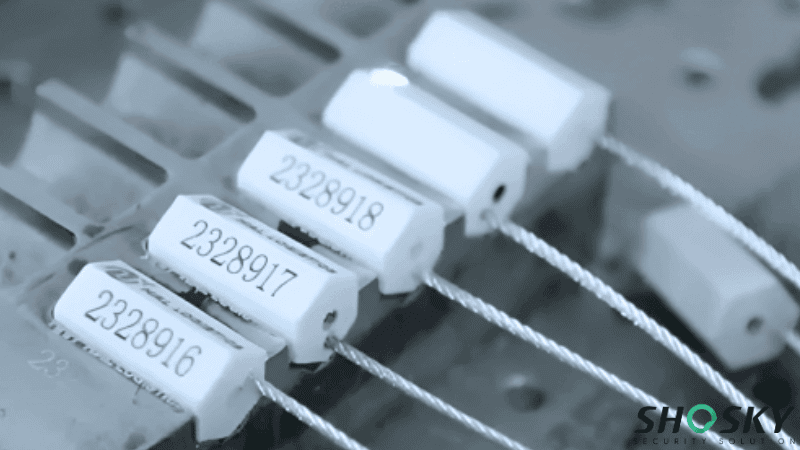
According to the 2026 global cargo theft intelligence reports, organized criminal syndicates increasingly target highly vulnerable intermodal transition points. These highly engineered security devices provide immense tensile strength while remaining flexible enough to navigate the most complex industrial hardware.
This comprehensive B2B procurement guide explores exactly how to select the perfect wire diameter, strictly choose the right locking body metallurgy, and actively implement flawless application procedures to secure your valuable cargo against sophisticated organized theft.
Why Logistics Managers Prefer Cable Seals For Global Compliance
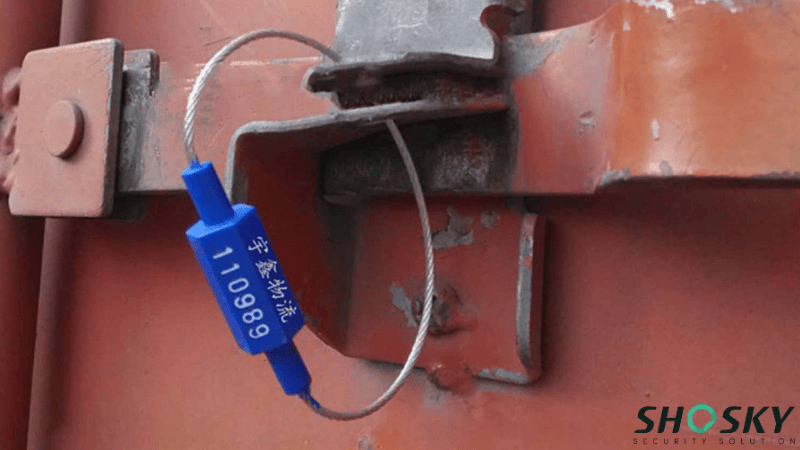
Modern logistics operations present unpredictable challenges. A warehouse manager might need to secure a perfectly aligned truck door in the morning and a warped shipping container latch in the afternoon. Adjustable cable seals provide unmatched operational flexibility. The braided steel wire can bend, twist, and thread through extremely tight or irregular apertures where solid steel pins simply cannot physically fit.
Beyond physical flexibility, these devices are absolutely essential for international trade compliance. If you are shipping high-value cargo across global borders, your physical security must meet strict international frameworks.
Top-tier cable seals undergo rigorous laboratory testing to comply with the International Organization for Standardization ISO 17712 framework. Achieving this critical High Security rating ensures that the seal can withstand severe pulling, bending, and cutting attacks.
Furthermore, deploying these certified barriers is a mandatory requirement for companies participating in the Customs Trade Partnership Against Terrorism security criteria. Utilizing non-compliant devices guarantees severe supply chain delays, massive financial fines, and mandatory manual customs inspections at the port of entry.
Sizing Matters: Choosing The Right Diameter And Length
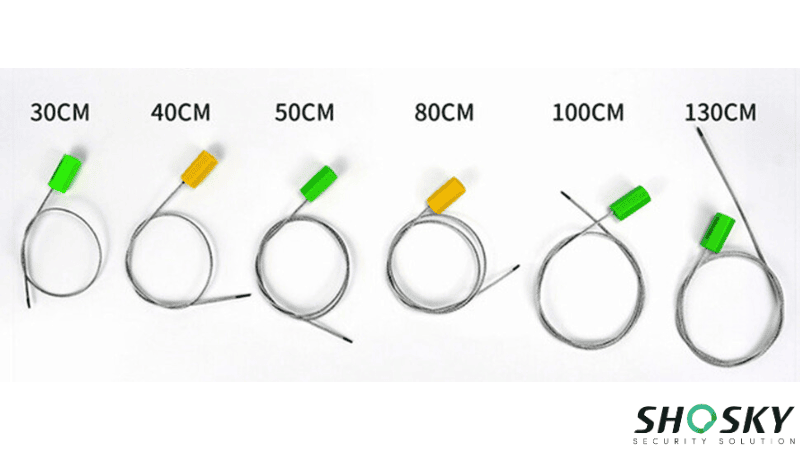
Selecting the absolutely correct wire specifications proactively prevents catastrophic operational failures. Procurement engineering teams must perfectly match the internal cable dimensions directly to their specific hardware requirements and anticipated security threat levels.
Logistics directors must aggressively evaluate these 3 distinct dimensional profiles before executing a purchase order:
-
1.5 mm to 2.5 mm Wire Diameters: These exceptionally thin profiles are absolutely perfect for securing smart grid utility meters, airline beverage carts, and emergency medical cabinets. They offer over 3.0 kN of tensile strength while easily passing through extremely narrow security latches without causing expensive hardware damage.
-
3.0 mm to 5.0 mm Wire Diameters: This thick specification heavily represents extreme heavy-duty protection. Withstanding over 14.0 kN of violent tensile pull force, these diameters provide maximum resistance against heavy industrial bolt cutters and remain the standard choice for ocean freight containers, cross-country rail cars, and bulk chemical tankers.
-
Custom Cable Length Variations: While standard inventory lengths range from 12 to 14 inches, complex industrial applications often mandate extended cables reaching up to 72 inches. Extra-long cables allow maintenance technicians to thread a single security seal through multiple adjacent chemical valves seamlessly.
By meticulously matching the wire thickness directly to the anticipated mechanical shear forces, security managers actively guarantee that their physical barriers survive the entire transcontinental journey without snapping prematurely.
Material Engineering Comparing Aluminum And Steel Lock Bodies
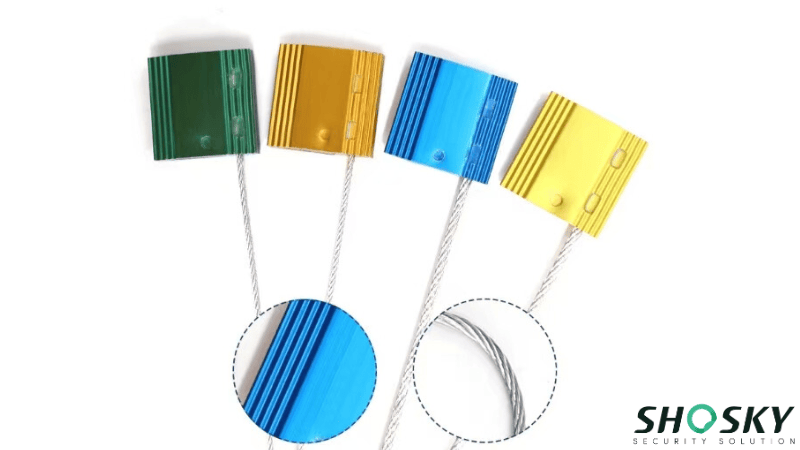
The structural polymer or metallic housing that explicitly protects the delicate internal locking mechanism is just as critical as the braided wire itself. Logistics directors must deeply evaluate their extreme operational environment before officially selecting a locking housing metallurgy.
Procurement officers must mandate these physical engineering specifications during vendor selection to ensure environmental survival:
Ready to Get Cable Seals for Your Business?
Start With A Low Minimum Order Quantity
Standard Operating Procedures For Application And Removal
Procuring premium hardware means absolutely nothing if your ground staff applies it incorrectly. Establishing strict operational protocols for your warehouse and receiving teams guarantees total chain of custody integrity across your entire logistics network.
How To Properly Apply Adjustable Cable Seals
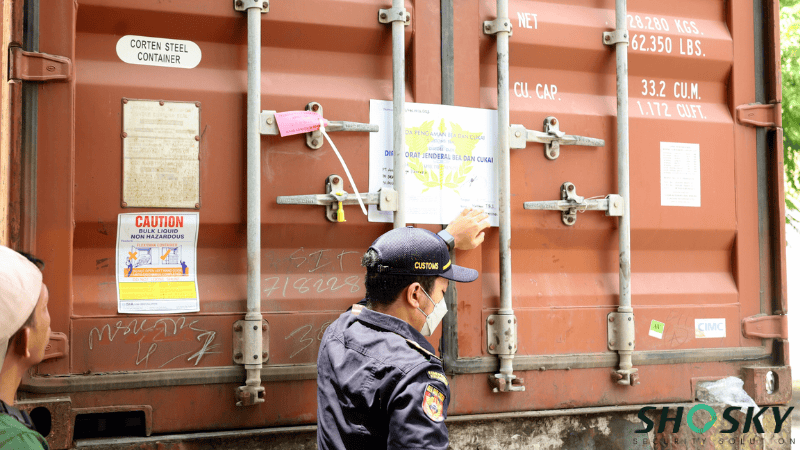
To establish an unbreakable physical barrier, your staff must insert the raw end of the braided wire into the open locking chamber exactly parallel to the anchored end.
Once inserted, the technician must pull the wire continuously through the lock body until it rests extremely tight against the container latch. It is an absolute operational necessity to eliminate any slack or loose loops, as excess wire provides criminals with the precise leverage room they need to introduce cutting or prying tools.
How To Safely Remove And Destroy Cable Seals
Your receiving dock personnel must never attempt to remove a heavy-duty security cable with standard office scissors, basic mechanic pliers, or unsafe grinding tools. Facility managers must exclusively equip their teams with professional bypass cable cutters specifically designed for slicing through braided high-carbon steel.
Once cleanly severed by these specialized bypass blades, premium security cables instantly exhibit a unique forensic feature known as fraying. The individual steel strands immediately unravel and violently expand outward.
This irreversible physical destruction permanently alters the cable structure, making it mathematically impossible for a criminal to reinsert the cut wire back into the locking body to hide their illegal extraction.
Avoiding Common Security Mistakes With Cable Seals
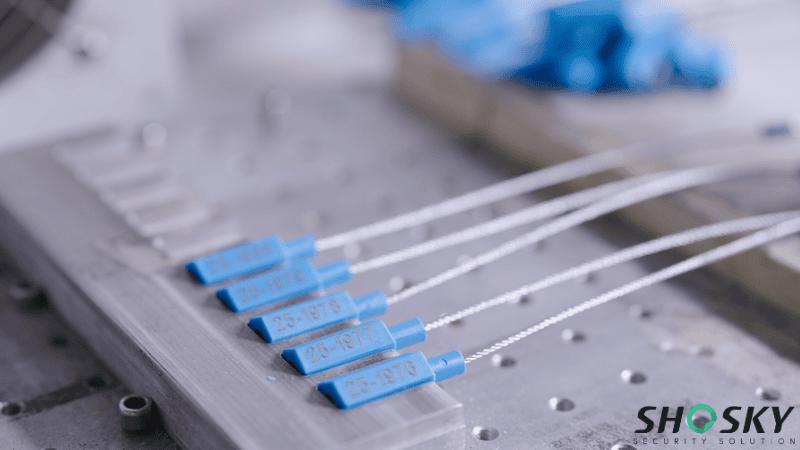
Even the absolute most advanced physical barriers fail completely if your internal auditing protocols continually contain massive operational blind spots. According to data analysis from the Transported Asset Protection Association cargo crime reports, internal procedural failures heavily contribute to global freight theft.
To completely eliminate massive supply chain vulnerabilities, logistics directors must relentlessly enforce these operational standards:
-
Destroying Intact Serial Numbers: Never throw a cut seal directly into an open terminal trash bin. Criminals frequently scavenge receiving dock dumpsters to covertly collect intact serial numbers for counterfeiting future compromised shipments. Always instruct your staff to destroy the laser-etched serial number with a heavy hammer before final environmental disposal.
-
Enforcing Arrival Inspections: Your receiving team must physically pull on the lock body before officially cutting it. Sophisticated thieves sometimes cleanly cut the wire, extract the highly valuable goods, and aggressively use industrial superglue to reattach the braided cable to the housing. A firm physical tug will instantly expose a glued counterfeit seal.
-
Integrating Digital Telemetry Logging: Physical security hardware is completely useless without a corresponding digital ledger. Dispatch teams must photograph the perfectly sealed latch and optically scan the precise alphanumeric sequence directly into their enterprise resource planning software before the truck ever departs the loading dock.
Executing these highly concise standard operating procedures transforms your hardware investment into a proactive fraud prevention network. Strict documentation protocols mathematically ensure that any visual discrepancies are instantly flagged to intensely protect corporate financial liability.
FAQs
Q1: Are adjustable cable seals legally compliant for international C TPAT shipping?
Yes. Premium adjustable cable seals featuring wire diameters exceeding 3.5 millimeters strictly comply with ISO 17712 High Security testing standards. This certified mechanical strength mathematically guarantees smooth global customs clearance and satisfies mandatory C TPAT minimum security criteria for all cross-border intermodal ocean freight.
Q2: What specific tools are required to open heavy-duty cable seals?
Because the security cable consists of multiple intertwined high carbon steel strands, standard wire snippers will only crush the metal and jam. Receiving docks must procure and use professional bypass cable shears to cleanly sever the metallic braids and maintain workplace safety.
Q3: Are aluminum lock bodies safe for explosive or flammable transit environments?
Yes. Anodized aluminum is inherently non-sparking. This crucial metallurgical property makes aluminum-housed cable seals highly recommended for securing hazardous chemical valves, aviation fuel depots, and volatile petroleum transport tankers.
Secure Your Logistics Network With Shosky Security
Protecting your massive financial assets requires proactively partnering with a certified industrial manufacturer that deeply understands complex global transit vulnerabilities. Standard commercial hardware simply cannot provide the forensic digital tracking and extreme tensile strength required to secure sensitive international cargo.
Shosky Security engineers premium-grade tamper-evident solutions perfectly designed for the extreme realities of global supply chains. From our heavy-duty 304 stainless steel braided cables to our flawless laser-etched anodized aluminum bodies, our certified products ensure absolute structural integrity for your most critical intermodal assets.
Contact our technical engineering team today to request a free material sample kit, secure wholesale volume pricing, and eliminate transit theft permanently.