
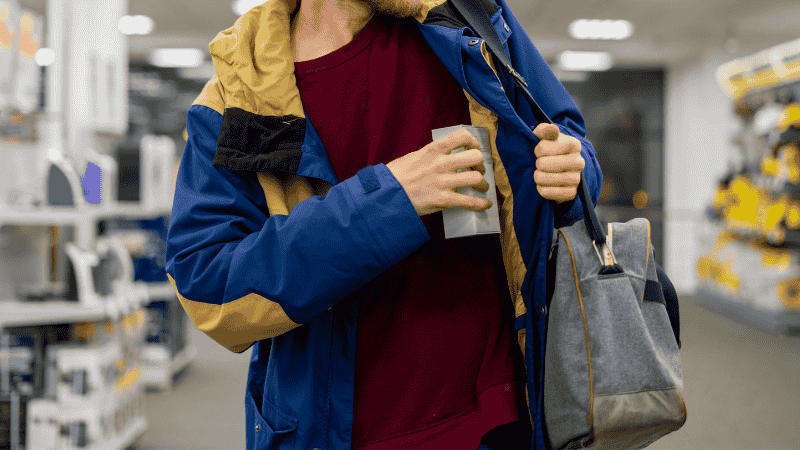
In 2024, U.S. retailers alone lost over $112 billion to theft. Stores lose assets due to shoplifting and organized retail crime. Tamper-evident packaging helps retailers reduce this risk. It provides visible evidence if someone tries to open the container.
From food products to medical devices, tamper-evident features help retailers protect assets, reduce risk, and enhance safety. In this blog post, we will discuss how businesses can prevent theft, fraud, and unauthorized access by incorporating tamper-evident packaging into their operations.
The Urgent Need for Tamper-Evident Packaging in Retail Security

Retail theft and product tampering are growing concerns for businesses worldwide. As technology advances, so do the methods criminals use to steal or manipulate products. Before we dive into the strategies, we must look at why standard packaging is failing.
Retail theft occurs in various ways. Shoplifting remains the most common type, where individuals steal products by hiding them in bags or clothing. However, Employee Theft is harder to detect because staff have direct access to the inventory.
More alarmingly, Organized Retail Crime (ORC) groups now use forceful methods to grab high-value items. According to CargoNet, cargo theft incidents increased by 57% in 2023. Thieves target shipments before they even reach the store.
Additionally, Return Fraud costs retailers billions. Criminals buy expensive items, replace them with damaged goods or fakes, and return them for a refund. Without robust tamper-evident packaging for retail, it is nearly impossible for your staff to prove the product was opened.
Product tampering also poses health risks, especially in food and pharma. A well-known case in the UK involved a man contaminating baby food jars, leading to a massive recall. This highlights why strict tamper-evident packaging is non-negotiable for brand safety.
5 Strategic Applications of Tamper-Evident Packaging for Retail
To effectively combat these threats, you cannot just buy a sticker and hope for the best. You need a strategy. Here are the 5 most effective ways to apply tamper-evident packaging for retail environments.
Strategy 1: Secure Shipping Cartons with Tamper-Evident Tape

The first line of defense is your shipping boxes. Tamper-evident tape secures cartons and shipping boxes during transit. It provides immediate evidence of tampering, making it a key security feature for retailers shipping valuable goods.
If a thief tries to peel the tape, it leaves a “VOID” or “OPENED” message on the box. This prevents criminals from slitting the box, stealing the item, and resealing it with clear tape.
Different types of tamper-evident tape include:
- Full Transfer Tape: Leaves a permanent message on the carton.
- Non-Transfer Tape: Shows evidence on the tape itself but keeps the box clean (ideal for luxury retail).
- Partial Transfer Tape: Leaves a semi-permanent residue that clearly indicates opening but is easier to clean up than full transfer options.
Strategy 2: Protect High-Value Items with Tamper-Evident Labels
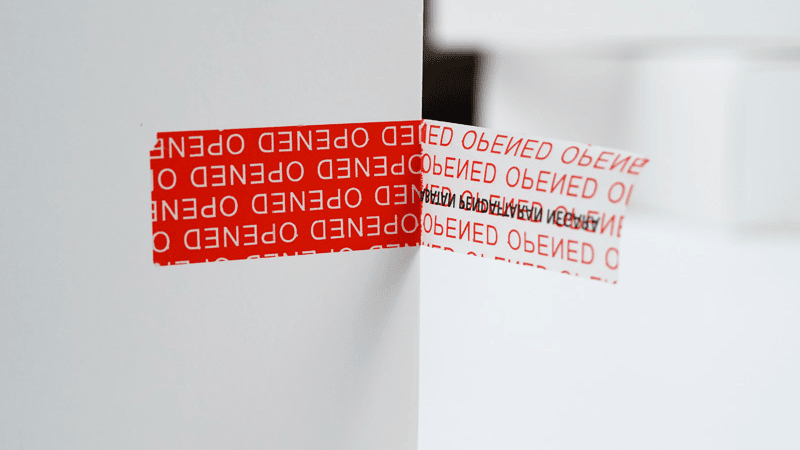
Once the product is on the shelf, you need to protect the unit itself. Tamper-evident labels help retailers secure products against price tag switching and box opening. They work by leaving behind clear evidence when removed or manipulated.
These labels are essential for high-value electronics and cosmetics. The following are the main types of tamper-evident labels:
- Void Labels: Reveal a message if peeled back.
- Destructible Labels: Fragment into tiny pieces if someone tries to remove them to swap a price tag.
- Holographic Labels: Add visual authentication to prevent counterfeiting.
- RFID or Barcode Labels: Combine physical tamper evidence with digital tracking. These labels allow you to scan inventory instantly while ensuring the seal hasn’t been broken.
Strategy 3: Prevent “Grazing” with Tamper-Evident Adhesive Seals
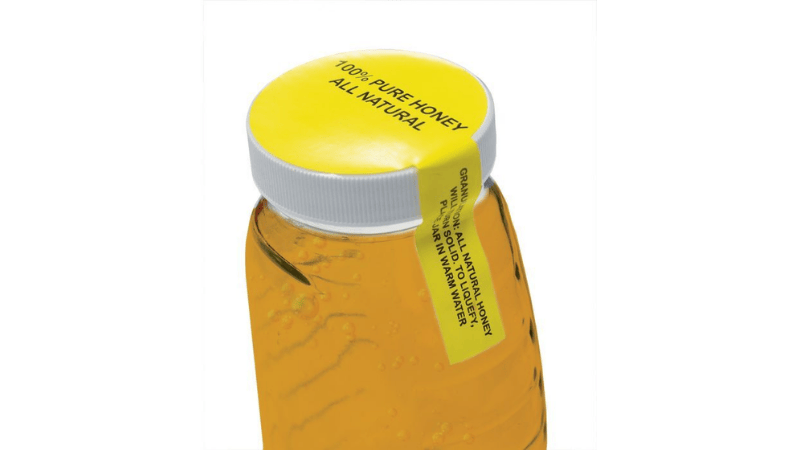
“Grazing” happens when customers open a product in-store to taste or test it, then put it back. Tamper-evident adhesive seals add an extra layer of security to containers, bottles, and jars.
These are critical for the food and pharmaceutical sectors. Some common types of tamper-evident seals include:
- Breakable Plastic Seals: Caps that crack when first opened.
- Security Hologram Seals: Provide visual authentication that is difficult to counterfeit, reassuring customers that the product is genuine and unopened.
- Shrink Bands: Plastic bands that must be torn off to open a lid.
- Void-Indicating Seals: Stickers that bridge the gap between the cap and the bottle.
Strategy 4: Secure Cash and Documents with Tamper-Evident Bags
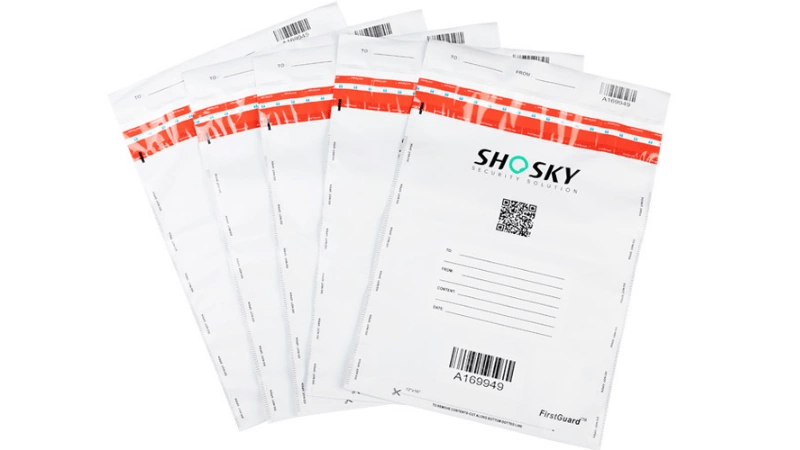
Retailers must also protect their cash deposits and sensitive documents. Tamper-evident bags provide a secure way to transport cash to the bank or move high-value jewelry between stores.
The types of tamper-evident bags include:
- Permanent Adhesive Bags: The bag must be cut to be opened, ensuring no one can access the contents without leaving a trace.
- Security Tape Bags: Change color or show words if heat or cold is used to open them.
- Deposit Bags: Specifically designed for handling daily cash earnings, these bags feature serial numbers and tear-off receipts to ensure a secure chain of custody from the register to the bank.
Strategy 5: Secure Retail Logistics with Plastic Security Seals
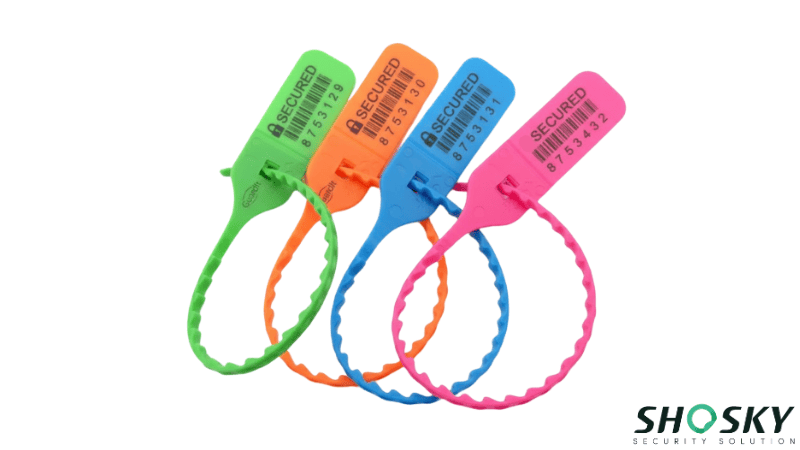
Beyond the shelf, retailers must secure the supply chain loop between the distribution center and the store. Reusable plastic tote boxes and cages are often used to transport stock. Using Tamper-Evident Security Seals (such as plastic pull-tight seals or padlock seals) ensures these containers are not accessed during transit.
- Plastic Pull-Tight Seals: Ideal for sealing tote boxes containing mixed merchandise. If the seal is broken upon arrival at the store, the manager knows to audit the contents immediately.
- Padlock Seals: Used for securing zippers on bags or latches on catering carts.
- Bolt Seals: For large retailers receiving international ocean freight, these heavy-duty seals protect shipping containers from organized cargo theft.
Best Tamper-Evident Solutions for Different Industries
Different industries face unique risks. Here is how to match tamper-evident packaging for retail to your specific niche.
| Tamper-Evident Solution | Best Suited Industries |
|---|---|
| Tamper-Evident Tape | E-commerce, Logistics, Electronics, Retail |
| Tamper-Evident Labels | Pharmaceuticals, Cosmetics, Food & Beverage, Retail |
| Tamper-Evident Bags | Banking, Retail, Confidential Documents, Jewelry |
| Tamper-Evident Seals | Pharmaceuticals, Food Packaging, Electronics |
How to Choose the Right Tamper-Evident Solution?
It’s not as easy as putting a finger on a product if you like it. You have to consider the following factors before choosing the right tamper-evident solution:
Identifying Product Risks and Evaluating Available Solutions
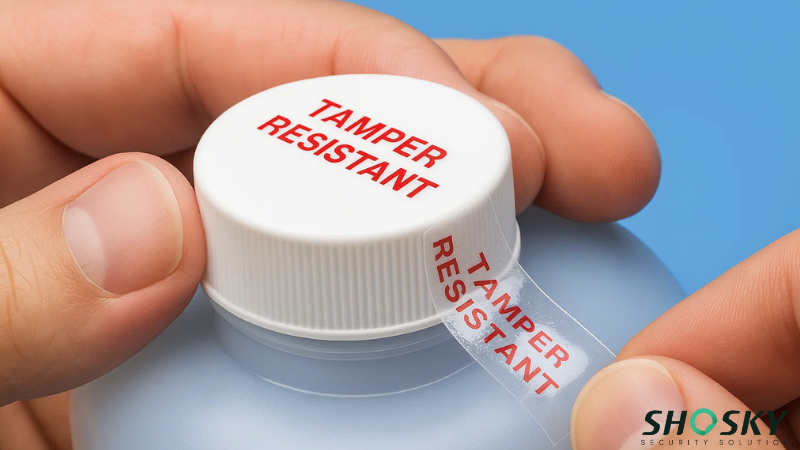
Choosing the right tamper-evident packaging starts with identifying potential risks associated with your product. This involves assessing factors such as:
- Product Type: Different products have varying levels of vulnerability. Perishable goods, pharmaceuticals, and high-value electronics require more stringent tamper-proofing than low-risk items.
- Security Requirements: Consider whether your product is at risk of counterfeiting, contamination, or unauthorized access. High-risk products may require multi-layered security solutions.
- Available Solutions: Evaluate various tamper-evident technologies, such as security seals, shrink bands, and RFID-enabled seals, to determine which best suits your needs.
By understanding these risks and matching them with the right packaging solution, you can ensure product safety and customer trust.
Consider Costs, Feasibility, and Compliance Requirements

Selecting a tamper-evident solution also requires balancing security with practical constraints. Key considerations include:
- Cost: Compare the price of different security solutions against the value of your product. Simple breakable seals may be cost-effective for low-value goods, while high-end authentication features like holograms or RFID tracking are better suited for premium items.
- Feasibility: Ensure the chosen solution can be easily integrated into your packaging process without causing operational delays or high costs.
- Regulatory Compliance: Check industry standards and legal requirements. For example, food and pharmaceutical products must adhere to FDA or EU regulations, while electronic goods may need tamper-proof packaging to prevent warranty fraud.
By carefully weighing these factors, you can implement a tamper-evident solution that meets security needs while remaining cost-effective and compliant.
6 Steps to Implement Tamper-Evident Packaging Solutions
Follow these key steps to implement tamper-evident packaging:
1. Follow Regulations
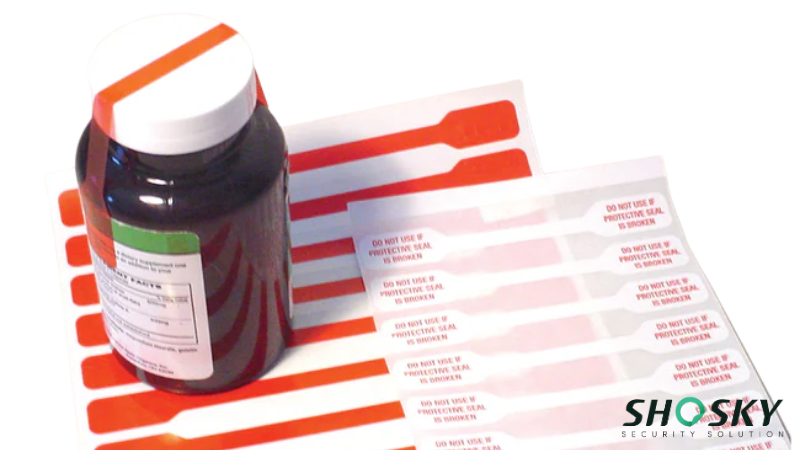
Check the packaging laws in your industry before choosing a solution. Different regions have different rules, especially for pharmaceuticals and food. Make sure your packaging meets these requirements to avoid legal issues.
2. Choose the Right Type
Tamper-evident packaging comes in different forms. The right choice depends on your product. Shrink bands and seals are common and require tearing off before opening. Breakable caps, often used for bottles and medicine containers, crack when first opened.
Adhesive security labels leave a “void” message when removed. Blister packs, commonly used for tablets and capsules, seal each dose separately. Induction seals, found under bottle caps, need to be removed before use.
3. Add It to Your Manufacturing Process
Once you choose the right solution, make sure your production line can handle it. Adjust your machinery to apply seals, bands, or labels correctly. Train workers to inspect packaging for defects and set up quality checks to ensure every product is sealed properly.
4. Test Before Launching

Before selling your product, check if the tamper-evident feature works properly. Run tests to see if it’s easy to spot tampering and make sure customers can open the package without too much effort.
5. Inform Customers
Let customers know about the security feature. Add a label or instructions to show how they can check if the package is safe. If they see signs of tampering, they should avoid using the product.
6. Keep Improving
Tampering methods evolve over time. Regularly review your packaging to stay ahead of new threats. If needed, upgrade to more advanced security features.
Case Studies: How Retailers Reduced Theft with Tamper-Evident Solutions
The following case studies highlight how leading companies have successfully used tamper-evident solutions to reduce theft and enhance security.
Case Study 1: Tesco Securing High-Risk Products with Tamper-Evident Packaging
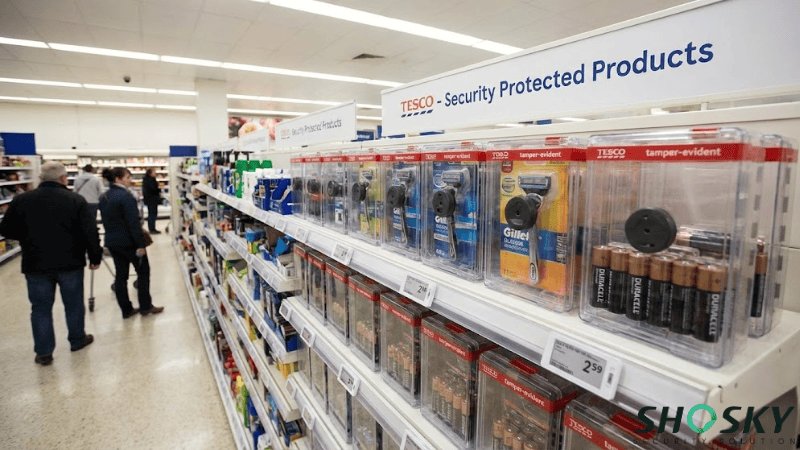
Tesco, a leading UK grocery chain, has strengthened product security by using tamper-evident packaging for high-risk food products like baby food and over-the-counter medications. To prevent tampering and organized retail theft, Tesco incorporates shrink bands and tamper-evident seals, ensuring visible evidence of any interference.
These measures not only protect consumers but also reinforce trust in product authenticity. By integrating tamper-resistant packaging into its supply chain, Tesco enhances security, guarantees quality, and maintains compliance with safety regulations.
Case Study 2: Silicon Labs Enhancing Retail Security with RFID-Enabled Labels
Silicon Labs, a leader in electronic shelf labels, has introduced RFID-enabled tamper-evident labels to combat organized retail crime. These labels provide an additional layer of protection by instantly detecting tampering, helping retailers prevent theft and unauthorized access to high-value electronics.
By integrating tamper-evident packaging into secondary packaging, Silicon Labs enables retailers to track inventory, reduce shoplifting, and enhance consumer confidence. This solution secures assets and streamlines operations, making it an essential tool for modern retail security.
Case Study 3: APMA Ensuring Safety in the Pharmaceutical Industry

The Australian Pharmaceutical Manufacturers Association (APMA) has set industry guidelines for tamper-evident packaging to protect prescription medications and medical devices. Pharmacies use sealed blister packs, breakable seals, and resistant packaging to prevent medication fraud and unauthorized access.
These tamper-evident features provide peace of mind to consumers and ensure the integrity of pharmaceutical products. By prioritizing secure packaging, APMA helps maintain safety standards, reinforce consumer trust, and safeguard the pharmaceutical supply chain.
Common Mistakes Retailers Make When Using Tamper-Evident Solutions
Retailers often make mistakes when implementing tamper-evident solutions, reducing their effectiveness. Here are some common mistakes that can harm your product:
- Skipping Security Testing – Implementing tamper-evident packaging without proper testing can lead to ineffective security measures. Retailers should assess durability and functionality before large-scale use.
- Using Inadequate Packaging for High-Theft Items – Choosing the wrong security features for valuable products increases the risk of tampering and theft. High-risk items require advanced protections like tamper seals or RFID tracking.
- Lack of Employee Training – Without proper training, employees may overlook signs of tampering. Staff should be educated on recognizing security breaches and handling incidents to maintain product integrity.
FAQs
1. How much does tamper-evident packaging reduce theft in retail?
Tamper-evident packaging significantly reduces theft by deterring shoplifters and preventing unauthorized access. Retailers often notice a decrease in shrinkage when using strong security measures alongside surveillance and employee training.
2. What’s the difference between tamper-proof and tamper-resistant packaging?
Tamper-proof packaging is designed to prevent any unauthorized access, making it nearly impossible to open without destroying the package. Tamper-resistant packaging, on the other hand, makes tampering more difficult but not entirely impossible.
3. Can tamper-evident packaging be customized for different brands?
Yes, customization options include branded security seals, unique breakaway closures, and packaging with company logos or special messaging to reinforce trust and authenticity.
Conclusion
Tamper-evident packaging provides essential security benefits by preventing unauthorized access, protecting product integrity, and reducing retail theft. Investing in the right security measures not only enhances consumer trust but also leads to significant cost savings by minimizing shrinkage and fraud-related losses.
As a long-term investment, tamper-evident packaging strengthens overall theft prevention strategies. When combined with employee training and in-store security measures, it creates a robust defense against product tampering and shoplifting.
Secure Your Products with Shosky’s Tamper-Evident Solutions
Protect your products, reduce theft, and build customer trust with Shosky’s advanced tamper-evident packaging. Our customizable security solutions help retailers safeguard their inventory while maintaining brand integrity. Contact us today to find the perfect tamper-evident packaging for your business.