
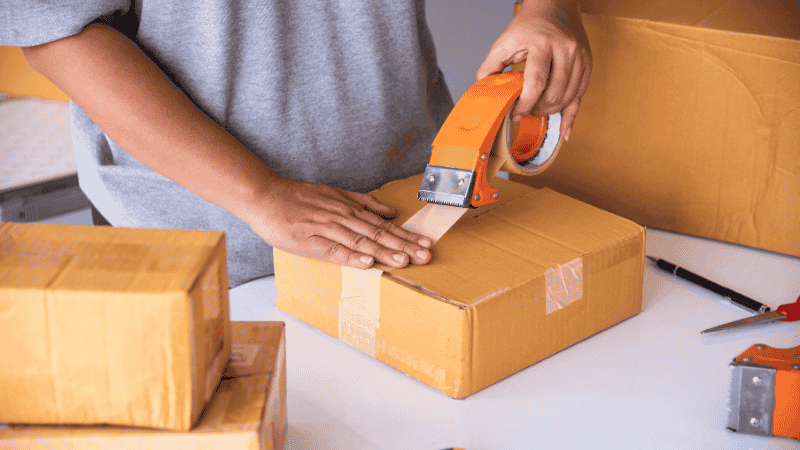
Cargo theft losses across the United States and Canada surged 60% to nearly $725 million in 2025, according to Verisk CargoNet’s annual analysis. Confirmed theft incidents rose 18% year over year, and the average value per theft climbed 36% to $273,990, as organized groups shifted toward more selective, higher-value targets. Food and beverage theft alone jumped 47%.
A large share of that loss traces back to a single vulnerability: packaging that can be opened, emptied or swapped, and resealed without leaving any trace. A thief who can reseal a carton with ordinary tape has effectively erased the evidence of the crime before anyone notices. Tamper-evident packaging closes that gap. This guide breaks down the four core categories used across logistics, banking, law enforcement, and travel retail, explains how each one works, and outlines the factors that should drive the choice between them.
What Is Tamper-Evident Packaging?
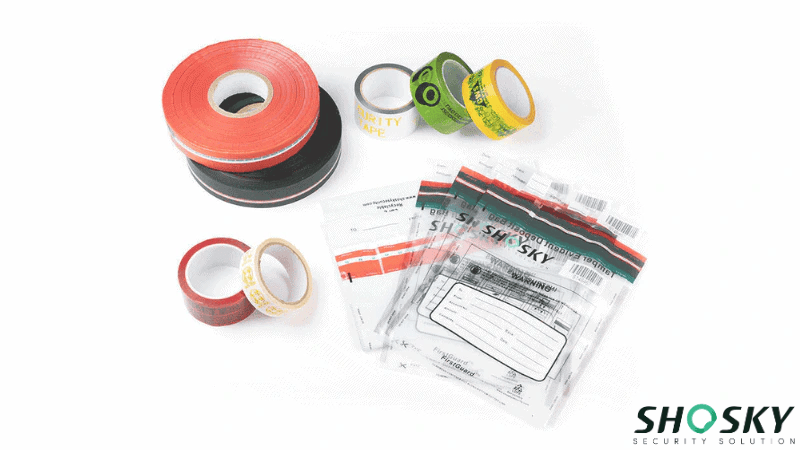
Tamper-evident packaging refers to materials engineered to reveal whether a container or package has been opened or compromised. The goal isn’t just to make a package hard to open; that’s a separate property called “tamper-resistant.” The goal is to make it impossible to open without leaving proof.
That distinction rests on one core mechanism: self-destruction upon removal. If someone peels a security tape, it leaves behind a “VOID” message. If someone cuts into a security bag, the heat-welded seams become visibly distorted. If someone lifts a tamper-evident label, it fragments rather than lifts cleanly.
This visible evidence is what protects the chain of custody. It allows a receiver to reject a compromised shipment immediately, protecting the shipper from liability and the customer from receiving stolen or contaminated goods.
The 4 Categories of Tamper-Evident Packaging Solutions
Effective tamper-evident packaging generally falls into four categories, and the right one depends entirely on what’s being secured: a shipping carton, a bag of cash, a product on a shelf, or a shipping container. Here’s how each one works and where it fits.
1. Tamper-Evident Security Tapes (For Logistics)

Security tape uses a thin adhesive film to seal a container at its opening. It’s used primarily on secondary packaging, shipping cartons, and pallets, rather than on the product itself.
The construction relies on a multi-layer build: a top film (usually PET), a release agent, and an aggressive acrylic adhesive underneath. When someone tries to remove the tape, the layers separate. The top film peels away, but the adhesive layer stays bonded to the carton, leaving a bold “VOID” or “OPEN” message behind. Reputable suppliers test this adhesion against ASTM D3330, the standard method for measuring pressure-sensitive tape peel strength, and it’s worth requesting data on this before ordering in bulk.
- Total transfer tape: Leaves a permanent residue on the box. Best for disposable, single-use cardboard packaging.
- Partial transfer tape: Leaves part of the “VOID” message on the box and part on the tape. Suited to semi-reusable packaging.
- Non-transfer tape: Leaves the surface clean, but the tape itself shows the “VOID” message. Best for expensive reusable crates or glass surfaces.
Security tape is the standard choice for logistics and 3PL operations, securing shipping boxes against pilferage, for high-value retail shipments like electronics or sneakers, and for wrapping entire pallets to confirm no boxes were removed in transit.
2. Security Tamper-Evident Bags (For Assets & Documents)
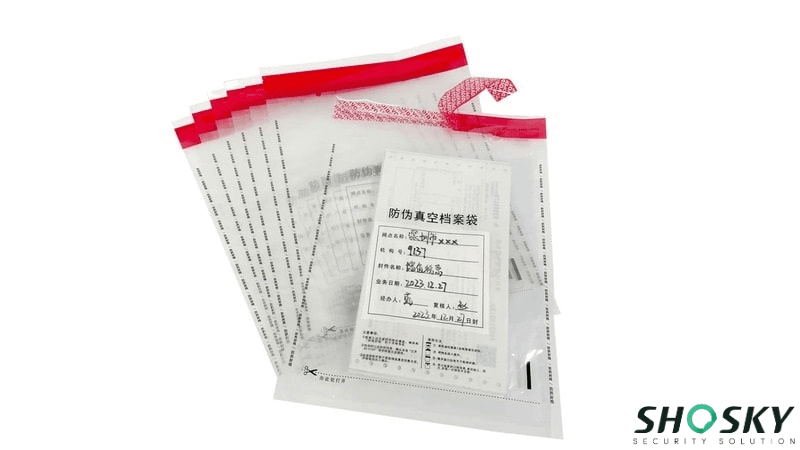
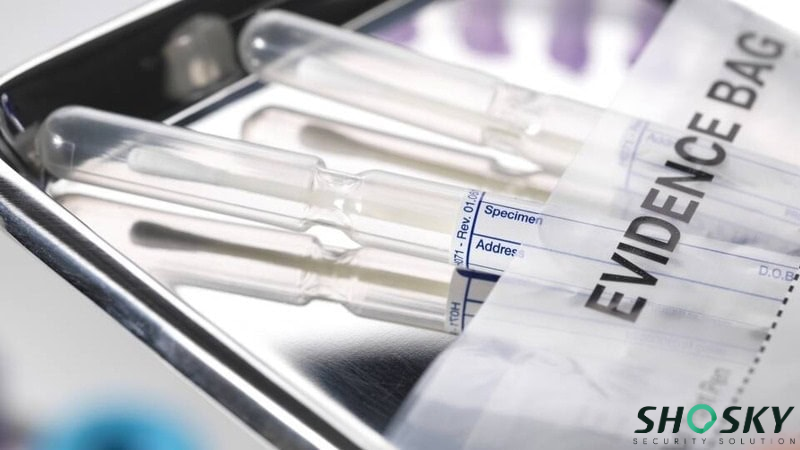
Security bags, often called STEBs or evidence bags, are self-contained security environments. They’re built to secure legal documents, cash deposits, and forensic evidence rather than shipping cartons.
These bags are typically made from co-extruded (co-ex) film, which combines multiple layers of plastic for superior tear resistance. The core security feature sits in the closure system: a high-security tape engineered to react visibly to specific attack methods.
- Heat: Applying a heat gun to the seal turns the reactive ink red.
- Cold: Freon spray or extreme cold triggers a “VOID” marking.
- Saliva or solvents: Contact with these chemicals dissolves the ink, revealing the attempt to tamper.
Many of these bags can be customized with a QR code, a serialized number, or a writable panel for chain-of-custody documentation. That combination makes them the default choice for cash-in-transit, aviation duty-free bags, and law enforcement evidence handling.
3. Tamper-Evident Labels (For Product Integrity)
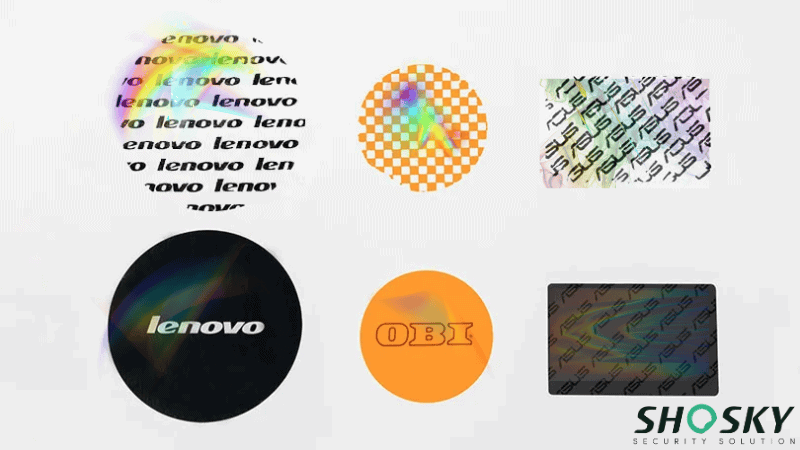
A tamper-evident label pairs an adhesive layer with a printed face material and is applied directly to a product or its packaging. Once lifted, the residue left behind, or the fragmentation of the label itself, provides evidence of tampering.
Different label constructions suit different needs. Choosing between them usually comes down to the surface being protected and how the label should behave once it’s removed.
- Destructible labels: Tear apart the moment someone tries to peel them off. Many are made from a brittle, eggshell-like material, which also makes them a common eco-friendly option.
- Fully or partially transferable labels: Imprint a warning message onto the package surface once removed, whether the label comes off in one piece or fragments.
- Zero-residue labels: Reveal the tamper message on the label itself, without leaving any adhesive residue on the package surface.
These labels are common on IT and electronics products as warranty-void stickers over screws, on server racks and aircraft doors for access control, and on pharmaceutical packaging for regulatory compliance.
4. Security Seals (For Heavy Logistics)
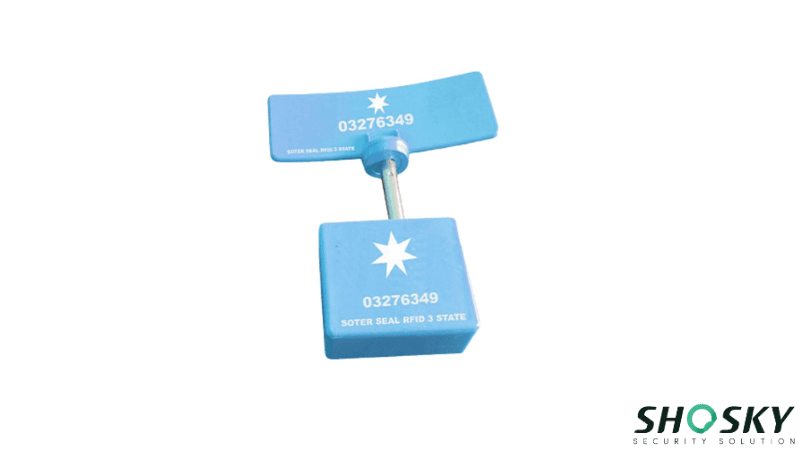
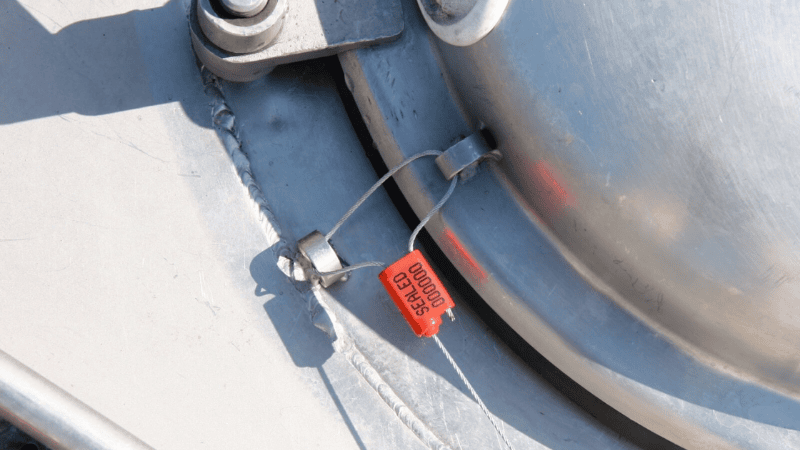
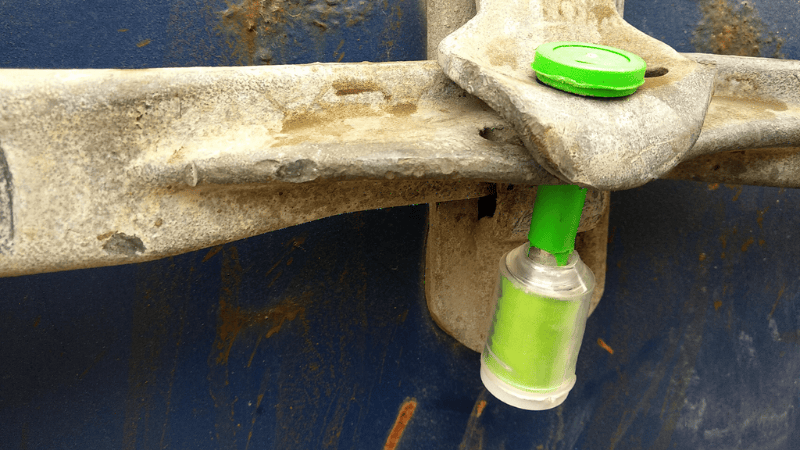
Security seals rely on mechanical strength rather than adhesive chemistry. Wires, straps, or bolts have to be physically cut or broken to open whatever they’re sealing, which makes them the standard for shipping containers and trailers rather than boxes or bags.
ISO 17712:2013, the international standard for freight container mechanical seals, classifies these into three tiers based on tested resistance to tensile force, shearing, and impact.
- Plastic seals (indicative): Used on tote boxes, airline carts, and medical kits. They don’t provide a physical barrier, only visual evidence if broken.
- Cable seals: Made of steel wire, typically used to secure valves or irregular locking points.
- Bolt seals (high-security): Heavy-duty metal seals requiring bolt cutters to remove, meeting the “H” classification under ISO 17712 for ocean freight containers.
These seals are standard on shipping containers moving through international trade, on trailer doors to prevent cargo substitution in transit, and on utility meters to detect unauthorized access.
Choosing between these four categories comes down to what’s actually being protected. The table below summarizes the core mechanism and primary use case for each:
| Solution Type | Primary Application | Security Mechanism |
|---|---|---|
| Security Tape | Shipping cartons, pallets | Adhesive residue transfer (VOID) |
| Security Bags | Cash, liquids, evidence | Heat/cold/solvent-reactive closure |
| Security Labels | Product packaging, warranty seals | Fragmentation or residue transfer |
| Security Seals | Trucks, containers, carts | Physical breakage (mechanical) |
Industry Applications: Who Needs These Solutions?
Different industries face different threats. A one-size-fits-all approach rarely works when the stakes involve six-figure losses or a compromised court case.
Logistics & Supply Chain
Pilferage is the silent killer of profit margins. In busy distribution centers, someone opens a carton, removes a single high-value item, and reseals the box with ordinary clear tape.
The theft often isn’t discovered until the customer opens the package days later. Red or blue VOID tape solves this by bonding aggressively to cardboard fibers, so resealing is impossible without leaving a messy, irreversible residue. Since most theft here is opportunistic, the visible deterrent alone pushes thieves toward an easier, unsecured target.
Banking & Financial Services
The core risk in banking isn’t just financial loss; it’s the collapse of trust and accountability within the organization if cash goes missing between a branch and a vault.
Tamper-evident cash bags address both problems at once. They hide the contents from view to reduce temptation, and serialized barcodes create a digital audit trail for every bag from the moment it leaves the branch until it reaches the vault.
Law Enforcement & Government
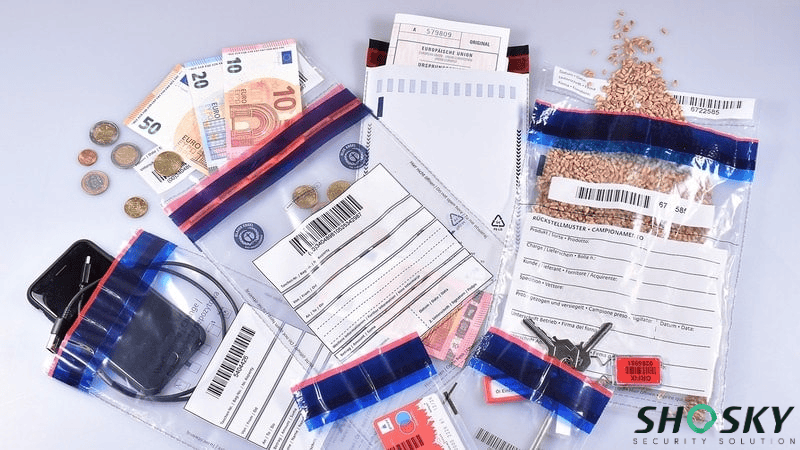
Evidence tampering can end a court case before it starts. If a defense attorney can credibly argue the chain of custody was broken, critical evidence can be dismissed entirely.
Evidence bags built with chain-of-custody writing panels and closures that react to heat, cold, and solvents are designed specifically to prevent that outcome. The bag itself becomes part of the documented record.
Aviation & Travel Retail
Smuggling and non-compliance with international liquid restrictions are ongoing problems at airport security checkpoints.
ICAO-compliant STEBs (Security Tamper-Evident Bags) solve this for duty-free purchases carried past security by connecting passengers. Their transparent construction lets security officers visually inspect liquids without opening the sealed bag, protecting both passenger convenience and retail revenue.
Ready to Get Tamper-Evident Packaging Solutions for Your Business?
Start With A Low Minimum Order Quantity
Factors That Actually Determine the Right Choice
Choosing the wrong security packaging is a specific, costly mistake, not a vague risk. If an adhesive fails in cold storage, or a label peels off too easily on a textured surface, the entire security investment is wasted the first time it’s tested in the field. Four factors consistently determine whether a solution actually works once it leaves the drawing board.
1. The Substrate: What Are You Sticking It To?
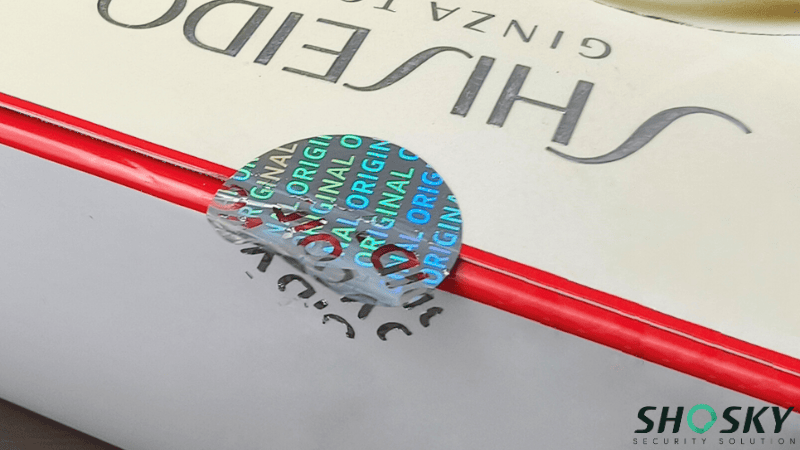
The single most common cause of failure is mismatching the adhesive to the surface it needs to bond with. This isn’t a minor detail; it’s usually the entire reason a “secure” seal fails in practice.
For standard shipping boxes made of paper or cardboard, total transfer tape or labels work best. The security resin needs to chemically bond with the paper fibers themselves, so peeling the tape destroys the box surface and leaves undeniable proof.
For metal, glass, or plastic, reusable containers like crates or rental equipment, non-transfer labels are the better fit. These reveal a “VOID” message on the label itself when peeled but leave the surface clean, which saves a team from scraping off sticky residue every time a crate comes back.
Surface texture matters too. Rough or porous surfaces need a thicker adhesive layer, commonly called “high tack,” to flow into the gaps and form a secure bond rather than sitting on top of the texture and failing under stress.
2. The Environment: Where Will the Package Actually Go?
Adhesives are chemical formulations that react to temperature, humidity, and light just like any other chemical product. A tape that performs perfectly in a warehouse can fail entirely somewhere else in the supply chain.
Extreme temperature is a common failure point. Standard adhesives can become brittle and pop off inside freezers, which is a real problem for anyone shipping frozen food or temperature-sensitive medical supplies. Cryogenic-grade adhesive, rated to remain tacky down to around -40°C, specifically solves this.
Outdoor exposure creates a different failure mode. UV light degrades standard rubber-based tape adhesive fairly quickly, causing the tamper message itself to fade or the bond to weaken. Pallets stored outdoors or on airport tarmacs need UV-resistant security labels specifically rated for that exposure.
3. Overt vs. Covert Security: Deter the Thief, or Catch Them?
Visible tamper-evident features act as a deterrent. Hidden ones act as an authentication and investigation tool. Most buyers need to decide which problem they’re actually solving before choosing a feature.
Overt features, bold “VOID” messages, and holographic patterns function like a “keep out” sign. They’re effective against opportunistic theft, since most thieves are looking for an easy, unsecured target and will move on once they see a visible barrier.
Covert features work differently. UV-invisible ink and micro-text hidden within a design line are built for authentication and to specifically catch internal theft. Because the person tampering doesn’t know the mark exists, they can’t attempt to replicate or conceal it, which is exactly the point.
4. Customization: Can It Be Replicated?
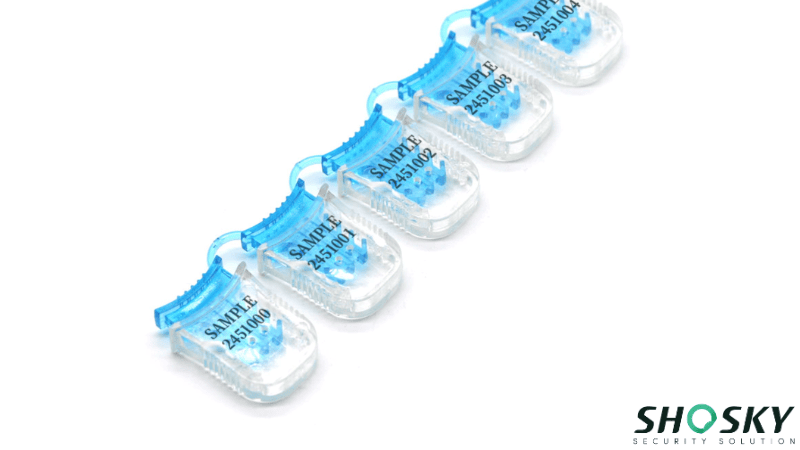
Generic, off-the-shelf tamper-evident materials solve basic needs, but they carry a specific weakness worth taking seriously: if a thief can buy the same generic “red security tape” that a business uses, they can open a box, remove the contents, and reseal it with their own roll from the same supplier. At that point, the crime becomes invisible again.
Custom-branded solutions close that gap. Printing a company logo, a specific color code, or a unique sequential serial number on tape, bags, or labels makes the packaging effectively impossible to replicate with off-the-shelf materials.
This matters most for businesses operating under supply chain security programs like C-TPAT, where documented, traceable security materials are among the items auditors expect to see. The added cost is usually small relative to what it buys: a guarantee that the package arriving at the destination is exactly the one that left the facility.
FAQs
Q1: How does tamper-evident packaging actually work?
It relies on materials engineered to fail visibly rather than cleanly. A tape or label uses an adhesive layer that either permanently adheres to the surface or fragments the material itself, while a bag or seal uses a closure that responds to heat, cold, or physical force. In every case, removing it once makes reapplying it impossible to detect.
Q2: Can tamper-evident packaging be eco-friendly?
Yes. While older tamper-evident materials relied heavily on standard plastics, biodegradable options like eggshell-style destructible labels and recyclable co-ex films have become widely available. Buyers prioritizing sustainability should ask suppliers directly about recycled or biodegradable material options for their specific application.
Q3: Is tamper-evident packaging cost-effective?
The upfront cost of raw materials, custom printing, and serialization is higher than generic packaging. But with cargo theft losses in North America reaching nearly $725 million in 2025, and the average confirmed theft valued at over $270,000, the cost of a single unresolved incident routinely exceeds years of tamper-evident packaging spend for most mid-size operations.
Q4: What’s the difference between tamper-evident and tamper-resistant packaging?
Tamper-resistant packaging is designed to make access difficult. Tamper-evident packaging accepts that access may be attempted and is designed to make any attempt visible afterward. Most modern security packaging combines both properties, but the “evident” function is what actually protects a chain of custody in a dispute.
Q5: Do high-security container seals need to meet a specific international standard?
For ocean freight moving into the United States, yes. Container seals are generally expected to meet ISO 17712’s “H” (high-security) classification, which requires certified testing for tensile strength, shear resistance, and impact resistance, along with documented tamper-evidence performance from an accredited process reviewer.
Get Tamper-Evident Packaging Solutions from Shosky
Tamper-evident packaging is a crucial safeguard across industries where security and accountability carry real financial and legal consequences. These solutions don’t just deter tampering; they provide clear, documented evidence when interference occurs, enabling a business to maintain trust, protect its goods, and stay compliant with the standards its industry expects.
Whether the application is law enforcement, banking, logistics, or consumer packaging, the right tamper-evident solution offers a visible, verifiable safeguard against unauthorized access. Getting the choice right starts with the four factors covered above, not with whichever material happens to be cheapest or most familiar.
Shosky Security specializes in custom-branded tamper-evident tape, bags, labels, and seals engineered for the specific substrate, environment, and threat model of each application. Contact our team to discuss your security requirements and request a sample before your next production run.