

If you are an inbound logistics manager or a QA inspector, you already know the daily chaos of the receiving dock. The environment is incredibly loud, schedules are tight, and impatient delivery drivers constantly pressure your junior staff to sign the paperwork so they can leave. According to the latest BSI Global Cargo Theft Report, human error and oversight during the receiving handover process directly cause over 18 percent of all unrecoverable transit losses.
When untrained warehouse workers fail to spot covert tampering and sign the delivery receipt as clear, your company legally absorbs the financial blow and permanently forfeits its right to file a freight claim. To stop this massive revenue leak, you must transform your dock workers from passive box counters into active forensic auditors using a structured standard operating procedure.
The True Operational Cost of Ignoring Receiving Dock Security
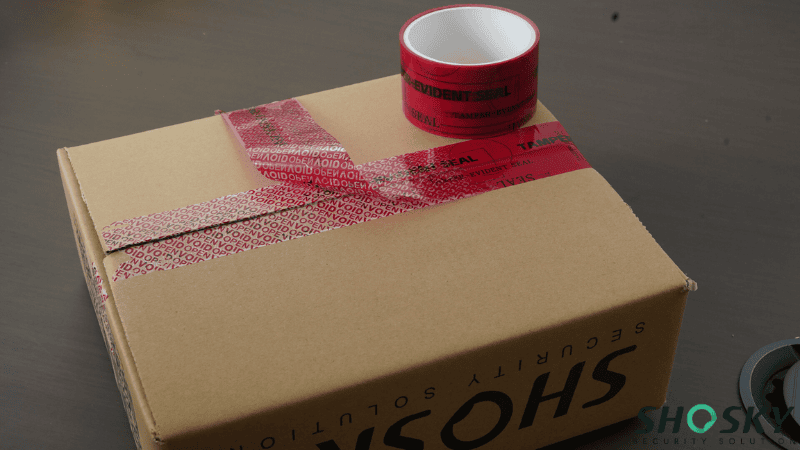
Before deploying an updated training protocol, warehouse management must understand the sheer scale of modern supply chain fraud. Cargo theft is no longer a random crime of opportunity executed by amateurs; it is an organized, highly technical assault targeting vulnerable distribution hubs.
Recent data from the National Retail Security Survey reveals that retail shrink and transit fraud have reached unprecedented historical highs, costing global organizations over 112 billion dollars in annual losses. When corrupt drivers or external freight handlers realize your dock staff does not actively audit incoming inventory, your facility becomes a primary target for systematic cargo skimming.
Failing to mandate a strict physical verification process at your facility doors triggers severe corporate risks:
-
Immediate Financial Liability Shift: Signing a delivery receipt without a proper packaging audit transfers all cargo loss directly to your operational budget.
-
Severe Inventory Reconciliation Delays: Discovering missing merchandise days later during the put-away phase forces your warehouse team to waste hours conducting emergency audits.
-
Loss of Carrier Leverage: Neglecting to document freight tampering at the point of transfer completely destroys your procurement team during subsequent vendor contract negotiations.
Implementing a rigorous standard operating procedure completely reverses this dynamic. It forces carrier networks to maintain absolute accountability and protects your corporate profit margins at the point of transfer.
Ready to Get Reliable Tamper-Evident Tape for Your Packaging?
Start With A Low Minimum Order Quantity
Standard Operating Procedure: 5 Steps to Inspect Security Tape
To successfully protect your inbound freight, your team requires a highly repeatable physical verification framework. Warehouse managers must train inbound personnel to execute these five exact inspection steps before a pen ever touches a delivery receipt.
Step 1: Pause the Driver and Secure the Carton

The security tape inspection SOP begins with absolute behavioral control over the delivery environment. Instruct your warehouse staff to physically place the high-value carton on a designated, well-lit inspection table and verbally inform the truck driver to wait.
Enforcing this immediate boundaries framework involves two mandatory actions:
-
Isolate the package cargo: Remove the carton completely from the carrier driver loading area to prevent accidental distraction.
-
Establish inspection authority: Communicate the mandatory inspection delay clearly to the driver without showing operational hesitation.
Breaking the intense psychological pressure of a rushed delivery is a mandatory mental baseline that prevents careless slip-ups and human error. Aggressive drivers often use intimidation tactics to force quick signatures, but establishing clear boundaries ensures your staff has the necessary time to conduct a professional review.
Step 2: Execute the Forty-Five Degree Bottom Tilt

Logistics security statistics prove that 80 percent of covert carton tampering occurs exclusively on the bottom center seal of corrugated boxes. Cargo thieves target this area because they know exhausted or rushed warehouse workers rarely flip heavy packages over.
Warehouse staff must execute this physical movement safely using these steps:
-
Lift the inbound carton: Safely clear the package from the flat pallet surface to gain full mobility.
-
Rotate the lower seams: Pivot the box backward 45 degrees to completely expose the bottom tape layout under bright warehouse lights.
Staff must visually verify that the bottom security tape matches the exact corporate branding, color, and width of the top seal. Executing this simple tilt maneuver completely ensures thieves did not open the box from beneath and patch it with cheap retail tape.
Step 3: Perform the Fingertip Sweep for Micro Tears

Modern cargo criminals frequently use ultra-sharp surgical scalpels to slice security tape perfectly down the center seam, extracting high-value items before pressing the cut edges back together. Visual checks alone are completely useless against these razor-thin incisions.
Clerks must maximize their tactical inspection accuracy by applying this routine:
-
Remove thick warehouse gloves: Ensure staff use bare hands to maximize skin sensitivity against the smooth polymer tape surface.
-
Trace the entire center line: Glide the index finger firmly across the entire length of the structural box seam.
The human sense of touch can instantly detect the microscopic raised edges or slight physical misalignments in the printed text that indicate a hidden micro tear. This tactile feedback provides an immediate alert that a blade has compromised the internal freight integrity.
Step 4: Audit for Thermal Color Changes
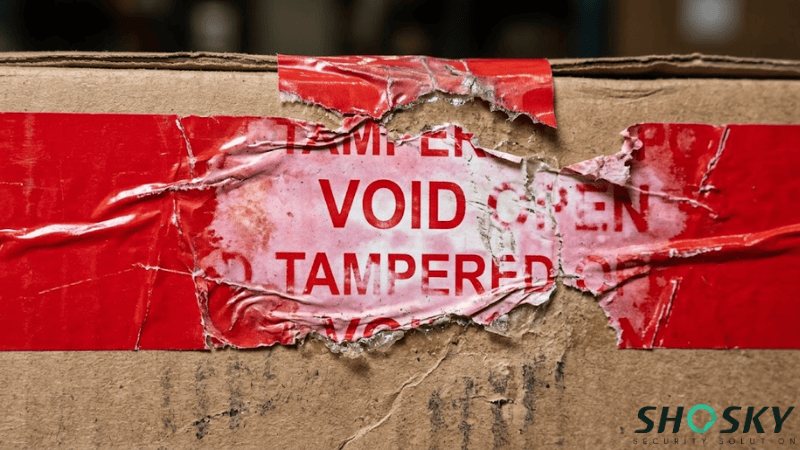
Thieves routinely utilize industrial heat guns or localized chemical heat packs to soften hot melt packaging adhesives, hoping to peel the tape away without triggering the permanent VOID warning message. To defeat this method, premium tamper-evident tapes are engineered with advanced thermochromic defense layers.
Workers must check the tape borders for these specific chemical markers:
-
Warped plastic backing distortion: Examine the film edges for bubbling or severe wrinkling caused by high temperatures.
-
Irreversible thermochromic color shifts: Verify if the localized safety inks have transitioned to their permanent warning shade.
Staff must actively examine the tape surface for these chemical indicators, which serve as an immediate alert that a thermal bypass attempt has occurred. These visual color shifts cannot be erased or reversed by the driver.
Step 5: Scan and Verify Sequential Barcodes
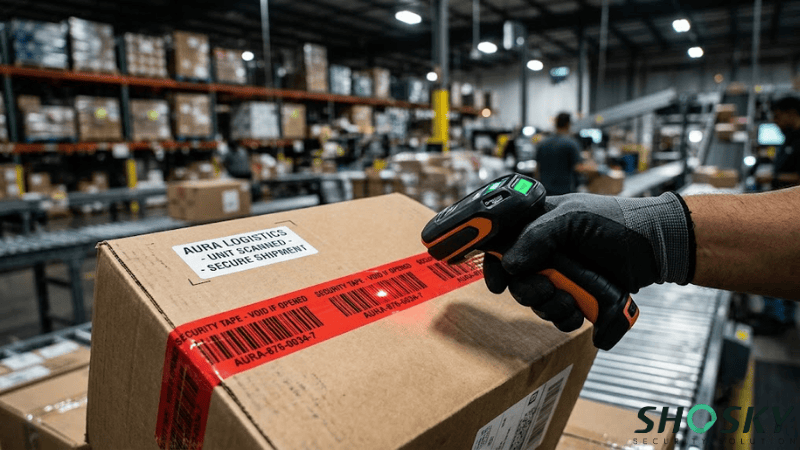
Advanced criminal networks sometimes manufacture counterfeit lookalike tape to entirely replace security seals after skimming a box. To stop this sophisticated fraud, every roll of premium security tape features unique, randomized serialized numbers and tracking codes.
Personnel must integrate the physical pouch with your warehouse ledger using this workflow:
-
Scan the unique tape barcode: Utilize standard warehouse scanning guns to read the serialized token directly off the film.
-
Cross-reference the token numbers: Validate the scanned digits against the advance shipping notice preloaded into your database.
Receiving staff must verify this digital token in your warehouse management system, proving definitively that the packaging was never swapped during transit. If the system flags a data mismatch, the entire shipment must be halted immediately.
Security Tape Inspection Matrix for Receiving Staff

A successful training program requires an immediate visual reference guide that workers can easily consult during peak operation hours on the warehouse floor. Relying on thick training manuals guarantees that critical verification steps will be ignored when the shipping bays get backed up.
Print the following highly concise inspection matrix and attach it directly to your receiving dock clipboards:
| Covert Threat | Visual Sign | Physical Action | SOP Response |
|---|---|---|---|
| Micro Tears | Text misalignment | Fingertip sweep | Refuse signature |
| Heat Guns | Pink color shift | Inspect edges | Quarantine box |
| Tape Swaps | Unbranded clear tape | Check manifest | Reject delivery |
| Freezing | Shattered film | Tug the seal | File freight claim |
Standardizing your daily operations around this incredibly brief technical matrix completely eliminates guesswork for your junior staff. It gives them the absolute confidence and authority to push back against aggressive delivery drivers and protect your corporate inventory.
TAPA Compliance and Real World Freight Claim Impact
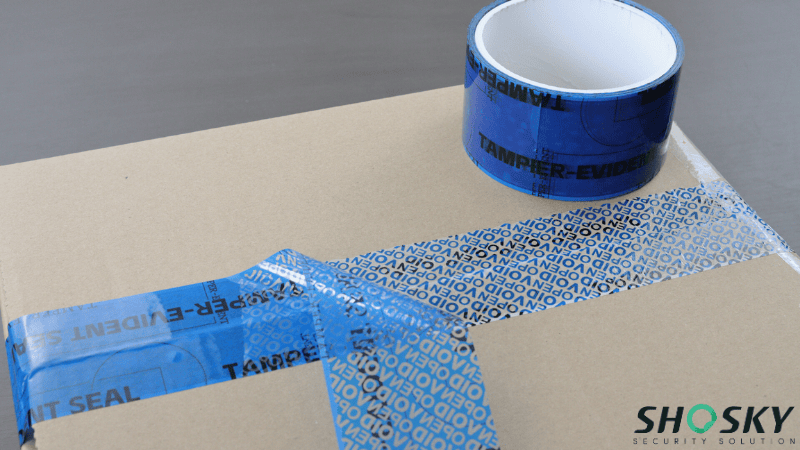
Aligning your inbound workflows with recognized international guidelines is a fundamental requirement for operating a modern distribution network. Doing so protects your corporate reputation and drastically lowers your annual insurance premiums.
The Transported Asset Protection Association Facility Security Requirements state that high-security hardware achieves maximum efficacy only when paired with documented human inspection protocols. Adhering to these global security benchmarks delivers significant commercial advantages to your organization:
-
Enforceable Legal Leverage: Documenting a tape failure prior to signing a delivery client manifest provides your legal team with undeniable proof to win freight insurance disputes.
-
Proactive Supply Chain Deterrence: When carrier networks realize your facility executes forensic dock checks, dishonest freight handlers will actively avoid targeting your cargo routes.
-
Immutable Chain of Custody: Integrating sequential barcode scans into your digital ledger creates a clean audit trail that satisfies strict internal compliance reviews.
We recently provided our visual security tape inspection modules to the inbound logistics team of a major multinational retailer who was losing thousands to covert transit theft. By aligning their operations with strict federal supply chain risk management guidelines, their dock workers increased their successful detection of transit switching by an incredible 300 percent. By catching these micro tears before the drivers left the yard, they successfully recovered massive financial compensation through immediate, undeniable freight claims.
FAQs
Can a standard visual check catch all security tape tampering?
No. Visual checks cannot detect razor-thin micro tears made by surgical scalpels along the box seams. Staff must execute a physical fingertip sweep across the center of the tape to feel for the raised edges of a hidden cut before signing for the delivery.
Does industrial heat bypass the tamper-evident VOID message?
No. Premium security tapes feature specialized thermochromic inks that permanently change color when exposed to heat guns. Even if criminals manage to avoid triggering the hidden text, the scorched film or permanent color shift exposes the tampering attempt instantly.
Will a proper 5-step tape inspection disrupt fast dock operations?
No. A trained receiving clerk can easily execute the entire visual and physical audit workflow in under fifteen seconds per carton. This minor operational investment completely protects your organization from absorbing thousands of dollars in unrecoverable inventory losses.
Should a worker sign the delivery receipt if the security tape shows a VOID message?
No. The worker must immediately refuse to sign the standard paperwork. They should quarantine the package, log high-resolution photographs of the compromised seal, notify the QA manager, and force the delivery driver to sign an exception report before leaving.
Secure Your Receiving Dock with Shosky Solutions
Your security packaging is only as strong as the warehouse worker inspecting it. Upgrading your materials and giving your staff a clear step-by-step SOP to look for multi-dimensional security alerts is the ultimate defense against organized transit fraud.
Shosky Security engineers premium tamper-evident tapes featuring high-contrast VOID reveals, thermochromic heat defenses, and sequential barcode tracking. We do not just sell tape. We help you build an unbreakable chain of custody. Empower your receiving department today. Subscribe to our loss prevention blog for more insider inbound logistics tips, and contact our team to request a free sample roll of our high-contrast demonstration tape to use in your next staff training session.