
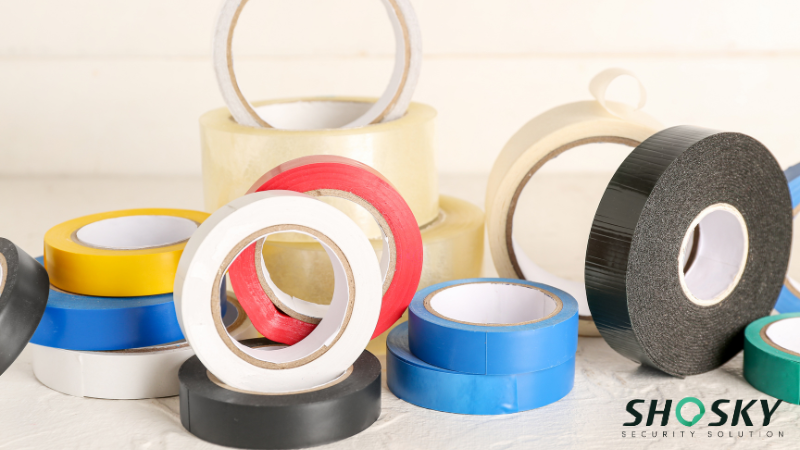
The global logistics and manufacturing sectors rely heavily on engineered packaging solutions to protect high-value assets. According to comprehensive market data from Grand View Research, the global pressure-sensitive tapes market is projected to exceed $80 billion by the end of the decade, driven by strong logistical demand and rapid advancements in polymer chemistry.
Understanding exactly how these tapes are manufactured is no longer optional but a critical operational requirement. The right combination of backing material and adhesive chemistry ensures faster production lines and secure shipments.
In this comprehensive technical guide, you will discover the science behind industrial adhesive tapes, explore the core polymer chemistries, and learn the step-by-step manufacturing process from raw film to the final slit roll.
Common Industrial Adhesive Tape Chemistries
Not all adhesives are created equal. Pressure-sensitive adhesives (PSAs) are materials that remain permanently tacky at room temperature and adhere to various surfaces with only light finger pressure. They require no water, solvent, or heat activation.
While all PSAs share this tacky characteristic, the base polymer dictates how the tape performs under stress, extreme temperatures, and UV exposure. Industrial tape manufacturers formulate three primary categories of adhesive systems to meet specific operational demands:
1. Rubber-Based Adhesives (High Initial Tack)
Rubber is the oldest and most cost-effective adhesive base. Because natural rubber is not inherently tacky, manufacturers blend it with specialized tackifying resins to create a powerful bond. Rubber adhesive systems are highly preferred for indoor packaging applications, carton sealing, and masking.
Rubber adhesives are divided into two main categories based on their molecular structure:
- Natural Rubber: Features long polymer chains that provide excellent “shear strength” (holding power). They aggressively adhere to Low Surface Energy (LSE) substrates like recycled cardboard and certain plastics. However, they lack UV resistance and will yellow or degrade if left outdoors.
- Synthetic Rubber (Hot Melt): Formulated as a thermoplastic with shorter polymer chains. Hot melt adhesives provide incredible instant adhesion (quick stick) and are highly customizable. They are the undisputed standard for automated carton sealing tapes due to their aggressive bite on corrugated boxes.
2. Acrylic-Based Adhesives (Extreme Durability)
Where rubber adhesives fail under sunlight or extreme temperatures, acrylic adhesives excel. Acrylics are chemically stable against oxidation, making them the ultimate choice for outdoor applications, long-term archival storage, and permanent bonding. While they cost more than rubber, their longevity is unmatched.
Acrylic adhesives are processed using two primary manufacturing methods:
- Solvent Acrylic: The acrylic polymers are dissolved in a chemical solvent. Once coated and dried, they offer exceptional resistance to chemicals, moisture, and extreme temperature fluctuations. They are strictly used for high-performance and critical industrial applications.
- Emulsion (Water-Based) Acrylic: The polymers are suspended in water using surfactants. This creates a highly eco-friendly, low-VOC manufacturing process. They are widely used for general-purpose packaging tapes, though they offer slightly lower moisture resistance than solvent acrylics.
3. Silicone-Based Adhesives (Extreme Temperature Resistance)
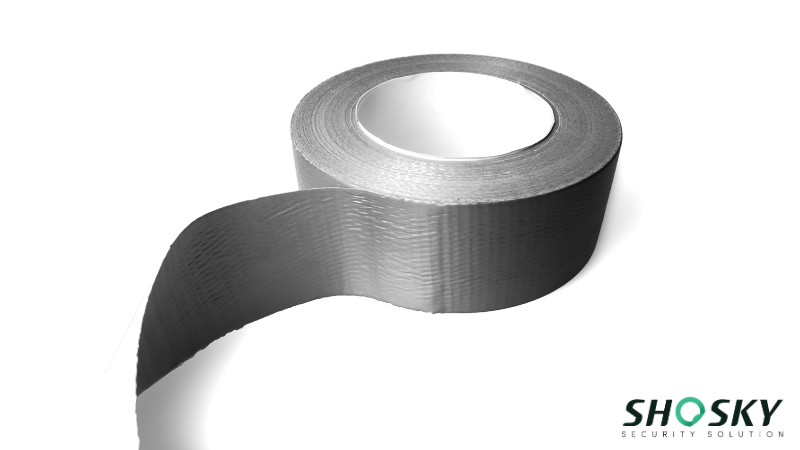
Silicone adhesives represent the most premium class of pressure-sensitive adhesives. They are engineered for critical applications where the tape must survive brutal environmental conditions that would instantly destroy rubber or acrylic bonds. Silicone systems maintain their flexibility and bonding strength in freezing conditions and extreme heat environments often exceeding 200°C. They are generally formulated into two specialized categories:
-
Industrial Grade Silicone: Engineered specifically for aerospace manufacturing, high heat powder coating masking, and heavy-duty electrical insulation where extreme thermal resistance and chemical stability are absolutely mandatory.
-
Medical Grade Silicone: Formulated strictly for biocompatibility. These adhesives provide a gentle but secure bond on human skin, making them essential for wearable medical devices and advanced wound care applications without causing tissue trauma upon removal.
Stop Packaging Failures Before They Start
Start With A Low Minimum Order Quantity
The 10-Step Adhesive Tape Manufacturing Process
The science of tape manufacturing requires massive, high-precision machinery. The process involves treating a raw backing material (the “web”), applying complex liquid or melted polymers, and converting the finished product into usable rolls.
Here is the exact 10-step industrial manufacturing process used by leading source factories to produce high-performance pressure-sensitive tapes:
1. Raw Material Unwinding
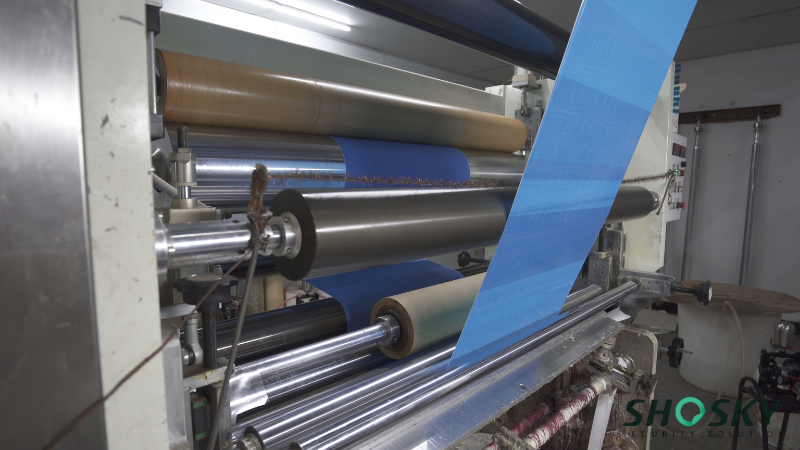
The production line begins at the unwinding station. Massive jumbo rolls of raw backing material, such as BOPP film, PET, or Kraft paper, are loaded onto the machine. Advanced web guiding systems and automated tension controllers ensure the thin film is pulled perfectly straight through the machine without stretching, wrinkling, or snapping.
2. Corona Surface Treatment
Plastic films naturally have very low surface energy, meaning glue will roll right off them. The raw film passes through a Corona Treater, which blasts a high-voltage electrical discharge onto the surface. This microscopic etching oxidizes the plastic and raises the surface energy dyne level, allowing the liquid adhesive to bond permanently.
3. Primer Application
For premium industrial tapes that endure heavy stress, a liquid chemical primer is applied to the freshly treated side of the film. The primer acts as a structural anchor, ensuring the adhesive bonds perfectly to the backing material and does not transfer off onto the product surface upon removal.
4. Release Coating Application
Have you ever wondered why tape doesn’t stick to itself permanently on the roll? Before the adhesive is applied, the reverse side of the film is coated with a microscopic layer of a release agent, typically a silicone-based formula. This critical step ensures the tape unwinds smoothly for the end user without tearing.
5. Adhesive Coating
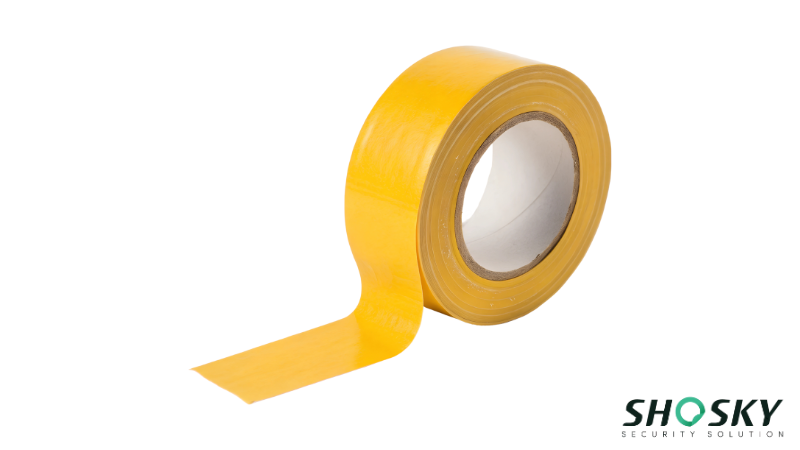
This is the absolute heart of the manufacturing process. The coating technology used depends entirely on the adhesive’s viscosity and chemical composition. The primary industrial coating methods include:
-
Slot Die Coating: Used primarily for melted synthetic rubbers. The liquid hot melt adhesive is pumped through a precisely machined metal die directly onto the moving web, ensuring a flawless, thick coating layer even at extremely high production speeds.
-
Gravure Cylinder Coating: Ideal for liquid solvent and water-based acrylics. An engraved metal cylinder picks up the liquid adhesive from a chemical bath and transfers it to the film, providing highly accurate micrometer thickness control for thin protective tapes.
-
Meyer Bar Coating: Also known as wire wound rod coating. The raw film passes over a steel rod wrapped in fine wire, which accurately scrapes off excess liquid adhesive to achieve a perfectly uniform coating weight across the entire jumbo roll.
-
Calender Coating: Utilized for extremely thick, heavy natural rubber masses. Massive heated steel rollers crush and press the solid rubber compound directly onto the backing material without using any liquid solvents.
6. Drying and Curing Ovens
If the tape is coated with water-based or solvent-based acrylics, the wet film must travel through massive, multi-zone drying ovens.
These ovens blast the web with hot air to completely evaporate the water or chemical solvents, leaving behind only the pure, solid acrylic adhesive layer. Hot melt tapes bypass the ovens and instead run over chilled cooling rollers to instantly solidify the melted rubber.
7. Rewinding into Jumbo Rolls
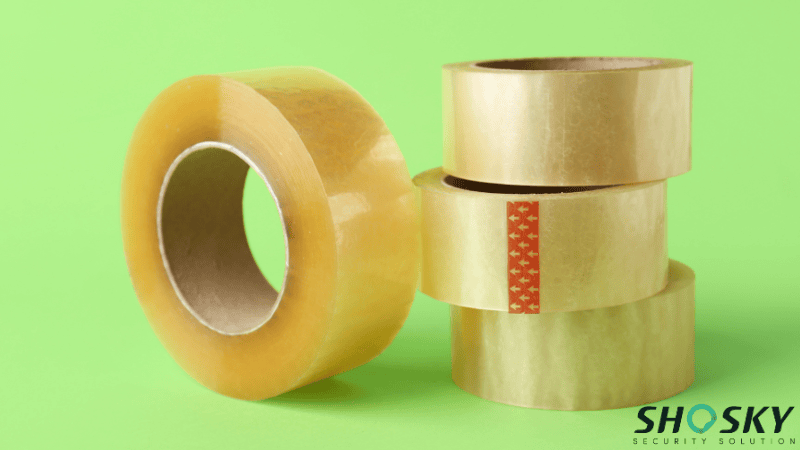
Once the tape is fully coated, dried, and cooled, it reaches the end of the coating line. A rewinder machine tightly rolls the finished tape onto massive master cores. These “Jumbo Rolls” can weigh several tons and hold thousands of meters of tape.
8. Precision Slitting
The Jumbo Rolls are moved to the converting department. High-speed slitter machines use a row of razor-sharp rotary blades to cut the massive rolls into the exact widths specified by the customer. For example, a standard carton sealing tape is typically slit into 2-inch (48mm) or 3-inch (72mm) strips.
9. Core Loading and Spooling
As the slitter cuts the tape, the individual strips are simultaneously rewound onto smaller, branded cardboard cores. Advanced automated turrets swap out full rolls for empty cores in fractions of a second, ensuring continuous, high-speed production.
10. Quality Control and PSTC Testing
Before any batch leaves the factory floor, it must pass rigorous quality control protocols. Engineers conduct standardized PSTC (Pressure Sensitive Tape Council) tests.
This includes the “Rolling Ball Tack Test” to measure initial stickiness, the “180-Degree Peel Test” to measure adhesion strength to steel, and the “Shear Test” to verify the tape’s holding power under a suspended weight. Only batches that pass these strict metrics are approved for shipping.
Common Materials Used for the Backing of Adhesive Tapes
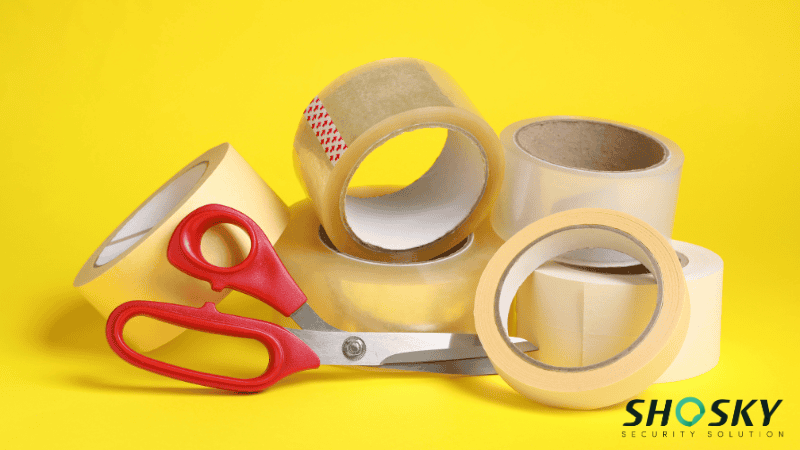
The adhesive is only half of the equation. The carrier or backing material significantly dictates the tape’s tensile strength, flexibility, and ultimate industrial application.
The table below summarizes the most common backing materials used in commercial tape manufacturing and their key characteristics:
| Backing Material | Description / Key Features |
|---|---|
| Paper | Known as flatback tape; features a paper backing. |
| Cloth | Woven cloth or fabric layer; provides reinforcement, strength, and heat resistance. |
| Felt | Non-woven material; applied to prevent scratching on substrates. |
| Foam | Backed with foam and liner-protected adhesive; used for sealing, mounting, and weather-stripping. |
| Metal Foil | Includes aluminum, copper, and lead; resists humidity, heat, and flames; used for sealing and PCB production. |
| Plastic Film/Polymer | Thermoplastics and thermosets; can be layered and combined with paper or aluminum for diverse uses. |
| Polyethylene Terephthalate (PET) | Also known as Mylar; polyester film or laminate backing for durability. |
| Polyimide | Heat-resistant tape with polyimide film and silicone adhesive; ideal for flexible circuit manufacturing. |
| Polyvinyl Chloride (PVC) | Vinyl backing that resists wear, abrasion, and weathering. |
| Glass/Fiberglass | Offers durability and resistance to shrinking, burning, and rotting; suitable for extreme conditions. |
| Filament | Also called strapping tape; reinforced with filaments for bundling and shipping irregularly shaped items. |
By matching the correct polymer adhesive with the appropriate backing material, packaging engineers can drastically improve production line speeds and ensure total load security in transit.
FAQs
Q1: Why do premium solvent acrylic adhesives physically cost more than standard rubber adhesives?
Solvent acrylic adhesives strictly require a vastly more complex manufacturing process, including massive thermal drying ovens to safely evaporate dangerous volatile organic compounds. However, these highly stable polymers naturally resist aggressive ultraviolet light and extreme chemical oxidation, heavily justifying the higher procurement investment for long-term bonding.
Q2: How do tape manufacturers actively ensure the tape does not stick to itself permanently on the roll?
During the highly precise coating process, engineers meticulously apply a microscopic layer of a silicone-based release coating directly to the non-sticky top side of the tape backing. This specialized chemical layer mathematically ensures the aggressive adhesive releases entirely smoothly without tearing the film during rapid unwinding.
Q3: How do industrial laboratories accurately measure the initial stickiness of packaging tape?
Quality control engineers strictly utilize the industry standard PSTC Rolling Ball Tack Test. A heavy stainless steel ball is aggressively rolled down a precisely angled mechanical ramp directly onto the sticky adhesive surface. The shorter the exact distance the heavy ball travels, the higher the initial tack of the adhesive.
Elevate Your Packaging with Shosky’s Adhesive Tapes
From its invention in 1925 as a simple painter’s tool to its widespread use across industries today, adhesive tape has become an essential material in modern life. With a wide range of adhesive types, such as rubber, acrylic, and silicone, and backing materials suited for different applications, tape technology has evolved to meet diverse needs.
The detailed manufacturing process behind every roll ensures strength, flexibility, and precision. Whether for packaging, medical use, or electronics, adhesive tapes offer efficient and reliable bonding solutions that continue to support innovation across sectors.
Shosky Security is a premium source manufacturer of advanced adhesive tapes and tamper-evident solutions. We control the entire coating, slitting, and printing process in-house, ensuring absolute quality control and highly competitive OEM pricing. Contact our engineering team today to discuss your specific adhesive requirements and request custom material samples!