
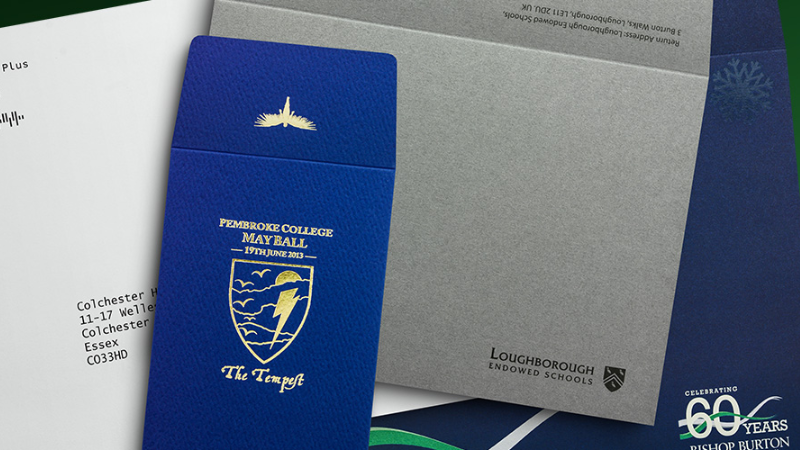
A typical school uses an average of 2,000 sheets per day, consuming over 320,000 sheets (including exam envelopes) per year. This generates significant paper waste. However, opting for eco-friendly options can contribute to reducing the overall environmental footprint of educational institutions.
Durable, tamper-proof envelopes ensure the secure transport of confidential documents and help streamline handling. In this article, we will explore how schools and testing agencies can choose the right exam envelopes by considering customization, security, durability, and sustainability that align with environmental goals.
Why the Exam Security Envelope Matters for Schools and Testing Agencies
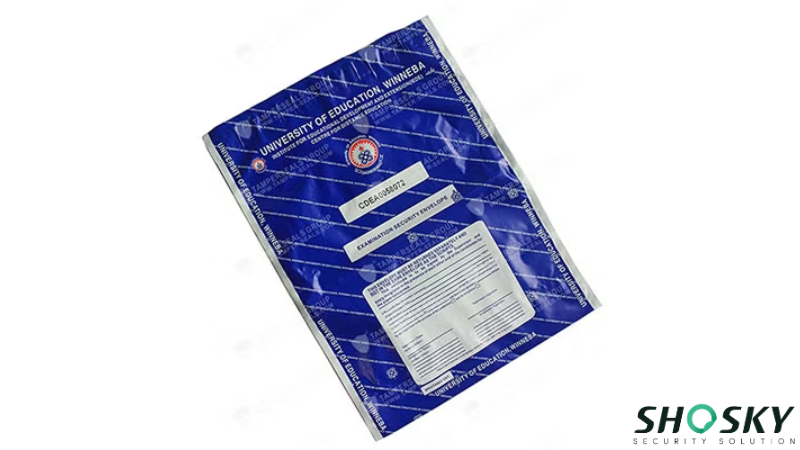
Exam envelopes (also known as exam security envelopes) are more than just simple mailers. They serve as a key part of maintaining security and integrity in any examination process.
Without secure envelopes, confidential exam materials could be exposed, lost, or damaged. That’s why using the right exam envelope is paramount.
Each exam envelope acts as a first line of defense against unauthorized access, theft, or tampering. Serialized numbering, watermarks, and tamper-evident seals help verify integrity and prevent errors that can compromise exams. Proper handling procedures, such as chain-of-custody methods, ensure that materials stay secure from storage to distribution.
Operational efficiency also benefits from thoughtful envelope selection. Standardized formats, appropriate sizing, and clear labeling make it easier for staff to sort, store, and transport exams. This reduces confusion, speeds up mail handling, and limits the chance of errors during delivery.
Types of Exam Envelopes and Their Applications
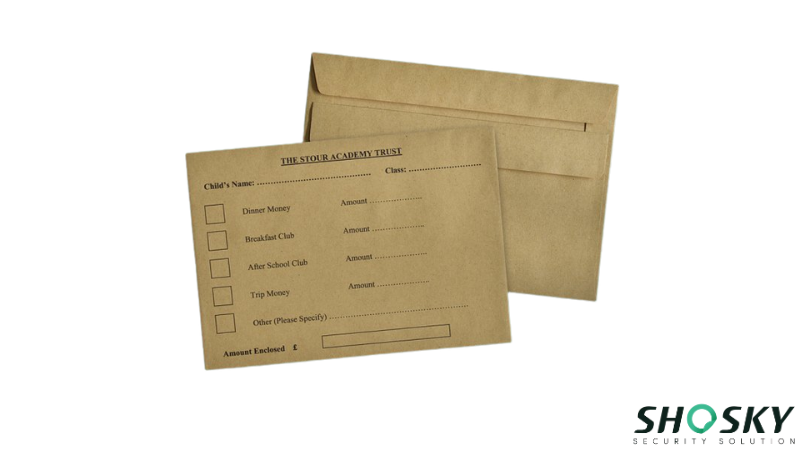
Choosing the right exam envelope depends on purpose, security needs, and handling. Different types are available to meet specifications for legal, official, or everyday exams. Here are the main types:
- Standard Paper Envelopes – Commonly used for everyday exam distribution. Affordable, easy to purchase, and suitable for short-term storage.
- Tamper-Evident Envelopes – Include security seals and serialized numbering, ideal for legal or highly confidential exams. Provides peace of mind and reduces errors.
- Tyvek Envelopes – Strong, water-resistant material for exams that require extra durability during transport. Useful when saving documents from damage is a priority.
- Polypropylene Envelopes – Transparent, reusable, and resistant to wear. Often used in services that need both visibility of contents and secure handling.
- Customized Envelopes – Printed with branding, color coding, or handling instructions. Helps staff quickly identify materials and follow proper procedures.
Selecting the right type of exam envelope ensures exams are handled securely and efficiently. By comparing specifications, considering opinions from peers, and factoring in cost savings, institutions can choose envelopes that meet both operational needs and legal requirements while supporting reliable service.
6 Key Factors to Consider When Choosing an Exam Envelope
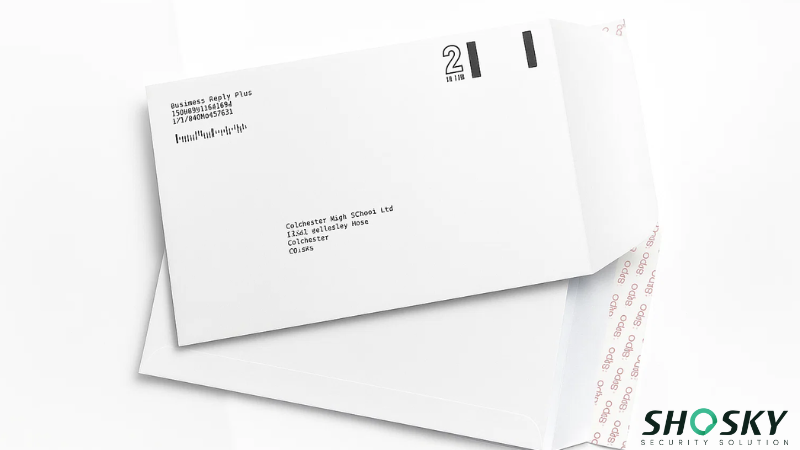
When choosing an exam envelope, several key factors influence both security and efficiency. The following sections break down these factors in detail to guide institutions in making informed decisions.
Factor 1: Size and Capacity
The size and capacity of an exam envelope affect how securely materials can be stored and transported. Standard formats (common sizes like #10 and 9×12 inches) make it easier to match envelopes with existing filing systems or boxes.
Oversized envelopes or mailers may create excess handling challenges, while undersized envelopes risk overcrowding, damaging documents, or preventing proper sealing. Capacity needs depend on the type of materials being sent.
For example, multiple answer sheets or confidential files may require larger envelopes with reinforced seams. Choosing the correct size ensures that envelopes can hold all necessary documents without excessive folding, bending, or weight stress.
Factor 2: Durability and Strength
Durability is a top priority for exam envelopes. Materials like paper, Tyvek, and polypropylene are commonly used. And each of these materials offers different levels of strength, moisture resistance, and cost.
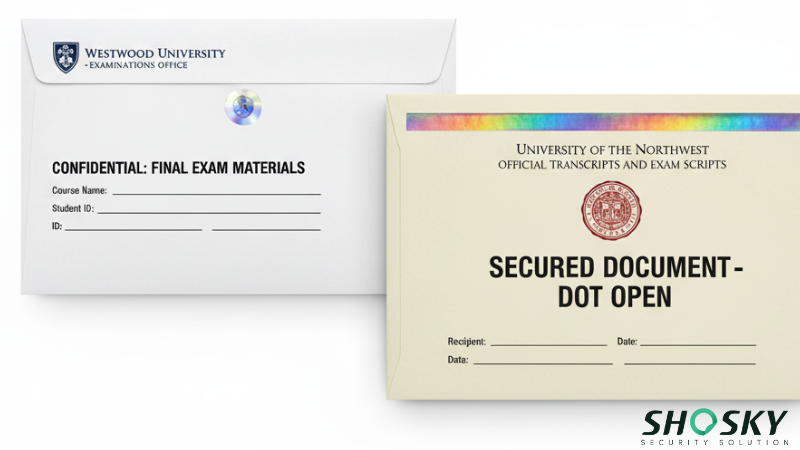
Paper envelopes are cost-effective and suitable for short-term storage, while Tyvek and polypropylene provide added resilience during transport or long-term storage. Material thickness influences how well an envelope can protect contents during shipping or handling.
Reinforced seams prevent tearing, and resilient envelopes with temper-technologies reduce the risk of damage from rain, rough handling, or heavy loads. Schools should match envelope strength with expected transport conditions, storage duration, and handling methods.
Factor 3: Security Features
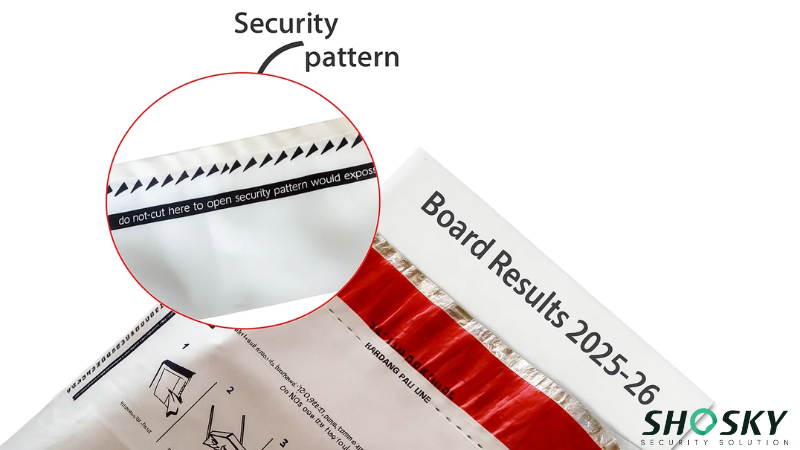
Security features are essential to protect confidential documents and ensure proper chain-of-custody. Tamper-evident seals, serialized numbering, and watermarks or microprinting help maintain integrity and allow staff to verify authenticity quickly.
Envelopes with printed instructions, security labels, or return address details reduce human error during mail handling and distribution. For sensitive materials, serialized numbering allows each envelope to be tracked individually.
Watermarks or microprinting add another layer of verification, discouraging tampering. These features give schools and agencies peace of mind that their exams are protected from unauthorized access.
Factor 4: Environmental Impact
Many organizations now consider environmental impact when choosing envelopes. Eco-friendly materials, low-impact inks, and sustainable adhesives reduce waste without sacrificing security.
Recyclable or compostable envelopes, combined with soy-based inks, allow schools to meet sustainability goals while maintaining operational efficiency. Balancing green choices with performance is essential.
Not all eco-friendly options offer the same level of protection, so schools must weigh durability against environmental considerations. Using sustainable envelopes that also provide security ensures both responsible practices and secure handling of confidential documents.
Factor 5: Customization Potential
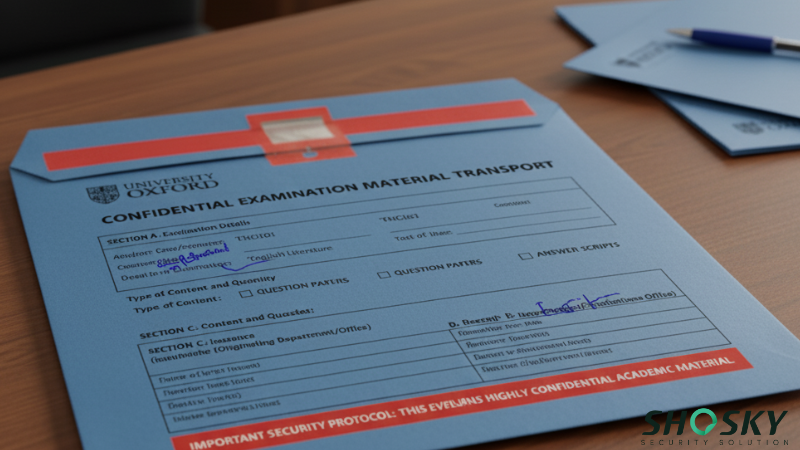
Choosing exam envelopes that allow customization can improve both efficiency and professionalism. Customization ensures that each envelope reflects the institution’s branding while making it easier for staff to organize, identify, and handle materials correctly. The key customization options include:
| Feature | Purpose | Benefits |
|---|---|---|
| Branding | Incorporate school or agency logos and institutional colors | Reinforces brand identity and ensures professional presentation |
| Color Coding | Differentiate subjects, grades, or departments | Speeds up sorting and prevents mix-ups during distribution |
| Instructional Printing | Include handling instructions, warnings, or signatures | Guides staff through proper procedures, reducing handling errors |
| Serialized Numbers | Assign unique identifiers to each envelope | Enhances tracking and accountability throughout the exam process |
| Return Address & Contact Info | Print office or department details | Facilitates secure return, reduces lost correspondence, and provides support if issues arise |
By integrating branding and practical instructions, institutions can ensure that each envelope serves multiple purposes: protecting confidential documents, guiding staff, and reinforcing a consistent identity across all exam materials.
Factor 6: Cost vs. Value
While unit price matters, lifecycle value and supplier reliability are equally important; cheap envelopes that fail during transport or storage can lead to lost or damaged documents, ultimately costing more.
Investing in durable, secure envelopes pays off over time through reduced errors, better storage efficiency, and reliable delivery. Schools should evaluate suppliers for reliability, customization options, and consistent quality.
Assessing the total cost of ownership, including printing, shipping, and handling, helps ensure the investment adds real value. Choosing envelopes with built-in tamper-evident security features reduces additional expenses for separate seals or labels.
Best Practices for Exam Security Envelopes
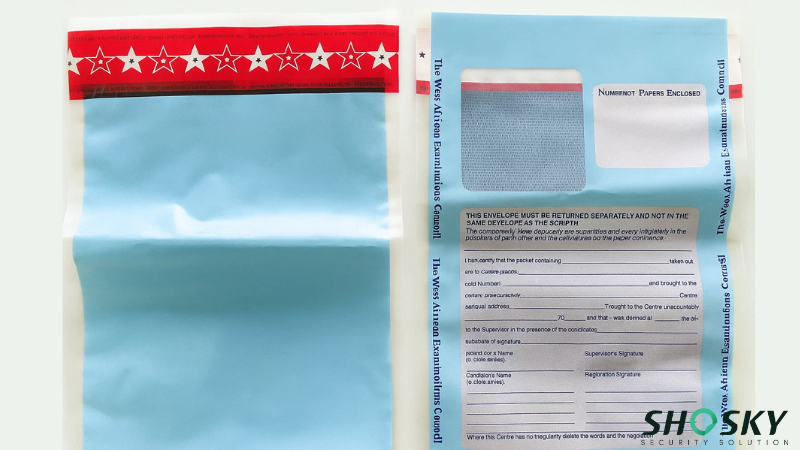
When schools and testing agencies choose exam envelope solutions, it’s essential to follow best practices that maintain the integrity of confidential documents.
Data from more than three million online exams shows that 6.6 percent of proctored exams contained confirmed breach incidents. However, proper procedures can reduce errors, protect sensitive materials, and streamline administrative workflows. Here are the key best practices:
- Implement chain-of-custody procedures for every exam envelope, ensuring accountability at each stage.
- Train every person handling exams on proper envelope configuration, signing, and verification procedures.
- Maintain a complete log of correspondence and communications, including sent email confirmations for exam dispatch and return.
- Configure each security envelope with unique identifiers or serial numbers to allow easy tracking.
- Use convenient digital tools to record page counts, class details, and exam account information to streamline management.
By following these best practices, institutions can minimize errors, ensure accountability, and maximize savings in time and resources while providing complete support for both staff and students. The proper use of security envelopes creates a system where every message, note, and class-related document is handled correctly.
Common Mistakes When Choosing Exam Envelopes
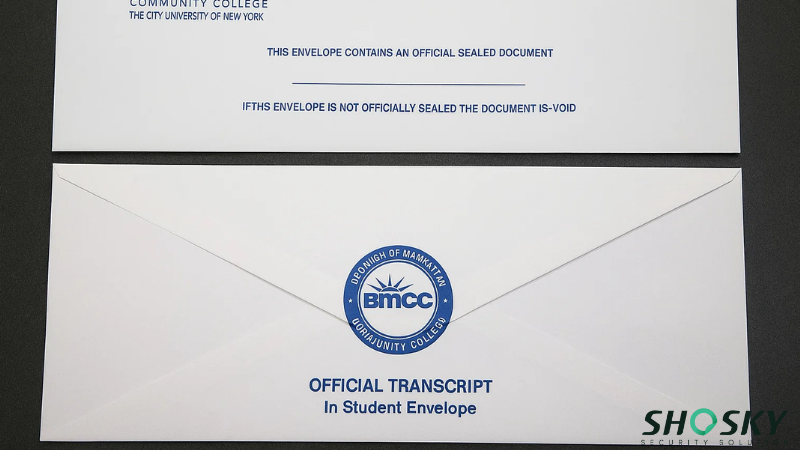
One common mistake when choosing an exam envelope is ignoring durability for transport conditions. Using envelopes that are too thin or fragile can result in tears, lost pages, or damaged confidential documents during shipping or handling. Security envelopes must withstand both internal handling and external transport to ensure exam integrity.
Another common oversight is overlooking customization opportunities. Features such as branding, color coding, and instructional printing are not just decorative—they help staff quickly identify contents, reduce errors, and streamline workflows. Skipping these options can slow operations and increase the risk of mistakes.
Choosing the wrong size or material is also a major issue. Envelopes that are too small may overcrowd documents, while overly large ones can shift contents and reduce security. Selecting the right material ensures protection against moisture, wear, and tampering. Proper size and material choice balance security, convenience, and efficiency.
FAQs
Q1: Can exam envelopes be reused?
Some heavy-duty envelopes can be reused, but most are single-use to protect confidential documents.
Q2: How to choose between eco-friendly and plastic envelopes?
Pick based on durability versus sustainability—eco-friendly for low-impact, plastic or Tyvek for stronger protection.
Q3: What printing options are available?
Envelopes can include logos, return addresses, color codes, serial numbers, and handling instructions.
Conclusion
Secure exam envelopes help protect sensitive materials and streamline handling, and choosing eco-friendly options supports sustainability without reducing their effectiveness. Institutions that invest in tamper-evident security envelopes can reduce the risk of mishandling and ensure confidential documents remain intact from preparation to delivery.
Choose Exam Envelope Solutions from Shosky Security
Shosky Security provides high-quality exam envelopes designed for durability, security, and efficiency. With branding, color coding, and instructional printing, staff can manage exams with ease. Contact us today to get customized envelopes for your institution.